Ethical pet rehoming in New Zealand is a compassionate process focused on ensuring an animal’s welfare and finding it a permanent, loving home when its current owner can no longer provide adequate care. This involves rigorous screening of potential adopters, transparent communication, and adherence to legal and moral obligations to facilitate a smooth, safe transition for the pet.
Introduction to Ethical Pet Rehoming & Adoption in NZ
The decision to rehome a pet is often one of the most difficult a guardian can make, born from circumstances ranging from unforeseen allergies and financial hardship to changes in living arrangements or health issues. In New Zealand, the commitment to animal welfare is deeply ingrained, making the process of finding a new home for a beloved companion animal a matter of significant ethical consideration. This comprehensive guide will navigate the complexities of ethical pet rehoming and adoption within Aotearoa, providing definitive advice, resources, and best practices to ensure every animal transitions into a future filled with care, safety, and happiness.
Understanding the nuances of responsible pet transfer is crucial for both current pet owners and prospective adopters. This guide delves into the principles that underpin ethical rehoming, explores various pathways including home-to-home transfers and working with established rescue organisations, and outlines the critical steps required to safeguard a pet’s physical and emotional well-being throughout the process. Our aim is to empower individuals with the knowledge to make informed, compassionate decisions that uphold the highest standards of animal welfare in New Zealand.
The Core Principles of Ethical Pet Rehoming
Ethical rehoming is built upon a foundation of fundamental principles designed to prioritise the animal’s needs above all else. It’s not merely about finding a new address for a pet, but about securing a genuinely better, permanent situation where their specific requirements are met with understanding and dedication. Adhering to these principles ensures that the transition is as stress-free and beneficial as possible for the animal.
Understanding Responsible Pet Ownership
Responsible pet ownership extends beyond providing food and shelter; it encompasses lifelong commitment, proper veterinary care, socialisation, and enrichment. When rehoming becomes necessary, this responsibility shifts to ensuring the pet’s future needs are equally met. This includes an honest assessment of the pet’s temperament, health history, and any behavioural quirks, which must be openly communicated to potential new guardians. A truly responsible owner will exhaust all avenues to keep their pet before considering rehoming, and if rehoming is unavoidable, they will invest the necessary time and effort to find the perfect match.
Prioritising Pet Welfare
The welfare of the animal must be the central driving force behind every decision. This means avoiding situations that could expose the pet to neglect, abuse, or further rehoming cycles. Ethical rehoming involves seeking a home that can offer stability, affection, and an environment conducive to the pet’s specific breed, age, and personality. Considerations such as adequate space, access to outdoor areas, interaction with other animals or children, and the owner’s commitment to ongoing training and veterinary care are paramount.
Transparency and Honesty
Full transparency with potential adopters is non-negotiable. Withholding information about a pet’s medical conditions, behavioural issues, or past trauma can lead to unsuccessful placements and further distress for the animal. Ethical rehoming demands providing a complete and accurate history, including veterinary records, vaccination status, microchip details, and any known behavioural patterns. This open communication empowers new owners to make an informed decision and prepare adequately for their new companion, fostering a trusting relationship from the outset.

Navigating Home-to-Home Rehoming in New Zealand
Home-to-home rehoming, also known as private rehoming, involves an owner directly transferring their pet to a new owner without the direct involvement of a rescue organisation. While this method can offer a more personalised approach and reduce stress on the pet by bypassing shelter environments, it requires significant diligence and responsibility from the current owner to ensure an ethical outcome.
Why Consider Home-to-Home?
For many owners, home-to-home rehoming is appealing because it allows them to maintain control over the selection process and directly interact with prospective adopters. This can provide peace of mind, knowing exactly where their pet is going. It also means the pet avoids the potential stress of a shelter environment, which can be overwhelming for some animals. Furthermore, it can be a quicker process than waiting for a space at an often-overwhelmed rescue, potentially reducing the time a pet spends in an unsuitable situation.
Steps for a Successful Home-to-Home Transfer
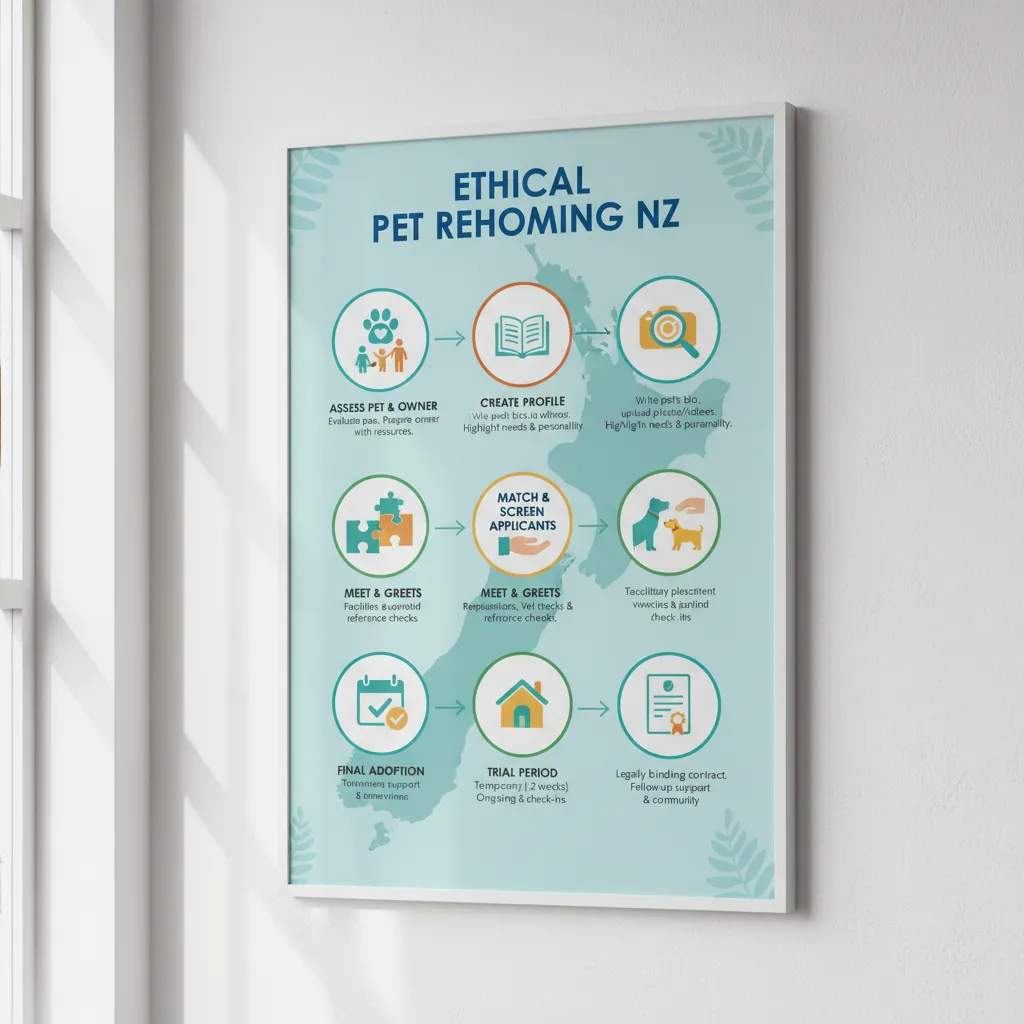
A successful home-to-home transfer requires a structured approach. Firstly, create a detailed profile of your pet, including high-quality photos, a compelling description of their personality, habits, and any special needs, along with their full health history. Utilise trusted platforms that facilitate ethical rehoming, such as social media groups dedicated to pet rehoming in NZ or dedicated websites. Secondly, conduct thorough interviews with all potential adopters, asking comprehensive questions about their lifestyle, living situation, previous pet experience, and commitment to lifelong care. Finally, arrange meet-and-greets in a neutral environment, followed by home visits to assess the potential new home’s suitability.
Screening Potential Adopters
Rigorous screening is the cornerstone of ethical home-to-home rehoming. This should include: checking references (e.g., from previous veterinarians or landlords), requesting proof of identity, and conducting extensive discussions to gauge their understanding of responsible pet care. A rehoming fee is also highly recommended; it not only helps cover some costs but, more importantly, deters individuals with malicious intent who often seek free animals for nefarious purposes. Trust your instincts, and be prepared to say no if any aspect of a potential adopter raises concerns. Prioritising the pet’s safety and well-being over a quick rehome is always the correct approach.
Comprehensive Pet Adoption Guidelines and Resources
For those looking to adopt a pet in New Zealand, understanding the standard guidelines and leveraging reputable resources is key to a positive and ethical experience. Adoption provides a second chance for countless animals and enriches the lives of their new families. The process is designed to ensure a compatible match and a permanent, loving home.
Choosing the Right Pet for Your Lifestyle
Adopting the right pet begins with self-reflection. Consider your living situation (apartment vs. house, yard access), your daily schedule (how much time can you dedicate to walks, play, and training?), your financial capacity for veterinary care and food, and your experience with pets. Research different breeds or types of animals to understand their typical needs regarding exercise, grooming, and temperament. A quiet cat might be ideal for a busy professional, while an energetic dog might suit an active family. Honesty about your capacity is vital for a successful, lifelong adoption.
The Adoption Process: What to Expect
When adopting from a reputable rescue or shelter in NZ, expect a thorough process. This typically involves an application form, an interview (which may be in-person or virtual), reference checks, and a home visit. These steps are not meant to be an interrogation but rather a mutual exploration to ensure the pet is a good fit for your home and lifestyle, and that you are prepared for the responsibilities of pet ownership. Be prepared to discuss your living situation, family members, previous pet experience, and why you wish to adopt. A rehoming fee will also be part of the process, covering essential veterinary care, microchipping, and desexing.
Key Animal Welfare Organisations in NZ
New Zealand boasts a network of dedicated animal welfare organisations committed to rehoming pets ethically. The foremost among these is SPCA New Zealand, with numerous centres nationwide offering a wide range of animals for adoption. Beyond the SPCA, there are numerous independent, breed-specific, or species-specific rescues (e.g., cat rescues, dog rescues, rabbit rescues) operating throughout the country. Websites like PetRescue.org.nz can serve as excellent central hubs to discover pets available from various reputable organisations. Always verify the legitimacy and ethical practices of any organisation you consider adopting from.
Ensuring a Safe and Stress-Free Transition for Pets
The initial period after a pet is rehomed or adopted is critical for its long-term success and well-being. A smooth transition minimises stress, builds trust, and helps the pet adjust to its new surroundings and family. Thoughtful preparation and patience are key to making this period a positive experience for everyone involved.
Preparing Your Home for a New Arrival
Before your new pet arrives, ‘pet-proof’ your home. This involves securing dangerous items, removing toxic plants, and ensuring escape routes are blocked. Designate a safe, quiet space for the pet to retreat to, especially during the first few days. For dogs, this might be a crate or a dedicated room with a comfortable bed, water, and toys. For cats, a private room with a litter box, food, water, and scratching post is ideal. This safe haven allows them to decompress and gradually explore their new environment at their own pace. Ensure you have all necessary supplies, including appropriate food, bowls, collar/harness, lead, and identification tags.
Introducing Pets to Existing Family Members
Introductions, especially to existing pets or young children, should always be gradual and supervised. For dogs, initial introductions with resident dogs should occur on neutral territory, on leashes, and should be kept short and positive. For cats, a slow introduction using scent swapping and controlled visual contact through a gate or door is recommended over several days or even weeks. Educate children on how to respectfully interact with the new pet, emphasising gentle handling and recognising signs of discomfort. Never force interactions, and always provide escape routes or safe spaces for all animals.
Managing Initial Stress and Behavioural Changes
It’s normal for newly adopted or rehomed pets to exhibit signs of stress, fear, or shyness initially. They may hide, refuse to eat, or have accidents. Provide consistent routines for feeding, potty breaks, and playtime, which helps build confidence and a sense of security. Avoid overwhelming them with too much attention or too many new experiences immediately. Patience is paramount; it can take weeks or even months for a pet to fully settle and reveal its true personality. If concerning behavioural issues persist, consult with a professional positive reinforcement trainer or a veterinary behaviourist.
Legal Framework and Responsibilities in NZ Pet Rehoming
Understanding the legal landscape surrounding pet ownership and transfer in New Zealand is crucial for ensuring compliance and upholding animal welfare standards. While many aspects of rehoming are guided by ethical principles, certain legal requirements must be met to ensure responsible pet guardianship.
The Animal Welfare Act 1999
The cornerstone of animal protection in New Zealand is the Animal Welfare Act 1999. This Act places a legal obligation on owners and people in charge of animals to meet their physical, health, and behavioural needs. This includes providing proper sustenance, shelter, companionship, and protection from pain or disease. When rehoming, this Act mandates that the transferring owner must ensure the new home will continue to meet these fundamental needs. Neglecting these duties can result in significant penalties. It underscores that an animal is not merely property but a sentient being with specific requirements.
Microchipping and Registration Requirements
In New Zealand, dogs must be microchipped by three months of age (or within two months of their first registration) and registered with the local council annually. While microchipping for cats is strongly encouraged by vets and animal welfare organisations, it is not currently a nationwide legal requirement, though some local councils may have bylaws. When rehoming a microchipped pet, it is the responsibility of the previous owner to ensure the microchip details are updated with the new owner’s contact information via the microchip registry (e.g., Companion Animals New Zealand). Similarly, for dogs, local council registration must be transferred or initiated by the new owner promptly, demonstrating a clear transfer of legal responsibility.
Breeder vs. Rescue Responsibilities
The responsibilities differ slightly between breeders and rescue organisations when it comes to rehoming. Ethical breeders often have contracts stipulating that if a puppy or kitten needs rehoming, it must be returned to them. This ensures they maintain oversight of their animals’ welfare throughout their lives. Rescue organisations, by their nature, are dedicated to finding permanent homes for animals in need and have established, legally sound adoption contracts. These contracts typically outline the new owner’s responsibilities, conditions of care, and sometimes even include clauses for returning the animal to the rescue if the adoption doesn’t work out. Both pathways emphasise responsible transfer and ongoing welfare.
The Role of Animal Welfare Organisations and How to Help
Animal welfare organisations are the backbone of ethical pet rehoming and adoption efforts in New Zealand. They provide vital services that go beyond simply finding new homes, offering support, education, and advocacy for animals in need. Their existence is crucial for maintaining high standards of animal care across the country.
Beyond Adoption: The Full Spectrum of Support
These organisations offer a comprehensive range of services. This includes rescue, rehabilitation, veterinary care, desexing, microchipping, and behavioural assessments for animals before they are made available for adoption. They act as a safety net, taking in abandoned, neglected, or surrendered animals and providing them with a chance at a new life. Many also offer post-adoption support and advice to new owners, fostering successful long-term placements. Their expertise in matching animals with suitable families is invaluable, reducing the likelihood of future rehoming.
Volunteering and Donation Opportunities
The operation of animal welfare organisations relies heavily on public support. Volunteering is a powerful way to contribute, whether it’s by walking dogs, socialising cats, assisting with administrative tasks, fostering animals in your home, or helping at fundraising events. For those unable to commit time, financial donations are always welcome and directly fund veterinary care, food, and shelter. Even small contributions make a significant difference in an animal’s life. Additionally, donating blankets, towels, food, or toys can help alleviate some of their operational costs.
Advocacy for Animal Rights
Beyond direct animal care, many organisations actively engage in advocacy for stronger animal welfare laws and public education campaigns. They lobby government bodies like the New Zealand Ministry for Primary Industries (MPI), raise awareness about responsible pet ownership, and work to prevent cruelty and neglect. By supporting these organisations, you are not only helping individual animals but also contributing to a broader movement for improved animal welfare standards across New Zealand.
Common Misconceptions and Best Practices
Navigating the world of pet rehoming and adoption can be fraught with misinformation. Addressing common misconceptions and highlighting best practices is essential for ensuring ethical outcomes and fostering a more understanding community around animal welfare.
Myth: Rehoming is a Sign of Failure
A prevalent misconception is that rehoming a pet signifies failure on the part of the owner. In reality, while difficult, choosing to rehome a pet when circumstances prevent adequate care is often the most responsible and loving decision. It takes immense courage and selflessness to admit that a pet’s needs cannot be met and to actively seek a better situation for them. Ethical rehoming prioritises the animal’s long-term well-being over personal guilt, transforming a potentially negative situation into an opportunity for a pet to thrive in a more suitable environment.
Best Practice: Thorough Background Checks
Whether you are a private individual rehoming a pet or an adoption agency, conducting thorough background checks on potential adopters is a non-negotiable best practice. This goes beyond a simple interview. It should involve calling references (e.g., previous veterinarians, landlords, or personal references), verifying employment, and if possible, conducting a home visit. These steps provide crucial insights into an applicant’s reliability, stability, and genuine capacity to provide a suitable, permanent home. Trust, but verify, to protect the animal’s future.
Best Practice: Gradual Introductions
For any pet entering a new home, especially one with existing animals or children, gradual introductions are a critical best practice. Rushing introductions can lead to stress, fear, aggression, and ultimately, a breakdown in relationships. Implement a structured introduction plan, starting with scent swapping, controlled visual contact, and short, positive, supervised interactions. Allow the animals to set the pace, and be prepared for the process to take days, weeks, or even months. Patience and positive reinforcement will pave the way for harmonious coexistence.
Final Thoughts on Responsible Pet Guardianship
Ethical pet rehoming and adoption in New Zealand is a testament to the nation’s commitment to animal welfare. It’s a multifaceted process that demands empathy, diligence, and an unwavering focus on the animal’s needs. Whether you are seeking to rehome a beloved companion or open your heart and home to a new one, every step taken with integrity and compassion contributes to a kinder world for animals. By adhering to the principles and guidelines outlined in this guide, both current and prospective pet guardians can ensure that every transition is one towards a brighter, more secure future for our cherished animal friends, reinforcing the true spirit of responsible pet guardianship in Aotearoa.
People Also Ask
What is considered ethical pet rehoming in New Zealand?
Ethical pet rehoming in New Zealand involves a process that prioritises the animal’s welfare, health, and safety above all else. It includes thorough screening of potential adopters, transparent communication about the pet’s history and needs, ensuring legal compliance (like microchipping and registration), and providing a supportive transition to a new loving home. It’s about finding the best possible match for the pet’s long-term well-being, whether through a reputable rescue organisation or a responsible home-to-home transfer.
How do I rehome my pet responsibly in NZ if I can no longer care for them?
If you need to rehome your pet responsibly in NZ, first consider contacting local animal welfare organisations like SPCA New Zealand or reputable breed-specific rescues, as they often have robust adoption processes. If pursuing a home-to-home transfer, create a detailed profile of your pet, screen potential adopters rigorously (including home visits and vet checks), request a rehoming fee to deter ill-intentioned individuals, and provide all necessary health records and belongings. Transparency and dedication to finding a suitable, permanent home are paramount.
What are the legal requirements for pet ownership and transfer in New Zealand?
In New Zealand, legal requirements for pet ownership and transfer primarily fall under the Animal Welfare Act 1999, which ensures animals’ physical and behavioural needs are met. Dogs must be registered with their local council by three months of age and microchipped by three months or their first registration. Cats are not legally required to be microchipped or registered nationwide, though many councils encourage it. When rehoming, transferring ownership details (especially microchip and registration) to the new owner is crucial to ensure legal compliance and trackability.
What questions should I ask a potential adopter in New Zealand?
When interviewing a potential adopter in New Zealand, ask about their previous pet ownership experience, their current living situation (e.g., house size, yard, rental agreement for pets), their daily routine and how it accommodates a pet, their financial stability for vet care, and their long-term commitment. Inquire about their understanding of the pet’s specific needs (e.g., exercise, diet, temperament) and their plan for integrating the pet into their home and family. A home visit is also highly recommended to assess the environment firsthand.
Where can I find reputable pet rescue organisations in NZ for adoption?
Reputable pet rescue organisations in NZ for adoption include SPCA New Zealand, which has branches nationwide, and various independent rescues focusing on specific animals (e.g., cat rescues, dog rescues, rabbit rescues) or breeds. Websites like PetRescue.org.nz can help you find animals available for adoption from different organisations across the country. Always ensure the organisation is registered, has clear adoption policies, provides veterinary checks, and offers post-adoption support.
What is a ‘rehoming fee’ and why is it important for ethical pet transfers?
A ‘rehoming fee’ is a monetary charge requested by individuals or rescues when placing a pet in a new home. It serves several crucial purposes for ethical pet transfers: it helps deter individuals with ill intentions (such as those looking for animals for bait, fighting, or research), covers some of the costs incurred (like veterinary care, vaccinations, microchipping), and ensures the prospective adopter is serious and financially capable of caring for a pet. It signifies a commitment from the new owner, distinguishing them from those seeking free animals for potentially harmful reasons.