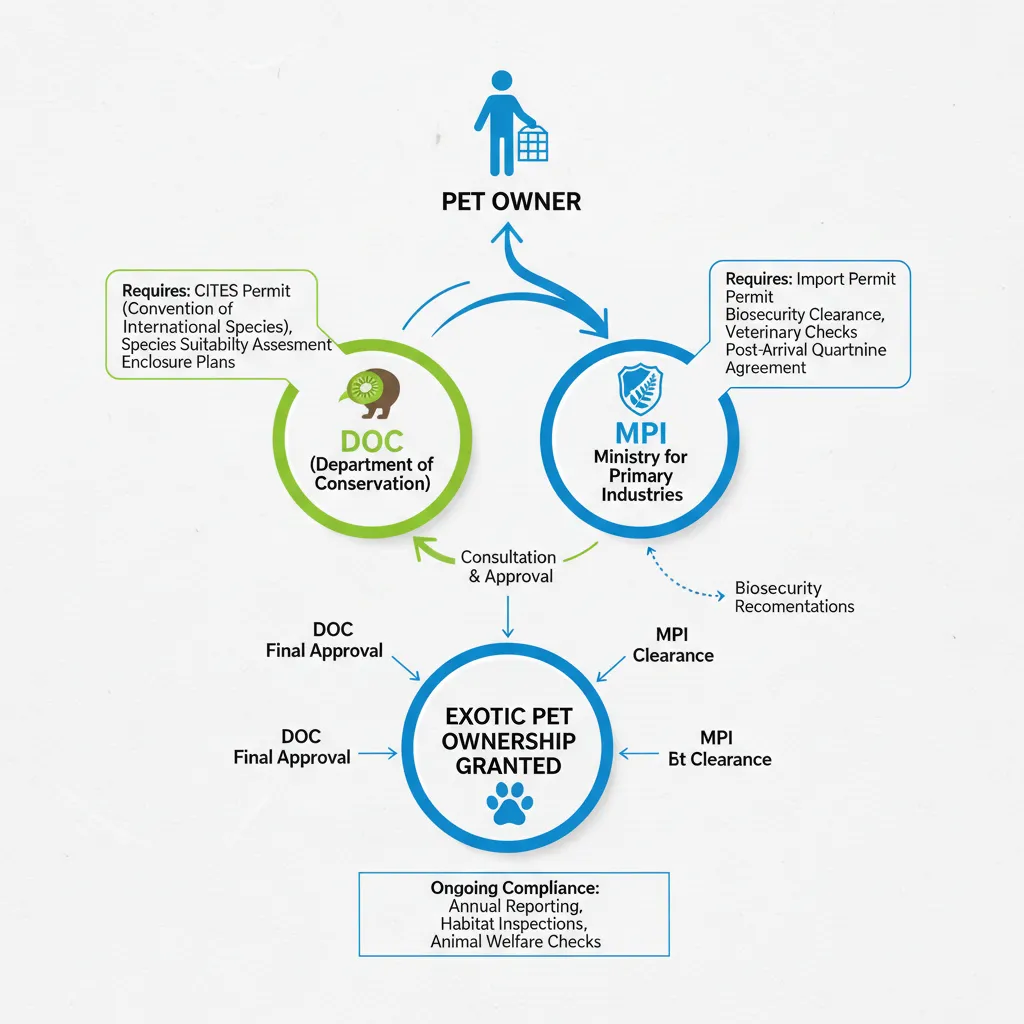
Exotic pet regulations in New Zealand are stringent, primarily designed to protect the country’s unique biodiversity from invasive species and ensure animal welfare. Aspiring exotic pet owners must navigate a complex framework of permits, prohibitions, and biosecurity protocols enforced by agencies like the Department of Conservation (DOC) and the Ministry for Primary Industries (MPI) before acquiring non-native animals.
Understanding Exotic Pet Regulations in New Zealand
New Zealand’s isolated geographical history has fostered an unparalleled ecosystem, making its biosecurity laws some of the strictest globally. When it comes to exotic pets, this means a rigorous approach to what can enter the country and what can be kept by private individuals. The primary objective is to prevent the introduction of diseases, parasites, and species that could threaten native flora and fauna, or become a pest itself.
What Constitutes an “Exotic Pet” in NZ?
An “exotic pet” in New Zealand generally refers to any animal species that is not native to the country. This can encompass a wide range of creatures, from certain reptiles and amphibians to specific bird species, insects, and even some mammals not traditionally classified as common domestic pets like cats, dogs, or livestock. The classification is not always intuitive; for instance, some common international pets like ferrets are considered pests and highly restricted, while others like various types of fish or certain invertebrates may have specific, but less restrictive, rules. It’s crucial for prospective owners to confirm the legal status of any species before considering ownership.
The Role of the Department of Conservation (DOC)
The Department of Conservation (DOC) is the principal agency responsible for managing and regulating wildlife in New Zealand, including many exotic species that fall under the Wildlife Act 1953. DOC’s role is to protect native wildlife and ensure that any non-native species present in New Zealand do not pose a threat to the country’s biodiversity. This involves issuing permits for the keeping of certain exotic animals, monitoring compliance, and responding to reports of illegal possession or trade. Owners of exotic animals listed under the Wildlife Act must adhere to specific conditions set by DOC, which can include housing requirements, breeding restrictions, and identification methods.
Prohibited and Restricted Species
A significant number of exotic species are outright prohibited from import or ownership in New Zealand due to their potential to become pests, spread disease, or outcompete native species. These typically include venomous snakes, most non-native mammals (other than established domestic species), many types of lizards, and certain bird species. Other species may be restricted, meaning they can only be imported or kept under very specific conditions, often requiring extensive permits and specialized facilities. The Ministry for Primary Industries (MPI) maintains a comprehensive list of prohibited and restricted organisms, which is regularly updated. Before even dreaming of an exotic pet, consulting the MPI and DOC regulations is the absolute first step.
Obtaining Permits and Licenses (CITES, Wildlife Act)
For exotic pets that are not explicitly prohibited, obtaining the necessary permits and licenses is a complex, multi-step process. Many exotic species are protected under the Convention on International Trade in Endangered Species of Wild Fauna and Flora (CITES), which New Zealand is a signatory to. If a species is CITES-listed, both an import permit from MPI and an export permit from the animal’s country of origin are required. Furthermore, the New Zealand Wildlife Act 1953 dictates specific permits for keeping, breeding, or moving many exotic species within the country. Applications involve detailed proposals outlining housing, care, security measures, and the animal’s provenance. The process can be lengthy and requires meticulous attention to detail and patience.
Biosecurity Implications and Import Procedures
Importing any live animal into New Zealand involves stringent biosecurity protocols managed by the Ministry for Primary Industries (MPI). These procedures are designed to prevent the introduction of exotic diseases and pests that could devastate New Zealand’s agricultural sector and natural environment. For exotic pets, this typically means a period of pre-export isolation, veterinary checks, specific treatments, and often a post-arrival quarantine period in an MPI-approved facility. The costs associated with these procedures can be substantial, and failure to comply with even minor details can result in the animal being refused entry, re-exported, or even euthanized. It underscores the importance of working closely with MPI and licensed importers.
Beyond Legality: Unique Environmental and Dietary Needs
Even if an exotic pet is legally permissible, its welfare hinges entirely on providing an environment that meticulously mimics its natural habitat and a diet that meets its specific nutritional requirements. Unlike common domestic animals, exotic species often have highly specialized needs that, if neglected, can lead to severe health issues, behavioral problems, and a significantly reduced lifespan. Understanding and committing to these needs is a cornerstone of responsible exotic pet ownership.
Creating Species-Appropriate Habitats
A species-appropriate habitat is more than just a cage; it’s a carefully constructed ecosystem designed to replicate the animal’s natural environment. This involves precise control over temperature, humidity, lighting (including specific UV-B spectrums for many reptiles), substrate type, and ample space for natural behaviors like climbing, burrowing, or swimming. For example, a tropical reptile requires a heated enclosure with high humidity, while a desert species needs arid conditions. Many enclosures need to be far larger than one might initially imagine to allow for adequate exercise and enrichment, preventing stress and muscle atrophy. Researching the exact needs of your chosen species from reputable sources is paramount.
Specialized Diets for Exotic Species
The dietary requirements of exotic pets are often complex and species-specific, far removed from generic pet foods. Many reptiles, for instance, are insectivores, carnivores, or herbivores with very precise nutrient ratios needed. Birds might require specific seed mixes, fresh fruits, vegetables, and sometimes insect protein. Mammalian exotics can have unique digestive systems demanding particular fiber, protein, and vitamin balances. Incorrect feeding, whether through inappropriate food items or unbalanced nutrition, is a leading cause of illness in exotic pets, often resulting in metabolic bone disease, organ failure, or obesity. Sourcing these specialized foods can also be a challenge and an ongoing expense in New Zealand.
Environmental Enrichment and Psychological Well-being
Beyond basic physiological needs, exotic pets require significant environmental enrichment to ensure their psychological well-being. This involves providing opportunities for natural behaviors such as foraging, climbing, hiding, exploring, and even social interaction (if it’s a social species). Lack of enrichment can lead to stress, boredom, stereotypical behaviors, and aggression. Enrichment items might include natural branches, rocks, specific plants, puzzle feeders, and rotating toys. Understanding the species’ natural history, including its social structure and daily activity patterns, is key to providing meaningful enrichment that prevents psychological distress.
The Dangers of Inadequate Care
Inadequate care for exotic pets is not only unethical but can also have severe consequences for the animal’s health and the owner’s legal standing. Animals kept in unsuitable conditions can suffer from chronic stress, malnourishment, respiratory infections, skin conditions, and a host of other ailments. In New Zealand, animal welfare legislation, such as the Animal Welfare Act 1999, applies to all animals, including exotics. Owners found to be providing inadequate care can face significant penalties, including fines and imprisonment, highlighting the serious responsibility inherent in exotic pet ownership.
The Critical Role of Specialist Exotic Vets
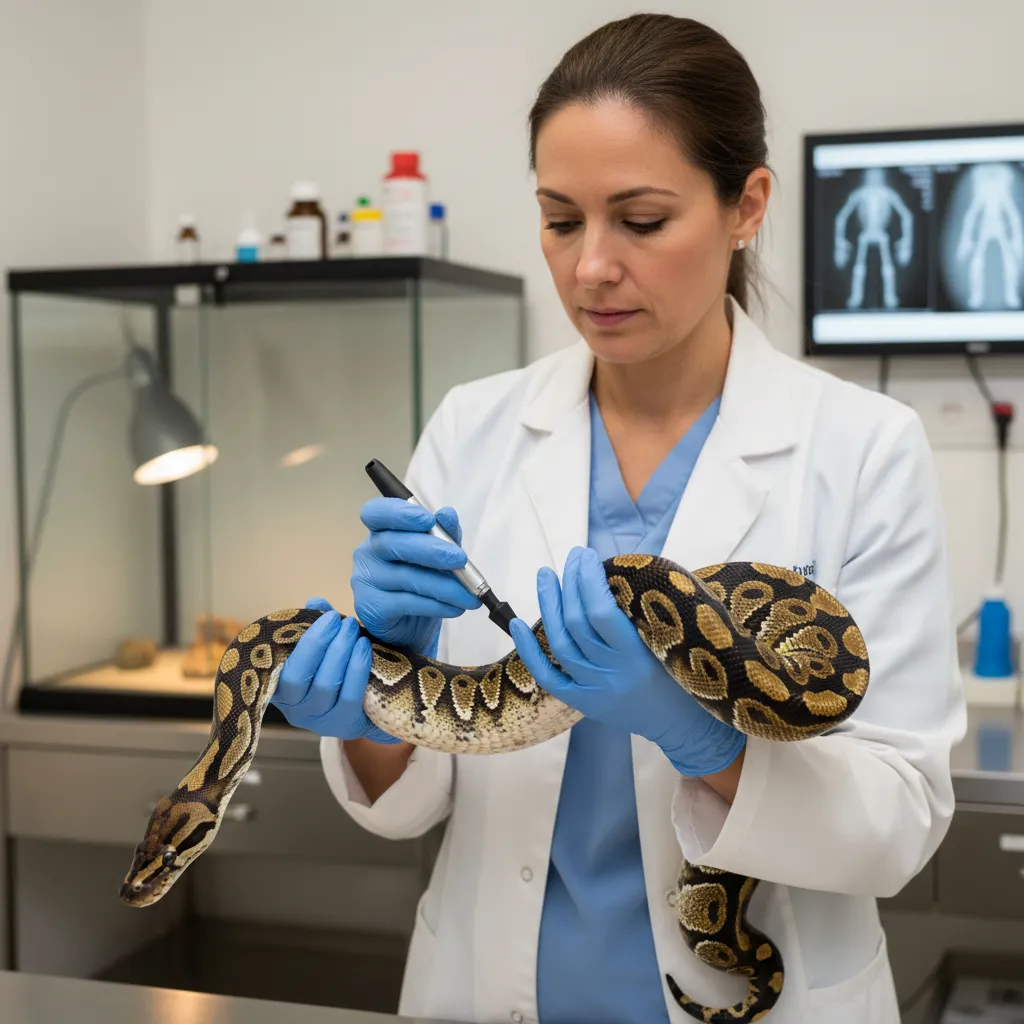
Finding appropriate veterinary care is arguably one of the most significant challenges and responsibilities of exotic pet ownership in New Zealand. Unlike cats and dogs, exotic animals have unique anatomies, physiologies, and disease processes that require specialized knowledge and equipment. Relying on a general practice veterinarian who primarily treats traditional pets can be detrimental, and sometimes fatal, for an exotic animal.
Why Regular Vets Often Aren’t Enough
General practice veterinarians receive extensive training in common domestic animals but often have limited exposure to exotic species during their standard curriculum. The diagnostic tools, medications, and surgical techniques suitable for a dog or cat are often entirely inappropriate for a reptile, bird, or small mammal. For instance, dosing for a small bird requires extreme precision, and many common medications are toxic to specific exotic species. Furthermore, recognizing subtle signs of illness in an animal that naturally hides symptoms (a survival instinct) requires a deep understanding of that species’ specific behaviors and physiology. An untrained vet might misdiagnose or inadvertently harm an exotic pet due to lack of specialized knowledge.
Locating and Vetting Exotic Animal Practitioners
Identifying a qualified exotic animal veterinarian is a critical first step. In New Zealand, resources like the New Zealand Veterinary Association (NZVA) or online directories often list veterinarians with special interests or qualifications in exotic or unusual pets. It is advisable to look for vets who are members of international exotic animal veterinary associations or have specific postgraduate training. When contacting potential vets, inquire about their experience with your specific species, their available equipment (e.g., specialized anesthetics for small patients, diagnostic imaging for reptiles), and their emergency protocols. A good exotic vet should be transparent about their capabilities and limitations.
Preventative Care and Common Ailments
Preventative care is paramount for exotic pets, as they often mask illness until it’s very advanced. This includes regular health check-ups (often annually), fecal exams for parasites, and sometimes blood work depending on the species and age. Your specialist vet can provide guidance on nutrition, habitat maintenance, and early detection of common ailments specific to your pet. For example, metabolic bone disease is prevalent in reptiles with improper UV lighting and calcium/phosphorus ratios, while respiratory infections can plague birds and small mammals in suboptimal humidity or temperature. Proactive care, guided by an expert, can prevent many serious health issues.
Emergency Preparedness
Emergencies can arise with any pet, but for exotics, swift and specialized care is even more crucial. It’s essential to know if your primary exotic vet offers after-hours emergency services or if they have a referral network to an emergency clinic that can handle exotic animals. Be aware that emergency exotic care can be significantly more expensive due to the specialized nature of the expertise and equipment required. Having an emergency plan, including a designated exotic animal emergency fund, is a responsible aspect of ownership.
Navigating the Risks and Embracing Responsibilities
Beyond the immediate legal and welfare considerations, exotic pet ownership in New Zealand carries a broader spectrum of risks and responsibilities. These extend to public health, environmental impact, and the long-term ethical implications of keeping animals far removed from their natural state. A truly responsible owner considers these facets deeply before committing to an exotic pet.
Zoonotic Diseases and Public Health
Many exotic animals can carry zoonotic diseases, which are illnesses transmissible from animals to humans. Examples include Salmonella (common in reptiles and amphibians), psittacosis (from birds), and various parasites. While not all exotic pets pose a significant zoonotic risk, proper hygiene, handling, and veterinary care are crucial to minimizing potential transmission. Owners must be educated on the specific zoonotic risks associated with their chosen species and implement strict biosecurity measures within their homes, especially where children, elderly individuals, or immunocompromised people are present.
Impact on Native Ecosystems (Escapees)
The potential for escaped exotic pets to establish wild populations and negatively impact New Zealand’s native ecosystems is a grave concern. Even seemingly innocuous species can become invasive, competing with native wildlife for resources, predating on vulnerable species, or introducing novel diseases. New Zealand has a painful history with introduced species, from stoats to possums, highlighting the fragility of its unique environment. Owners of exotic pets bear a profound responsibility to ensure their animals are securely housed and prevented from escaping, thereby safeguarding the nation’s precious biodiversity. The Department of Conservation provides extensive information on invasive species and threats.
Long-Term Commitment and Financial Burdens
Exotic pets often have surprisingly long lifespans – some turtles can live for decades, and certain parrots for 50 years or more. This represents an enormous long-term commitment. Furthermore, the specialized housing, diet, heating, lighting, and veterinary care can incur significant financial costs, often far exceeding those for traditional pets. Initial setup costs can run into thousands of dollars, followed by substantial ongoing expenses. Owners must realistically assess their ability to provide for an exotic pet’s needs for its entire lifespan, including planning for unexpected vet bills or changes in living circumstances. Rescuing abandoned exotic pets is a growing challenge for organizations like Pet Rescue NZ.
Ethical Considerations of Exotic Pet Ownership
Beyond legality and practicalities, ethical considerations form a crucial part of responsible exotic pet ownership. Is it truly ethical to remove an animal from its natural habitat, or to breed it in captivity, solely for human companionship? Can we truly replicate the complex needs of a wild animal in a domestic setting? While captive-bred animals may be a more ethical choice than wild-caught, the fundamental question remains whether an individual can provide a life that allows the animal to thrive, not just survive. A deep understanding of the species’ natural history, including its social structures, migratory patterns, and cognitive abilities, can help owners make informed and compassionate decisions about exotic pet ownership. Responsible sourcing from reputable breeders who prioritize animal welfare and conservation, and avoiding the illegal wildlife trade, is paramount. The Ministry for Primary Industries offers resources on animal welfare standards in New Zealand.
Exotic pet ownership in New Zealand is a privilege, not a right, demanding an extraordinary level of dedication, knowledge, and financial commitment. By diligently adhering to regulations, understanding and meeting unique welfare needs, securing specialist veterinary care, and embracing the wider ecological and ethical responsibilities, owners can contribute to both their pet’s well-being and the protection of New Zealand’s unique natural heritage. It’s a journey for the truly committed, informed, and responsible animal enthusiast.
People Also Ask
What exotic pets are illegal to own in NZ?
Many exotic pets are illegal to own or import into New Zealand, primarily due to biosecurity risks and the potential threat to native ecosystems. This list includes most non-native mammals (e.g., ferrets, certain rodents, primates), venomous snakes, many species of lizards and turtles, and specific bird species. The Ministry for Primary Industries (MPI) and the Department of Conservation (DOC) maintain comprehensive lists of prohibited species. Always check official government websites for the most current information before considering any exotic pet.
Do I need a permit for an exotic pet in New Zealand?
Yes, for many exotic pet species in New Zealand, you absolutely need permits from relevant authorities. The Department of Conservation (DOC) issues permits under the Wildlife Act 1953 for certain exotic animals, and the Ministry for Primary Industries (MPI) handles import permits and biosecurity requirements, especially for CITES-listed species. The type and number of permits depend heavily on the specific animal. Attempting to own or import exotic pets without the correct permits can lead to severe penalties.
What are the biosecurity rules for importing exotic pets to NZ?
New Zealand has some of the world’s strictest biosecurity rules for importing animals. For exotic pets, this typically involves a multi-stage process managed by the Ministry for Primary Industries (MPI). Requirements often include pre-export veterinary examinations, specific treatments, isolation periods in the country of origin, and a mandatory post-arrival quarantine period in an MPI-approved facility. These measures are critical to prevent the introduction of diseases and pests. The exact procedures vary by species and must be meticulously followed.
Are reptiles allowed as pets in NZ?
While some native reptiles are protected, most non-native reptiles are generally prohibited from being kept as pets in New Zealand. This includes common international pet reptiles like snakes, geckos, and turtles, due to their potential to become invasive species or introduce diseases. There are very few exceptions, and these usually involve highly specific permits and secure, contained environments. Always verify with the Department of Conservation (DOC) and the Ministry for Primary Industries (MPI) for current regulations.
What are the welfare requirements for exotic pets in NZ?
All animals in New Zealand, including exotic pets, are covered by the Animal Welfare Act 1999. This act mandates that owners provide for the physical health and behavioral needs of their animals, including proper nutrition, suitable housing, protection from disease and injury, and the ability to express normal patterns of behavior. For exotic pets, these requirements are often highly specialized, demanding owners to provide species-specific temperature, humidity, lighting, diet, and environmental enrichment to ensure their well-being.
Where can I find a specialist exotic vet in New Zealand?
Finding a specialist exotic vet in New Zealand can be challenging but is crucial for the health of your pet. Resources include the New Zealand Veterinary Association (NZVA) website, which may list vets with special interests in exotic animals. Online directories or forums dedicated to specific exotic pet communities in NZ might also provide recommendations. It’s important to interview potential vets to ensure they have specific experience with your pet’s species, specialized equipment, and emergency care protocols.