To find a vet in NZ, begin by identifying clinics in your local area through online directories like the NZ Veterinary Association website, Google Maps, or community recommendations. Prioritise practices offering services aligned with your pet’s needs, assessing their reputation, emergency care availability, and the overall empathy of their staff to ensure the best care for your animal companion.
How to Choose the Right Vet in New Zealand
Finding the perfect veterinary practice for your beloved pet is a crucial decision for any animal owner in New Zealand. A great vet isn’t just a medical practitioner; they become a trusted partner in your pet’s health journey. This section will guide you through the key factors to consider, ensuring you make an informed choice that aligns with both your pet’s needs and your personal preferences.
Location and Accessibility: Proximity Matters
For routine check-ups and especially in emergencies, the proximity of your vet clinic is paramount. Consider a practice that is conveniently located to your home or workplace, reducing travel stress for both you and your pet. Evaluate their operating hours, including any extended or weekend appointments, which can be invaluable for busy schedules. Easy parking access and disability-friendly facilities are also practical considerations.
Services Offered: A Comprehensive Approach
Modern veterinary medicine encompasses a wide array of services. When selecting a vet, assess the breadth of care they provide. Look for clinics offering comprehensive preventative medicine, including vaccinations, parasite control, and wellness exams. Surgical capabilities, dental care, diagnostic imaging (X-rays, ultrasound), in-house laboratory services, and dietary counselling are also important. Some clinics may even offer specialised services like acupuncture, physiotherapy, or behaviour consultations, which could be beneficial depending on your pet’s specific requirements.
Reputation and Reviews: Insights from Fellow Pet Owners
Leverage the power of community feedback. Online reviews on platforms like Google, Facebook, or dedicated veterinary review sites can offer valuable insights into a clinic’s strengths and weaknesses. Pay attention to comments regarding staff friendliness, wait times, communication, and the overall standard of care. Word-of-mouth recommendations from friends, family, or local pet groups can also be incredibly helpful, often providing a more personal and trusted perspective.
Clinic Atmosphere and Staff Empathy: A Welcoming Environment
The environment of a veterinary clinic can significantly impact your pet’s comfort and your peace of mind. A clean, calm, and well-organised clinic suggests professionalism. More importantly, observe the staff. Are they friendly, compassionate, and patient? Do they interact gently with animals? A veterinary team that demonstrates genuine care and empathy can make a world of difference, especially during stressful situations or difficult diagnoses. Don’t hesitate to schedule a brief ‘meet and greet’ tour without your pet to gauge the atmosphere and speak with the team.
Cost and Transparency: Understanding Fees
Veterinary care, while essential, can be an investment. Discuss fee structures transparently with potential clinics. Inquire about consultation fees, common procedure costs, and payment options. While cost shouldn’t be the sole determining factor, understanding it upfront helps in financial planning and avoids unexpected surprises. Some clinics may offer payment plans or accept pet insurance, which we will discuss further in this guide.
Accreditation and Professional Affiliations: A Mark of Quality
In New Zealand, the Veterinary Council of New Zealand regulates veterinary professionals and practices. Membership in organisations like the New Zealand Veterinary Association (NZVA) often indicates a commitment to professional development and adherence to high standards of care. While not mandatory, it can be an additional indicator of a practice’s dedication to excellence.
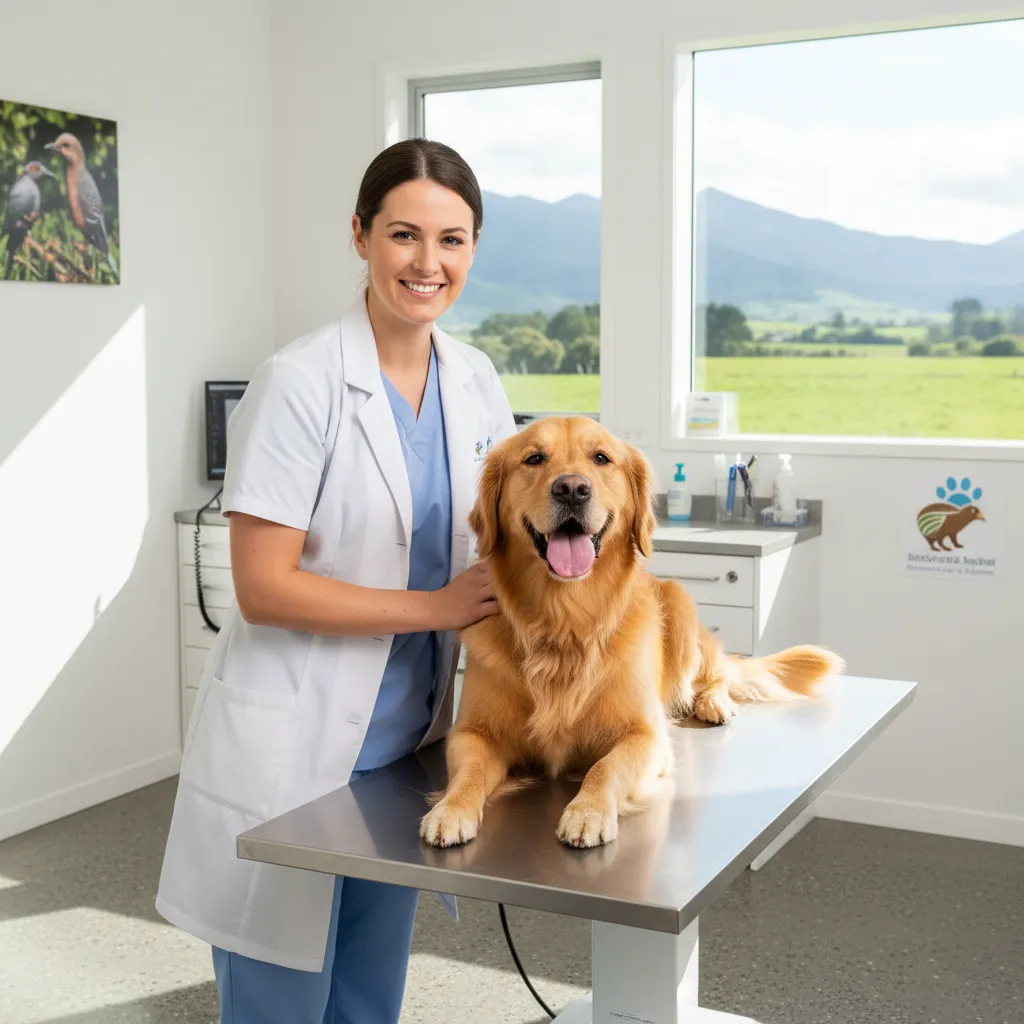
Directory of NZ Veterinary Practices: How to Search
Once you understand what makes a great veterinary clinic, the next step is actively searching for one. New Zealand offers a robust network of veterinary services, from bustling city practices to rural mobile vets. Knowing where and how to search effectively will streamline your process and connect you with the right professionals.
Online Directories: Your First Port of Call
The most efficient way to begin your search is through online directories. The New Zealand Veterinary Association (NZVA) website is an excellent starting point, often featuring a ‘Find a Vet’ tool that allows you to search by location. Other general business directories and local community websites may also list veterinary practices. Always check the official website of any listed clinic for the most up-to-date information on services, hours, and contact details.
Google Maps and Local Search: Pinpointing Proximity
Utilise mapping services like Google Maps by simply searching “vets near me” or “animal hospital [your city/suburb] NZ.” These tools provide a visual overview of clinics in your vicinity, along with addresses, phone numbers, website links, and user reviews. This is particularly helpful for visualising the travel distance and reading quick summaries of other pet owners’ experiences.
Local Recommendations and Community Networks
Don’t underestimate the power of local knowledge. Speak to pet-owning neighbours, friends, dog walkers, pet groomers, or even staff at local pet supply stores. These individuals often have personal experiences and can offer first-hand recommendations or warnings about local practices. Local community Facebook groups or online forums can also be valuable resources for soliciting advice and hearing diverse opinions.
Specialised Clinics and Mobile Vets
Depending on your pet’s needs, you might seek out specialised clinics. For exotic pets (birds, reptiles, small mammals), some practices have veterinarians with specific expertise. Similarly, large animal vets cater to farm animals. For pets that find clinic visits stressful or for owners with mobility issues, mobile veterinary services that come to your home are an increasingly popular option in many areas of NZ. Be sure to specify these needs in your search.
What to Look For on a Clinic’s Online Presence
When you visit a potential vet’s website, look for clear indications of their philosophy, team profiles (including qualifications and special interests), a detailed list of services, transparent pricing information (if available), and an easy-to-use contact form or phone number. A professional and informative website is often a good reflection of the clinic’s overall approach to care.
Emergency Vet Services Explained: When Every Second Counts
Despite our best efforts, emergencies can happen. Knowing when and where to seek urgent veterinary care in New Zealand is critical for your pet’s well-being. Being prepared before an emergency strikes can significantly improve outcomes.
When to Seek Emergency Care: Recognising the Signs
It’s vital to recognise the signs that warrant immediate veterinary attention. These include, but are not limited to: severe trauma (e.g., car accident, fall), difficulty breathing, persistent vomiting or diarrhoea (especially with blood), ingestion of toxins (e.g., rat bait, chocolate, certain plants), collapse or loss of consciousness, uncontrolled bleeding, seizures, difficulty urinating or defecating, severe pain, sudden paralysis, or a distended abdomen (especially in large, deep-chested dogs, indicative of bloat). If you are ever in doubt, it is always safer to call your vet or an emergency clinic for advice.
How to Find an Emergency Vet: After-Hours and Dedicated Clinics
Most general veterinary practices in NZ will have arrangements for after-hours emergencies. This might involve their own vets being on call, or more commonly, a referral to a dedicated 24-hour emergency veterinary clinic in your region. It is highly recommended to know your local emergency vet’s contact details and location *before* you need them. Save their number in your phone. These dedicated emergency clinics are staffed around the clock, with facilities and expertise specifically for critical care.
What to Do in an Emergency: First Aid and Transport
While waiting to get to the vet, there are a few things you can do. For bleeding, apply direct pressure with a clean cloth. For suspected broken bones, try to keep the pet still. Always approach an injured or distressed animal with caution, as even the gentlest pet may bite out of fear or pain. Use a muzzle if necessary and available. Transport your pet safely in a secure carrier or on a makeshift stretcher. Inform the emergency clinic you are on your way, providing them with your pet’s symptoms so they can prepare for your arrival.
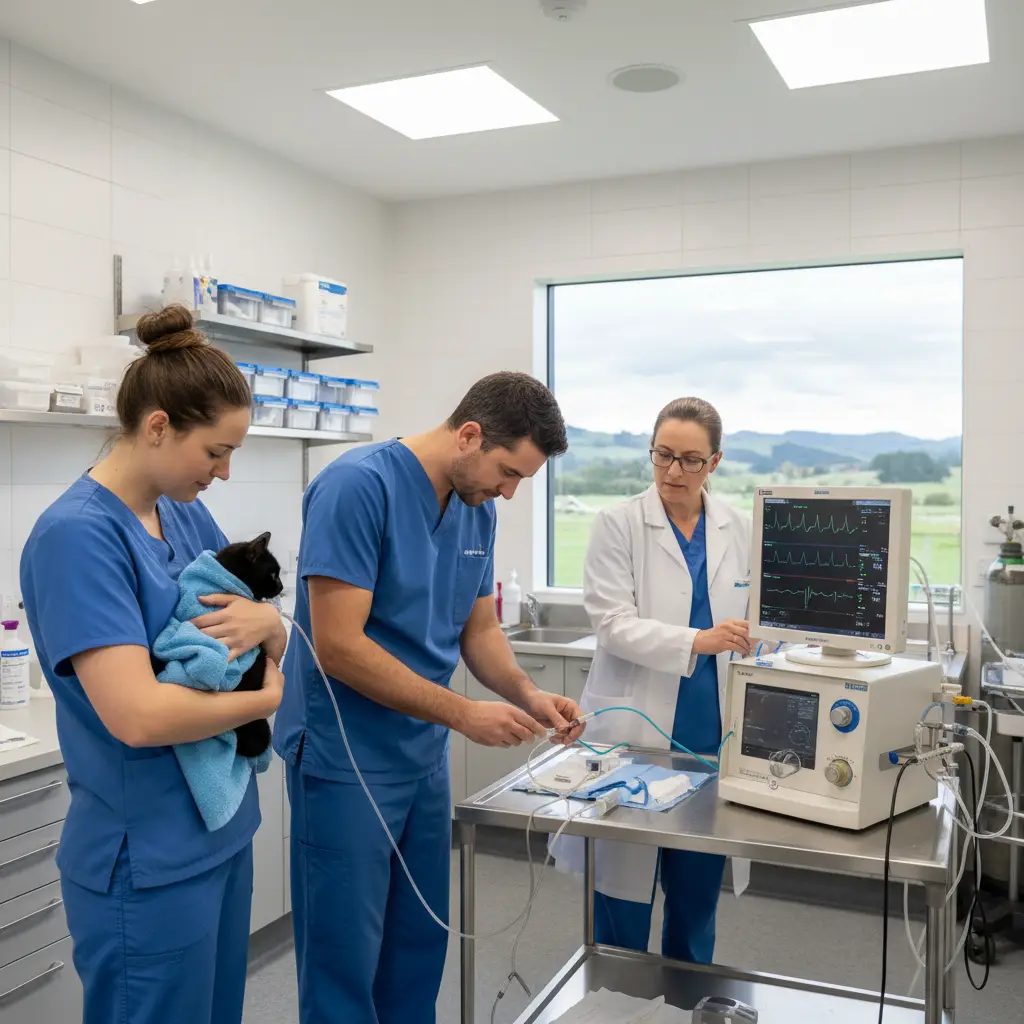
What to Expect at a Vet Visit: Preparing for Your Pet’s Care
Understanding what happens during a typical veterinary visit can help reduce anxiety for both you and your pet. Whether it’s a routine check-up or a specific medical concern, preparation is key to a smooth and effective consultation.
Routine Check-ups: The Foundation of Preventative Care
Annual or bi-annual wellness exams are crucial for maintaining your pet’s long-term health. During a routine check-up, your vet will typically perform a thorough physical examination, checking everything from nose to tail: teeth and gums, eyes, ears, coat, skin, heart, lungs, and abdomen. They will discuss vaccination schedules, parasite control (fleas, ticks, worms), nutrition, and any behavioural concerns. This is an excellent opportunity to ask questions and address minor issues before they become major problems.
Diagnostic Procedures: Getting to the Root of the Problem
If your pet is unwell, your vet may recommend diagnostic tests. These can include blood tests (to check organ function, blood counts), urine tests, fecal tests, and imaging such as X-rays (for bones, internal organs) or ultrasound (for soft tissue and organ detail). These tools help your vet accurately diagnose conditions and formulate the most effective treatment plan. The vet will explain why each test is necessary and what information they hope to gain.
Treatments: From Medication to Surgery
Based on the diagnosis, your vet will recommend a course of treatment. This could range from prescribing medication (oral, topical, or injectable), dietary changes, or physical therapy, to more invasive procedures like surgery. For surgical procedures, your vet will discuss the risks, benefits, and post-operative care instructions in detail. Always ensure you understand the treatment plan, including how to administer medication, potential side effects, and follow-up appointments.
Communication with Your Vet: A Two-Way Street
Effective communication is vital. Be prepared to provide a detailed history of your pet’s symptoms, changes in behaviour, diet, and any previous medical conditions. Don’t hesitate to ask questions, seek clarification, or express concerns. A good vet will take the time to explain diagnoses, treatment options, and prognoses in clear, understandable language. If you have multiple questions, it can be helpful to write them down beforehand.
Preparing Your Pet for a Visit: Reducing Stress
For many pets, a vet visit can be stressful. You can help by making carrier training a positive experience with treats and praise. For dogs, practice car rides that don’t always end at the vet. If your pet gets particularly anxious, discuss options with your vet beforehand, such as bringing them in hungry for treats, using calming pheromones, or even pre-visit sedatives for extreme cases. Socialisation and positive reinforcement can make future visits much smoother.
Beyond the Visit: Holistic Pet Care in NZ
While regular veterinary visits are foundational, a truly healthy pet thrives on a holistic approach that extends beyond the clinic. In New Zealand, a focus on comprehensive pet wellness ensures a happy, long life for your animal companion.
Nutrition and Exercise: Cornerstones of Health
Proper nutrition is paramount. Discuss your pet’s dietary needs with your vet, considering their age, breed, activity level, and any specific health conditions. A balanced diet prevents many health issues. Coupled with nutrition, regular exercise tailored to your pet’s species and breed is essential for maintaining a healthy weight, strong muscles, and mental stimulation. New Zealand’s diverse landscapes offer ample opportunities for walks, runs, and playtime.
Mental Stimulation and Enrichment: A Happy Mind
Pets, like humans, require mental stimulation to prevent boredom and behavioural problems. Provide toys, puzzles, and opportunities for training and socialisation. For dogs, dog parks (where appropriate and safe), obedience classes, and interactive games are excellent. Cats benefit from scratching posts, climbing trees, and predatory play. A mentally stimulated pet is generally a happier and healthier pet.
Understanding Vet Costs and Pet Insurance
Veterinary care, while indispensable, can incur significant costs, especially in an emergency. Being financially prepared is a key aspect of responsible pet ownership in New Zealand.
Managing Veterinary Expenses
Routine care costs (vaccinations, annual check-ups, parasite treatments) are predictable and can be budgeted for. However, unexpected illnesses or injuries can lead to substantial bills for diagnostics, surgery, and long-term treatment. Many pet owners find themselves in difficult positions when faced with large, unforeseen expenses.
The Role of Pet Insurance in New Zealand
Pet insurance is a growing solution for many New Zealand pet owners, providing financial peace of mind. Policies typically cover a percentage of eligible veterinary expenses for accidents, illnesses, and sometimes even routine care. It’s important to research different providers and policy types carefully. Look into:
- Coverage details: What is included (accidents, illnesses, routine care, dental)? Are there exclusions (pre-existing conditions, certain breed-specific ailments)?
- Excess/Deductible: The amount you pay upfront before the insurance kicks in.
- Reimbursement percentage: The portion of the vet bill the insurer will pay (e.g., 80% or 90%).
- Annual limits: The maximum amount the policy will pay out in a year.
Comparing quotes and understanding the fine print is essential to finding a policy that best suits your pet’s needs and your budget. Having pet insurance can allow you to make medical decisions based on what’s best for your pet, rather than solely on financial constraints.
Supporting Pet Welfare and Rescue Initiatives
The spirit of ‘Pet Rescue NZ’ extends beyond individual pet ownership to a broader community commitment to animal welfare. Supporting local rescue organisations and understanding broader animal health initiatives contributes to a healthier pet population.
The Importance of Pet Rescue Organisations
Organisations like the SPCA New Zealand and numerous smaller, independent rescue groups play a vital role in caring for abandoned, neglected, or surrendered animals. They provide shelter, veterinary care, rehabilitation, and ultimately, find forever homes for countless pets. Supporting these groups through volunteering, donations, or adopting a rescue animal directly impacts animal welfare in New Zealand.
Community Initiatives and Responsible Ownership
Many communities in NZ run initiatives promoting responsible pet ownership, such as discounted microchipping and desexing programs. These are crucial for controlling stray populations, preventing disease, and ensuring pets can be reunited with their owners if lost. Engaging with these programs and ensuring your own pet is microchipped, registered, and desexed are fundamental aspects of contributing to overall animal welfare.
Advocacy for Animal Health and Welfare
Staying informed about animal welfare issues and advocating for stronger animal protection laws also contributes to a better environment for all animals. Your commitment to finding the best vet, providing holistic care, and supporting community efforts collectively strengthens the fabric of responsible pet ownership across New Zealand.
Finding the right vet and ensuring comprehensive care for your animal companion in New Zealand is a journey of responsibility and love. By following the guidance provided in this definitive guide, from choosing a trusted veterinary practice to understanding emergency services and embracing holistic pet care, you empower yourself to make the best decisions for your pet’s health and happiness. Your proactive approach ensures your cherished animal companion receives the highest standard of care throughout their life.
People Also Ask
How often should a dog see the vet in NZ?
Generally, adult dogs in NZ should see the vet at least once a year for a routine wellness check-up, vaccinations, and parasite control. Puppies require more frequent visits for their initial vaccination series and deworming. Senior dogs or those with chronic conditions may benefit from bi-annual check-ups to monitor their health more closely.
What are the typical costs for a vet visit in New Zealand?
The cost of a vet visit in New Zealand can vary. A standard consultation fee typically ranges from $60 to $100. Vaccinations might add another $40-$80. Procedures like desexing or dental work will cost significantly more, often several hundred dollars. Emergency visits are usually higher. It’s best to discuss fees directly with your chosen clinic.
Is pet insurance worth it in NZ?
Many pet owners in New Zealand find pet insurance to be a worthwhile investment, especially for unexpected accidents or serious illnesses. It can help manage large, unforeseen veterinary bills, allowing you to focus on your pet’s health rather than financial stress. The value depends on your pet’s age, breed, health, and your personal financial situation.
How do I find an after-hours vet in my area?
To find an after-hours vet in NZ, first check your regular vet’s website or answering machine for their emergency contact information. Most practices will direct you to a local 24-hour emergency veterinary clinic. You can also search online for “emergency vet [your city] NZ” or “after-hours vet [your city] NZ” to find dedicated emergency facilities.
What questions should I ask a new vet?
When interviewing a new vet, consider asking about their clinic’s philosophy of care, services offered (including emergency and specialist referrals), payment options, how they handle communication, and what their approach to preventative medicine is. You might also inquire about their experience with your pet’s specific breed or species.
What is microchipping and why is it important in NZ?
Microchipping is the implantation of a tiny, rice-sized chip under your pet’s skin, containing a unique identification number. In NZ, it is a legal requirement for all dogs (and highly recommended for cats) to be microchipped. It’s crucial for reuniting lost pets with their owners, as animal shelters and vets can scan the chip to retrieve owner contact details from a national database.