To surrender a dog in NZ, you must first contact the SPCA or a registered animal rescue to request an appointment, as walk-ins are rarely accepted. You will need to provide the dog’s vaccination records, medical history, and proof of ownership. The dog must then pass a behavioral and medical assessment to be deemed suitable for rehoming.
Understanding the Surrender Process in New Zealand
Making the decision to surrender a dog is one of the most difficult choices a pet owner can face. Whether due to financial hardship, housing changes, behavioral issues, or personal health crises, the process is emotional and often misunderstood. In New Zealand, the landscape of animal welfare is comprised of the SPCA (Society for the Prevention of Cruelty to Animals), local council pounds, and a network of private charitable rescues. Understanding how these entities operate is critical to ensuring the best possible outcome for your dog.
It is important to dispel the myth that you can simply drop a dog off at a shelter at any time. New Zealand shelters are frequently at capacity. The “surrender dog nz” process is formal, regulated, and requires preparation. Most organizations operate on a managed admission basis, meaning they prioritize animals based on vulnerability and available space. Surrendering a dog is not a quick fix; it is a legal transfer of guardianship that involves strict protocols to ensure the safety of the community and the welfare of the animal.
Furthermore, owners should be aware of the difference between “open admission” shelters and private rescues. The SPCA is an organization that attempts to help as many animals as possible, but they also have strict criteria regarding health and temperament. Private rescues often have “no-kill” policies but consequently have extremely limited intake numbers and long waiting lists. Navigating this system requires patience and transparency.
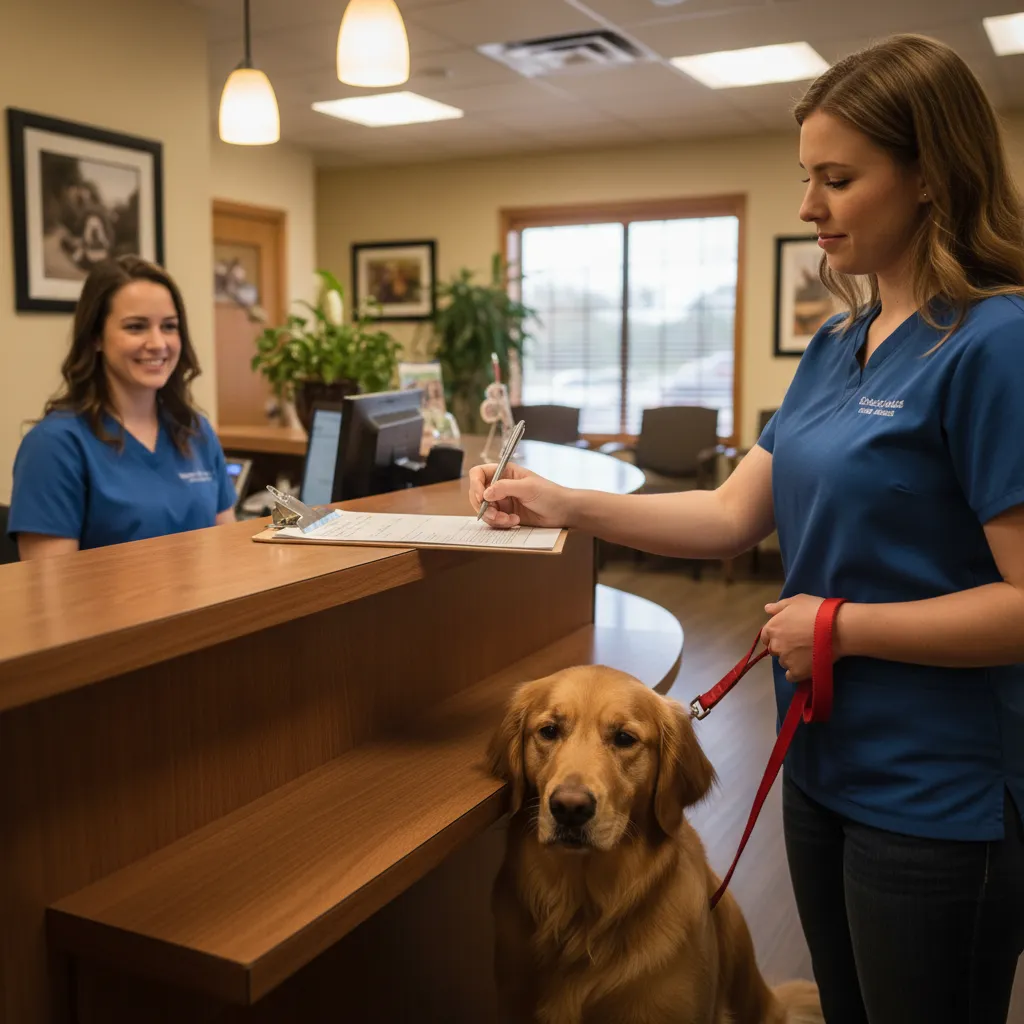
Step 1: Contacting the SPCA and Local Rescues
The first tangible step in the process is outreach. You cannot simply show up at a facility with your dog. Doing so places immense strain on staff and may result in your dog being turned away if there are no available kennels/runs.
Identifying the Right Organization
In New Zealand, your primary options are:
- SPCA New Zealand: The largest animal welfare charity in the country. They have centers nationwide. However, their primary focus is often on sick, injured, or abused animals. Owner surrenders are accepted, but usually by appointment only and subject to capacity.
- Breed-Specific Rescues: If you have a specific breed (e.g., Greyhound, Labrador, Husky), look for NZ groups dedicated to that breed. They often have a network of foster homes better suited to the dog’s specific needs.
- Community Rescues: Organizations like HUHA (Helping You Help Animals) or Second Chance Dog Rescue operate differently from the SPCA and rely heavily on foster networks.
Making the Call
When you contact these organizations, honesty is paramount. You will be asked a series of screening questions:
- Why are you surrendering the dog?
- Is the dog desexed and microchipped?
- Does the dog have a history of aggression towards humans or other animals?
- What is the dog’s medical status?
If you lie about aggression to get the dog into a shelter, you put staff and volunteers at risk. If the aggression is discovered later (which it almost always is), the dog may be euthanized immediately because it cannot be safely rehomed. Be truthful so the rescue can determine if they have the resources to handle your specific dog.
For a comprehensive list of centers, you can visit the official SPCA New Zealand website to find your local branch and their specific contact protocols.
Step 2: Required Paperwork and Medical History
Once you have secured an appointment for a surrender assessment, you must gather all relevant documentation. This is not bureaucratic red tape; it is vital for the dog’s future health. A dog with a known medical history is significantly easier to rehome than a dog with a blank slate, which represents a financial risk to the shelter.
The Vaccination Book
In New Zealand, Parvovirus is a significant threat. Shelters are high-risk environments for disease transmission. If you can prove your dog is up to date with their vaccinations (Vanguard 5 or similar), the shelter is more likely to accept them. If your dog is not vaccinated, the shelter faces the immediate cost of vaccination and a quarantine period, which consumes valuable resources.
Microchip and Registration
Under the Dog Control Act 1996, all dogs in New Zealand must be registered with their local council. Bring your registration tags and papers. You will eventually need to sign a transfer of ownership form, moving the liability of the dog from your name to the rescue organization. This ensures you are no longer liable for registration fees or fines once the surrender is complete.
Medical Records
Contact your veterinarian and ask for a full history printout. This should include:
- Desexing certificate.
- Flea and worming history.
- Details of any past surgeries or chronic conditions (e.g., skin allergies, hip dysplasia).
- Current medications.
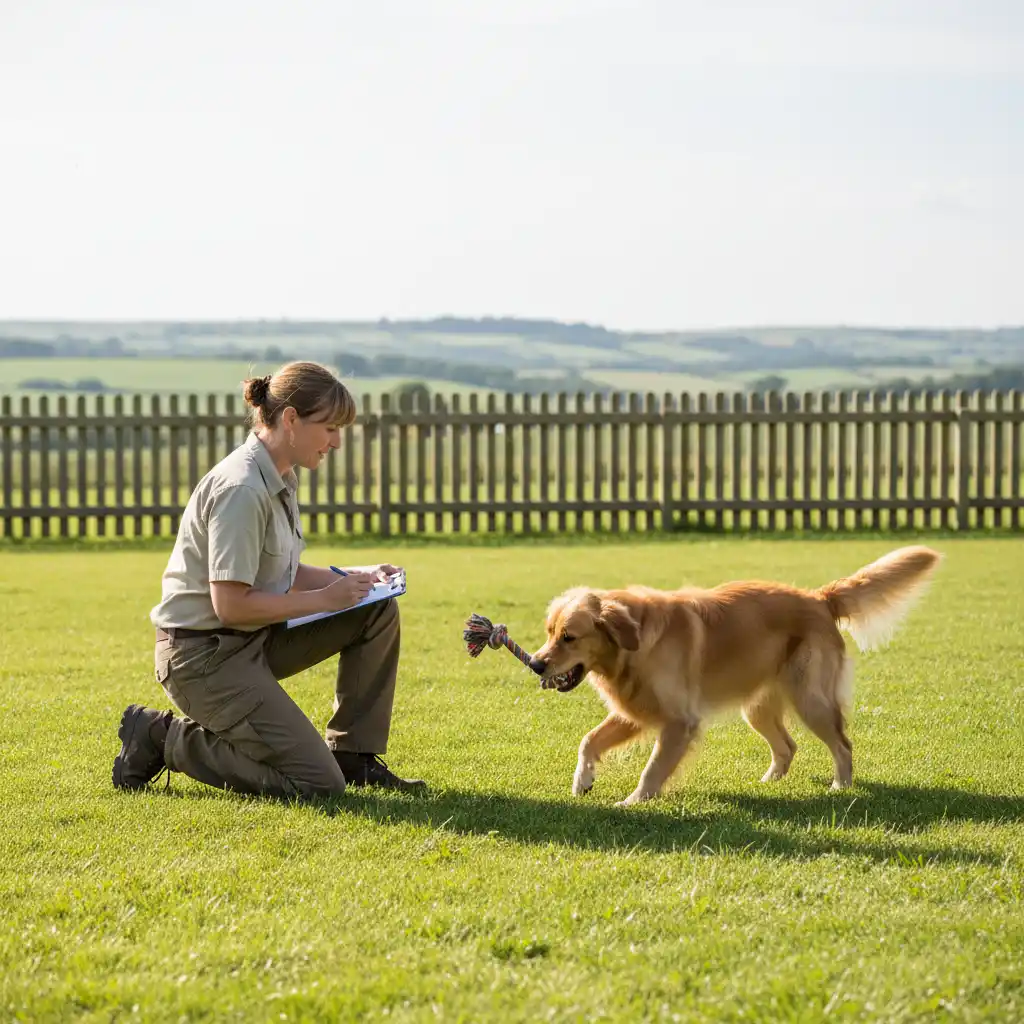
Step 3: The Behavioral and Medical Assessment
Surrender is never guaranteed until the assessment is complete. When you arrive at the center, staff will conduct two main checks. This is the most nerve-wracking part of the process for owners, but it is standard procedure for any reputable organization in NZ.
The Medical Check
A vet or vet nurse will examine the dog for contagious diseases, fleas, mange, and overall physical condition. If the dog is suffering from a terminal illness or a condition that is too expensive to treat relative to the shelter’s budget, they may discuss euthanasia as the most humane option. However, many rescues will treat minor to moderate manageable conditions.
The Temperament Test
This is crucial. The goal of a shelter is to rehome dogs into the community. Therefore, they cannot accept dogs that pose a danger to the public. The assessment usually looks for:
- Resource Guarding: Does the dog snap when food or toys are taken away?
- Dog-to-Dog Reactivity: How does the dog react to other dogs on a leash?
- Handling Sensitivity: Can the dog be touched, have its paws handled, or be checked by a stranger without biting?
- Recovery: If the dog is startled, do they recover quickly or shut down/lash out?
If a dog fails the temperament test due to severe aggression, the SPCA or rescue may refuse to take the dog for rehoming. In these cases, they may recommend you consult a veterinary behaviorist or, in severe cases, consider humane euthanasia if the dog is deemed dangerous to society.
Step 4: Signing the Surrender Form and Legal Implications
If the dog passes the assessment and the shelter agrees to take them, you will proceed to the final stage: the surrender contract.
This document is legally binding. By signing it, you are relinquishing all ownership rights to the animal. The organization becomes the legal owner. This means:
- No Information Updates: Most large organizations (like the SPCA) have a privacy policy that prevents them from updating previous owners on the dog’s status. You will likely not know who adopts the dog or when.
- Euthanasia Decisions: Once surrendered, the organization makes all medical and behavioral decisions. If the dog’s health or behavior deteriorates significantly in the shelter environment (which is high-stress), they have the authority to euthanize without consulting you.
- Surrender Fees: Many organizations request a surrender fee. This is not a “purchase” price but a contribution toward the cost of feeding, housing, and vet checking the dog. In NZ, this can range from a donation to a fixed fee of $50-$100, though it is often waived in cases of genuine financial hardship.
It is vital to be absolutely sure before signing. Once the cooling-off period (if applicable, though rare in surrenders) passes, you cannot simply demand the dog back if you change your mind.
Alternatives to Surrender: Resources and Support
Before finalizing a surrender, consider if the issue is temporary or solvable. The New Zealand animal welfare sector offers various support systems that might allow you to keep your pet.
Food Banks and Temporary Boarding
If the issue is financial, look for Pet Food Banks. Some branches of the SPCA and independent charities offer pet food assistance to families struggling to make ends meet. Additionally, organizations like Pet Refuge exist specifically to help pets belonging to victims of domestic violence, providing temporary shelter until the owner is safe and settled.
Behavioral Training
If the surrender is due to behavioral issues (barking, pulling, chewing), consult a professional trainer. Sometimes, a few sessions can resolve issues that seem insurmountable. Look for trainers who use positive reinforcement methods.
Rental Issues
Housing insecurity is a leading cause of dog surrender in NZ. While it is difficult to find pet-friendly rentals, creating a “Pet Resume” for your dog—including references from previous landlords and proof of registration/desexing—can sometimes sway a landlord.
Private Rehoming vs. Shelter Surrender
If a shelter cannot take your dog, or if you wish to have more control over where they go, you might consider private rehoming. However, this carries risks.
TradeMe and Facebook: Facebook has strict policies regarding the sale of animals, and many local community pages ban rehoming posts to prevent backyard breeding or dog fighting bait. TradeMe has a dedicated section for rehoming, but there are fees and strict guidelines involved.
The Risks of “Free to Good Home”: Never advertise a dog as “free.” Dog fighters and abusers often look for free dogs. Always ask for a rehoming fee, conduct a home check, and ask for vet references. It is safer to surrender to a rescue that performs these checks professionally than to hand your dog to a stranger from the internet.
For more information on the legalities of dog ownership and control in New Zealand, you can refer to the Department of Internal Affairs Dog Control Policy resources.
Frequently Asked Questions
Does it cost money to surrender a dog in NZ?
Yes, most organizations request a surrender fee to help cover the costs of food, housing, and veterinary care. This fee typically ranges from $20 to $100, depending on the organization. However, if you are in severe financial hardship, many rescues, including the SPCA, may waive this fee to ensure the animal’s welfare comes first.
Will the SPCA put my dog down if I surrender it?
The SPCA in New Zealand aims to rehome every healthy and behaviorally sound animal. They do not put dogs down simply due to lack of space or time limits. However, if a dog fails the medical or behavioral assessment (e.g., severe aggression or untreatable illness) and cannot be safely rehomed, humane euthanasia may be considered.
Can I just drop my dog off at the SPCA after hours?
No, abandoning a dog outside a shelter is illegal and dangerous. It is considered an offence under the Animal Welfare Act 1999. You must contact the center during operating hours to make an appointment. Abandoning a dog leaves them vulnerable to weather, theft, and injury.
What happens if my dog is rejected for surrender?
If a shelter is at capacity or your dog fails the behavioral assessment, they may refuse intake. In this scenario, you should contact breed-specific rescues, consult a vet for behavioral medication, or hire a professional trainer. In cases of severe aggression where the dog is a danger to the public, a vet may discuss behavioral euthanasia.
How do I transfer dog ownership registration in NZ?
To transfer ownership, you must complete a ‘Change of Ownership’ form with your local council. Both the current owner and the new owner (or rescue organization) must sign this. This ensures the microchip database is updated and you are no longer liable for registration fees.
Can I visit my dog after I surrender him?
Generally, no. Once you sign the surrender contract, you relinquish rights to the animal. Most shelters do not allow previous owners to visit, as it can be confusing and distressing for the dog, making it harder for them to settle into the shelter environment and eventually a new home.