Pet mental enrichment NZ refers to the strategic practice of providing New Zealand pets with cognitive challenges and environmental stimuli designed to enhance their psychological well-being. To ensure a happy animal, owners must move beyond simple physical exercise and incorporate puzzle toys, sensory experiences, and problem-solving games that prevent boredom, reduce anxiety, and curb destructive behaviors in rescue animals and household pets alike.
The Importance of Mental Exercise for Pets
In the world of animal welfare, there is a common saying: “A tired dog is a good dog.” However, this adage is incomplete. A physically tired dog might still be mentally restless, leading to frustration and anxiety. The definitive goal for any responsible owner, particularly those rehabilitating rescue animals, should be a dog or cat that is both physically exercised and mentally satisfied.
Mental enrichment is not merely a luxury or a way to keep a pet busy for twenty minutes; it is a biological necessity. In the wild, animals spend a significant portion of their waking hours foraging, hunting, navigating complex terrains, and solving problems to survive. When we bring these animals into our homes, we often remove these challenges, providing food in a bowl and a predictable environment. This lack of stimulation can lead to cognitive decline and behavioral issues.
For New Zealand pet owners, understanding the nuances of pet mental enrichment NZ is crucial. Many Kiwi households have access to outdoor spaces, yet pets can still suffer from “backyard boredom.” Mental exercise engages the brain, releases dopamine, and lowers cortisol levels. This is particularly vital for rescue pets who may have experienced trauma or neglect. Engaging their brains helps build confidence, strengthens the human-animal bond, and can even slow the aging process in senior pets by keeping neural pathways active.
According to the SPCA New Zealand, enrichment is a critical component of animal care that encourages natural behaviors. When a pet is allowed to sniff, scratch, chew, and solve problems, they are fulfilling instinctive needs that a simple walk around the block cannot satisfy.
DIY Enrichment Toys and Games
One of the biggest misconceptions about mental enrichment is that it requires expensive equipment or high-tech gadgets. In reality, some of the most effective enrichment tools can be made from items you likely already have in your recycling bin. DIY enrichment is sustainable, cost-effective, and allows you to tailor the difficulty level to your specific pet.
The Power of Cardboard and Paper
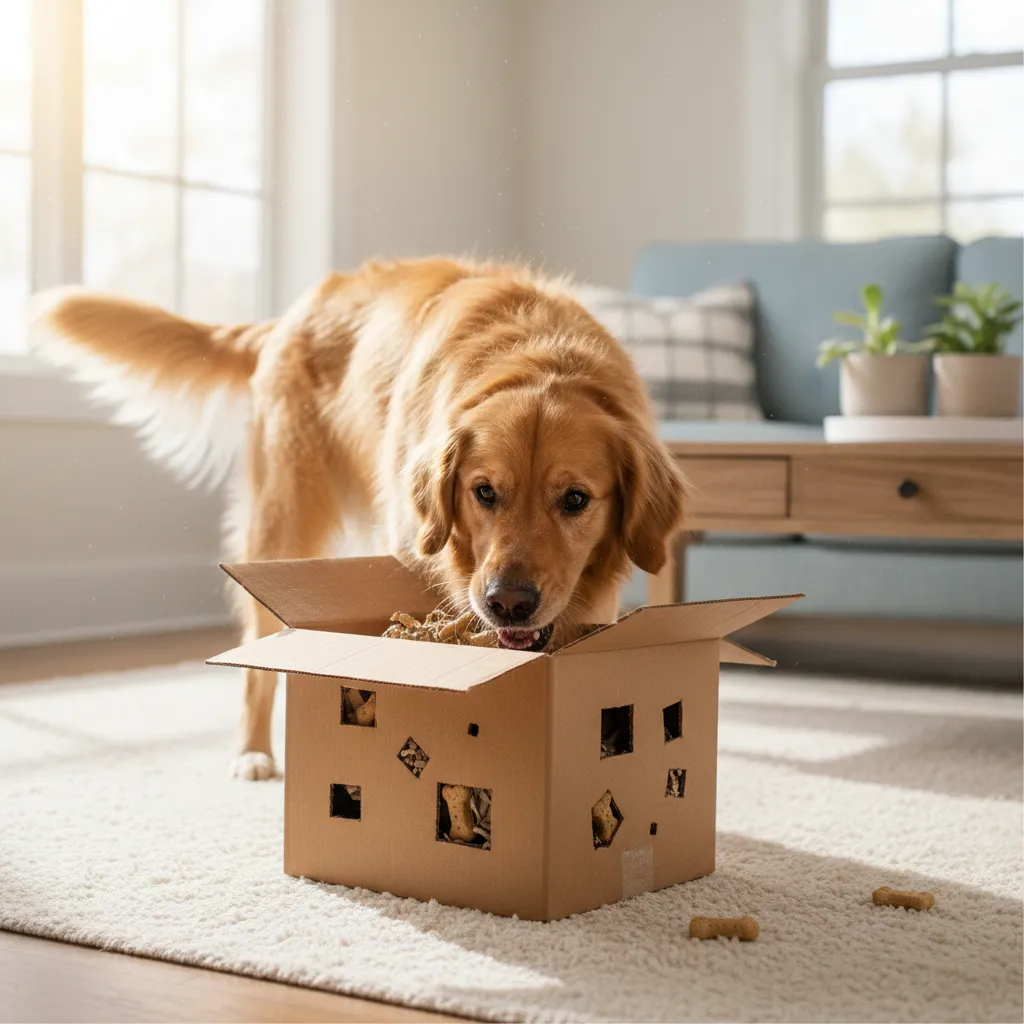
For both dogs and cats, the humble cardboard box is a gateway to fun. You can create a “destruction box” by taking a cereal box or shipping carton, filling it with crumpled newspaper, and hiding dry food or treats inside. Tape it shut and let your dog figure out how to break in. This simulates the predatory sequence of dissecting prey and allows them to shred, which is a natural stress reliever.
For cats, create a puzzle feeder by cutting holes in a shoebox and placing toys or treats inside. The cat must reach in with their paws to fish out the rewards, simulating the act of hunting small prey in tight spaces.
Towel Rolls and Snuffle Mats
If you are handy with a sewing machine, you can make a snuffle mat using a rubber sink mat and strips of fleece. However, a simpler version involves an old towel. Lay the towel flat, scatter treats over it, and roll it up tight. Your pet must push, nudge, and unroll the fabric to access the food. To increase the difficulty for clever dogs, tie the rolled towel into a loose knot.
Muffin Tin Puzzles
Take a standard muffin tin and place a few treats in the cups. Cover each cup with a tennis ball or a scrunched-up pair of socks. Your pet has to learn to lift or knock away the obstruction to get the reward. This is an excellent introduction to problem-solving for puppies or dogs new to enrichment games.
Training for Cognitive Health
Training is arguably the most potent form of mental enrichment because it requires intense focus and communication between the pet and the owner. While obedience training (sit, stay, heel) is necessary for safety, trick training and cognitive games are where the real mental workout happens.
Shaping and Clicker Training
Shaping is a training technique where you reward small steps toward a final behavior, rather than luring the dog into position. For example, if you want to teach a dog to go to a mat, you click and treat them for looking at the mat, then for stepping towards it, then for touching it, and finally for lying on it. This forces the dog to think: “What did I do to earn that reward?” This active problem-solving is exhausting in the best possible way.
Nose Work and Scent Games
A dog’s sense of smell is their primary way of interpreting the world. Scent work is a rapidly growing sport in New Zealand, but you can practice it at home easily. Start by playing “Find It.” Have your dog stay while you hide a high-value treat in the room. Release them with a cue like “Search!” Start with easy hiding spots and gradually make them harder. This taps into their natural foraging instincts and is incredibly satisfying for them.
The Name Game for Toys
Border Collies and other working breeds often excel at this, but any dog can learn. Start by teaching your dog the name of a specific toy (e.g., “Bear”). Once they know it, introduce a second toy. Ask them to fetch “Bear” specifically. This requires the dog to discriminate between objects and process language, providing a significant cognitive workout.
Preventing Boredom and Destructive Behaviors
Boredom is the root cause of many behavioral issues cited by owners surrendering pets to rescues in NZ. Digging, excessive barking, chewing furniture, and escaping are often symptoms of an under-stimulated mind. When a pet has no job to do, they will create one for themselves—and you probably won’t like the job they choose.
Ditching the Food Bowl
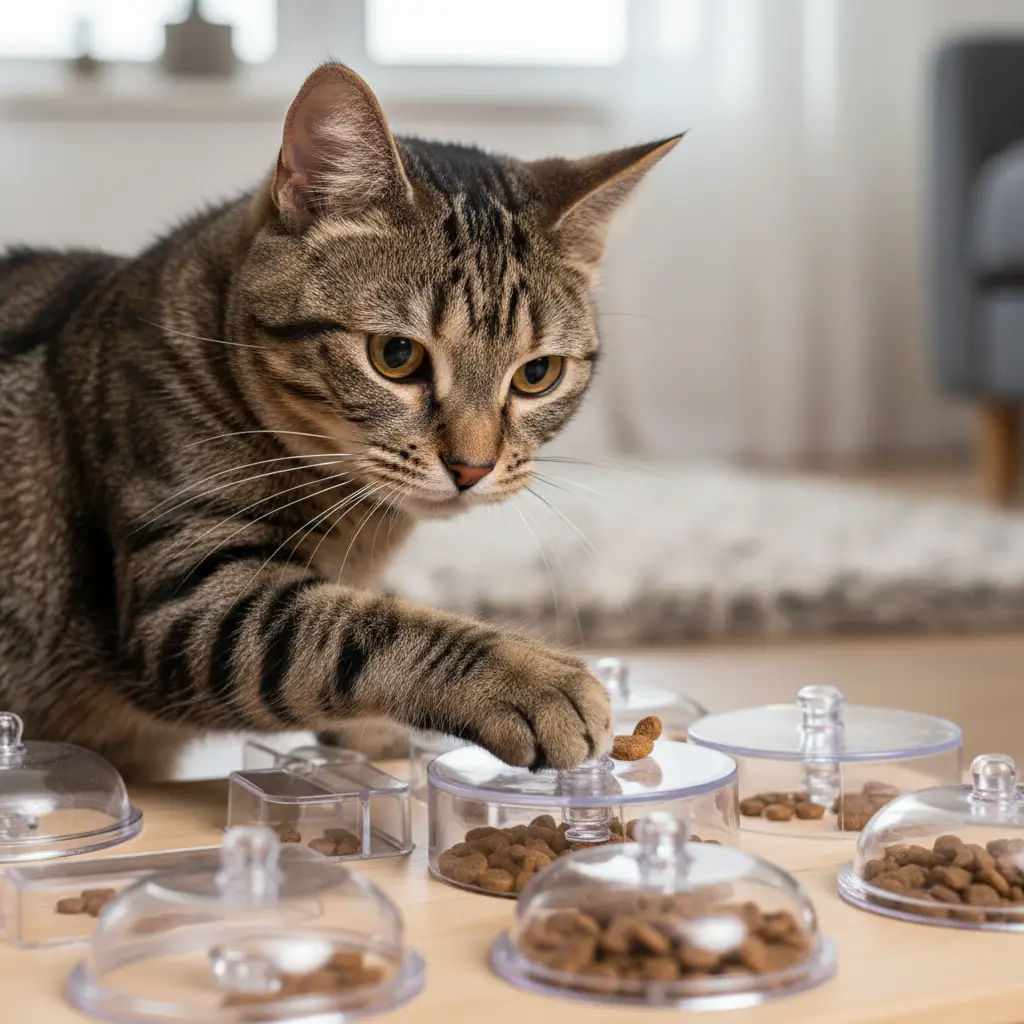
One of the easiest changes you can make is to stop feeding your pet from a bowl. A dog that eats a meal in 30 seconds has missed an opportunity for 20 minutes of mental engagement. Use slow feeders, wobblers, or scatter feed their meal in the grass. For cats, hide small piles of food around the house so they have to “hunt” for their dinner.
Rotation is Key
Leaving a basket of twenty toys out all the time leads to toy fatigue. The toys become part of the background scenery. Instead, keep three or four toys out and rotate them weekly. When an “old” toy reappears after a month in the cupboard, it is perceived as new and exciting again. This novelty keeps the brain engaged without costing you a cent.
Outdoor Enrichment in the Kiwi Backyard
New Zealand offers a unique environment for pets, with many homes having access to gardens or nearby bush walks. However, a backyard can be boring if it never changes. You can transform your outdoor space into a sensory wonderland.
Sensory Gardens
Planting pet-safe herbs and grasses can create a sensory garden. Plants like lavender, rosemary, mint, and tussock grasses provide different scents and textures. (Always verify plants are non-toxic to your specific pet). Allow your dog to sniff these at their leisure. Sniffing lowers a dog’s pulse rate and helps them relax.
Decompression Walks
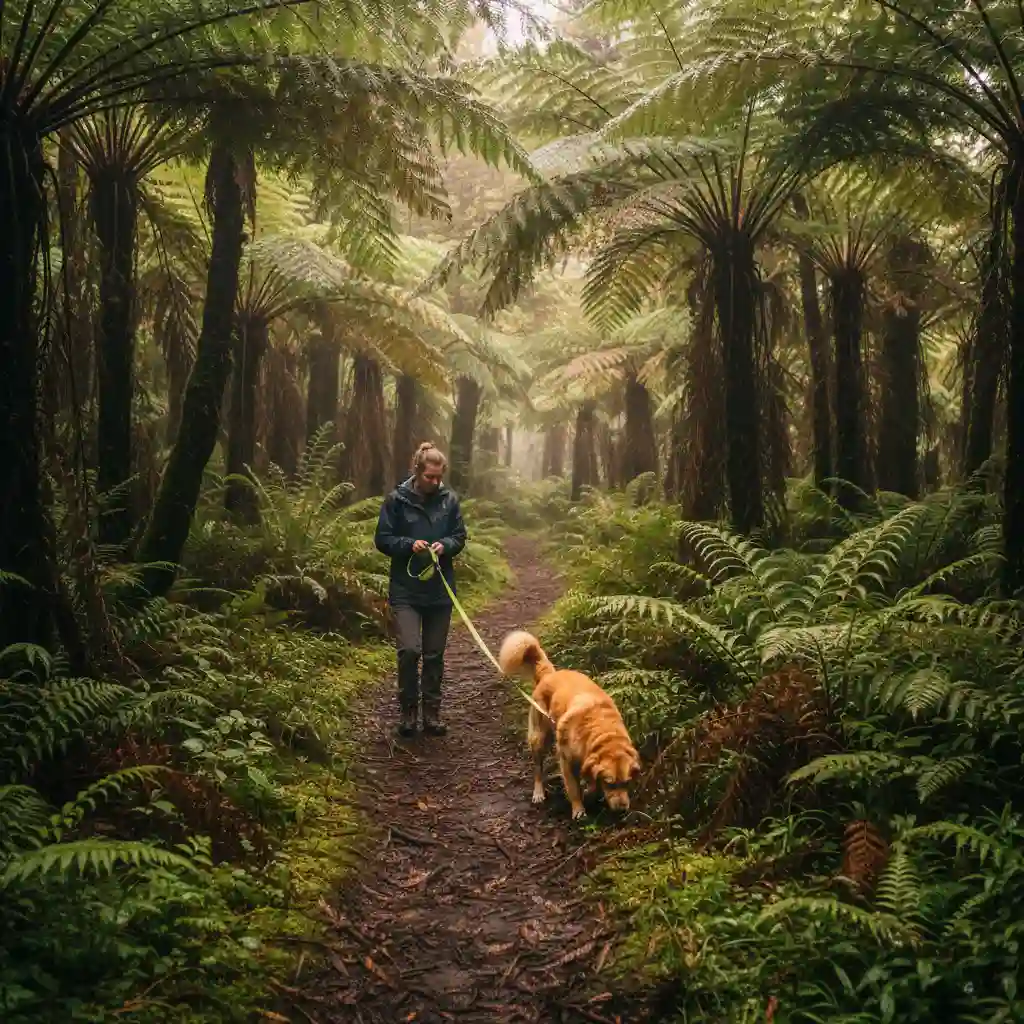
Instead of a power walk where the dog is heeling the entire time, take your dog on a “sniffari” or decompression walk. Put them on a long line (5-10 meters) and let them choose the direction and pace. Let them sniff a blade of grass for two minutes if they want to. This autonomy is mentally empowering and provides massive amounts of information to the dog’s brain.
Enrichment for Senior and Rescue Pets
Rescue pets and seniors have specific needs when it comes to pet mental enrichment NZ strategies. Rescue animals may have missed out on early socialization, making them fearful of new objects. Seniors may have limited mobility but still possess sharp minds.
Building Confidence in Rescues
For a nervous rescue dog, a loud cardboard box might be terrifying rather than fun. Start with “freework” enrichment where items are spread out and the dog can choose to engage or walk away. Use high-value treats and low-pressure games. Licking is a self-soothing behavior, so using Lickimats spread with yoghurt or peanut butter (xylitol-free) can help calm an anxious rescue dog while keeping them occupied.
Seniors and Mobility
Just because a dog has arthritis doesn’t mean they don’t want to play. In fact, mental stimulation is crucial for preventing Canine Cognitive Dysfunction (doggie dementia). Stick to low-impact games like nose work or gentle puzzle toys that don’t require pawing or jumping. Hydrotherapy is also a fantastic option available in major NZ cities that combines gentle physical exercise with a new environment.
For more in-depth information on animal cognition, resources from reputable institutions like the Cornell University College of Veterinary Medicine offer excellent scientific backing on how enrichment affects brain health.
Frequently Asked Questions
How much mental stimulation does a dog need daily?
While it varies by breed and age, most dogs benefit from at least 20 to 30 minutes of dedicated mental stimulation daily. This can be broken up into short training sessions, food puzzle games, or scent work. For high-energy working breeds, more time may be required to prevent boredom.
What are the best DIY dog enrichment ideas?
The best DIY ideas involve using household items like cardboard boxes, old towels, and muffin tins. You can create a “snuffle roll” by rolling treats inside a towel, or a “destruction box” by hiding food inside a taped-up cereal box filled with paper. These are free and highly effective.
Can mental stimulation tire a dog out more than walking?
Yes, mental stimulation can often be more exhausting than physical exercise. 15 minutes of intense nose work or learning a new trick can be equivalent to an hour of walking in terms of energy expenditure, as the brain consumes significant energy to process new information.
How do I provide enrichment for my cat in New Zealand?
Cat enrichment in NZ should focus on hunting instincts and vertical space. Use puzzle feeders for dry food, provide scratching posts, and create vertical climbing spaces. If your cat is indoors, consider a “catio” or supervised outdoor time to safely experience the sights and smells of the outdoors.
Is enrichment good for dogs with separation anxiety?
Enrichment is a key tool in managing separation anxiety. Providing a long-lasting chew or frozen stuffed toy can create a positive association with being left alone and keep the dog distracted during the critical first 20 minutes of departure. However, it should be part of a broader desensitization training plan.
What is a decompression walk?
A decompression walk is a walk where the dog is allowed to move freely on a long lead and sniff as much as they want, rather than being forced to heel. This allows the dog to process information through scent, which lowers stress levels and provides high-quality mental enrichment.