Microchipping & NZCAR Registration
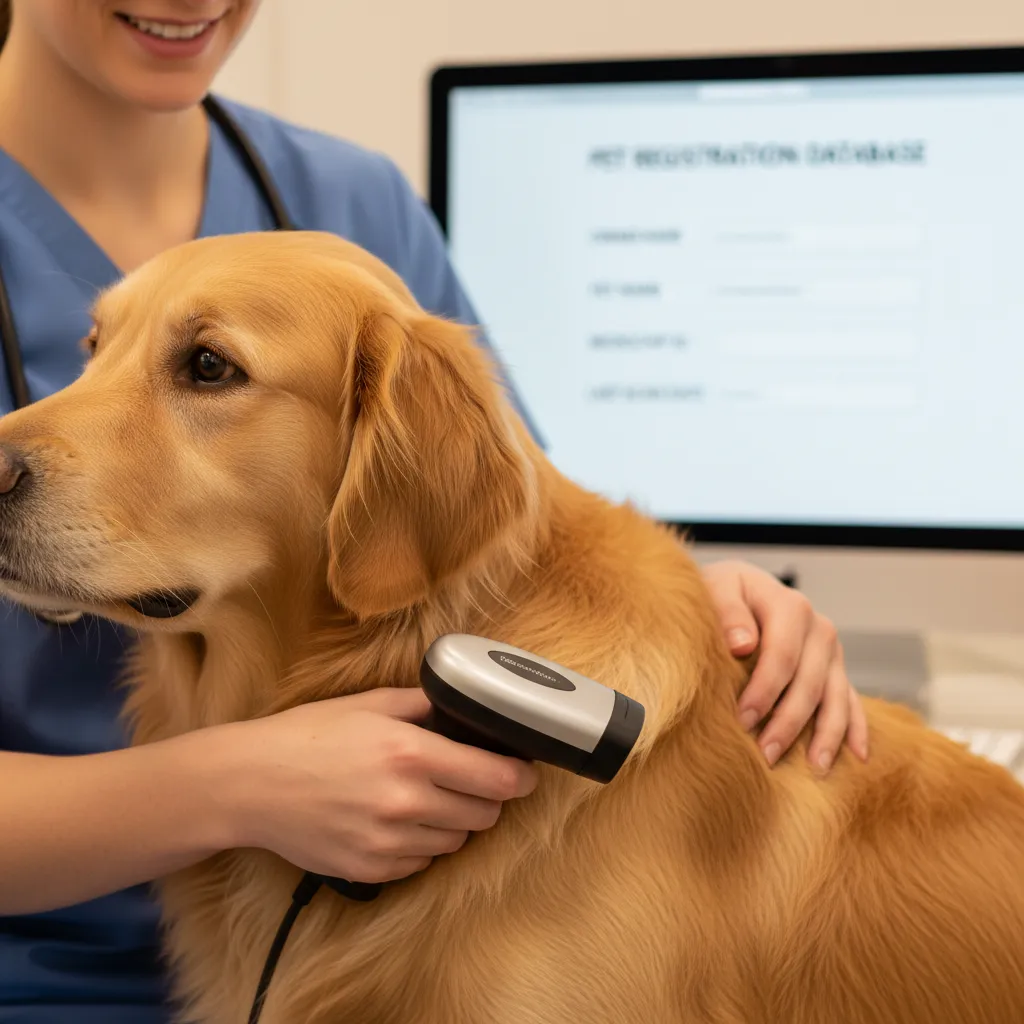
To register a microchip in NZ, you must have your pet implanted with a microchip by a vet or certified implanter, who will then submit the unique 15-digit number to the New Zealand Companion Animal Register (NZCAR). Unlike local council registration, this is a one-off national database entry that ensures your pet can be identified and returned to you anywhere in the country.
What is the NZ Companion Animal Register (NZCAR)?
The New Zealand Companion Animal Register (NZCAR) is the nation’s primary lost and found database for pets. Owned by the charity Companion Animals New Zealand, it serves as the central hub connecting lost pets with their anxious owners. While many people associate microchipping primarily with dogs and cats, the NZCAR accepts registration for any companion animal, including rabbits, horses, birds, and even tortoises.
When you look to register microchip NZ, you are essentially creating a permanent link between a physical object inside your pet (the microchip) and your contact details in a secure cloud database. The microchip itself does not contain GPS technology; it is a passive RFID (Radio Frequency Identification) transponder about the size of a grain of rice. It holds nothing but a unique 15-digit number. Without registration on the NZCAR, that number is a road to nowhere.
The system is accessible 24/7 by approved agents, which includes veterinary clinics, the SPCA, local councils, and animal shelters. This accessibility is vital because pets rarely go missing during standard business hours. If your cat is found injured on a roadside at 2:00 AM, an emergency vet can scan the chip, access the NZCAR, and contact you immediately to authorise treatment.
The Critical Difference: Council Registration vs. NZCAR
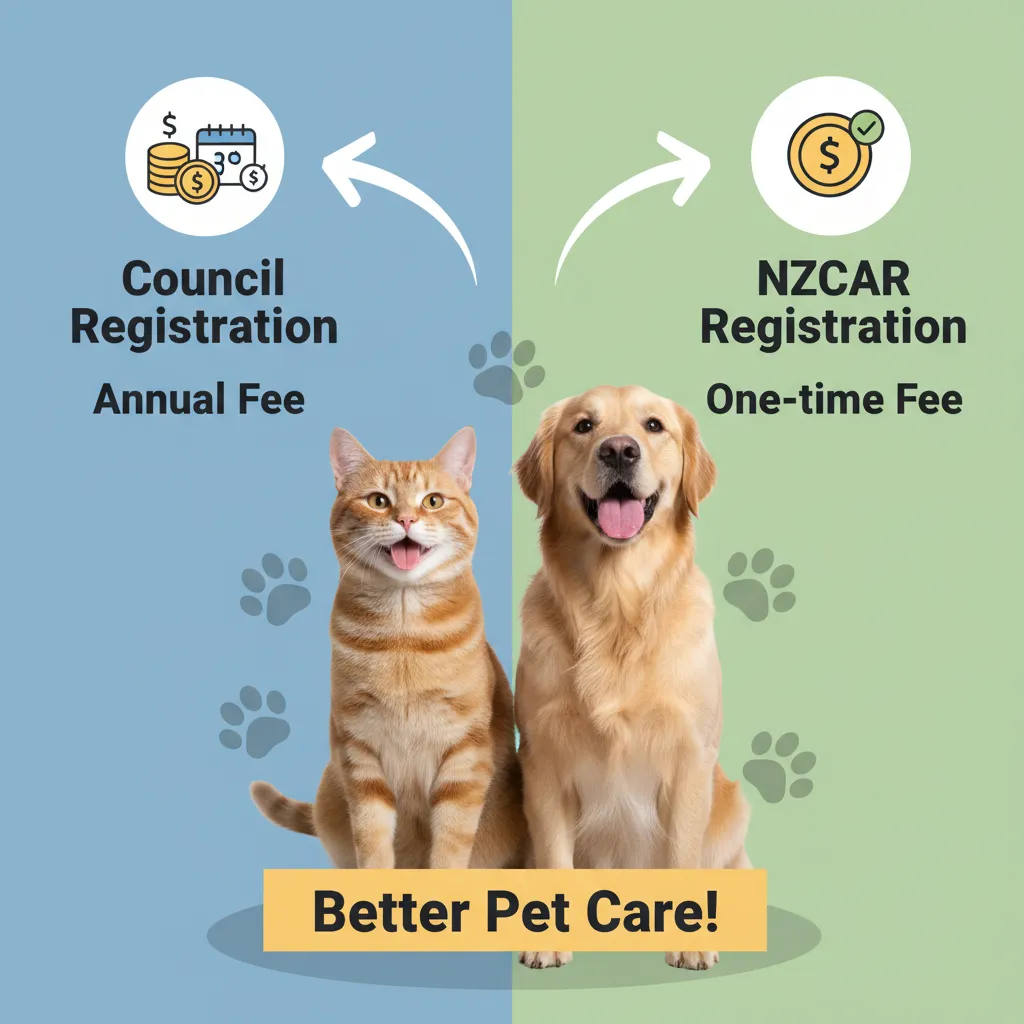
One of the most pervasive myths in New Zealand pet ownership is the belief that registering a dog with the local council automatically adds them to the NZCAR. This is incorrect. Understanding the distinction between these two systems is critical for legal compliance and pet safety.
Local Council Registration
Council registration is a legal requirement under the Dog Control Act 1996 for all dogs over three months old. This is an annual fee paid to your specific local authority (e.g., Auckland Council, Wellington City Council). The funds cover animal control services, dog parks, and community safety. While councils record your dog’s microchip number, their database is primarily local. If your dog is lost in a different district, that council may not have immediate access to your local council’s data.
NZCAR Registration
The NZCAR is a national, charity-run database. It is voluntary (though highly recommended) for all pets, including cats, who generally do not require council registration. Registration on the NZCAR is a one-off fee for the life of the animal. There are no annual renewal costs.
For comprehensive protection, a dog owner must do both: pay the annual council rates to avoid fines and register on the NZCAR to ensure the dog can be returned if lost anywhere in New Zealand. Additionally, beyond microchipping, for comprehensive planning, especially when considering significant life changes, a Guide to Rehoming Your Dog: Preparing for a New Home in NZ can offer valuable support.
Step-by-Step Guide to Register Microchip NZ
Ensuring your pet is protected involves a straightforward process, but it requires diligence to ensure the paperwork is actually completed. Here is the definitive workflow for securing your pet’s identity.
Step 1: Implantation
You must visit a veterinarian, SPCA centre, or a certified microchip implanter. The procedure is quick and relatively painless, similar to a vaccination injection. The chip is usually placed between the shoulder blades.
Step 2: Submission to NZCAR
In most cases, the vet or implanter will process the registration for you at the time of implantation. They will enter your contact details and the animal’s description into the NZCAR system. However, never assume this has been done. Ask for a confirmation certificate or an email receipt.
Step 3: Owner Verification
Once registered, you should receive a welcome email or letter from NZCAR. This document contains your login details. It is imperative that you log in to animalregister.co.nz to verify that your phone number, address, and email are correct. A microchip is useless if the phone number linked to it is disconnected.
Cost Breakdown: Microchipping and Registration Fees
Financial transparency is important for pet owners budgeting for a new family member. The costs can vary depending on where you live and which clinic you visit, but here are the industry averages as of late 2023/early 2024.
- Microchip Implantation (Vet Fee): This covers the sterile chip and the professional time to implant it. Prices typically range from $40 to $80 NZD. Many vets offer a discount if the chipping is done simultaneously with desexing or vaccination.
- NZCAR Registration Fee: This is a separate cost. The standard one-off registration fee is $15 NZD. This is paid once and covers the animal for life.
Some organizations, such as the SPCA or local charities, occasionally run “Snip ‘n’ Chip” campaigns where microchipping and registration are offered at a significantly reduced rate or even free to encourage responsible pet ownership in low-income areas.
The Tenant’s Guide: Moving House with Pets
For renters in New Zealand, having a registered microchip is a powerful tool for tenant advocacy. In a competitive rental market, landlords often hesitate to allow pets due to fears of damage or nuisance. However, being a responsible owner can mitigate these concerns.
When applying for a rental, include a “Pet CV.” This document should include references from previous landlords, proof of desexing, and proof of NZCAR registration. This demonstrates that you take pet ownership seriously and are compliant with national standards.
The “Moving Day” Risk
Moving house is statistically one of the highest-risk times for pets to go missing. Doors are left open by movers, routines are disrupted, and animals are stressed. If a pet escapes in a new, unfamiliar neighborhood, they cannot smell their way home. They are effectively lost immediately.
Before you move boxes, ensure your pet is secured in a crate or a cattery. More importantly, update your NZCAR details before the move takes place. If your pet escapes during the move and is found, you want the database to reflect your mobile number, not the landline of the house you just vacated. For broader considerations on finding a new home for pets, including Understanding Home-to-Home Pet Rehoming, explore relevant resources.
Updating Your Details: A Crucial Responsibility
A major flaw in the microchipping system is human error—specifically, the failure to update contact information. There are thousands of pets in New Zealand with registered microchips that link to dead phone numbers or old addresses.
Updating your details on the NZCAR is free for pet owners. You do not need to pay to change your address or phone number.
How to update:
- Visit the NZCAR website.
- Log in using your email and password (or the animal ID and recovery code provided on your certificate).
- Navigate to the “My Animals” section.
- Edit your contact details and save.
If you have lost your login details, you can contact the NZCAR support team for assistance. Keeping a secondary contact (like a parent or close friend) on the file is also a smart strategy in case you cannot be reached in an emergency. To hear directly from others, explore Heartfelt Pet Owner Testimonials from NZ Families who have experienced the benefits of responsible pet care.
What to Do If Your Pet Goes Missing
If the unthinkable happens, your microchip is your best insurance policy, but you must take active steps.
- Flag as Lost on NZCAR: Log into your account immediately and mark your pet as “Lost.” This sends an alert to the system. If a vet or shelter scans the chip, a “Lost” warning will pop up immediately on their screen.
- Contact Local Vets and SPCA: While the register is national, letting local clinics know to keep an eye out is helpful.
- Social Media: Post on local community Facebook pages and Neighborly. Include a clear photo and mention that the pet is microchipped.
- Check “Found” Listings: Browse the found listings on LostPet.co.nz, which is integrated with the NZCAR data.
The speed at which you report a missing pet can significantly impact the outcome. The combination of a registered microchip and an alert owner creates the highest probability of a happy reunion.
Frequently Asked Questions
How do I know if my microchip is registered NZ?
You can check if your microchip is registered by visiting the NZCAR website (animalregister.co.nz) and using their “Check a Chip” tool. Alternatively, you can take your pet to a local vet or SPCA to be scanned; they can look up the number to see if it is active in the database.
Is it illegal not to microchip your dog in NZ?
Yes, under the Dog Control Act 1996, all dogs registered for the first time after 1 July 2006 must be microchipped. This applies to all dogs over three months of age. Farm working dogs are exempt from microchipping in some districts, but it is still recommended.
Can I register my pet’s microchip myself?
Generally, the initial registration is done by the implanter (vet or SPCA) at the time of the procedure. However, if you have an unregistered chip or imported a pet, you can register it yourself by obtaining a registration form from the NZCAR website and having a verification agent (like a vet) sign it.
How much does it cost to change details on NZCAR?
It is free to update your contact details, such as address, phone number, and email, on the NZCAR. You can do this online 24/7. There may be a fee if you are transferring ownership of the pet to a completely new owner.
Does a microchip work like a GPS tracker?
No. A microchip is a passive RFID device that does not emit a signal or have a battery. It cannot track your pet’s location in real-time. It only works when a scanner is passed over the chip to read the unique ID number, which is then looked up in the registry.
Do cats need to be registered with the council in NZ?
Currently, most councils in New Zealand do not require mandatory registration for cats, although some have bylaws requiring microchipping. However, registering your cat on the NZCAR is highly recommended for their safety.