A New Zealand Heading Dog is a specialized working breed developed specifically for the rugged terrain of New Zealand sheep farms. Renowned for their exceptional intelligence, speed, and intense “eye” for controlling livestock silently, these high-energy dogs require significant mental and physical stimulation, making them distinct from standard Border Collies and best suited for active owners.
What is a New Zealand Heading Dog?
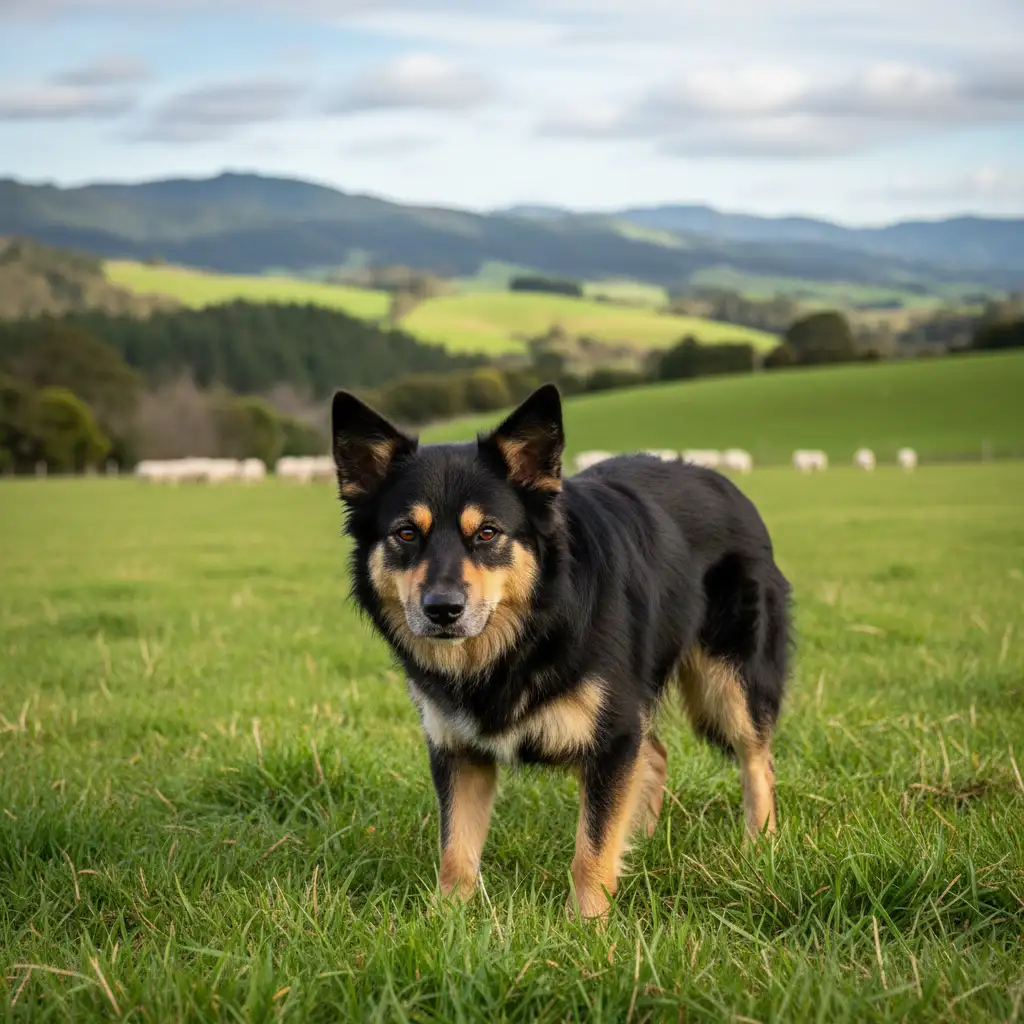
The New Zealand Heading Dog is not merely a pet; it is an iconic symbol of New Zealand’s agricultural heritage. Often confused with the Border Collie, the Heading Dog is a distinct strain bred strictly for working ability rather than conformation to a physical breed standard. In the context of New Zealand farming, “heading” refers to the dog’s ability to cast out wide, run to the head of a flock of sheep, and turn them back toward the shepherd. Unlike the Huntaway, which uses a loud bark to drive sheep from behind, the Heading Dog works silently, using stealth, speed, and an intimidating stare known as the “eye” to manipulate stock movement.
These dogs are considered a landrace breed, meaning their development has been driven by environmental adaptation and functional necessity rather than a kennel club rulebook. Consequently, they possess a raw, unadulterated intelligence that allows them to solve complex problems on steep hill country, often working at great distances from their handlers.
Origins and Evolution of the Breed
The history of the Heading Dog is deeply intertwined with the colonization and agricultural development of New Zealand. When early Scottish settlers arrived in the 19th century, they brought with them various strains of collies, particularly the North Country Collie and the Border Collie. However, the terrain of New Zealand—characterized by vast, steep high-country stations and heavy tussock—presented challenges that the original Scottish dogs struggled to meet without adaptation.
Through generations of selective breeding, farmers favored dogs with longer legs for speed over rough ground, short coats to prevent tangling in briars and matagouri, and an inexhaustible work ethic. The result was a dog that is typically leggier and faster than the traditional British Border Collie. While they share a common ancestry, the New Zealand Heading Dog has diverged to become a specialist in long-distance mustering.
According to Te Ara – The Encyclopedia of New Zealand, these dogs were essential to the economy, as the rough terrain made fencing difficult, and only dogs could effectively manage the movement of sheep across thousands of acres. This evolution created a dog with a unique psychological profile: independent enough to work out of sight, yet obedient enough to respond to whistle commands from miles away.
Physical Characteristics and Appearance
Because Heading Dogs are bred for function over form, their appearance can vary significantly. However, there are common physical traits that distinguish them within the working dog community.
Coat and Build
Most Heading Dogs possess a short-to-medium length coat, which is practical for shedding mud and drying quickly after crossing rivers. The most common colorations are black and white, though tri-color (black, white, and tan) and red and white variations are also seen. Physically, they are athletic and wiry. They lack the heavy bone structure of some show-line Border Collies, favoring a gracile, aerodynamic build that facilitates rapid acceleration and endurance.
The “Eye”
The most defining physical characteristic is not structural but behavioral: the “eye.” When engaging with stock, the dog lowers its head and body, locking its gaze onto the sheep. This predatory motor sequence is arrested before the bite, using the psychological pressure of the stare to move the animals. The intensity of this gaze is a hallmark of the breed and a key indicator of their working lineage.
Temperament: The Intersection of Intelligence and Drive
The New Zealand Heading Dog is widely regarded as one of the most intelligent dog breeds in the world. However, this intelligence comes with a caveat: it is coupled with an extremely high energy drive. These dogs are not “part-time” thinkers; their brains are wired to analyze movement, predict outcomes, and perform tasks constantly.
In a domestic setting, this temperament can be challenging. A bored Heading Dog is a destructive Heading Dog. They are known to be sensitive and eager to please, responding best to positive reinforcement and clear leadership. Unlike the Huntaway, which can be more boisterous and goofy, the Heading Dog is often serious and focused. They tend to bond intensely with one person (usually their handler) but are generally friendly and non-aggressive toward humans.
Heading Dogs vs. Border Collies: Key Differences
While often used interchangeably by the layperson, the New Zealand Heading Dog and the Border Collie (specifically the show/sport lines seen overseas) have distinct differences arising from their breeding goals.
- Appearance: Border Collies bred for the show ring often have thicker, longer coats (rough coats) and a stockier build. Heading Dogs are almost exclusively smooth or medium-coated with a leaner frame.
- Working Style: While both breeds use the “eye,” the NZ Heading Dog is bred specifically for the vast distances of New Zealand stations. They often have a stronger “cast” (the ability to run out wide) and greater stamina for hill work compared to the average sport-bred Border Collie.
- Temperament: Show-line Border Collies may have a “soft” temperament, whereas working Heading Dogs require a degree of mental toughness to stand up to stubborn rams or cattle. However, Heading Dogs are generally less “nippy” than some cattle-herding strains, relying more on presence and stare.
Mental Stimulation for High-Energy Minds
If you are considering a Heading Dog as a companion, you must be prepared to be an active participant in their life. A daily walk around the block is insufficient for this breed. They require “work” to feel satisfied.
Enrichment Activities
Owners should incorporate cognitive challenges into the dog’s daily routine. This can include:
- Puzzle Toys: Advanced food puzzles that require problem-solving.
- Scent Work: Hiding treats or toys in tall grass or utilizing scent training kits.
- Trick Training: Their high intelligence makes them capable of learning complex chains of behaviors.
- Job Simulation: Teaching the dog to tidy up toys, carry items, or identify objects by name.
Without this stimulation, Heading Dogs may develop obsessive-compulsive behaviors, such as shadow chasing, excessive licking, or herding children and other pets.
Suitability for Agility and Dog Sports
The New Zealand Heading Dog is a dominant force in the world of dog agility. Their explosive speed, tight turning radius, and ability to process rapid-fire commands make them ideal competitors. In New Zealand, the top tier of agility competitions is frequently populated by Heading Dogs.
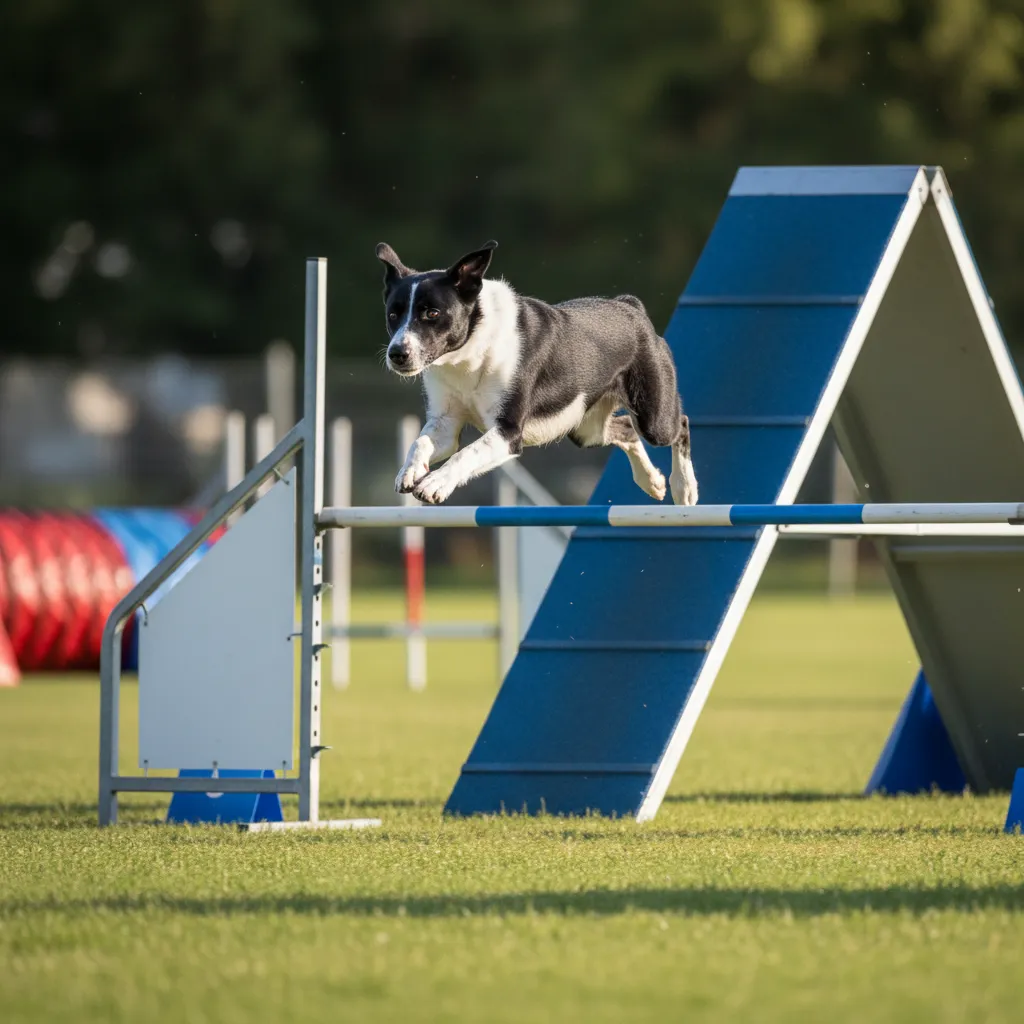
Beyond agility, they excel in:
- Flyball: Their ball drive and speed are unmatched.
- Obedience and Rally-O: Their desire to work with a handler translates well to precision heeling and obedience tasks.
- Canicross: For the athletic owner, they make tireless running partners.
Engaging in these sports is often the best way for a non-farming owner to provide the necessary outlet for the dog’s drive, simulating the physical and mental exhaustion of a day on the farm.
Adopting Retired Working Dogs: A Guide
There is a growing movement in New Zealand to rehome retired working dogs or those who “failed” as farm dogs (often because they had too little drive or were too soft). Adopting a retired Heading Dog can be a rewarding experience, but it requires patience.
The Transition from Kennel to Couch
Many farm dogs have lived exclusively in outdoor kennels and have never been inside a house. The transition involves distinct challenges:
- House Training: While clean by nature, they may need to learn the rules of indoor elimination.
- Surface Sensitivity: Shiny floors, stairs, and television screens can be terrifying to a dog that has only known grass and wool sheds.
- Socialization: A farm dog may be well-socialized with other dogs but terrified of city noises, traffic, or strangers.
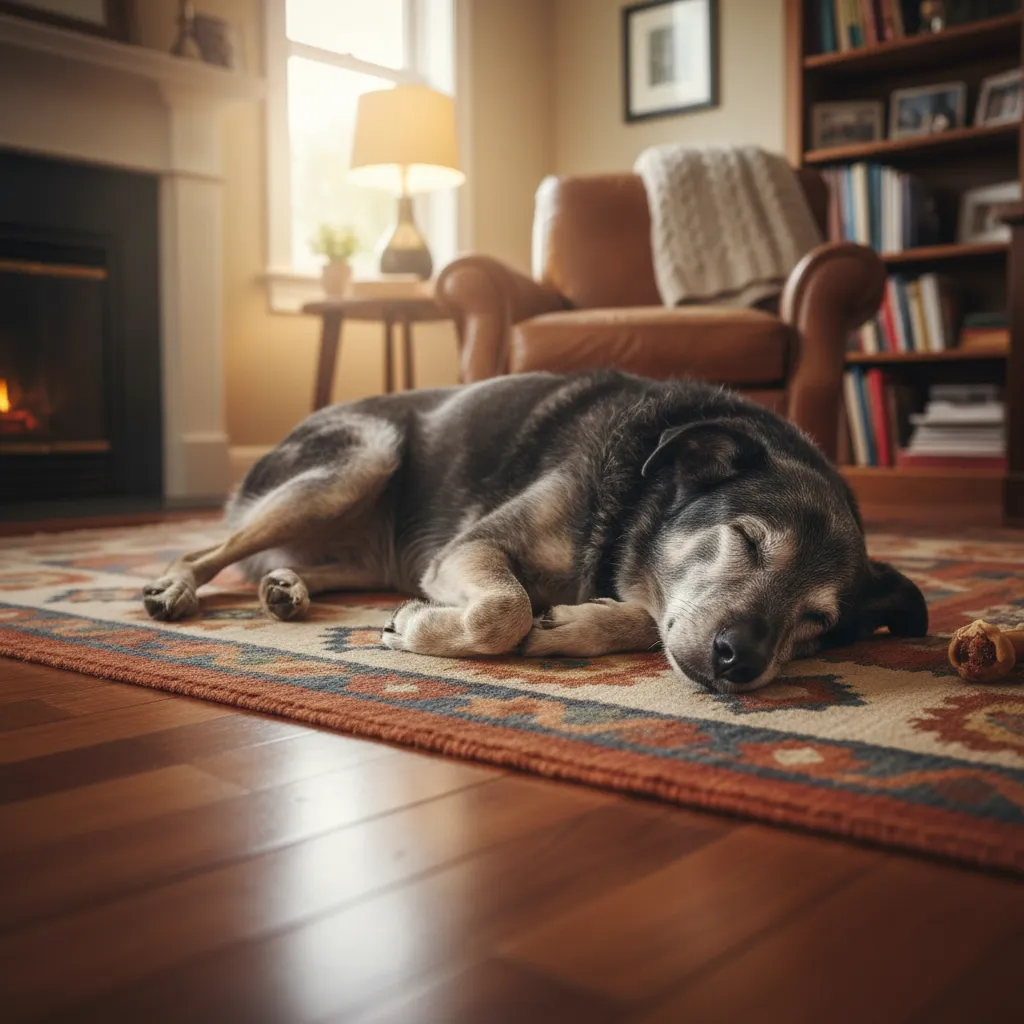
However, retired dogs are often incredibly grateful, loyal, and settled. They have expended their youthful manic energy and are often content to spend their twilight years on a soft bed. Organizations like Retired Working Dogs NZ specialize in matching these dogs with appropriate forever homes.
Health, Nutrition, and Longevity
New Zealand Heading Dogs are generally a robust and healthy breed, benefiting from a gene pool that prioritizes physical function. Their life expectancy typically ranges from 12 to 15 years.
Common Health Issues
Despite their hardiness, they are susceptible to conditions common in active collies:
- Collie Eye Anomaly (CEA): A genetic condition affecting the retina.
- Hip Dysplasia: While less common than in heavier breeds, active working dogs can develop joint issues, especially in later life due to wear and tear.
- Arthritis: Common in retired dogs who have spent years jumping off utes and running steep hills.
Nutrition
Due to their high metabolism, working Heading Dogs require high-performance diets rich in protein and fats. However, for a pet or retired Heading Dog, owners must be vigilant about portion control. These dogs are food-motivated, and without the caloric burn of farm work, they can easily become overweight, putting stress on their joints.
Frequently Asked Questions
Are New Zealand Heading Dogs good family pets?
Yes, but with conditions. They are loyal, intelligent, and generally gentle. However, their high energy levels mean they are not suitable for sedentary families. They require active owners who can provide extensive exercise and mental stimulation. Without this, they can become destructive or anxious.
How much exercise does a Heading Dog need?
A young, healthy Heading Dog requires at least 90 minutes to 2 hours of vigorous exercise daily. This should include running, fetch, or dog sports, combined with mental training. A simple walk on a leash is rarely enough to drain their energy.
Do Heading Dogs bark a lot?
Generally, no. Unlike the Huntaway, which is bred to bark, the Heading Dog is a “silent worker.” They may bark to alert owners of strangers, but they are not typically nuisance barkers unless they are bored or under-stimulated.
What is the difference between a Heading Dog and a Huntaway?
The main difference is their working style. A Heading Dog works silently at the front of the flock to stop or turn sheep (heading), using their eyes and speed. A Huntaway works at the back of the flock, using a loud, deep bark to drive the sheep forward (hunting away).
Are Heading Dogs easy to train?
They are extremely trainable due to their high intelligence and desire to work. They pick up new commands very quickly. However, their intelligence means they can also learn bad habits quickly if not guided by a consistent and experienced handler.
Can Heading Dogs live in an apartment?
It is generally not recommended to keep a Heading Dog in an apartment. They thrive in environments with space to run. While it is theoretically possible with an extremely dedicated owner who provides hours of outdoor activity daily, a home with a secure yard is much more suitable.