
Owner to Adopter Advice: A Guide for NZ Pet Owners
Life changes. We get it. Sometimes the hardest decision you have to make is the kindest one for your pet.
If you are facing the reality of rehoming, you are not alone. Across New Zealand, the rising cost of living is forcing thousands of loving families to make heartbreaking choices.
But sending your best mate to a shelter isn’t your only option anymore. This guide is about taking control of the process and bypassing the pound entirely.
We are going to walk you through practical, safe, and judgment-free Owner to Adopter Advice: A Guide for NZ Pet Owners.
Key Takeaways
When seeking Owner to Adopter Advice: A Guide for NZ Pet Owners, prioritize direct home-to-home transitions. This ensures zero cage time and reduces shelter stress. Always screen adopters carefully, transfer microchip details on the NZ Companion Animal Register, and be completely honest about your pet’s history.
The 2026 Pet Care Climate in Aotearoa
Across Aotearoa, the rising cost of living is forcing thousands of loving families into impossible situations. You are not a bad owner for recognizing that you can no longer provide the life your pet needs.
Recent data shows that nearly 90% of Kiwi pet owners have noticed a sharp increase in pet care costs. For many, skipping household essentials just to afford dog food has become a daily reality.
When the financial pressure becomes too much, traditional advice often points toward surrendering the animal to a local shelter. But in 2026, the landscape of animal welfare in New Zealand has drastically changed.
Institutional shelters are physically maxed out and struggling to cope with the influx of surrendered and roaming animals. The reality behind closed shelter doors is heartbreaking.
Institutional shelters are currently overwhelmed. Surrendering your pet to a pound could put them at severe risk if they cannot be quickly rehomed.
Auckland Council animal shelters recorded a devastating 60% euthanasia rate for impounded dogs in the 2024-2025 period. Over 6,000 dogs were put down in a single year as kennels overflowed.
Sending a beloved family pet into this overwhelmed system is a terrifying prospect for any owner. This is exactly why the home-to-home movement exists.
We believe there is a better, kinder way to navigate this transition. By taking control of the process, you can ensure your pet bypasses the pound system entirely.
Why Zero Cage Time Matters
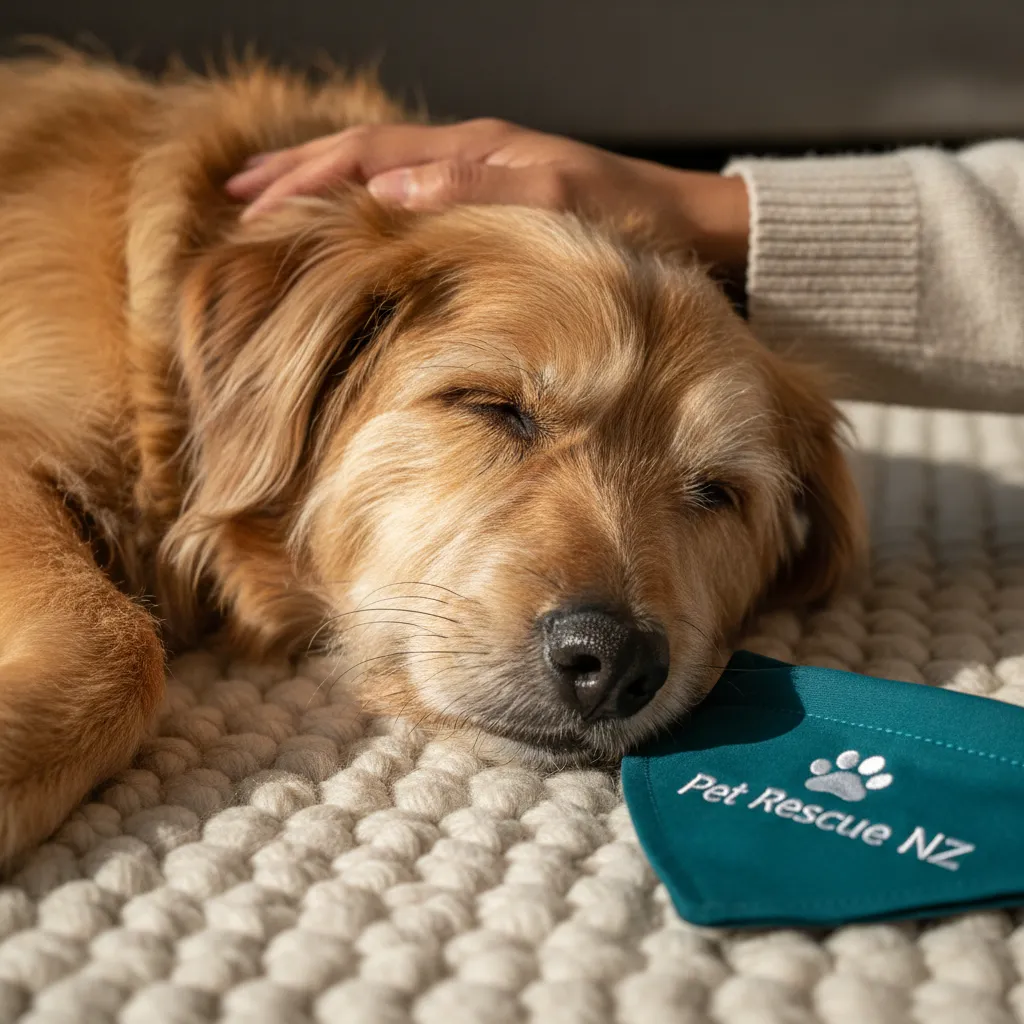
The core of our philosophy is simple: zero cage time. Your pet stays safe, comfortable, and stress-free on your own couch until the right family says yes.
Shelters, no matter how well-funded or well-intentioned, are incredibly stressful environments for domestic animals. The noise, the unfamiliar smells, and the sudden loss of their family can cause severe behavioral regression.
By choosing a peer-to-peer approach, you protect them from this trauma. You also retain 100% control over who adopts your pet.
No shelters. No middlemen. Just good people finding each other. When you use a dedicated platform rather than a chaotic Facebook group, you get structure and safety.
You can review applications, ask the hard questions, and trust your gut. Every pet has a story, and you are the only one qualified to tell it to their next family.
This direct connection fosters immense trust. It ensures a smoother transition for the animal, as the new family learns directly from you about their quirks and habits.
Preparing for the Handover
As you prepare for the transition, following clear Owner to Adopter Advice: A Guide for NZ Pet Owners is crucial. The very first step is gathering all medical and behavioral history.
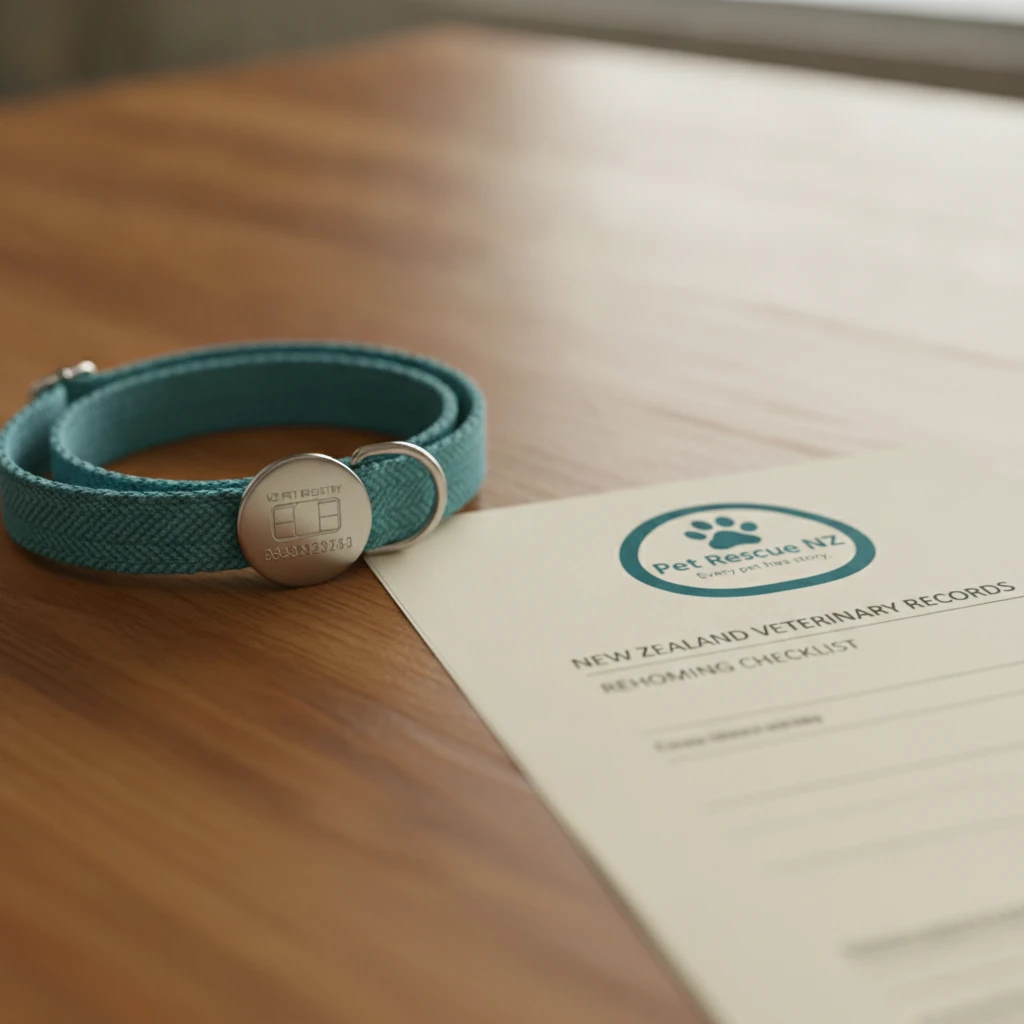
Adopters need to know exactly what they are taking on, so honesty is your best tool. Dig out those old veterinary receipts, vaccination booklets, and desexing certificates.
If your dog has a sensitive stomach, or your cat hates loud noises, write it down. Transparency prevents failed adoptions.
Be entirely upfront about your pet’s quirks, medical history, and behavioral triggers. It ensures they go to a family equipped to handle them.
Nobody expects a perfect pet, but they do expect the truth. If your dog is reactive on a lead, say so. If they chew shoes when bored, mention it.
Setting realistic expectations ensures that the new family is fully equipped to manage your pet’s specific needs. Next, take high-quality photos in their natural environment.
Show them lounging in the sun, playing in the yard, or cuddling on the sofa. Avoid taking photos where the pet looks scared or cornered.
A warm, well-lit photo speaks volumes and attracts genuinely caring adopters. It shows the animal as they truly are: a loved member of a household.
Screening Potential Adopters
Screening potential adopters can feel overwhelming, but it is the most important part of the journey. When you receive an inquiry, start with a simple phone call.
Hearing a person’s voice and asking open-ended questions will give you a strong sense of their character. Ask them about their lifestyle, their working hours, and their previous experience with pets.
Do they rent or own? If they rent, do they have written permission from their landlord? This is a critical question in New Zealand, where pet-friendly rentals are notoriously scarce.
Trust your gut during these conversations. You will know when it feels right. Once you feel comfortable, arrange a meet and greet.
Always arrange the first meeting in a neutral, public space like a local park. This reduces territorial behavior and keeps everyone comfortable.
This prevents your pet from feeling territorial and allows you to observe how the potential adopter interacts with them.
Watch their body language. Are they patient? Do they let the pet approach them first? These small details reveal a lot about how they will treat your animal behind closed doors.
| Feature | Pet Rescue NZ (Home-to-Home) | Traditional Shelters | Unmoderated Social Media |
|---|---|---|---|
| Environment | Stress-free at home | High-stress kennels | Varies widely |
| Owner Control | 100% control over adopter | Zero control after surrender | High risk of scammers |
| Euthanasia Risk | Zero risk | High (up to 60% in Auckland) | Unknown |
Legal and Microchip Responsibilities
Navigating the legalities of rehoming in Aotearoa is straightforward, but it requires your active participation. Under the Dog Control Act 1996, you cannot simply hand over a dog and walk away.
You are legally required to update the local council with the new owner’s details. Failure to do so means you remain legally liable if the dog is found roaming or involved in an incident.
The same diligence applies to microchips. Over 1.5 million animals are currently registered on the NZ Companion Animal Register (NZCAR).
Remember, handing over the pet doesn’t automatically update the microchip. You must manually transfer the details on the NZCAR.
However, a microchip is only as good as the data attached to it. Animals that are not registered or have outdated details remain missing around 30% longer than those with current information.
You must log into the NZCAR and formally transfer the guardianship to the new owner. Do not rely on the adopter to do this themselves.
Taking ten minutes to complete this paperwork ensures your pet has a lifelong safety net. It is a small administrative step that provides massive peace of mind.
Navigating the Emotional Journey
Let’s talk about the emotional weight of this process. Rehoming a pet is accompanied by a heavy, often suffocating sense of guilt.
Society can be quick to judge, but those people do not know your circumstances. You are making a sacrifice out of love, prioritizing your pet’s needs above your own desire to keep them.
That takes immense courage. It is completely normal to grieve. You are losing a companion, and the house will feel painfully quiet for a while.
Acknowledge those feelings rather than pushing them away. Lean on friends or family who understand your situation without judgment.
- Allow yourself time to process the transition.
- Remember that bypassing the shelter system was an act of profound kindness.
- Take comfort in knowing you handpicked a loving environment for their future.
Remember that by choosing a home-to-home adoption, you have given your pet the greatest gift possible. You spared them the terror of a shelter cage.
You handpicked a family who will love them just as much as you do. The transition might be hard on you, but thanks to your careful planning, it will be seamless for them.
We hope this Owner to Adopter Advice: A Guide for NZ Pet Owners helps you find peace with your decision. You are doing the right thing.