Pet friendly rentals NZ refer to housing options where landlords explicitly permit tenants to live with their pets, often under specific terms and conditions outlined in the tenancy agreement. Securing such a rental in New Zealand can be challenging due to high demand and limited supply, requiring strategic preparation and negotiation from pet-owning prospective tenants.
The Challenges of Finding Pet-Friendly Housing in New Zealand
For many New Zealanders, a house is not a home without a furry, feathered, or scaled companion. Yet, the dream of living with pets often collides with the reality of a competitive rental market where pet-friendly options are scarce. This scarcity is not accidental but stems from a complex interplay of landlord concerns, legal frameworks, and prevailing misconceptions about pet ownership.
The Supply-Demand Imbalance and Landlord Reservations
One of the primary hurdles for pet owners is the significant imbalance between the demand for pet-friendly properties and their limited supply. Many landlords, understandably, harbour reservations about allowing pets into their investments. These concerns are multifaceted and often include:
- Potential Property Damage: Fears of scratched floors, chewed doorframes, stained carpets, and garden damage are paramount. Landlords want to protect their assets.
- Noise Complaints: Barking dogs or noisy birds can lead to friction with neighbours and other tenants, potentially creating ongoing management issues for the property owner.
- Hygiene and Odour: Concerns about pet dander, fleas, and lingering odours can deter landlords, especially if the property needs to be quickly re-rented after a tenant vacates.
- Allergic Reactions: Future tenants or property managers might have allergies, making it harder to rent out a property that has housed pets.
- Increased Wear and Tear: Even well-behaved pets can contribute to accelerated wear and tear on a property, which landlords prefer to minimise.
Given these perceived risks, many landlords default to a ‘no pets’ policy, simplifying their management and reducing potential liabilities, thus tightening the market for pet owners.
The Legal Landscape: No Automatic Right to Pets
Unlike some other jurisdictions, New Zealand’s Residential Tenancies Act (RTA) does not grant tenants an automatic right to keep pets. This means that landlords have the ultimate discretion to decide whether or not to allow pets on their property. While the Tenancy Tribunal can mediate disputes, its primary role is to interpret existing agreements and resolve breaches, not to dictate pet policies where none are agreed upon.
This legal vacuum means that pet owners must rely on negotiation and persuasion rather than any statutory entitlement. This situation underscores the importance of proactive and responsible engagement with potential landlords from the outset.
Overcoming Stigma and Misconceptions
Beyond the practical concerns, pet owners often face a societal stigma or preconceived notions about pets causing unavoidable damage or being inherently disruptive. Landlords may have had negative experiences in the past or may simply be responding to broad generalisations.
Addressing these misconceptions requires tenants to demonstrate exemplary pet ownership. Highlighting a pet’s training, temperament, and health, coupled with a commitment to maintaining the property, can go a long way in transforming a landlord’s perspective. It’s about building trust and proving that your pet is an asset, not a liability.
Mastering the Search: Tips for Securing a Pet-Friendly Rental
Securing a pet-friendly rental in New Zealand demands a strategic, proactive, and persuasive approach. It’s not just about finding a listing; it’s about presenting yourself and your pet as the ideal tenants.
Crafting an Irresistible Pet Profile (Pet CV)
Your pet’s resume, often called a ‘Pet CV’ or ‘Pet Application’, is a powerful tool to alleviate landlord concerns. It should be comprehensive, professional, and reassuring. Key elements include:
- Pet’s Vital Statistics: Breed, age, size, weight, and a clear, recent photo.
- Temperament and Behaviour: Describe your pet’s personality. Is it quiet, house-trained, socialised, and non-destructive? Highlight specific training achievements (e.g., obedience classes, crate training).
- Health and Care: Provide vaccination records, microchip details, desexing certificate, and flea/worm treatment schedule. A letter from your vet confirming your pet’s good health and regular care can be very effective.
- References: Include contact details for previous landlords (if pet-friendly) or character references from vets, dog walkers, pet sitters, or trainers who can vouch for your pet’s behaviour and your responsible ownership.
- Commitment to Responsibility: State your clear intention to manage your pet responsibly, addressing any potential issues promptly. You might also offer to have the property professionally cleaned and flea-treated at the end of your tenancy, or to contribute to any pet-related damage.
Strategic Search Techniques
Don’t limit your search to generic platforms. Expand your net:
- Specialised Platforms and Filters: While dedicated pet-friendly rental sites are rare in NZ, many mainstream rental websites now offer ‘pet-friendly’ filters. Use them diligently.
- Networking: Tap into your personal network. Friends, family, colleagues, and even local pet groups or vet clinics might know of upcoming pet-friendly vacancies or landlords open to pets.
- Direct Approach: Don’t hesitate to contact property managers or landlords directly, even if their listings don’t explicitly mention pets. A well-crafted, polite inquiry with your Pet CV attached can open doors.
- Be Flexible: Consider expanding your search area. Properties slightly outside prime locations or in more suburban/rural settings might be more open to pets due to larger sections or less dense living.
Effective Communication and Negotiation
Transparency and openness are crucial. Be upfront about your pets from your very first interaction with a landlord or property manager. Trying to hide a pet will erode trust and likely lead to severe consequences.
- Offer a Pet Clause: Propose adding a specific ‘pet clause’ to the tenancy agreement. This clause can detail the number and type of pets, specify tenant responsibilities regarding cleaning, noise, and damage, and outline conditions for pet removal if issues arise.
- Demonstrate Diligence: Show genuine care for the property during viewings. Point out features that would benefit your pet (e.g., secure yard) and reassure the landlord of your commitment to maintenance.
- Meet and Greet: If possible, offer for the landlord or property manager to meet your pet. A face-to-face interaction can dispel fears and showcase your pet’s calm and friendly nature.
The Power of a Well-Maintained Rental History
Your own track record as a tenant is just as important as your pet’s. A history of paying rent on time, maintaining properties well, and receiving positive references from previous landlords will significantly strengthen your application. It demonstrates reliability and respect for property, qualities that landlords highly value, pet or no pet.

Creating a Pet-Safe and Harmonious Home Environment
Once you’ve secured a pet-friendly rental, your next responsibility is to ensure the home is a safe haven for your pet and remains a well-maintained property for your landlord. Proactive measures can prevent accidents, minimise damage, and ensure harmonious living.
Indoor Safety Measures
The interior of a home can present numerous hidden dangers for curious pets:
- Toxic Plants: Many common houseplants (e.g., lilies, sago palms, philodendrons) are toxic to pets. Research and remove any hazardous plants, opting for pet-safe alternatives.
- Chemicals and Medications: Store all cleaning products, human medications, pesticides, and automotive fluids in secure, pet-proof cabinets or high shelves.
- Small Objects and Choking Hazards: Keep small items like coins, rubber bands, string, batteries, and children’s toys out of reach to prevent ingestion and choking.
- Electrical Cords: Secure or cover electrical cords to prevent pets from chewing on them, which can cause burns, electric shock, or fire hazards.
- Window and Balcony Safety: For cats, ensure screens are secure to prevent falls from windows. If you have a balcony, take steps to prevent falls or escapes, such as netting or ensuring gaps are too small for your pet to fit through.
- Pet-Specific Enrichment: Provide appropriate scratching posts for cats to protect furniture, and plenty of durable chew toys for dogs to redirect destructive chewing behaviours.
Outdoor Safety and Security
If your rental includes outdoor space, ensuring its safety is paramount:
- Secure Fencing: Inspect fences and gates regularly for gaps, loose panels, or weak points. Ensure your pet cannot jump over, dig under, or squeeze through any part of the boundary. Reinforce as necessary, with landlord permission for permanent alterations.
- Gates and Latches: Always ensure gates are securely closed and latched to prevent accidental escapes.
- Toxic Garden Plants: Be aware of plants in the garden that could be toxic to pets (e.g., oleander, azaleas, rhododendrons). Consider creating a designated, safe outdoor area for your pet.
- Supervision: Even in a secure yard, never leave pets unattended for extended periods. Supervision prevents boredom-related destructive behaviours and ensures their safety.
Promoting Good Pet Behaviour
A well-behaved pet is less likely to cause issues or damage. Consistent training and appropriate outlets for energy are key:
- Training: Basic obedience training (sit, stay, come, leave it) is invaluable. It helps manage your pet’s behaviour and strengthens your bond. Consider professional training if needed.
- Exercise and Mental Stimulation: Ensure your pet receives adequate physical exercise and mental enrichment for their breed and age. A tired pet is a well-behaved pet. Daily walks, playtime, and puzzle toys can prevent boredom-induced destructive habits.
- Socialisation: Properly socialised pets are generally calmer, more adaptable, and less prone to anxiety or aggression, which can manifest as problematic behaviours in a new environment. For more detailed advice on responsible pet ownership and training, the SPCA New Zealand offers excellent resources.
Understanding Your Rights and Responsibilities as a Pet Owner in NZ Rentals
Navigating pet ownership in a rental property requires a clear understanding of your legal standing and obligations. Being informed empowers you to maintain a positive relationship with your landlord and uphold your tenancy agreement.
The Tenancy Agreement and Pet Clauses
The tenancy agreement is the cornerstone of your rental relationship. If pets are permitted, ensure this is explicitly stated in writing within the agreement. A ‘pet clause’ will typically outline specific conditions:
- Number and Type of Pets: Specifies how many pets and what type (e.g., one dog, two cats) are allowed.
- Responsibilities: Details your duties regarding pet waste removal, noise control, and preventing damage.
- Professional Cleaning: May require professional carpet cleaning and flea treatment at the end of the tenancy.
- Liability: Clarifies that you, the tenant, are responsible for any damage caused by your pet.
It’s crucial to read and understand every part of this clause before signing. Any agreement made verbally should also be put in writing to avoid future misunderstandings.
Damage, Wear and Tear, and Liability
A common point of contention is distinguishing between ‘fair wear and tear’ and pet-related damage. Fair wear and tear refers to the deterioration that occurs through normal use of a property over time (e.g., fading paint, worn carpet in high-traffic areas). This is the landlord’s responsibility.
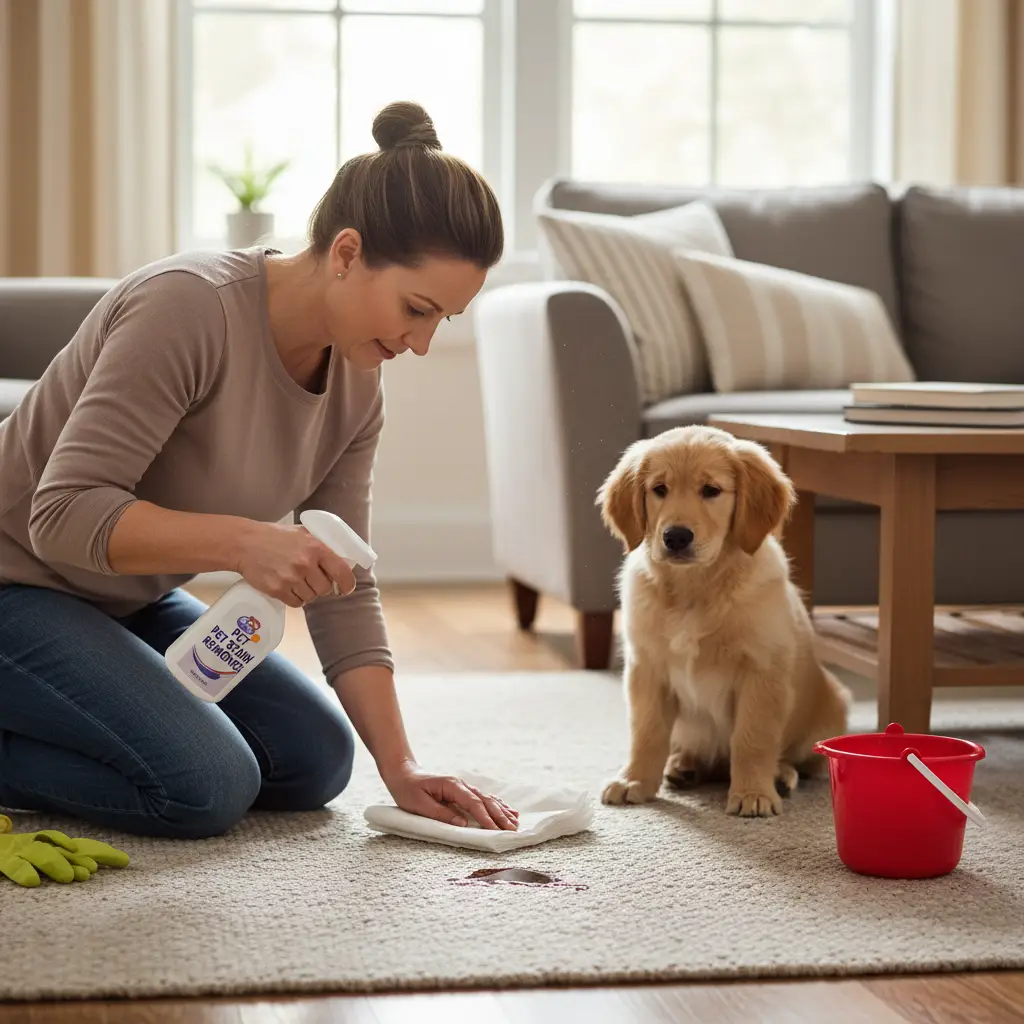
However, any damage caused by your pet – such as scratches on walls or doors, chewed skirting boards, or urine stains on carpets – is considered damage beyond fair wear and tear. As the tenant, you are fully liable for the cost of repairing such damage. This cost will typically be deducted from your bond. It’s important to note that New Zealand law limits bonds to a maximum of four weeks’ rent; there is no separate ‘pet bond’ that can be charged on top of this cap.
To protect yourself, consider obtaining contents insurance that includes cover for accidental damage caused by pets. This can provide financial protection against unexpected repair costs.
Neighbourly Relations and Nuisance
Your responsibility extends beyond the confines of your rental property to your neighbours and the wider community. Key considerations include:
What Happens if a Problem Arises?
Even with the best intentions, issues can sometimes occur. Proactive management is always best:
- Open Communication: If an issue arises (e.g., minor damage, a neighbour complaint), communicate openly and honestly with your landlord or property manager. Work together to find a solution.
- Documentation: Keep records of all pet-related communication, vet visits, training certificates, and proof of flea/worm treatments. This documentation can be invaluable if a dispute escalates.
- Tenancy Tribunal: If a dispute cannot be resolved directly, either party can apply to the Tenancy Tribunal for mediation or adjudication. However, this should always be a last resort, as open communication is usually more effective.
People Also Ask About Pet-Friendly Rentals in NZ
Can a landlord refuse a tenant because they have pets in NZ?
Yes, in New Zealand, a landlord can legally refuse a tenant based on them having pets. The Residential Tenancies Act does not grant tenants an automatic right to keep pets, giving landlords the discretion to implement ‘no pets’ policies. However, some landlords are open to negotiation, especially if presented with a comprehensive pet profile and strong references.
What is a pet clause in a tenancy agreement in New Zealand?
A pet clause is a specific section within a tenancy agreement that outlines the terms and conditions under which a pet is allowed on the property. It typically specifies the type and number of pets, tenant responsibilities for pet care and cleanliness, liability for pet-related damage, and often requires professional cleaning and flea treatment at the end of the tenancy.
Are “pet bonds” legal in New Zealand?
No, there is no separate legal provision for a ‘pet bond’ in New Zealand. The Residential Tenancies Act caps the total bond a landlord can charge at a maximum of four weeks’ rent. Any damage caused by a pet must be covered by this existing bond, not by an additional ‘pet bond’ fee.
What happens if my pet damages a rental property in NZ?
If your pet causes damage to a rental property beyond normal wear and tear, you as the tenant are liable for the cost of repairs. This cost will typically be deducted from your bond. It’s advisable to have contents insurance that covers pet-related damage to protect yourself financially.
How can I increase my chances of getting a pet-friendly rental in NZ?
To increase your chances, create a detailed ‘Pet CV’ with references, health records, and training certificates. Be upfront with landlords, offer to include a clear pet clause in the agreement, and be prepared to let them meet your well-behaved pet. A strong rental history and excellent references for yourself are also crucial.
Are there specific laws about dog barking or cat roaming in NZ rentals?
While the Residential Tenancies Act doesn’t specifically detail pet noise or roaming, local council bylaws often cover dog control (e.g., barking complaints, leash laws, registration). Tenants are generally responsible for ensuring their pets do not cause a nuisance to neighbours. Cat roaming is less regulated, but owners are still responsible for preventing their cats from causing damage or undue disturbance.