Pet vaccinations in NZ are crucial preventative measures designed to protect your beloved companions from a range of potentially fatal diseases. Administered by qualified veterinarians, these vaccines stimulate a pet’s immune system to build defence against common viruses and bacteria, forming a cornerstone of responsible pet ownership across New Zealand.
The Pivotal Role of Regular Vet Check-ups
Regular veterinary check-ups are the bedrock of preventative health for pets, offering far more than just vaccinations. In New Zealand, a proactive approach to pet healthcare ensures that potential health issues are identified and addressed early, often before they manifest as severe symptoms. These routine visits allow veterinarians to establish a baseline for your pet’s health, track changes over time, and provide tailored advice based on their age, breed, lifestyle, and local environmental risks. For organisations like Pet Rescue NZ, advocating for these essential check-ups is paramount, as early intervention can significantly improve quality of life and longevity for rescued animals and pets throughout the community.
Beyond Vaccinations: Comprehensive Health Assessments
During a comprehensive vet check-up, your veterinarian will conduct a thorough physical examination, assessing everything from your pet’s coat and skin to their teeth, ears, eyes, heart, lungs, and joints. They will check their weight, body condition score, and palpate their abdomen for any abnormalities. This holistic assessment can uncover subtle signs of underlying conditions that might otherwise go unnoticed by even the most attentive owner. Detecting issues like dental disease, early signs of arthritis, heart murmurs, or even lumps and bumps at an initial stage can make treatment far more effective and less invasive.
Building a Trusting Relationship with Your Vet
Consistent visits to the same veterinary practice not only provide continuity of care but also foster a strong, trusting relationship between you, your pet, and the veterinary team. This familiarity allows your vet to understand your pet’s unique personality, temperament, and any historical health concerns. Such a relationship is invaluable, especially in emergencies, as your vet will have a comprehensive understanding of your pet’s medical history. They can offer personalised dietary recommendations, behavioural advice, and discuss any concerns you might have about your pet’s well-being, ensuring a tailored approach to their care plan.
Addressing Lifestyle and Environmental Factors
New Zealand’s diverse environments, from bustling cities to rural farmlands and coastal areas, present varying health risks for pets. Regular vet check-ups are the ideal opportunity to discuss your pet’s specific lifestyle – whether they are an indoor cat, an adventurous dog that frequents dog parks, or a working animal. Your vet can then provide targeted advice on parasite prevention, vaccination boosters, and other preventative measures relevant to their exposure risks. This includes discussing potential zoonotic diseases, ensuring the health of both your pet and your family. Staying informed about local disease outbreaks and environmental hazards is also a key component of these routine visits, making them an indispensable part of responsible pet care.
The Economic Benefits of Preventative Care
While some pet owners might view annual check-ups as an unnecessary expense, they are, in fact, a wise investment in the long run. Preventative care is almost always less costly than treating advanced diseases. For instance, addressing early dental issues can prevent expensive extractions and treatments for associated organ damage. Similarly, maintaining up-to-date vaccinations and parasite control can prevent debilitating and often costly illnesses like parvovirus or severe flea infestations. By investing in regular preventative care, you can potentially save thousands in future veterinary bills, minimise your pet’s discomfort, and ensure a healthier, happier life.

Essential Vaccinations for Pets in New Zealand
Vaccinations are a cornerstone of preventative pet health, safeguarding pets from a variety of highly contagious and potentially fatal diseases. For pet owners in New Zealand, understanding which vaccinations are essential and adhering to recommended schedules is critical for protecting their furry family members. These preventative injections work by exposing the immune system to a small, inactivated, or weakened form of a pathogen, allowing the body to develop antibodies without causing the actual disease. This prepared immunity then enables a swift and effective response if the pet encounters the real pathogen in the future. Reputable sources like the New Zealand Veterinary Association (NZVA) provide guidelines for best practices in pet vaccination protocols, reinforcing their importance.
Core Vaccinations for Dogs in New Zealand
For dogs in New Zealand, several core vaccinations are universally recommended due to the prevalence and severity of the diseases they prevent. These typically include protection against:
- Canine Distemper Virus (CDV): A severe, highly contagious, systemic disease affecting the respiratory, gastrointestinal, and nervous systems. It is often fatal.
- Canine Adenovirus (CAV): Causes infectious canine hepatitis, which can lead to liver damage, respiratory disease, and other complications.
- Canine Parvovirus (CPV): A highly contagious and often deadly viral disease that attacks the gastrointestinal tract, causing severe vomiting, diarrhoea, and dehydration, particularly in puppies.
- Leptospirosis (L. interrogans): A bacterial disease spread through the urine of infected animals, particularly prevalent in areas with rodents or stagnant water. It can cause kidney and liver damage and is zoonotic, meaning it can spread to humans.
In addition to core vaccines, non-core vaccinations may be recommended based on your dog’s lifestyle and risk factors. These include:
- Kennel Cough (Bordetella bronchiseptica and Parainfluenza virus): Recommended for dogs that frequently interact with other dogs, such as at boarding kennels, dog parks, or training classes. While not typically life-threatening, it is highly contagious and can cause significant discomfort.
Puppies typically receive a series of vaccinations starting at 6-8 weeks of age, followed by boosters every 3-4 weeks until they are 16 weeks old. After the initial series, adult dogs require regular booster vaccinations, usually annually or every three years, depending on the specific vaccine and your vet’s recommendation. Discussing a tailored vaccination schedule with your local New Zealand vet is crucial, especially considering regional disease prevalence.
Core Vaccinations for Cats in New Zealand
Similar to dogs, cats in New Zealand also have essential core vaccinations designed to protect them from prevalent and serious feline diseases:
- Feline Panleukopenia Virus (FPV): Also known as feline distemper, this highly contagious and often fatal virus attacks rapidly dividing cells, particularly in the gastrointestinal tract and bone marrow, leading to severe illness and immune suppression.
- Feline Calicivirus (FCV): A common cause of upper respiratory infections and oral disease in cats, leading to sneezing, nasal discharge, conjunctivitis, and mouth ulcers.
- Feline Herpesvirus (FHV-1): Another widespread cause of upper respiratory infections (feline influenza), resulting in similar symptoms to FCV, often with more severe eye involvement.
Non-core vaccinations for cats are also important, particularly for outdoor cats or those in multi-cat households:
- Feline Leukaemia Virus (FeLV): A serious and often fatal retrovirus that can cause anaemia, immune suppression, and various cancers. Highly recommended for outdoor cats or those in contact with FeLV-positive cats.
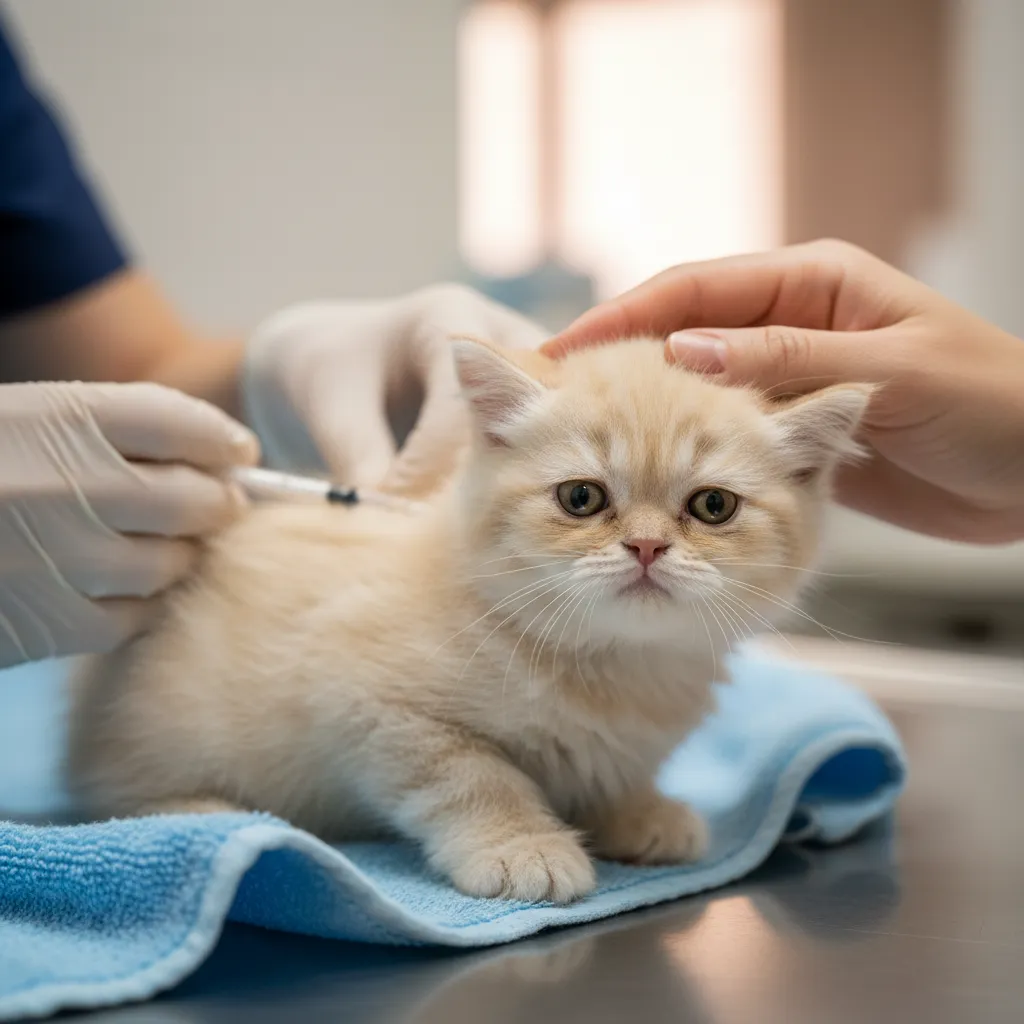
Kittens generally follow a vaccination schedule starting at 6-8 weeks of age, with boosters every 3-4 weeks until around 12-16 weeks. Adult cats then require regular booster vaccinations, typically annually or triennially, based on the vaccine type and their risk factors. Consulting with your veterinarian about the most appropriate vaccination plan for your cat, especially considering whether they are indoor-only or free-roaming, is vital for their long-term health in NZ.
Understanding Vaccination Schedules and Boosters
The concept of “core” and “non-core” vaccinations is vital for New Zealand pet owners to understand. Core vaccines are those recommended for all animals of a species, regardless of lifestyle, due to the global or widespread nature of the diseases and their severity. Non-core vaccines are recommended based on individual risk assessment, which considers geographical location, exposure to other animals, and specific lifestyle factors. It’s important to remember that vaccinations are not a one-time event; booster shots are necessary to maintain immunity over time. Your vet will advise on the most suitable schedule, often transitioning from annual boosters to longer intervals for some core vaccines once initial immunity is established. This strategy ensures continuous protection while avoiding unnecessary over-vaccination.
Effective Parasite Prevention Strategies for NZ Pets
Beyond vaccinations, robust parasite control is another critical pillar of preventative health for pets in New Zealand. Both internal (worms) and external (fleas, ticks, mites) parasites pose significant health risks, causing discomfort, debilitating illness, and in some cases, transmitting diseases to pets and even humans. A comprehensive parasite prevention plan, tailored by your veterinarian, is essential for ensuring your pet’s well-being and maintaining a healthy home environment. Organisations like Pet Rescue NZ frequently deal with pets suffering from parasitic infestations, underscoring the importance of consistent and effective prevention.
Combating Internal Parasites: Worms
Internal parasites, commonly known as worms, are a widespread concern for pet owners. In New Zealand, common intestinal worms include:
- Roundworms (Toxocara canis/cati): Highly prevalent, especially in puppies and kittens, often transmitted from mother to offspring. They can cause a pot-bellied appearance, vomiting, diarrhoea, and stunted growth.
- Hookworms (Ancylostoma spp.): These blood-feeding parasites attach to the intestinal wall, leading to anaemia, weight loss, and bloody stools. They can be transmitted through contaminated soil.
- Whipworms (Trichuris vulpis): Primarily affect dogs, residing in the large intestine. They can cause chronic diarrhoea, weight loss, and anaemia.
- Tapeworms (Dipylidium caninum, Taenia spp.): Often transmitted via fleas (Dipylidium) or by ingesting infected prey animals (Taenia). Symptoms are often mild but can include anal itching and visible segments in faeces.
Regular deworming is crucial, especially for puppies and kittens, who require more frequent treatments. Adult pets should follow a deworming schedule recommended by their vet, typically every 3-6 months, depending on their lifestyle and exposure risks. Modern broad-spectrum dewormers are highly effective against multiple types of worms. Good hygiene practices, such as prompt disposal of faeces, are also vital in preventing environmental contamination and re-infestation.
Managing External Parasites: Fleas, Ticks, and Mites
External parasites can cause intense itching, skin irritation, hair loss, and even transmit serious diseases. The most common external parasites affecting pets in NZ include:
- Fleas: The most common external parasite. Flea bites cause itching and allergic reactions (flea allergy dermatitis). Heavy infestations can lead to anaemia, especially in young or debilitated animals. Fleas also transmit tapeworms.
- Ticks: While not as prevalent throughout all of NZ as in some other countries, certain tick species do exist and can transmit diseases. Ticks attach to the host and feed on blood.
- Mites: Various mites can cause skin conditions like sarcoptic mange (scabies), demodectic mange, and ear mites. These can lead to severe itching, hair loss, skin infections, and discomfort.
Effective prevention strategies involve using appropriate parasiticides regularly. A wide range of products is available, including topical spot-ons, oral tablets, collars, and sprays. Your veterinarian can recommend the best option based on your pet’s species, age, weight, and lifestyle. It’s also important to treat the environment for fleas, as a significant portion of the flea population (eggs, larvae, pupae) resides in carpets, bedding, and furniture. Regular vacuuming and washing pet bedding in hot water can significantly reduce environmental parasite load. For comprehensive guidance on managing these pests, resources like the Ministry for Primary Industries (MPI) website often provide valuable information on biosecurity and animal health in New Zealand.
The threat of exotic parasites making their way to New Zealand is also a real concern, highlighting the importance of strict biosecurity measures and vigilant pet health monitoring. Owners travelling with pets, or pets imported into the country, undergo rigorous checks and treatments to prevent the introduction of new pests.
Comprehensive Wellness Plans and Routine Screenings
Moving beyond immediate threats like diseases and parasites, a truly holistic approach to preventative health for pets in New Zealand involves embracing comprehensive wellness plans and routine screenings. These proactive strategies are designed to support a pet’s overall health throughout their life, focusing on early detection of age-related conditions, nutritional management, and maintaining optimal physical and mental well-being. This forward-thinking approach is strongly advocated by veterinary professionals and organisations dedicated to animal welfare, like Pet Rescue NZ, which understands that sustained wellness leads to a happier, longer life for every animal.
The Benefits of Structured Wellness Programs
Many veterinary clinics in New Zealand offer structured wellness plans, which typically bundle essential preventative services into an affordable, regular payment scheme. These plans often include annual or bi-annual check-ups, necessary vaccinations, routine parasite control treatments, and sometimes even basic diagnostic screenings. The primary benefit of a wellness plan is to encourage consistent preventative care, ensuring that pets receive all necessary treatments and examinations without owners feeling the financial burden all at once. This predictable scheduling helps maintain a pet’s health trajectory, allowing vets to spot trends or subtle changes that might indicate developing issues before they become serious.
Routine Diagnostic Screenings: Beyond the Physical Exam
While a physical examination is incredibly informative, routine diagnostic screenings provide an invaluable deeper insight into your pet’s internal health. These tests become increasingly important as pets age or if they belong to breeds predisposed to certain conditions. Common routine screenings include:
- Blood Tests (Complete Blood Count and Biochemistry Profile): These can detect a wide range of issues, including anaemia, infection, inflammation, organ dysfunction (kidney, liver, pancreas), and even early signs of certain cancers.
- Urinalysis: A comprehensive urine test can reveal urinary tract infections, kidney disease, diabetes, and other metabolic disorders.
- Faecal Examinations: Regular faecal checks are crucial for identifying intestinal parasites that might not be visible to the naked eye, even if your pet is on a deworming schedule.
These screenings act as an early warning system, allowing for prompt intervention and management, which can significantly improve outcomes and quality of life. For instance, early detection of kidney disease through blood work can lead to dietary changes and medication that slow its progression for years.
Dental Health: A Silent Contributor to Overall Wellness
Dental disease is one of the most common health problems in pets, affecting over 80% of dogs and 70% of cats by age three. Yet, it often goes unnoticed by owners. Untreated dental issues can lead to pain, difficulty eating, and bacterial infections that can spread to other organs, including the heart, kidneys, and liver. Routine veterinary check-ups include an oral examination, and your vet may recommend professional dental cleaning under anaesthesia. Beyond professional care, daily dental hygiene practices at home, such as brushing your pet’s teeth, dental chews, and specific dental diets, play a crucial role in preventing plaque and tartar build-up. Neglecting dental health is a significant oversight in preventative care, impacting not just oral comfort but systemic health.
Nutrition, Weight Management, and Lifestyle
Proper nutrition is fundamental to your pet’s health, impacting their energy levels, coat condition, immune system, and overall vitality. Your veterinarian can offer guidance on appropriate diets tailored to your pet’s age, breed, activity level, and any specific health conditions. Weight management is also critical; obesity in pets is a growing concern in NZ, leading to an increased risk of diabetes, arthritis, heart disease, and reduced lifespan. Regular exercise, combined with a balanced diet, is key to maintaining a healthy weight. Discussing your pet’s diet and exercise routine during wellness checks ensures they are receiving optimal support for a long and healthy life.
Tailoring Care for Senior Pets
As pets enter their senior years, their preventative healthcare needs evolve. Wellness plans for senior pets often include more frequent check-ups (e.g., twice a year) and a broader range of diagnostic screenings to monitor for age-related conditions like arthritis, organ degeneration, cognitive dysfunction, and cancer. Regular pain management assessments and adjustments to diet and exercise routines become increasingly important. Proactive care for senior pets helps manage chronic conditions effectively, ensuring their twilight years are as comfortable and enjoyable as possible. This commitment to lifelong care is a hallmark of responsible pet ownership and aligns perfectly with the values promoted by organisations dedicated to animal welfare across New Zealand.

People Also Ask
How often should pets in New Zealand be vaccinated?
In New Zealand, puppies and kittens typically receive a series of vaccinations starting around 6-8 weeks of age, with boosters every 3-4 weeks until they are 12-16 weeks old. After this initial series, adult pets generally require booster vaccinations annually or every three years, depending on the specific vaccine type, their lifestyle, and individual risk factors. Your veterinarian will advise on a tailored schedule to ensure continuous protection.
Are pet vaccinations legally required in New Zealand?
While there are no specific national laws in New Zealand mandating core pet vaccinations for all domestic animals, they are highly recommended by veterinarians and animal welfare organisations. Some local councils or pet care services (like boarding kennels, doggy daycares, or travel arrangements) may require proof of up-to-date vaccinations for entry or travel. It is considered a fundamental aspect of responsible pet ownership to protect pets from preventable diseases.
What are the most common parasites affecting pets in New Zealand?
The most common parasites affecting pets in New Zealand include internal parasites like roundworms, hookworms, whipworms, and tapeworms. External parasites frequently encountered are fleas, various types of mites (e.g., ear mites, sarcoptic mites), and certain tick species depending on the region. Regular preventative treatments are crucial to manage these common pests.
Can I get my pet vaccinated at Pet Rescue NZ?
Pet Rescue NZ is primarily an animal welfare organisation focused on rescuing, rehabilitating, and rehoming pets. While they ensure all animals in their care are vaccinated and receive necessary veterinary attention before adoption, they do not typically operate as a public veterinary clinic for owned pets. For ongoing vaccinations and veterinary care for your pet, it’s best to consult a local private veterinary practice.
What is the cost of pet vaccinations in NZ?
The cost of pet vaccinations in New Zealand can vary depending on the veterinary clinic, the type of vaccine (core vs. non-core), and the number of doses required. Puppy and kitten vaccination courses, which include multiple visits, will have a different overall cost than annual booster shots for adult pets. It’s best to contact your local veterinary clinic directly for an accurate quote, as prices can range from approximately $80 to $150+ per vaccination appointment.
Why is parasite control important even for indoor pets?
Even indoor pets require regular parasite control because parasites can still find their way into homes. Fleas or ticks can be brought in on human clothing, shoes, or other pets that go outdoors. Some internal parasites, like roundworms, can be transmitted through contaminated soil tracked inside. Preventing infestations in indoor pets protects them from discomfort and illness and prevents potential transmission of zoonotic parasites to human family members.