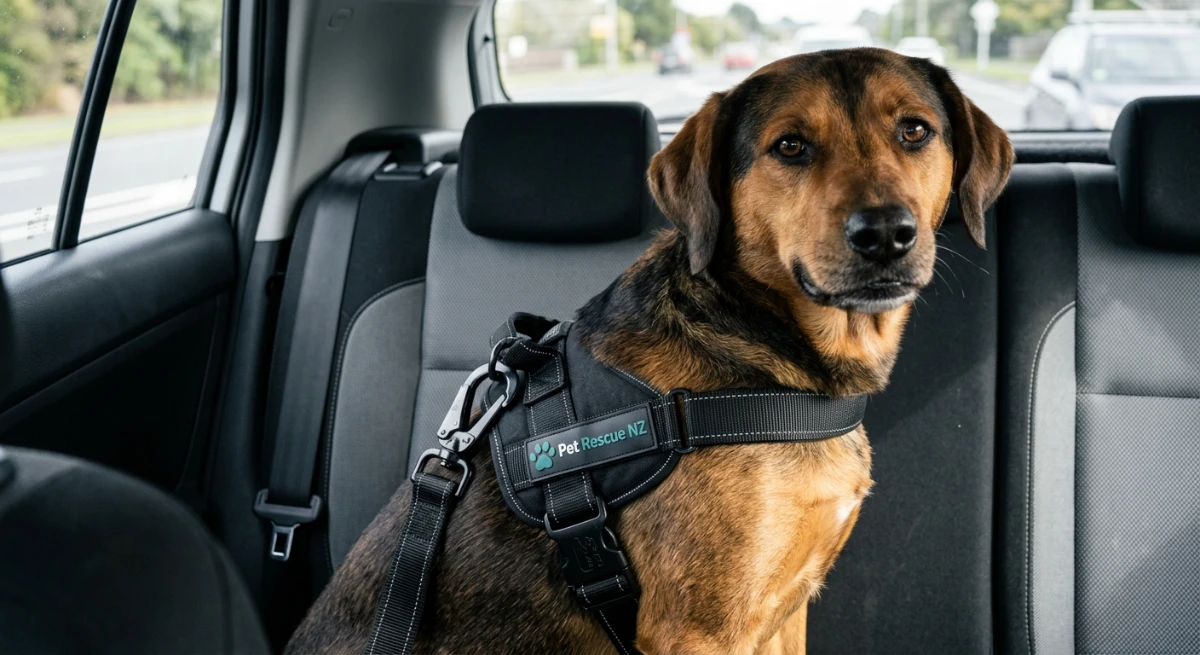
Safe Dog Rehoming in NZ: Tips for Transporting Your Dog
Life changes. We get it. Handing over your dog to a new family is incredibly tough, and the emotions involved can make logistics feel overwhelming.
When planning a safe dog rehoming in NZ, tips for transporting your dog usually start with one golden rule — keep them calm. Your dog picks up on your energy immediately. If you are stressed during the drive or flight, they will be too.
A successful handover is about more than just getting from point A to point B. It is about setting the dog up for success in their new home, ensuring they arrive relaxed and ready to settle in.
Key Takeaways
For safe dog rehoming in NZ, tips for transporting your dog include using a crash-tested vehicle harness or an IATA-approved travel crate. If flying, Air New Zealand charges a $120 domestic pet fee. Always pre-book travel, maintain a calm environment, and never leave dogs unattended in hot vehicles.
The Emotional Reality of Transporting a Pet
Dogs thrive on routine. When that routine shifts unexpectedly, they look directly to you for reassurance and safety.
Arriving stressed or panicked makes the first few days much harder for the new adopting family. That is why taking your time on handover day matters so much.
Do not rush the packing process. Let them sniff their travel crate, keep your voice level, and maintain a reassuring presence. Your quiet confidence will help them settle.
Preparing Your Dog for the Journey
Preparation is the secret to a stress-free move. You cannot just put a dog in a confined crate for the first time on the morning of a flight and expect them to cope well.
Start crate training weeks in advance if possible. Leave the travel crate open in the lounge with their favourite bedding inside, and feed them meals near the crate to build positive associations.
If you are driving, take them on short, positive trips in the car leading up to the big day. Go to the beach or the park, not just the vet. This breaks the association that car rides only lead to stressful places.
Do not feed your dog a heavy meal right before travel. A light meal 4 to 6 hours before the journey helps prevent motion sickness, while still giving them enough energy to cope with the day.
Essential Handover Packing List
To ensure a smooth transition, pack a dedicated handover bag. This gives the new owners exactly what they need for the first 48 hours without needing to rush to the shops.
- Current Food: At least a week’s supply to prevent sudden dietary changes and upset stomachs.
- Familiar Scents: An unwashed blanket or their favourite soft toy. The smell of their old home provides immense comfort.
- Medical Records: Physical copies of their vaccination book, desexing certificate, and any ongoing medication.
- Microchip Paperwork: The details needed to transfer the microchip registration on the NZ Companion Animal Register.
Hitting the Road: Driving Your Dog to Their New Home
Most Kiwi families choose to drive when rehoming a pet locally. It feels familiar and gives you total control over the environment and the pacing of the trip.
But a loose dog in a car is a serious hazard. The New Zealand Transport Agency (NZTA) is clear — drivers must not operate a vehicle if an animal is causing a distraction. A frightened dog climbing into the front seat is dangerous for everyone on the road.
Securing Your Dog Safely
Always use a crash-tested dog harness that clips directly into the seatbelt. Alternatively, a secured crate in the boot or back seat works perfectly for smaller breeds.
If you drive a ute, never let your dog ride loose on the open tray. It is highly dangerous. They must be tethered tightly to a central point so they cannot fall or jump over the side.
Planning to stop for a walk? Dogs are strictly prohibited in New Zealand national parks — even if they stay inside the vehicle. Department of Conservation (DOC) staff can issue an instant $400 infringement fee if you are caught.
Managing Temperature and Rest Stops
New Zealand summers can be brutal on pets. Cars heat up incredibly fast, even with the windows cracked slightly open.
Never leave your dog unattended in a vehicle during a rest stop. If you need to grab food or use the bathroom, ensure someone stays in the car with the air conditioning running.
Plan your route to include safe, dog-friendly stops every two hours. Let them stretch their legs, offer small amounts of water, and give them a chance to toilet safely away from heavy traffic.
Taking to the Skies: Air New Zealand Pet Travel
Sometimes the perfect family lives in another island. Flying is often the quickest and least stressful option for moving a dog long distances.
Air New Zealand allows dogs to travel as checked baggage on domestic flights. They travel in a fully pressurised and temperature-controlled cargo hold. It is safe, dark, and designed to help them sleep.
Flight Costs and Crate Rules
The airline charges a flat fee of $120 for domestic pet carriage. You must pre-book this space, as flights have strict limits on the number of live animals allowed onboard.
Your dog must travel in an IATA-approved rigid plastic or metal crate. Soft carriers are never allowed in the hold. The crate must be large enough for your dog to stand without touching the roof, turn around, and lie down comfortably.
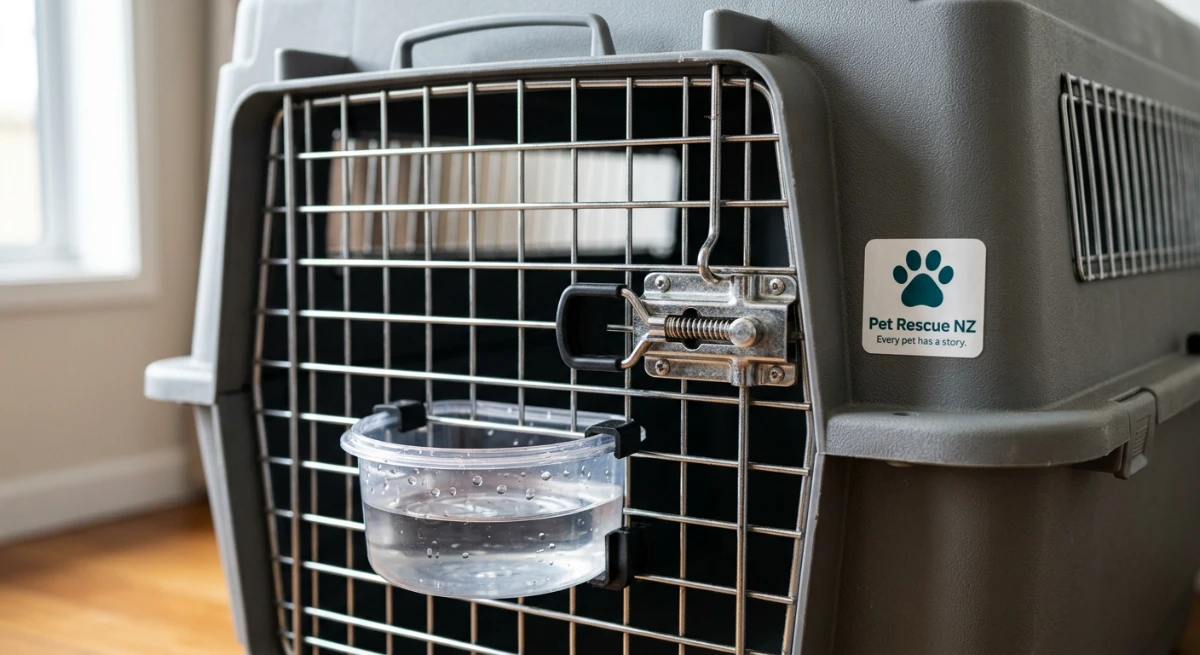
If your flight involves a smaller regional turbo-prop aircraft, space is highly restricted. You may be required to book through an approved commercial pet transporter rather than directly with the airline.
Check-In and Handling
Arrive at the airport well ahead of your flight time. Checking in a live animal takes longer than dropping off a standard suitcase due to the paperwork involved.
Keep your dog in their crate once you enter the terminal to prevent them from getting spooked by luggage trolleys or crowds. Ensure the crate has an absorbent puppy pad lining the bottom, just in case of nervous accidents.
Hiring Professional Pet Transporters
If you cannot manage the transport yourself, a professional pet courier is a fantastic option. They handle everything from door-to-door, taking the pressure completely off your shoulders.
When arranging a safe dog rehoming in NZ, tips for transporting your dog often include letting the experts take the wheel. They operate custom-fitted, air-conditioned vans designed specifically for animal welfare.
This removes the heavy emotional burden from you on handover day. The courier arrives, settles the dog professionally, and updates the new owners on their estimated time of arrival.
Always ensure the transport company is MPI-approved or officially registered with Air New Zealand. Ask for photos of their vehicle setup before handing over your pet.
Comparing Your Transport Options
Every rehoming situation is unique. Here is a clear breakdown of the most common ways to move a dog across Aotearoa to help you make the best choice.
| Transport Method | Best For | Average Cost | Pros & Cons |
|---|---|---|---|
| Self-Drive | Local or regional moves | Fuel costs only | Highly personal and controlled, but can be emotionally draining. |
| Air New Zealand | Inter-island adoptions | $120 flat fee (plus crate) | Fastest option. Requires strict IATA crate compliance. |
| Professional Courier | Busy owners, long distances | $250 – $500+ | Stress-free and highly professional. The most expensive option. |
| Uber Pet | Short city trips | Standard fare + $5 | Great for quick vet runs. Not ideal for moving day logistics. |
Visualising Transport Costs
Budgeting is an important part of the handover process. Here is a look at the estimated baseline costs for different transport methods across New Zealand to help you plan.
Final Thoughts on the Journey
Rehoming is an act of deep love. Ensuring they travel safely is the final gift you give them before they start their new chapter with a new family.
Take a deep breath. Prepare their space properly. Trust your gut. You are doing the right thing, and a safe dog rehoming in NZ is entirely within your control when you plan ahead.
Every pet has a story. By managing their transport with patience and care, you are helping them write a beautiful next chapter.
About the Author
We are a family-run, community-driven platform dedicated to home-to-home pet rehoming in Aotearoa. With over 250 successful rehomings and zero shelter time, our mission is to empower Kiwi families to make the best, safest choices for their pets.