
How to Screen Potential Adopters Safely (NZ Guide)
Life changes. We get it. Sometimes, the most loving choice you can make for your pet is finding them a family who can give them what you currently can’t.
But handing over your best friend is terrifying. You want a seamless, safe transition from your couch to theirs, without the anxiety of overcrowded shelters or the chaos of unmoderated social media groups.
When you are figuring out how to screen potential adopters safely, your biggest fear is the unknown. You need a structured, reliable way to verify that the people taking your pet are genuine, capable, and kind.
This guide is designed to give you complete control over your pet’s future. We will walk you through the exact steps to protect your pet, spot red flags, and ensure a successful home-to-home transition in New Zealand.
Key Takeaways
To screen potential adopters safely in NZ, ask detailed lifestyle questions, insist on a neutral-ground meet-and-greet, and verify landlord permission for renters. Always complete the legal handover by notifying your local council within 14 days under the Dog Control Act 1996.
The 2026 Rehoming Landscape in Aotearoa
Right now, the New Zealand pet welfare sector is buckling under the weight of a severe cost-of-living crisis. Traditional physical shelters are simply no longer a viable safety net for every animal.
Recent data shows that 1 in 6 Kiwi pet owners have considered rehoming their pet due to financial strain. In Auckland alone, council shelters impounded over 12,000 dogs in a recent 12-month period, resulting in a devastating euthanasia rate exceeding 50%.
This harsh reality is exactly why Pet Rescue NZ champions the “No-Shelter” movement. By facilitating direct home-to-home adoptions, we bypass the overwhelmed pound system entirely.
Your pet stays safe and comfortable at home until the right family says yes. This approach guarantees zero cage time and drastically reduces stress for both you and your animal.
Step 1: Spotting Red Flags in the First Message
The screening process actually begins the moment an inquiry lands in your inbox. A genuine adopter will take the time to read your listing and ask thoughtful questions about your pet’s personality.
Scammers and impulsive buyers, on the other hand, reveal themselves quickly. They often rush the process, demanding immediate collection or offering to pay sight-unseen.
Platforms like Trade Me and Facebook are currently heavily targeted by “Phantom Puppy” and “Advance Fee” scammers. Never hand over your pet to someone who refuses a live video call or an in-person meet-and-greet.
Watch out for generic messages that don’t mention your pet by name. If a potential adopter seems more focused on the transaction than the animal’s welfare, it is best to politely decline and move on.
Genuine Kiwi families understand that rehoming is a deeply emotional process. They will respect your pace and be entirely willing to prove they can provide a loving home.
Step 2: The Non-Negotiable Screening Questions
Learning how to screen potential adopters safely means asking direct, honest questions. You aren’t interrogating them; you are simply ensuring their lifestyle matches your pet’s specific needs.
A good adopter will never mind answering these questions. In fact, they will appreciate how much you care about your pet’s future well-being.
| Screening Question | Green Flag (Good Answer) | Red Flag (Warning Sign) |
|---|---|---|
| Where will the pet sleep at night? | Inside the house, integrated as part of the family. | Outside on a chain, or in an unsecured, drafty shed. |
| How many hours a day will they be alone? | Answers that show a realistic plan for work hours and pet care. | “We work 12-hour shifts but they will be fine in the yard.” |
| Are you prepared for unexpected vet bills? | Yes, we have pet insurance or emergency savings set aside. | Avoids the question or complains about the cost of basic pet care. |
Verifying Living Arrangements
Always ask about the physical environment of their home. If you are rehoming a large, energetic dog, a fully fenced yard is absolutely critical for their safety.
If the potential adopter rents their home, always ask to see written permission from their landlord. Many heartbreaking returns happen because a landlord discovers an unapproved pet on the property.
Don’t be afraid to ask for photos of their fencing and outdoor spaces. A committed adopter will gladly send you a quick video tour of their backyard to put your mind at ease.
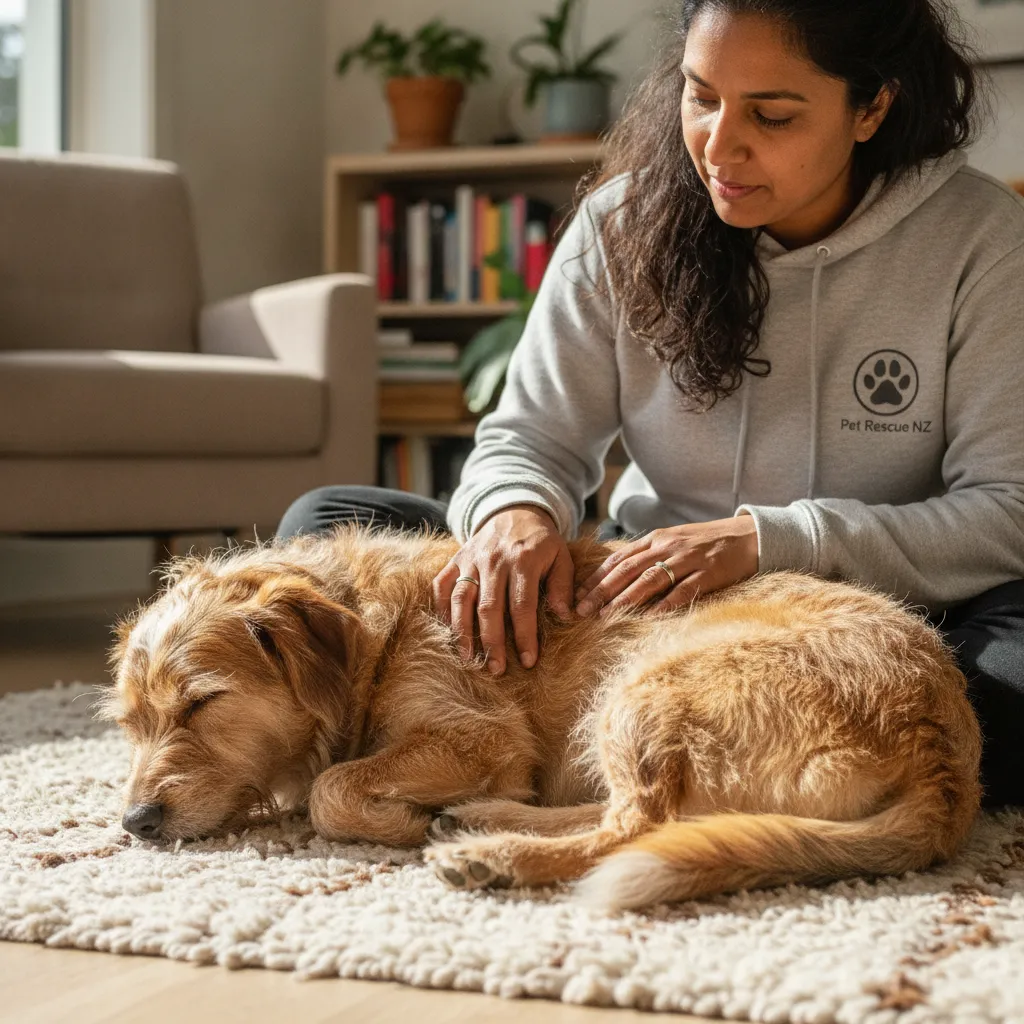
Step 3: Conducting a Safe Meet-and-Greet
Never hand over your pet during the very first meeting. The initial meet-and-greet should be purely an introduction to see if the chemistry is right between the animal and the new family.
Always choose a neutral, public location for this first meeting, like a quiet local park. This reduces territorial behavior in dogs and provides a safe, open environment for everyone involved.
Observe closely how the potential adopter interacts with your pet. Do they let the animal approach them at their own pace, or are they overly forceful and loud?
- Look for gentle, patient body language from the adopter.
- Ensure all members of the new household are present, especially young children.
- If the adopter brings their existing dog, ensure the introduction happens slowly on neutral ground.
If the first meeting goes well and your gut tells you it’s a match, arrange a second meeting at their home. This allows you to verify their living conditions and see exactly where your pet will be sleeping.
Step 4: Navigating the Legal Handover in NZ
The final and most crucial step in how to screen potential adopters safely is managing the legal paperwork. In New Zealand, you cannot simply hand over a dog and walk away.
Under the Dog Control Act 1996, the legal “Duty of Care” remains strictly with you until the official local council handover is completed and processed.
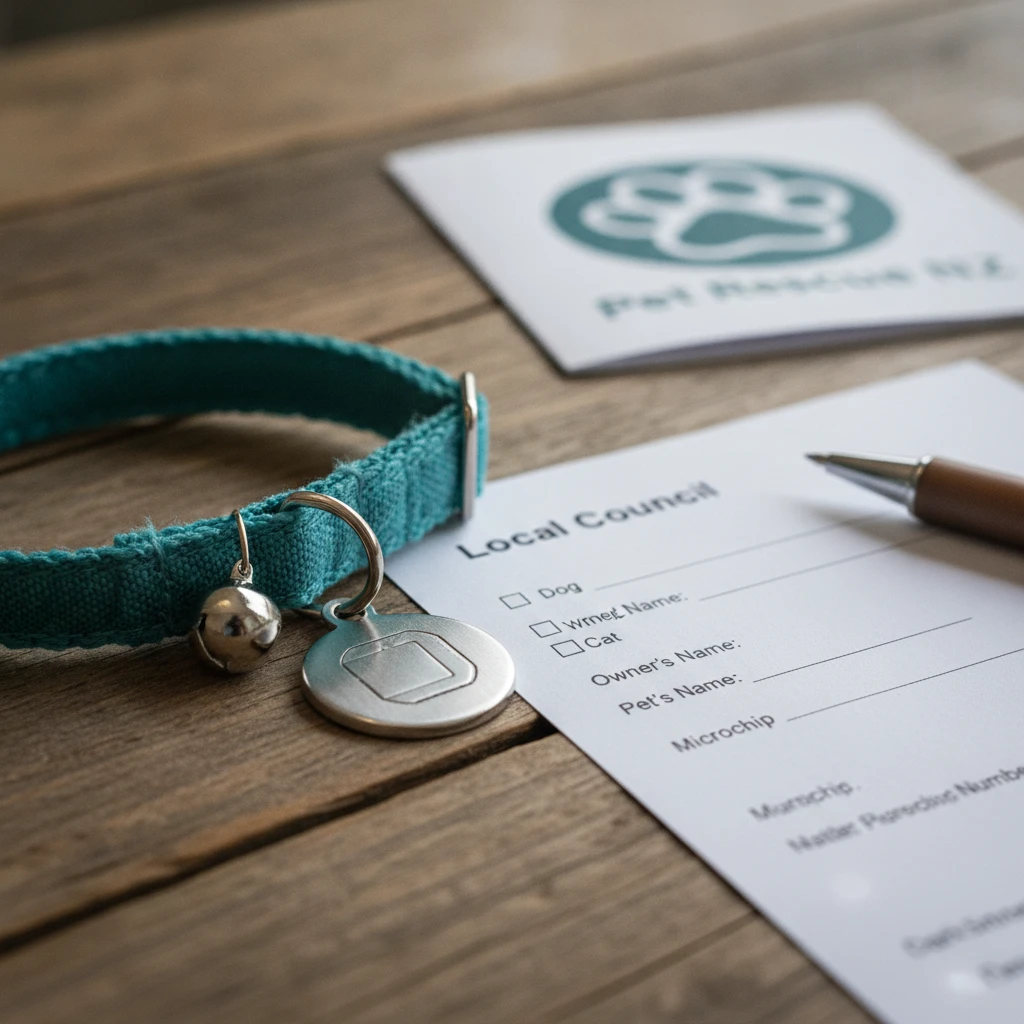
You must notify your local council in writing within 14 days of the change of ownership. Both the previous owner and the new owner must sign the official transfer of ownership forms.
Failing to update the council means you could be held liable for any fines or issues the dog causes in the future. It is a simple administrative step, but it protects both you and the animal.
Additionally, you must update the New Zealand Companion Animal Register (NZCAR). This ensures the pet’s microchip is officially registered to the new family, keeping them safe if they ever get lost in their new neighbourhood.
Why Pet Rescue NZ is the Safest Path Forward
We know that making the decision to rehome a pet carries a heavy emotional burden. That is exactly why Pet Rescue NZ exists — to provide a safe, structured alternative to the chaos of online classifieds.
We are a family-run, community-driven platform built by Kiwis, for Kiwis. We don’t have hidden corporate agendas, and we don’t charge the exorbitant surrender fees that many physical shelters require.
No shelters. No middlemen. Just good people finding each other. You retain 100% control over who adopts your pet, ensuring they go to a home that perfectly matches their needs.
By using our platform, you gain access to our active community of animal lovers while utilizing our built-in scam awareness tools. We guide you through the process so you never have to do it alone.
Trust your gut. You will know when you have found the right family. Every pet has a story, and we are here to help you write the next chapter safely and with complete peace of mind.