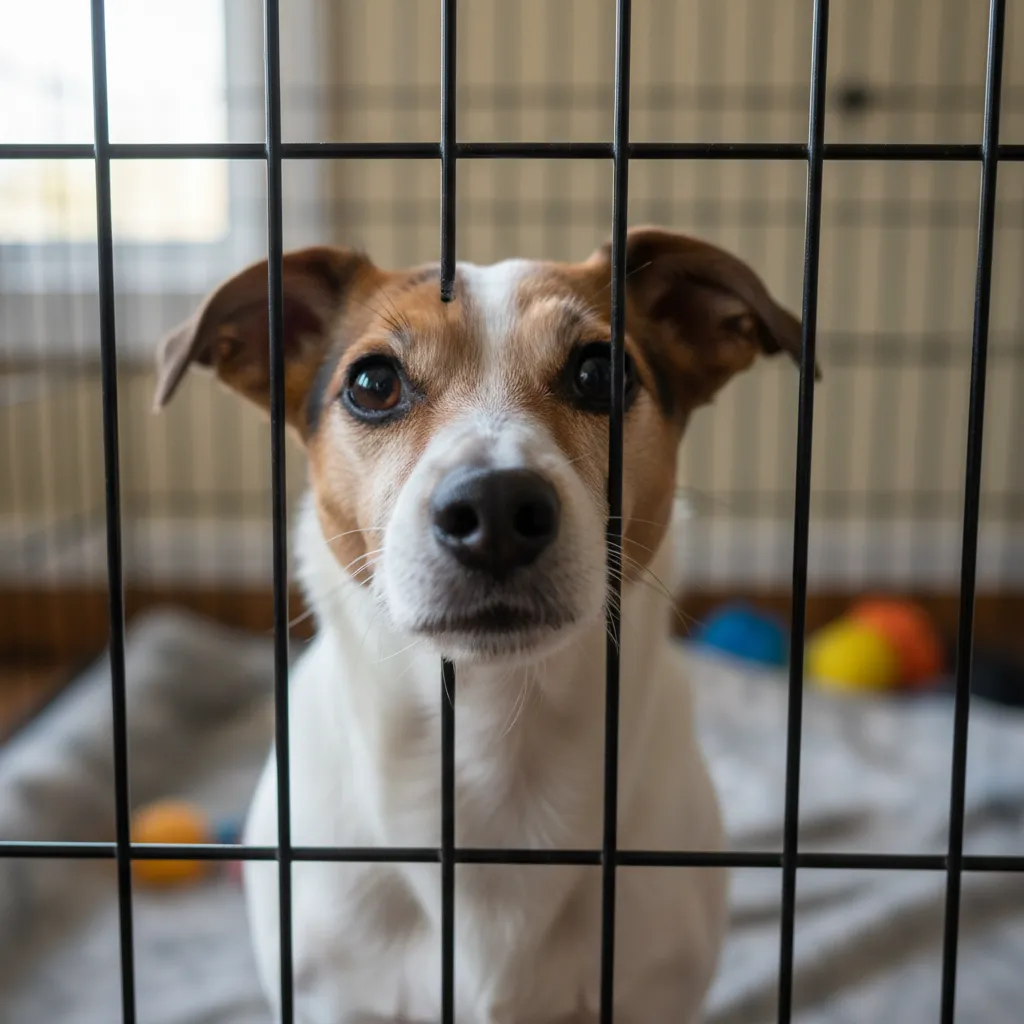
Small Breed Rescue Specific Needs
Small dog rescue NZ refers to the specialized network of animal welfare organizations and foster groups across New Zealand dedicated to rehabilitating and rehoming toy and miniature breeds. To adopt a small dog successfully, prospective owners must navigate a competitive application process, demonstrate a secure property with gap-free fencing, and prepare for breed-specific health commitments such as dental care and luxating patella management.
Adopting a companion animal is a life-changing decision, but navigating the landscape of small dog rescue NZ presents a unique set of challenges and rewards. In New Zealand, the demand for petite breeds has skyrocketed, driven largely by urbanization and the tightening rental market. Unlike their larger counterparts, small dogs offer a strategic advantage for tenants and apartment dwellers, yet they also come with distinct physiological and psychological needs that aspiring owners must understand.
This guide serves as a comprehensive resource for potential adopters, tenant advocates, and animal lovers looking to understand the intricacies of rescuing small breeds in Aotearoa. From the specific health vulnerabilities of Chihuahuas to the high-energy demands of Jack Russell Terriers, we cover the essential knowledge required to provide a forever home for these vulnerable animals.
The Rental Advantage: Why Small Dogs are High Demand
In the current New Zealand housing climate, securing a rental property that allows pets is notoriously difficult. This scarcity has created a surge in demand for small rescue dogs. Landlords and property managers are often more amenable to approving tenants with small breeds (under 10kg) compared to larger working breeds, perceiving them as lower risk regarding property damage and noise complaints.
However, this “rental gold” status means that competition for small dogs in rescues is fierce. When a small breed becomes available at the SPCA or a private rescue, the organization often receives dozens of applications within hours. For tenants, this necessitates a proactive approach to adoption.
Advocacy and the Pet CV
To stand out in the small dog rescue NZ ecosystem, applicants—especially renters—must prove their stability. Rescues are hesitant to place dogs in situations where housing insecurity might lead to the dog being returned. Creating a robust “Pet CV” is a critical step. This document should include references from previous landlords, proof of responsible ownership (vet records), and a clear plan for the dog’s care during work hours.
According to Tenancy Services NZ, while landlords can ask for specific conditions regarding pets, clear communication and prior written consent are vital. Demonstrating knowledge of your rights and responsibilities as a tenant can reassure rescue coordinators that the adoption is sustainable.
Common Small Breeds in NZ Rescues
New Zealand’s rescue landscape is populated by specific breeds that reflect local ownership trends. Understanding the traits of these common rescues is essential for finding a compatible match.
The Chihuahua and Crosses
Chihuahuas are frequently found in rescue care, often surrendered due to changes in owner circumstances or behavioral issues resulting from a lack of socialization. Despite their size, they possess a tenacious spirit. In a rescue context, they may display fear-aggression initially but bond intensely with a single owner once trust is established.
The Terrier Mixes
Jack Russell Terriers and Fox Terriers are staples of the Kiwi lifestyle. However, their high prey drive and boundless energy often lead to them being surrendered by owners who expected a lap dog but got a working hunter. These dogs thrive in active homes and require significant mental stimulation, not just a short walk around the block.
The Bichon and Poodle Crosses
Often termed “Oodles,” these dogs end up in rescue frequently due to the high cost and effort of grooming. Matting is a severe welfare issue for these breeds. Rescues often receive these dogs in poor condition, requiring immediate sedation and shaving to relieve pain.
Specific Health Needs of Small Rescue Dogs
Small dogs are not merely smaller versions of large dogs; they have distinct physiological structures that predispose them to specific health issues. When adopting from a small dog rescue NZ, you must be financially prepared for these common veterinary conditions.
Dental Disease
Periodontal disease is the number one health issue in small breeds. Because their teeth are crowded into small jaws, plaque accumulates rapidly. It is not uncommon for rescue dogs to require extensive dental surgery, including multiple extractions, immediately upon coming into care. Adopters should budget for annual professional dental cleanings, which can cost between $400 and $1,000 NZD depending on the severity.
Patellar Luxation
Many small breeds suffer from Patellar Luxation, a condition where the kneecap dislocates from its normal position. This can range from mild skipping to severe lameness requiring orthopedic surgery. Rescues will usually disclose if a dog has “grade” knees (Grade 1 to 4), but arthritis often develops earlier in these joints.
Tracheal Collapse
The cartilage rings of the trachea in toy breeds can be weak, leading to collapse during excitement or exercise. This manifests as a “honking” cough. This condition necessitates the use of harnesses rather than collars to prevent pressure on the throat—a non-negotiable rule for most small dog rescues.
Safety Protocols: Fencing and Environment
A primary reason adoption applications are declined in the small breed sector is inadequate fencing. The requirements for housing a Chihuahua are vastly different from those for a Labrador.
The “Gap” Test
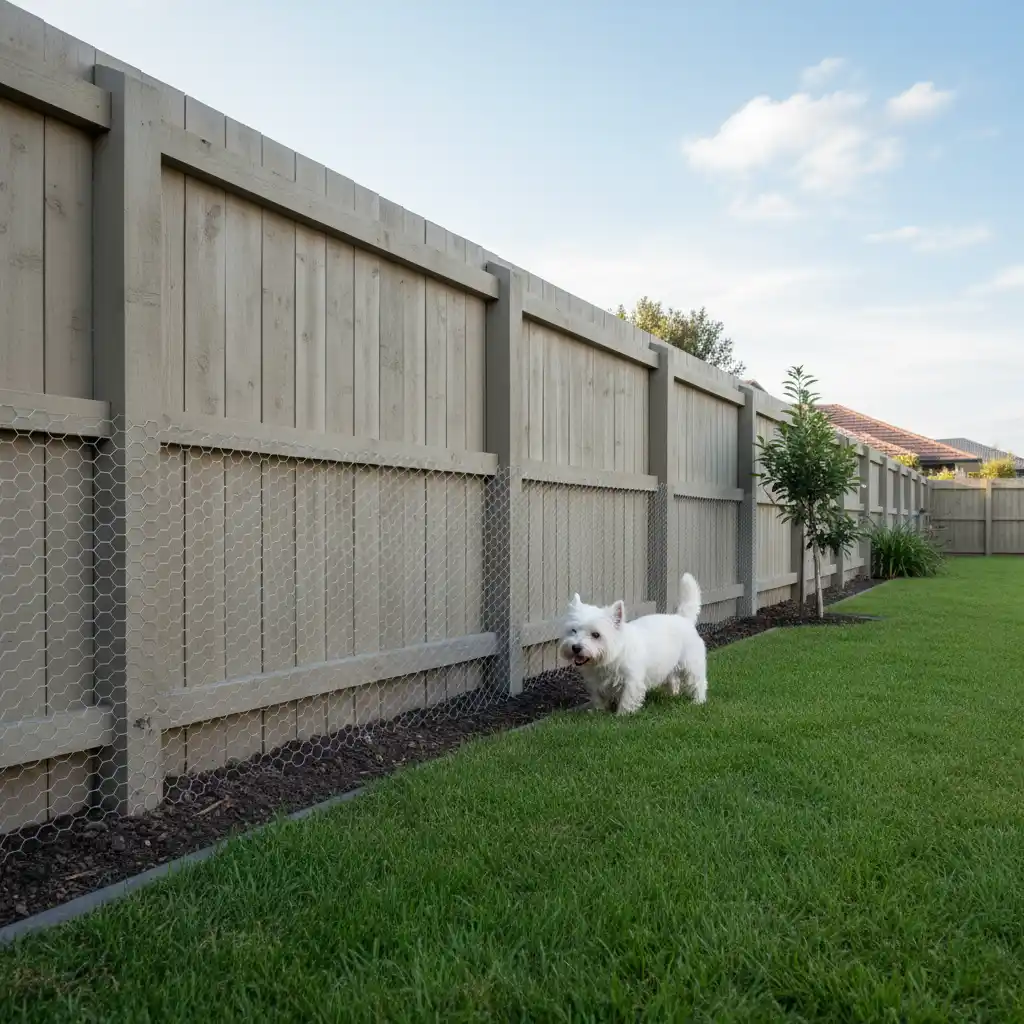
Small dogs can squeeze through gaps as narrow as 5-7 centimeters. Rescues will require a property check to ensure that fences are not only high enough to prevent jumping but solid enough to prevent squeezing through. Standard farm fencing or post-and-rail with wire often requires modification, such as the addition of chicken mesh or puppy netting, to be deemed safe.
Predator Awareness
In rural or semi-rural NZ settings, small dogs can be vulnerable to hawks (Kāhu) or aggressive interactions with larger farm dogs. Even in suburban areas, a small dog is at higher risk of injury from interactions with cats or off-leash large dogs at parks. Adopters need to be hyper-vigilant about supervision.
Behavioral Rehabilitation: Beyond ‘Small Dog Syndrome’
“Small Dog Syndrome” is a colloquial term for a collection of behaviors—growling, snapping, jumping up—that are often tolerated in small dogs but would be deemed dangerous in large breeds. In reality, these behaviors often stem from anxiety and a lack of agency.
Respecting Bodily Autonomy
Because they are easily picked up, small dogs often have their warning signals ignored. A rescue dog may have a history of being manhandled. Rehabilitation involves teaching the dog that they have a choice. Instead of scooping them up abruptly, owners should be encouraged to use cues and positive reinforcement to invite the dog into their space.
Potty Training Challenges
Small dogs have higher metabolisms and smaller bladders than large breeds. Furthermore, many rescue dogs may have been puppy mill breeding stock or kept exclusively indoors/outdoors without training. Patience is key. Adopters should expect regression in toilet training and utilize crate training or confinement areas to re-establish good habits.
Navigating the Adoption Process in New Zealand
The adoption process for small breeds is rigorous, designed to ensure the safety of the animal and the longevity of the placement.
- The Application: This involves a detailed questionnaire regarding your lifestyle, work hours, and housing situation. Be honest about how many hours the dog will be left alone; small dogs often struggle with separation anxiety.
- The Meet and Greet: If your application is shortlisted, you will meet the dog. This is often done at the foster home or a neutral location. Bring all family members and any existing dogs to check for compatibility.
- Property Inspection: A volunteer will visit your home to check fencing and security.
- Trial Period: Most NZ rescues offer a trial period (usually 2-4 weeks) to ensure the fit is right before finalizing the adoption paperwork.
Preparing Your Home for a Petite Companion
Preparation is the antidote to anxiety for a new rescue dog. Before bringing your new family member home, ensure you have the correct equipment.
- Harness and Leash: Never attach a leash solely to a collar for a small breed. Invest in a well-fitted Y-front harness that does not restrict shoulder movement.
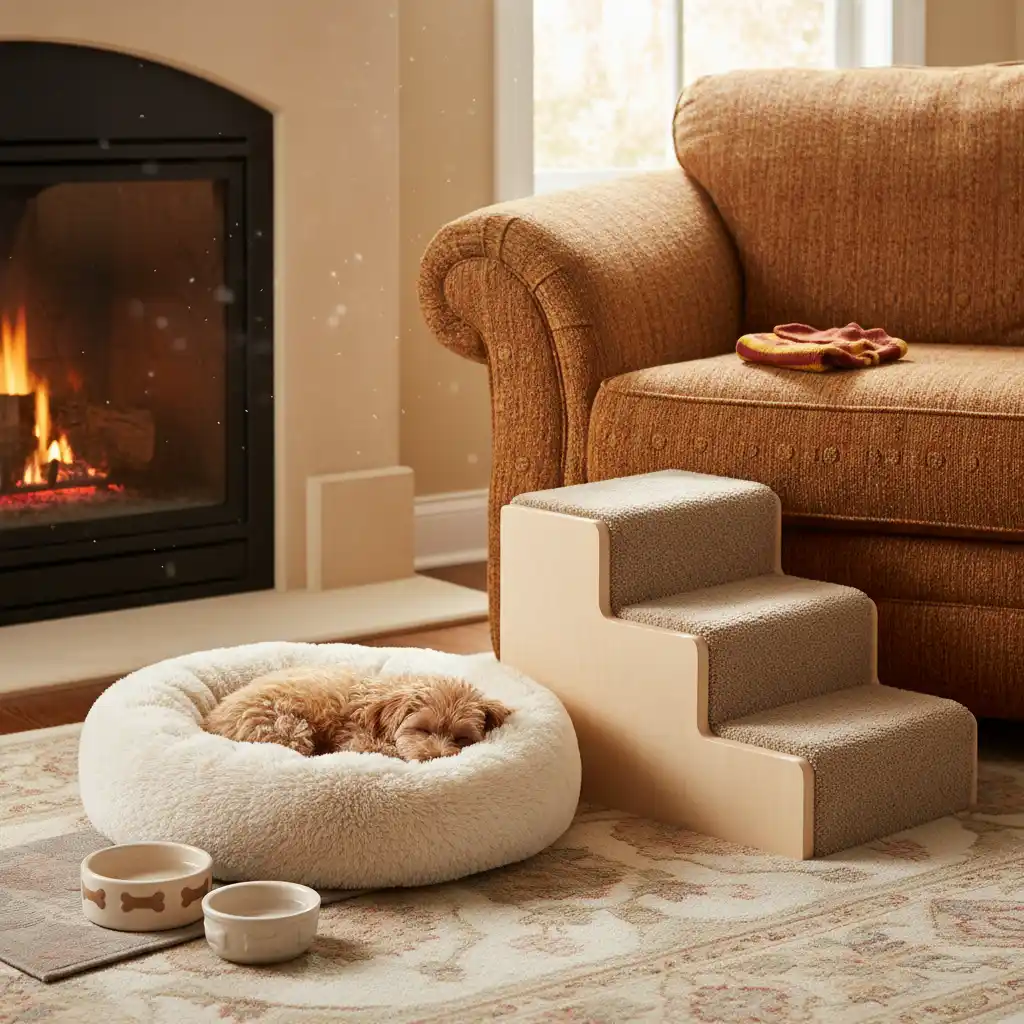
- Steps and Ramps: To protect their joints and prevent spinal injuries (common in Dachshunds and mixed breeds), provide ramps for accessing sofas or beds. Jumping down from furniture is a leading cause of injury in small dogs.
- Warmth: Small dogs have high surface-area-to-body-weight ratios and lose heat quickly. In NZ winters, coats and sweaters are a necessity, not a fashion statement.
Frequently Asked Questions
How much does it cost to adopt a small dog in NZ?
Adoption fees for small dogs in NZ typically range from $250 to $400 NZD. This fee generally covers desexing, microchipping, first vaccinations, flea/worm treatment, and registration with the NZ Companion Animal Register.
Are small rescue dogs suitable for apartments?
Yes, many small rescue dogs thrive in apartments, provided their exercise and mental stimulation needs are met. However, some breeds like Terriers may be too vocal or high-energy for close-proximity living without dedicated training.
Why are small dogs harder to adopt from rescues?
Small dogs are in higher demand due to rental restrictions on large breeds and their suitability for smaller properties. Rescues often receive significantly more applications for small breeds, allowing them to be highly selective to find the perfect match.
Do small rescue dogs get along with cats?
It depends on the individual dog and breed. While size-wise they are less threatening, breeds with high prey drives (like Jack Russells) may harass cats. Many rescues ‘cat-test’ their dogs before listing them for adoption.
What is the best food for a small rescue dog?
Small dogs require nutrient-dense food suitable for their high metabolism. Kibble size should be small to aid chewing and dental health. Consult a vet, as many rescues may have specific dietary requirements due to previous neglect or allergies.
How do I find a reputable small dog rescue in NZ?
Look for registered charities (check the Charities Services register), SPCA branches, or established breed-specific rescues. Reputable rescues will always desex dogs prior to adoption and offer post-adoption support.