To adopt a special needs pet in NZ means opening your home and heart to an animal requiring extra care due to physical disabilities, chronic illness, or behavioral challenges. This guide offers comprehensive insights into the unique joys and responsibilities of providing a forever home to these deserving companions across New Zealand, from Auckland to Invercargill.
A Journey of Compassion: Embracing Special Needs Pet Adoption in NZ
Adopting a special needs pet is a deeply rewarding experience, transforming not only the life of an animal in need but also enriching the lives of their human companions. In New Zealand, a growing number of animals face unique challenges, from mobility impairments to chronic medical conditions, making their journey to a forever home often longer and more difficult. This comprehensive guide serves as an authoritative resource for prospective adopters, delving into the nuances of caring for these extraordinary creatures, highlighting the profound benefits, and signposting vital resources available throughout Aotearoa.
Far too often, pets with special needs are overlooked in shelters, not because they are any less loving or capable of forming deep bonds, but due to misconceptions about the commitment required. This article aims to dispel those myths, offering practical advice and fostering a deeper understanding of the incredible resilience and spirit these animals possess. From the bustling cities to the tranquil rural areas, the opportunity to make a life-changing difference for a special needs pet is present across New Zealand.
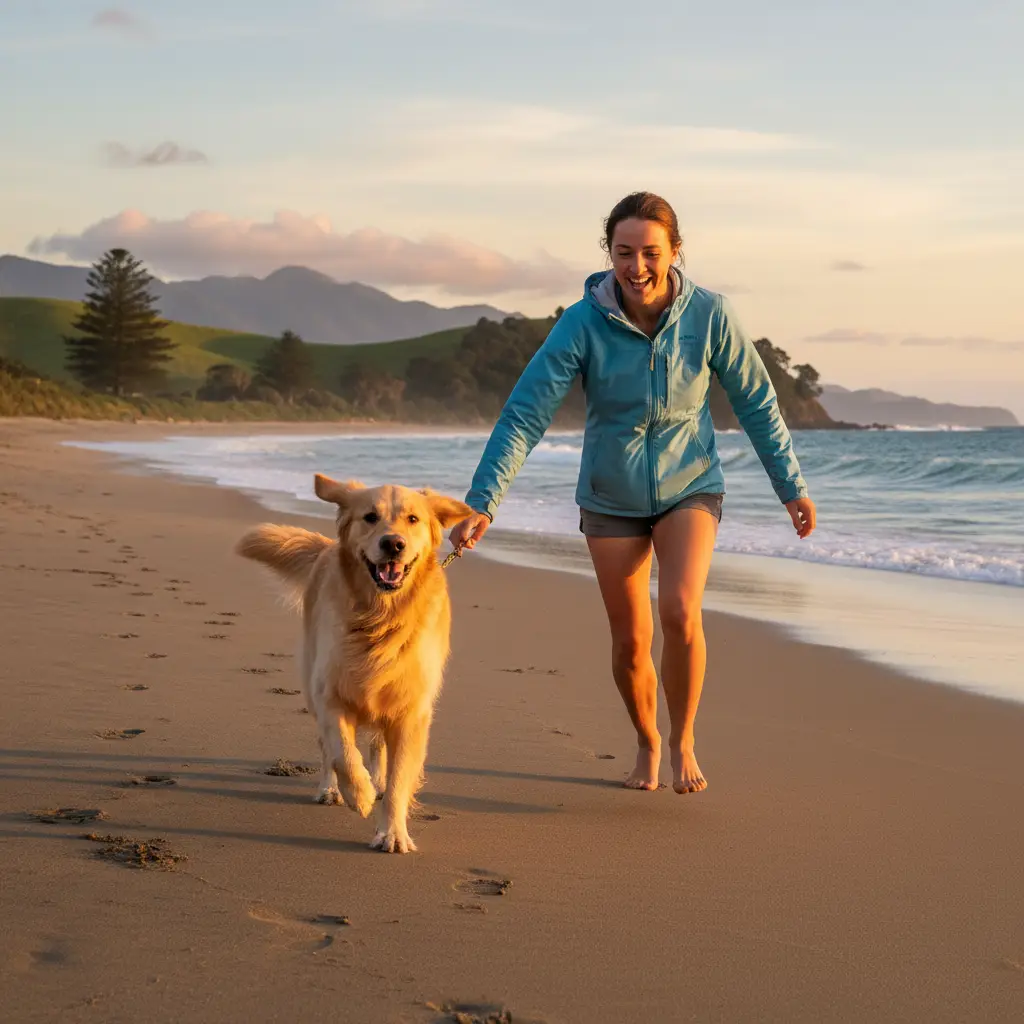
Understanding Special Needs Pets: What Does It Mean?
Before embarking on the adoption journey, it’s crucial to understand what constitutes a “special needs” pet. This umbrella term covers a wide spectrum of conditions that require ongoing care, specific environments, or adapted routines. These can include, but are not limited to:
- Physical Disabilities: Amputees (missing limbs), paralysis (e.g., from spinal injury), blindness, deafness, or conditions requiring mobility aids like wheelchairs.
- Chronic Medical Conditions: Diabetes, kidney disease, epilepsy, heart conditions, allergies, or conditions requiring daily medication and regular veterinary check-ups.
- Behavioral Challenges: Anxiety, fear-based aggression, past trauma leading to specific triggers, or extreme shyness that requires patient, consistent training and a calm environment.
- Age-Related Conditions: Senior pets often come with age-related ailments like arthritis, cognitive dysfunction, or failing sight/hearing, which also fall under the special needs category.
Adopting such a pet requires an understanding that their care may extend beyond the typical needs of a healthy animal. It demands patience, empathy, and a willingness to learn and adapt. However, the depth of gratitude and affection shown by these animals is often unparalleled, creating an incredibly strong and unique bond with their human family.
The Profound Benefits of Adopting Special Needs Pets
While the initial thought of adopting a special needs pet might seem daunting, the benefits are immense and far-reaching, impacting both the animal and the adopter in deeply positive ways.
Unconditional Love and Unique Bonds
Pets with special needs often develop incredibly strong bonds with their caregivers. Having overcome adversity, they tend to be resilient, appreciative, and deeply affectionate. The love they offer is often described as unconditional and profound, forging a connection that is uniquely powerful. Witnessing their daily triumphs and providing them comfort fosters a sense of purpose and deep emotional fulfillment for their human companions.
Saving a Life and Providing a Second Chance
Sadly, special needs pets are often the last to be adopted, if at all. By choosing to adopt one, you are quite literally saving a life and giving a deserving animal a second chance at happiness, comfort, and a loving home they might never have found otherwise. This act of compassion makes a tangible difference and reduces the burden on overcrowded shelters and rescue organisations.
Challenging Misconceptions and Inspiring Others
Adopting a special needs pet helps to break down societal stigmas and misconceptions about animals with disabilities. Your decision can inspire friends, family, and community members to consider adopting similar pets, fostering a more inclusive and empathetic approach to animal welfare. These pets often become ambassadors, demonstrating that a disability does not diminish an animal’s capacity for joy, love, or a fulfilling life.
Personal Growth and Increased Empathy
Caring for a special needs pet requires patience, adaptability, and problem-solving skills, leading to significant personal growth. Adopters often find their empathy and compassion expanding, learning to see the world from a different perspective. The challenges become opportunities for innovative solutions and deeper understanding, enhancing one’s own character and resilience.
Potential for Lower Adoption Fees and Support
Some shelters and rescue groups in New Zealand may offer reduced adoption fees for special needs pets to encourage their placement. Additionally, many organisations provide ongoing support, resources, and advice to help adopters navigate the specific care requirements, ensuring a smoother transition and long-term success.
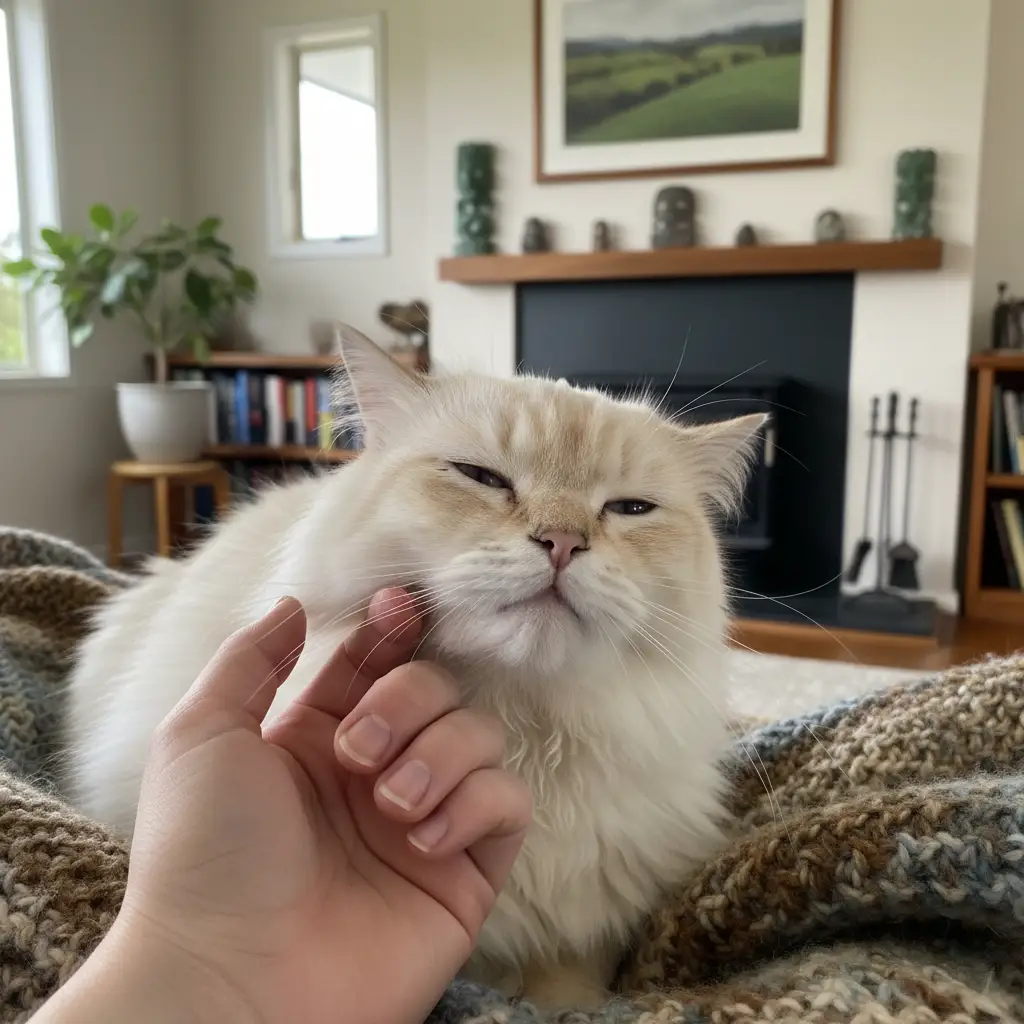
Essential Care Requirements for Disabled Pets in NZ
Providing a forever home to a special needs pet in New Zealand involves understanding and adapting to their unique care requirements. While the specifics vary greatly depending on the disability, some general considerations apply.
Tailored Veterinary Care and Rehabilitation
Regular and often specialised veterinary care is paramount. This might include routine check-ups, medication management, physical therapy, hydrotherapy, or even acupuncture. Building a strong relationship with a veterinarian experienced in special needs animals is crucial. In NZ, many larger veterinary clinics offer specialist services, and some even have dedicated rehabilitation centres. It’s advisable to discuss the pet’s specific needs with a vet prior to adoption.
Home Modifications and Accessibility
Your home may need adjustments to ensure safety and accessibility. For pets with mobility issues, this could mean ramps for stairs, non-slip flooring, raised food and water bowls, or comfortable orthopedic bedding. Blind pets benefit from a consistent home layout and clear pathways, while deaf pets require visual cues for communication. Creating a safe, predictable, and easily navigable environment is key to their well-being and confidence.
Nutrition and Medication Management
Many special needs pets require specialised diets to manage underlying health conditions, such as kidney disease or allergies. Precise medication schedules are also common. Adopters must be diligent in administering medications, understanding dosages, and recognising potential side effects. Keeping a detailed log of medication, food intake, and any changes in behaviour can be incredibly helpful for both the owner and the vet.
Grooming and Hygiene
Some disabilities can affect a pet’s ability to self-groom or maintain hygiene. Pets with incontinence, for example, may require frequent bathing, diaper changes, or expressing of bladders. Regular grooming is essential for all pets, but especially for those with limited mobility, to prevent matting, skin issues, and discomfort. Specialised grooming tools or professional grooming services might be necessary.
Mental Stimulation and Enrichment
A disability does not diminish a pet’s need for mental engagement. Enrichment activities are vital to prevent boredom, anxiety, and destructive behaviours. This could involve puzzle toys, scent games for blind or deaf pets, gentle walks in a stroller for those with mobility issues, or interactive play tailored to their abilities. The goal is to provide a stimulating environment that caters to their specific senses and encourages natural behaviours.
Finding Support and Resources for Special Needs Adopters in NZ
Navigating the world of special needs pet adoption in New Zealand is made easier with the right support and resources. Several organisations and networks are dedicated to helping these unique animals and their compassionate adopters.
Shelters and Rescue Organisations
Start your search with major animal welfare organisations and local rescues across NZ. Organizations like SPCA New Zealand often have special needs animals looking for homes. Many smaller, breed-specific, or condition-specific rescues also operate throughout the country. It’s important to be open and honest about your capabilities and living situation when discussing potential adoptions. Many shelters provide extensive background information on their special needs animals, including veterinary history and behavioural assessments.
Veterinary Specialists and Clinics
Connecting with a knowledgeable veterinary team is paramount. Seek out clinics that have experience with rehabilitation, chronic disease management, or specific disabilities. Your local vet can often refer you to specialists if needed. Websites like the New Zealand Veterinary Association (NZVA) may offer directories or resources for finding qualified professionals. Some areas may have mobile vet services that can provide home visits, which can be beneficial for pets with mobility challenges.
Support Groups and Online Communities
Connecting with other special needs pet owners can be an invaluable source of advice, emotional support, and shared experiences. Online forums, social media groups, and local meet-up groups in New Zealand can provide a platform for sharing tips on care, product recommendations, and navigating challenges. These communities often offer practical solutions and a sense of camaraderie that eases the journey.
Financial Assistance Programs
The cost of specialised care can be a concern for some adopters. While direct financial assistance programs specifically for special needs pet adoption are not widespread in NZ, some animal welfare charities may offer support for specific treatments or provide advice on managing costs. Pet insurance options are also available in New Zealand, which can help cover unexpected veterinary expenses, though pre-existing conditions are usually excluded. It’s worth researching these options early on.
Local Council Regulations and Advocacy
Be aware of local council regulations regarding pet ownership, especially if your pet requires specific accommodations or is of a certain breed. While generally supportive, understanding local bylaws is always wise. Advocacy groups for animal welfare in NZ may also be able to offer guidance or point you towards further resources.
Preparing Your Home and Heart for a Special Needs Companion
Bringing a special needs pet into your home is a significant commitment that benefits from thoughtful preparation. Taking the time to get ready will ensure a smoother transition for everyone involved.
Thorough Research and Education
Once you’ve identified a potential special needs pet, dedicate time to researching their specific condition. Understand the prognosis, potential complications, daily care requirements, and typical lifespan. For instance, if you’re considering a deaf dog, learn about positive reinforcement training methods using hand signals. If it’s a cat with diabetes, familiarise yourself with insulin administration. Knowledge is power, and it will build your confidence as a caregiver.
Home Assessment and Necessary Adjustments
Before your new companion arrives, conduct a thorough assessment of your home. Identify potential hazards and areas that need modification. This might involve:
- **Mobility:** Installing baby gates to block off stairs, laying down non-slip rugs on hard floors, creating easy access to outdoor areas with ramps.
- **Sensory Impairments:** For blind pets, ensure furniture is consistently placed. For deaf pets, consider vibration collars or bright lights for attention.
- **Hygiene:** Designate an easy-to-clean area for toileting for incontinent pets. Stock up on cleaning supplies, pet-safe wipes, and absorbent pads.
- **Comfort:** Invest in orthopedic beds or specialised bedding to support joints and prevent pressure sores.
Thinking ahead about these physical adaptations will significantly reduce stress for your new pet and make their integration easier.
Building a Support Team
You don’t have to do it alone. Identify your support network. This includes your trusted veterinarian, potential pet sitters or dog walkers who are comfortable with special needs animals, and family or friends who understand the commitment. Having a reliable support system in place can make a world of difference during challenging times or when you need a break.
Considering a Trial Period
Some rescue organisations in New Zealand offer trial periods or foster-to-adopt programmes, especially for special needs animals. This allows you to experience life with the pet in your home environment before making a final commitment. It’s an excellent way to assess compatibility, identify unforeseen challenges, and ensure the best possible match for both you and the animal. Always enquire about this option during the adoption process.
The Unmatched Rewards of Special Needs Pet Adoption
Adopting a special needs pet in New Zealand is an act of profound kindness and an investment in a unique, enriching relationship. While it requires dedication, patience, and sometimes financial commitment, the returns in love, loyalty, and personal fulfillment are immeasurable. These animals, often overlooked, possess an incredible spirit and an innate capacity for joy that illuminates the lives of those who open their hearts to them.
By choosing to adopt a special needs pet, you are not only offering a deserving animal a chance at a happy, comfortable life but also becoming part of a compassionate community in New Zealand dedicated to animal welfare. The journey may have its challenges, but the unbreakable bond and unwavering affection you receive will undoubtedly be one of the most rewarding experiences of your life. Embrace the opportunity to make a world of difference for an animal who truly needs you.
For further information on animal welfare policies and regulations in New Zealand, you can refer to government resources provided by the Ministry for Primary Industries (MPI).
People Also Ask About Special Needs Pet Adoption NZ
What are the most common special needs in adopted pets?
Common special needs in adopted pets include mobility issues (missing limbs, paralysis), sensory impairments (blindness, deafness), chronic health conditions (diabetes, heart disease, epilepsy), and behavioral challenges stemming from past trauma or lack of socialisation. Senior pets with age-related ailments also often fall into this category.
Is it more expensive to care for a special needs pet in New Zealand?
Care for a special needs pet can be more expensive due to potential needs for specialised veterinary care, ongoing medication, specific diets, or home modifications. However, many adopters find the costs manageable, especially with careful planning, pet insurance, and utilising support resources. Some shelters also offer reduced adoption fees for special needs pets.
Where can I find special needs pets for adoption in NZ?
You can find special needs pets for adoption through major organisations like SPCA New Zealand, smaller local animal shelters, breed-specific rescues, and dedicated special needs animal rescue groups across the country. Online pet adoption platforms also often list animals with specific requirements.
What home modifications are typically needed for a disabled pet?
Home modifications can include installing ramps for stairs, laying non-slip rugs on hard floors, securing clear pathways for blind pets, using visual cues for deaf pets, providing orthopedic bedding, and creating easily accessible toileting areas. The specific changes depend on the pet’s disability.
Can special needs pets live a full and happy life?
Absolutely. With appropriate care, a loving environment, and tailored support, special needs pets can lead incredibly full, happy, and enriching lives. Their resilience and capacity for joy often inspire their human companions, demonstrating that a disability does not diminish their quality of life.
What support is available for special needs pet owners in NZ?
Support in NZ includes experienced veterinarians and specialists, local animal shelters providing advice, online support groups and communities, and sometimes financial assistance through specific charities. Building a network of understanding friends and family is also invaluable.