Caring for disabled pets NZ involves adapting your home environment, utilizing specialized veterinary support, and implementing tailored daily routines to ensure a high quality of life for animals with physical or cognitive impairments. Successful care requires a combination of medical management, mobility aids, and sensory enrichment strategies specific to New Zealand’s pet welfare standards.
Understanding Special Needs in Pets
Adopting or caring for a special needs pet is a profound commitment that transforms the human-animal bond. In New Zealand, the definition of a “special needs” pet is broad, encompassing animals requiring extra care due to age, chronic illness, physical disability, or emotional trauma. Whether you are fostering a rescue animal with a limb difference or caring for a family dog developing age-related cognitive decline, the primary goal remains the same: ensuring a pain-free, dignified, and joyful existence.
The landscape of veterinary medicine has advanced significantly, allowing pets with conditions that were once considered fatal to live full, happy lives. However, this requires a shift in mindset from the owner. It involves moving from a passive style of pet ownership to active, managed care. This might mean adhering to strict medication schedules, modifying the layout of your home to prevent injury, or learning new methods of communication.
It is crucial to recognize that animals do not carry the same psychological burdens regarding disability that humans do. A three-legged dog does not mourn the loss of a limb; they simply want to know how to get to their food bowl and their favorite sunny spot. Your role is to facilitate that adaptation.
Caring for Blind or Deaf Pets
Sensory loss is common in aging pets, but it can also be congenital or the result of injury. Animals are incredibly resilient and can map their environments effectively using their remaining senses, provided their guardians offer consistency and safety.

Living with a Blind Pet
When a pet loses their vision, their world becomes a map of scents and textures. To support a blind pet, consistency is paramount. Avoid rearranging furniture, as your pet creates a mental map of the floor plan. If you must move furniture, guide your pet through the new layout on a leash several times.
Safety Modifications:
- Texture cues: Place textured mats or rugs at the top and bottom of stairs and in front of food bowls. This tactile change alerts the pet that they are approaching a hazard or a destination.
- Scent mapping: Use pet-safe essential oils (like vanilla or lavender) to mark doorways or dangerous areas. However, be cautious with cats, as they are sensitive to many essential oils.
- Voice guidance: Constantly talk to your pet. Use commands like “step up,” “step down,” “stop,” and “careful” to act as their eyes.
Living with a Deaf Pet
Deaf pets rely heavily on visual cues and vibration. Training a deaf dog, for instance, requires the use of hand signals rather than verbal commands. A “thumbs up” can replace “good boy,” while an open palm might mean “stay.”
To get a deaf pet’s attention, you can stomp on the floor (they feel the vibration) or use a flashlight flicker (not a laser pointer) to signal them. For off-leash safety in enclosed areas, many NZ owners utilize vibrating collars. Note: These are not shock collars; they simply deliver a gentle buzz to signal the dog to check in with you.
Always attach a bell to a deaf pet’s collar. Since you cannot call them if they wander out of sight, hearing where they are is a vital safety measure.
Managing Chronic Illnesses Like Diabetes
Chronic illnesses such as diabetes mellitus, kidney disease, and Cushing’s disease require a disciplined approach to care. In New Zealand, diabetes is increasingly common in both cats and dogs, often linked to obesity and age.
Diabetes Management
Caring for a diabetic pet involves a strict routine of insulin injections and dietary control. Consistency is the cornerstone of treatment. Meals must be given at the same time every day, followed immediately by insulin administration to prevent hypoglycemia (low blood sugar).
Key Management Strategies:
- Dietary Changes: High-fiber, low-fat diets are typically recommended for dogs, while high-protein, low-carbohydrate diets are preferred for cats. Consult your vet for prescription diets available in NZ.
- Monitoring: Learn to use a glucometer at home. Home monitoring is less stressful for the pet and often yields more accurate results than testing at a clinic where stress can spike glucose levels.
- Exercise: Moderate, consistent exercise helps regulate blood sugar. Avoid “weekend warrior” syndrome where activity spikes only on Saturdays, as this can destabilize glucose levels.
For authoritative information on managing animal diseases, resources like the American Veterinary Medical Association (AVMA) offer excellent general guidelines that align with New Zealand veterinary standards.
Mobility Assistance and Adaptive Equipment
Mobility issues, whether caused by arthritis, Intervertebral Disc Disease (IVDD), or amputation, are among the most challenging aspects of special needs care. However, the market for mobility aids has exploded, making it easier than ever to keep pets moving.
Wheelchairs and Carts
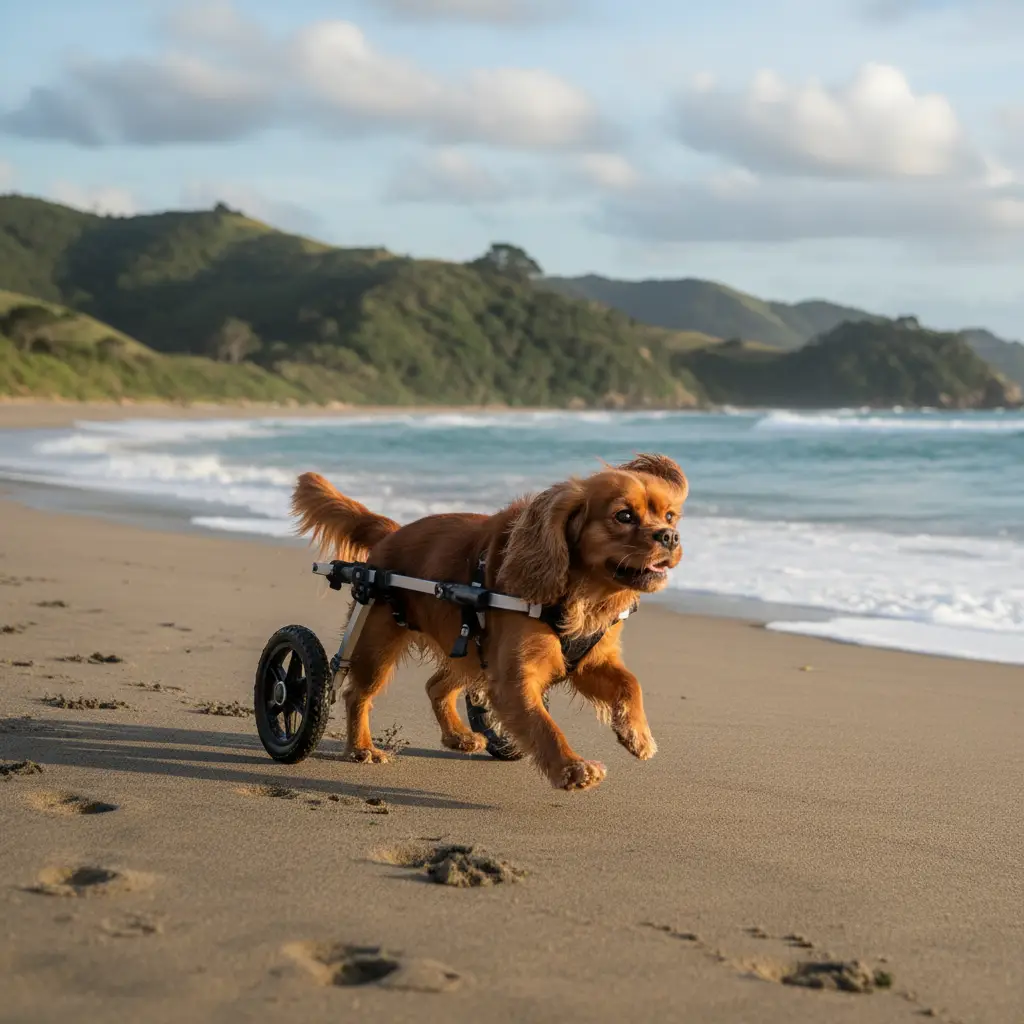
Canine carts (wheelchairs) are transformative for dogs with hind-end paralysis or severe weakness. When selecting a cart in New Zealand, ensure it is rugged enough to handle our terrain, from grassy parks to sandy beaches. It is vital to introduce the cart slowly, using positive reinforcement (treats and praise) to associate the equipment with freedom rather than confinement.
Home Modifications for Mobility
Slippery floors are the enemy of mobility-impaired pets. Hardwood, tile, and laminate can cause slips that lead to soft tissue injuries or loss of confidence.
- Yoga Mats and Runners: Create “highways” of non-slip yoga mats or carpet runners throughout your home connecting key areas (bed, water bowl, back door).
- Ramps vs. Stairs: Replace steps with ramps wherever possible. If you live in a multi-story NZ home, use baby gates to prevent accidental falls down staircases.
- Orthopedic Bedding: Invest in high-quality memory foam beds that support joints and prevent pressure sores (decubitus ulcers) in pets with limited mobility.
Hygiene Maintenance
Immobile pets may suffer from incontinence. “Drag bags” can protect their legs and abdomen from carpet burn when they are not in their wheelchair. Additionally, expressing the bladder manually may be required for pets with spinal injuries; this is a technique your veterinarian can teach you to perform safely at home.
Providing Enrichment for Special Needs Animals
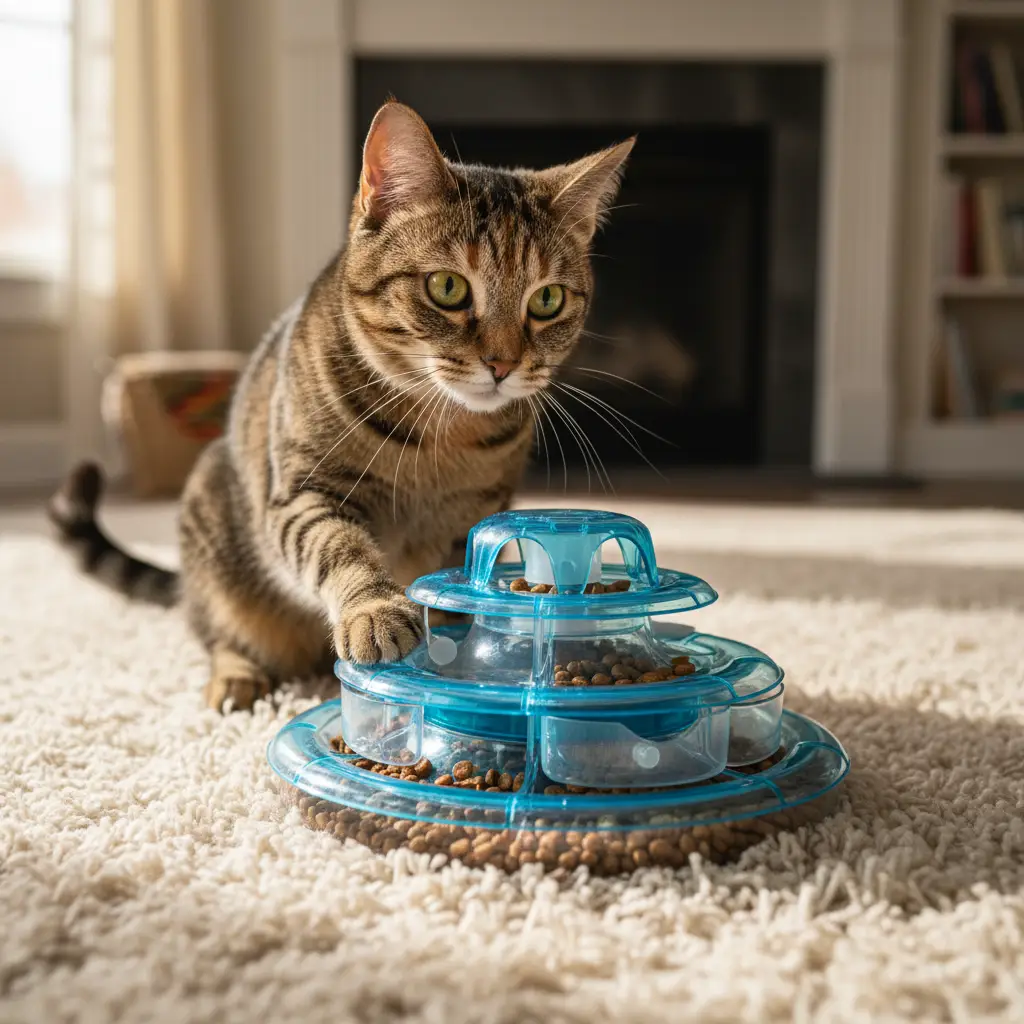
Physical limitations should not equate to boredom. Mental stimulation is just as tiring and satisfying as physical exercise. For pets who cannot run or play fetch, enrichment is vital to prevent depression and behavioral issues.
Scent Work and Brain Games
A dog’s sense of smell is their primary way of processing the world. “Snuffle mats” (fabric mats with hidden treats) allow mobility-impaired or blind dogs to forage for food, engaging their brain and natural instincts. Frozen treat toys (like Kongs) can keep a dog occupied for extended periods without requiring movement.
Tactile and Auditory Stimulation
For blind pets, toys that make noise (squeakers, bells, crinkles) are essential. For deaf pets, toys with flashing lights or distinct textures provide the necessary feedback during play. Cat “television” (placing a bird feeder outside a window) is excellent for immobile cats, provided they have a comfortable perch to watch from.
Assessing Quality of Life
The most difficult question for any special needs pet parent is: “Is my pet still happy?” It is subjective, but objective tools exist to help you navigate this emotional terrain. The “HHHHHMM” Quality of Life Scale is widely used by vets and rescue organizations.
The scale evaluates seven criteria, scoring each from 0 to 10:
- Hurt: Is pain successfully managed?
- Hunger: Is the pet eating enough?
- Hydration: Is the pet dehydrated?
- Hygiene: Can the pet be kept clean from waste?
- Happiness: Does the pet express joy and interest?
- Mobility: Can the pet move or be moved comfortably?
- More Good Days than Bad: The ultimate balance.
Regularly reviewing this scale helps owners make informed, compassionate decisions regarding palliative care or euthanasia.
Finding Professional Support in New Zealand
You do not have to do this alone. New Zealand has a robust network of professionals dedicated to rehabilitation and special needs care.
- Veterinary Physiotherapists: Specialists in Auckland, Wellington, and Christchurch offer hydrotherapy (underwater treadmills) and acupuncture, which can significantly improve mobility for arthritic or post-surgical pets.
- SPCA New Zealand: The SPCA NZ provides resources and advice for owners, and they often have special needs animals up for adoption if you are looking to rescue.
- Support Groups: Online communities for “Tripawds” (three-legged pets) or owners of diabetic pets in NZ can provide emotional support and practical tips on sourcing supplies locally.
Caring for a disabled pet in NZ requires patience, adaptation, and a proactive relationship with your veterinary team. However, the reward is a bond of incredible depth. By focusing on what your pet can do rather than what they cannot, you provide them with a life full of love and dignity.
Frequently Asked Questions
How much does it cost to care for a disabled pet in NZ?
Costs vary significantly based on the condition. A diabetic pet may cost $100-$200 NZD monthly for insulin and needles. Mobility carts range from $300 to over $1000 NZD. Pet insurance is highly recommended, though pre-existing conditions are usually excluded.
Can a blind dog live happily with other dogs?
Yes, blind dogs often rely on other household dogs as “seeing eye” companions. The sighted dog may naturally guide the blind dog, and they can play together safely once boundaries are established.
What is the best flooring for dogs with arthritis?
Carpet, cork, or rubber flooring is best. If you have timber or tiles, using non-slip rugs, yoga mats, or toe grips (rubber rings for nails) is essential to prevent slipping and injury.
How do I know if my pet is in pain?
Signs of pain include panting, restlessness, loss of appetite, reluctance to move, excessive licking of a specific area, and behavioral changes like aggression or withdrawal. Cats often hide pain by remaining very still.
Are there hydrotherapy pools for dogs in New Zealand?
Yes, canine hydrotherapy is available in major NZ cities like Auckland, Christchurch, and Wellington. It is excellent for rebuilding muscle without stressing joints.
Can I adopt a special needs pet from the SPCA?
Yes, the SPCA and other NZ rescue groups frequently have special needs animals looking for homes. They will provide full medical history and specific care instructions for potential adopters.