A specialist vet NZ is a registered veterinarian who has undergone advanced training and board certification in a specific field of veterinary medicine, such as oncology, surgery, or cardiology. To access these professionals, pet owners typically require a referral from their general practice veterinarian for complex diagnostics and advanced treatment plans.
Understanding Veterinary Specialists in New Zealand
In the landscape of New Zealand animal healthcare, the distinction between a general practitioner (GP) and a specialist is both regulatory and educational. While your local vet clinic is the first line of defense for vaccinations, routine check-ups, and minor surgeries, complex medical conditions often require a higher tier of expertise.
A registered specialist in New Zealand is not simply a vet with an interest in a particular area. They are professionals who have completed their primary veterinary degree and then pursued an additional 3 to 5 years of advanced training, usually in the form of a residency program. Following this rigorous training, they must pass comprehensive examinations administered by international boards (such as the American or European Colleges of Veterinary Specialists) and be registered as a specialist with the Veterinary Council of New Zealand (VCNZ).
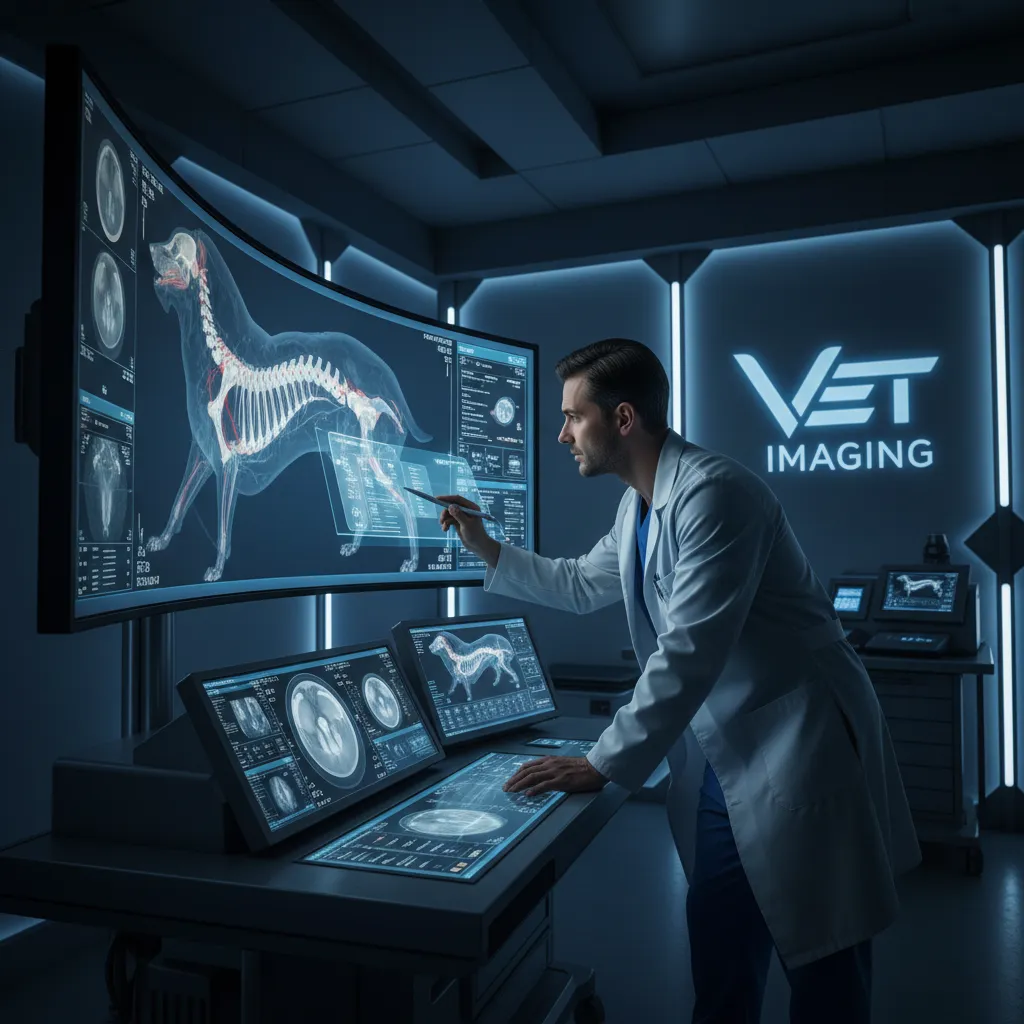
This distinction is crucial for pet owners to understand. It ensures that when you seek a “specialist vet NZ,” you are accessing a professional who has reached the pinnacle of academic and practical achievement in their specific discipline. They have access to advanced diagnostic equipment—such as MRI machines, CT scanners, and fluoroscopy—that is generally not available in a standard clinic setting.
When to Consult a Specialist Vet
Determining when to transition from general care to specialized medicine can be a stressful decision for pet owners. Typically, this decision is made in collaboration with your primary veterinarian. However, understanding the triggers for a referral can help you advocate for your pet’s health.
You should consider consulting a specialist when:
- Diagnosis is Elusive: If your pet is suffering from chronic symptoms—such as unexplained weight loss, persistent vomiting, or seizures—and standard blood tests and X-rays have failed to identify the cause, a specialist in internal medicine may be required.
- Complex Surgery is Required: While GPs perform desexing and basic soft tissue surgeries, complex procedures like total hip replacements, spinal surgery (laminectomy), or open-chest surgery require a specialist surgeon with advanced anesthetic monitoring capabilities.
- Advanced Management is Needed: Conditions like cancer (oncology), heart failure (cardiology), or severe allergic skin disease (dermatology) often require dynamic, long-term treatment plans that evolve based on the animal’s response.
- Emergency Critical Care: In life-threatening situations, such as severe trauma from a car accident or acute toxin ingestion, 24-hour specialist emergency centers provide the intensive care nursing and ventilation support that standard clinics cannot offer.
Overview of Common Veterinary Specialties
Veterinary medicine has become as fractionated and specialized as human medicine. In New Zealand, the availability of these specialties is concentrated in major hubs like Auckland, Hamilton, Palmerston North, and Christchurch. Below are the primary disciplines you are likely to encounter.
Veterinary Oncology
A diagnosis of cancer is devastating, but it is no longer a hopeless verdict. Veterinary oncologists specialize in the diagnosis and treatment of tumors. They manage chemotherapy protocols, immunotherapy, and palliative care. Their goal is often not just to extend life, but to ensure the quality of life remains high during treatment. In NZ, radiation therapy availability is limited compared to overseas, but medical oncology is well-established.
Small Animal Surgery
Specialist surgeons are divided into soft tissue and orthopedic surgeons, though many practice both. Orthopedic specialists handle cruciate ligament ruptures (performing TPLO or TTA surgeries), fractures, and joint replacements. Soft tissue specialists handle tumor removals, airway surgeries (crucial for brachycephalic breeds like Pugs and Bulldogs), and abdominal procedures.
Veterinary Cardiology
Heart disease is common in aging pets and specific breeds like Cavalier King Charles Spaniels. Cardiologists use echocardiography (ultrasound of the heart) to diagnose valve issues, cardiomyopathy, and congenital defects. They prescribe medication regimens to manage heart failure, allowing pets to live active lives for significantly longer than they would without intervention.
Veterinary Ophthalmology
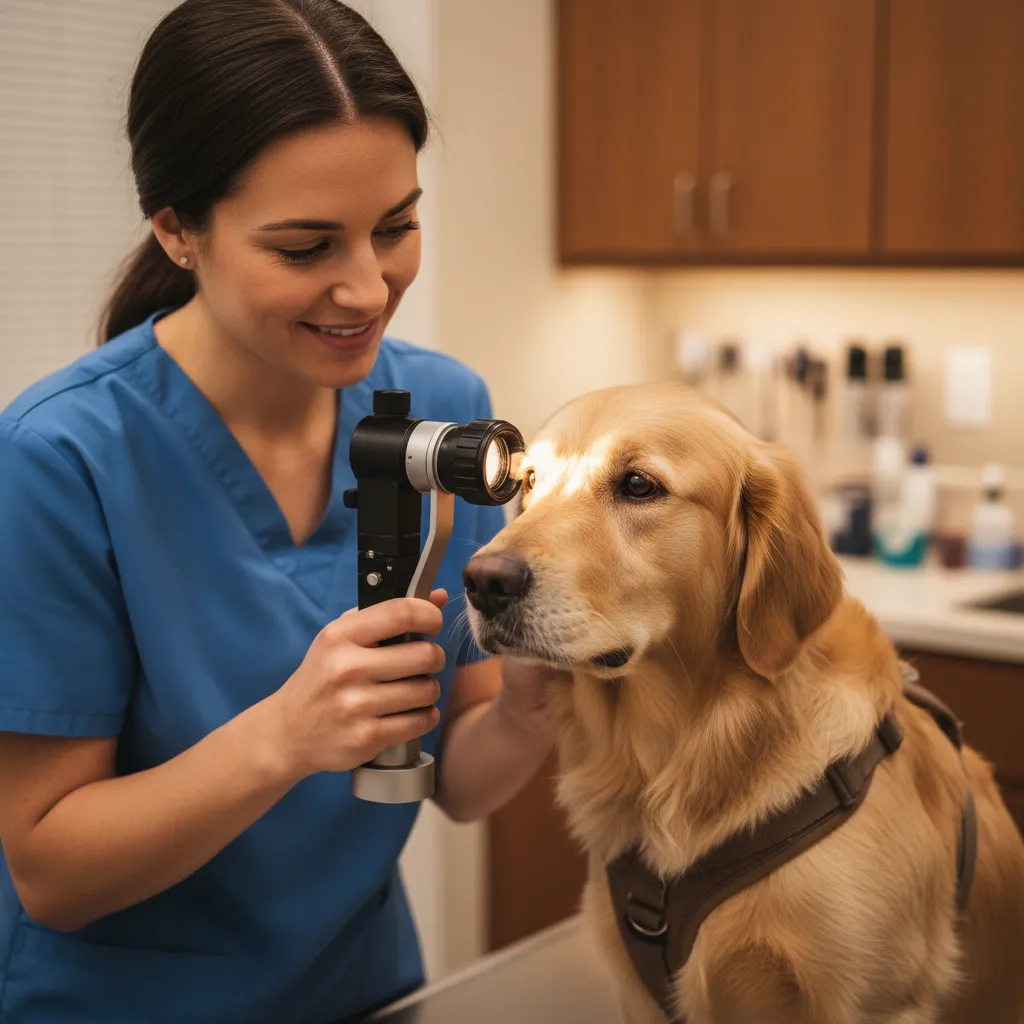
Eye specialists treat cataracts, glaucoma, corneal ulcers, and retinal diseases. Cataract surgery, involving the removal of the cloudy lens and replacement with an artificial one, is a common procedure that restores sight to blind dogs. These specialists utilize microscopic surgical techniques that require immense precision.
Internal Medicine
Often called the “puzzle solvers” of the veterinary world, internists deal with complex diseases affecting the liver, kidneys, gastrointestinal tract, and endocrine system (diabetes, Cushing’s disease). They are experts in ultrasound, endoscopy, and interpreting complex blood panels.
Finding Accredited Specialist Vets in NZ
Locating a specialist in New Zealand generally starts with your GP, but proactive owners can also research providers. It is vital to verify that the vet you are seeing is a registered specialist, not just a vet with a “special interest.”.
The Veterinary Council of New Zealand (VCNZ) maintains the official register of veterinarians. You can search their database to confirm a vet’s specialist status. This accreditation ensures they meet the strict criteria for continuing education and peer review.
Key institutions for specialist care in New Zealand include:
- Massey University Veterinary Teaching Hospital: Located in Palmerston North, this is a premier facility offering a wide range of specialties and is a training ground for future specialists. It serves as a major referral center for the lower North Island.
- Veterinary Specialist Group (VSG) & Veterinary Specialists Aotearoa (VSA): These serve the Auckland region and upper North Island, providing private specialist care.
- Christchurch Veterinary Referrals: Serving the South Island with various specialized disciplines.
For more information on registration standards, you can visit the Veterinary Council of New Zealand.
Costs Associated with Specialized Care
One of the most significant barriers to specialist care is cost. Advanced medical technology, 24/7 nursing staff, and the years of training required to become a specialist drive up the price of services. Unlike human healthcare in NZ, veterinary care is not subsidized by the government.
To give a general idea of costs (estimates only, as prices vary):
- Initial Specialist Consultation: $250 – $450
- CT Scan: $1,500 – $2,500
- MRI Scan: $2,500 – $3,500
- Cruciate Ligament Surgery (TPLO): $4,000 – $6,000 per knee
- Cataract Surgery: $4,000 – $5,000 per eye
- Chemotherapy Protocols: Can range from $2,000 to over $10,000 depending on the duration and drug type.
The Role of Pet Insurance: For many Kiwi pet owners, pet insurance is the only way to make specialist care accessible. Comprehensive policies often cover up to 80-100% of these costs, provided the condition is not pre-existing. If you do not have insurance, third-party financing options (like VetCare Finance or Gem Visa) are often accepted by specialist centers.
Navigating the Referral Process
The referral process is designed to ensure seamless communication between your primary vet and the specialist. It typically follows these steps:
- Assessment: Your GP identifies a condition beyond their scope and recommends a referral.
- Transfer of Records: Your GP sends all medical history, lab results, and imaging to the specialist center. This prevents duplicate testing and saves money.
- The Consultation: You meet with the specialist to discuss diagnosis and treatment options.
- Treatment/Procedure: The specialist performs the necessary procedure.
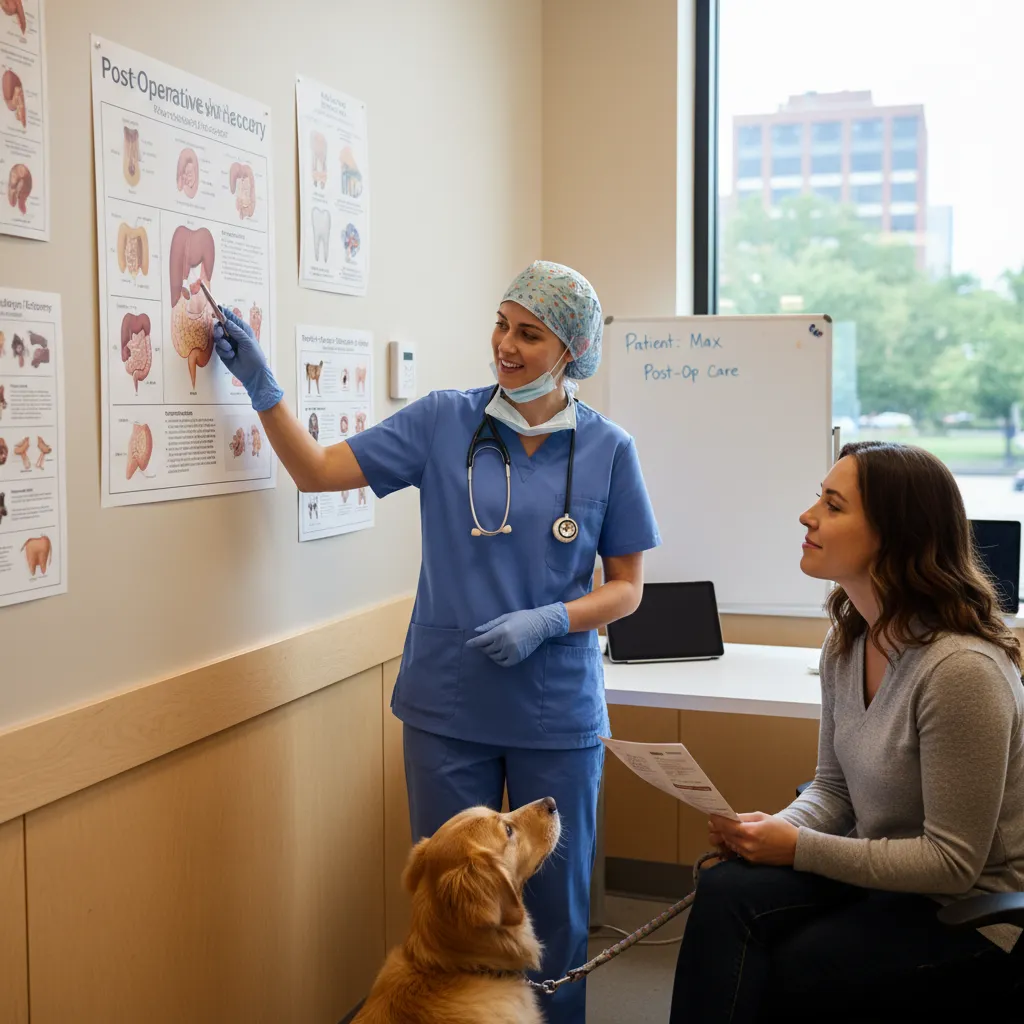
- Discharge and Follow-up: You receive discharge instructions. Crucially, a detailed report is sent back to your GP, who usually handles the long-term follow-up and suture removal.
This collaborative approach ensures that your local vet stays in the loop, which is vital for the ongoing care of your pet after the specialist intervention is complete.
Specialist Care in the NZ Rescue Context
For those in the “Pet Rescue NZ” niche, specialist care presents a unique ethical and financial challenge. Rescue organizations often take in animals with severe injuries or chronic conditions that require specialist intervention.
While funding is always tight, many rescues partner with compassionate specialists who may offer discounted rates for charity cases. Furthermore, “special needs” adoptions are becoming more common, where adopters are fully briefed on the condition and the requirement for ongoing specialist care. Transparency about potential future costs is essential when rehoming animals that have undergone major specialist procedures.
For detailed academic resources and hospital information, Massey University’s Veterinary Teaching Hospital remains a cornerstone of animal health education and referral services in New Zealand.
Frequently Asked Questions
Do I need a referral to see a specialist vet in NZ?
Yes, in most cases, specialist veterinary centers in New Zealand require a referral from your general practice veterinarian. This ensures the specialist has the full medical history and that the referral is medically necessary.
What is the difference between a senior vet and a specialist?
A senior vet is an experienced general practitioner. A specialist is a vet who has undergone an additional 3-5 years of residency training and passed board certification exams in a specific field, registered with the VCNZ.
Does pet insurance cover specialist vet visits?
Most comprehensive pet insurance policies in NZ cover specialist consultations and treatments, provided the condition is not pre-existing. Always check your policy’s “benefit limit” to ensure it covers high-cost procedures.
Where are specialist vets located in New Zealand?
Specialist services are concentrated in major urban centers. The main hubs are Auckland (VSA, VSG), Palmerston North (Massey University), and Christchurch. Some specialists travel to other regions periodically.
Can I get a second opinion from a specialist?
Absolutely. If you are unsure about a diagnosis or treatment plan provided by your GP, you have the right to request a referral to a specialist for a second opinion.
What happens if I cannot afford specialist care?
If specialist care is not affordable, discuss this frankly with your GP and the specialist. They can often propose “Plan B” management options that, while not curative, may provide palliative relief and maintain quality of life.