
Support for Families in Transition Across New Zealand
Life changes. Sometimes those changes happen so fast we barely have time to catch our breath. Right now, the rising cost of living across Aotearoa is forcing many households to make heartbreaking decisions about their beloved pets.
Finding genuine support for families in transition across New Zealand shouldn’t feel like a lonely, uphill battle. Yet, for many, the thought of sending a loyal companion to an overcrowded shelter brings immense guilt, stress, and fear.
We get it. You want the absolute best for your animal, even if that means they can no longer stay with you. You want a safe, transparent way to find them a new family without the trauma of a cage. Every pet has a story, and together, we can help write their next chapter safely.
Key Takeaways
Proper support for families in transition across New Zealand means choosing safe, peer-to-peer rehoming over overcrowded shelters. By bypassing the pound system, you guarantee zero cage time for your pet, retain full control over who adopts them, and protect yourself from online scams.
Understanding the Need for Supporting Families in Transition
The landscape of pet ownership in Aotearoa has shifted dramatically. As of mid-2026, roughly 1 in 6 New Zealand pet owners have considered rehoming their pet due to intense financial strain. It is a quiet crisis happening behind closed doors in every suburb.
When families are forced to skip household essentials just to afford pet food, the pressure becomes unbearable. That is why accessible support for families in transition across New Zealand is no longer just a nice-to-have; it is an absolute necessity.
Common Reasons Families May Need to Transition Pets
Financial hardship is the leading driver, with many owners delaying vet visits or struggling to afford basic care. The rising cost of pet food, vaccinations, and registration fees simply outpaces wages for many households.
Housing instability is another massive factor. Finding pet-friendly rentals in major cities like Auckland and Wellington is notoriously difficult. When a landlord says no, families are often left with an impossible choice between a roof over their heads and keeping their dog or cat.
Finally, life events like relationship breakdowns, moving overseas, or the arrival of a new baby can drastically alter a home environment. These are deeply human challenges, and they require a deeply human, judgment-free response.
The Emotional Impact on Families and Pets
Saying goodbye to a pet feels like losing a family member. The guilt can be overwhelming, and owners often worry endlessly about what will happen to their animal once they leave the front door.
Pets feel this transition, too. They pick up on household stress and routine changes. Moving them into a loud, unfamiliar shelter environment can cause severe anxiety and behavioral regression.
This is why keeping the pet in their familiar home environment until a new family is found is so crucial. It minimizes trauma for the animal and provides peace of mind for the owner.
Importance of Responsible Rehoming
Responsible rehoming means taking control of the outcome. It means avoiding the overwhelmed pound system, where euthanasia rates have soared to devastating levels in places like Auckland.
By choosing a direct, home-to-home adoption, you ensure your pet never spends a single night in a cold cage. You get to meet the new owners, ask the right questions, and trust your gut.
It also means being totally honest about your pet’s needs, quirks, and medical history. Transparency is the foundation of a successful, lifelong placement.
The Emotional Journey of Rehoming a Pet
Rehoming is rarely a choice made lightly. It is usually the absolute last resort after months of trying to make things work. The emotional toll this takes on a family is heavy, and it is important to acknowledge that grief.
Society can sometimes be quick to judge, but we know the truth. Choosing to find a better, more stable environment for your pet is an act of profound love.
Recognizing and Addressing Feelings of Guilt and Shame
Guilt is the most common emotion we hear about from owners. You might feel like you have failed your pet, or worry about what friends and family might think.
It is crucial to reframe this narrative. If you can no longer provide the time, space, or financial stability your pet needs, holding onto them out of guilt doesn’t serve either of you.
Give yourself grace. Seeking out support for families in transition across New Zealand shows that you are taking responsibility and prioritizing your animal’s welfare above your own comfort.
Pet Rescue NZ is a judgment-free zone. We don’t ask you to explain yourself to the world—we just help you find the right family for your pet.
Understanding the Benefits of Rehoming for Pets
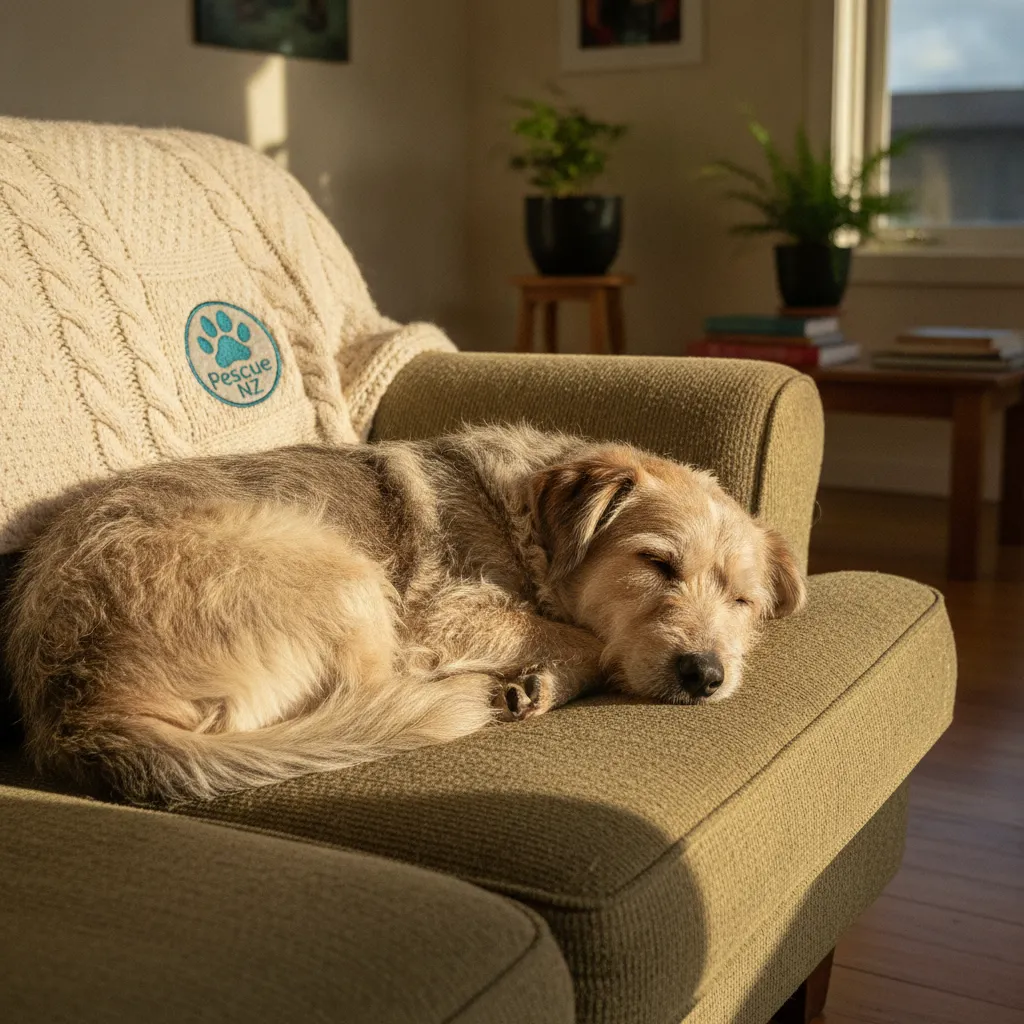
When done right, rehoming is a massive win for the pet. They transition directly from one loving couch to another, completely bypassing the stress of a shelter.
A new home might offer a larger backyard, a companion dog to play with, or simply an owner who has more free time for daily walks. These improvements can drastically boost a pet’s quality of life.
Zero cage time is our ultimate goal. Keeping them in a home environment preserves their physical health and emotional well-being.
Coping Strategies for Families During This Transition
Take things one step at a time. Write down all the wonderful things about your pet—their favorite toys, their sleeping habits, their funny quirks. This helps you process the change while creating a great profile for adopters.
Focus on the positive outcome. Visualize your pet thriving in their new environment. Knowing you hand-picked their new family brings immense comfort.
Don’t be afraid to ask for updates. Many adopters are more than happy to send a quick photo or text a few weeks after the transition to let you know how well they have settled in.
Legal Considerations for Rehoming a Pet in New Zealand
Rehoming a pet isn’t just an emotional process; it is a legal one. In New Zealand, there are strict rules governing animal welfare and ownership transfers.
Understanding these laws protects you, the adopter, and most importantly, the pet. It ensures a clean, official break and prevents any future liability issues.
Overview of the Animal Welfare Act 1999
Under the Animal Welfare Act 1999, the legal “Duty of Care” rests entirely with you, the current owner, until the physical handover takes place. You are legally required to provide food, water, and shelter during the transition period.
Platforms like Pet Rescue NZ are digital intermediaries. We connect people, but we do not legally broker the adoption or take ownership of the animal at any stage.
This means you are responsible for ensuring the animal is healthy enough to be rehomed, or at the very least, being completely transparent with the new owner about any existing medical conditions.
Responsibilities of Pet Owners During Rehoming
Honesty is your biggest legal and moral responsibility. If your dog has a bite history or severe separation anxiety, you must disclose this to potential adopters.
Failing to disclose dangerous behavioral traits can lead to serious consequences if the pet injures someone in their new home. Full transparency protects everyone.
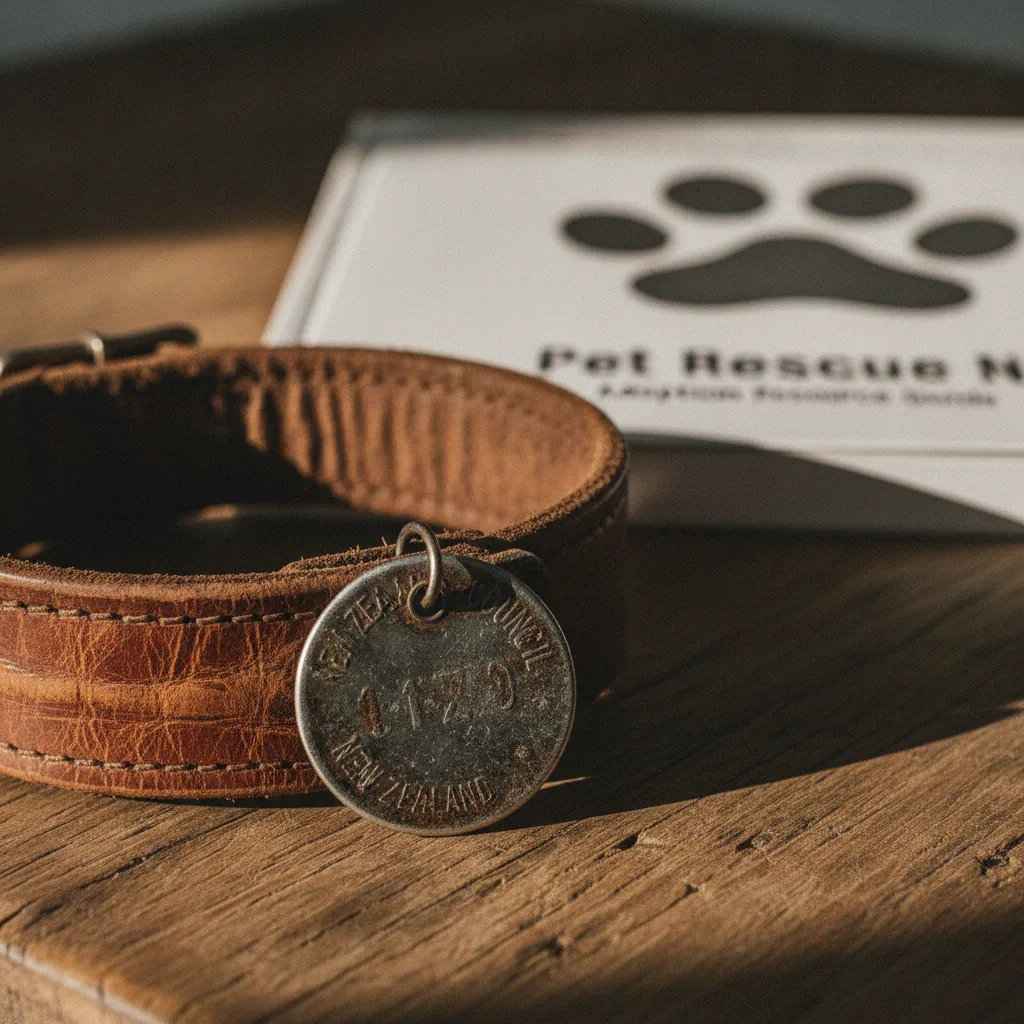
You should also gather all relevant paperwork. Vet records, vaccination certificates, and council registration details need to be handed over to the new family.
Before handing over your pet, ensure you have a physical folder containing their latest vet records, vaccination history, and microchip number ready for the new owner.
Microchipping and Desexing Regulations
The Dog Control Act 1996 mandates that all dogs must be registered with the local council. When you rehome your dog, both you and the new owner must notify your respective councils within 14 days to transfer the registration.
You must also update the New Zealand Companion Animal Register (NZCAR). If the pet gets lost in their new neighborhood, an outdated microchip will lead authorities back to you instead of the new family.
While desexing is not legally mandatory for all pets across NZ, it is highly encouraged. With over 221,000 un-desexed dogs in the country, ensuring your pet is desexed before rehoming prevents accidental litters and unwanted shelter intakes.
Options for Supporting Families Transitioning Pets
When you realize you need to rehome your pet, the immediate question is: “Where do I start?” The good news is that there are several pathways available to Kiwi families.
However, not all options are created equal. Understanding the pros and cons of each route is essential for making the best decision for your animal.
Overview of Organizations that Assist with Rehoming
The traditional route involves surrendering your pet to a physical shelter. While these organizations do incredible work, they are currently stretched beyond capacity.
Digital platforms like Pet Rescue NZ offer a modern alternative. We empower you to handle the rehoming process yourself, safely and securely, from your own living room.
There are also breed-specific rescues that operate across New Zealand. If you have a specific breed, like a Greyhound or a Husky, these dedicated groups can be an excellent resource.
| Rehoming Method | Pet Environment | Owner Control | Safety Level |
|---|---|---|---|
| Physical Shelters / SPCA | Kennels / Cages | None (Surrender rights) | High |
| Facebook Groups | Stays at home | Full control | Very Low (Scam risk) |
| Pet Rescue NZ | Stays at home | Full control | High (Moderated) |
How to Approach Local Councils for Support
Local council pounds should always be a last resort. In 2026, Auckland Council impounded over 12,000 dogs, resulting in a devastating euthanasia rate exceeding 50%.
The financial strain is so severe that some councils have even introduced “Afterpay” for impound release fees, just to prevent owners from abandoning their pets to be put down.
If you are struggling with council registration fees, contact your local council directly before giving up your pet. Some offer payment plans or hardship grants to help keep dogs with their families.
SPCA and Other Rescue Organizations: What They Offer
The SPCA does vital work, but they are physically maxed out. They often require surrender fees and have long waitlists for intake.
Furthermore, institutional shelters have strict adoption criteria that can inadvertently lock out capable adopters, such as families renting their homes.
By utilizing peer-to-peer platforms, you free up shelter space for abandoned or abused animals who truly have nowhere else to go.
Immediate Support Options: Urgent Rehoming
Sometimes, you don’t have weeks to plan. A sudden eviction, a medical emergency, or a drastic change in circumstances means you need to find a new home for your pet right now.
When time is critical, panic can set in. But even in a rush, safety must remain your top priority.
How to Quickly Find a New Home for Your Pet
Start with your immediate network. Friends, family, and trusted colleagues are often the safest bet for a quick, reliable rehoming.
If your personal network isn’t an option, Pet Rescue NZ offers a Premium Urgent Listing tier. This pushes your pet’s profile to the top of the homepage, maximizing exposure to serious adopters immediately.
Be incredibly clear in your listing about why the rehoming is urgent. Honest urgency often prompts compassionate Kiwi families to act quickly.
Creating an Urgent Rehoming Plan
Gather all your pet’s belongings into a single “go-bag.” This includes their bed, favorite toys, remaining food, and all medical paperwork.
Draft a quick, comprehensive care sheet. Note their feeding schedule, any medications, and their daily routine to help the new owner transition them smoothly.
If you absolutely must leave your property before a new owner is found, look into short-term boarding kennels or ask a friend to foster them temporarily. Avoid the council pound at all costs.
Utilizing Social Media and Community Groups Effectively
Social media can spread the word fast, but it is a double-edged sword. Unmoderated Facebook groups are chaotic and currently plagued by bad actors looking for free pets.
If you share your pet’s profile on social media, always link back to a secure platform like Pet Rescue NZ. This filters out time-wasters and ensures interested parties have registered accounts.
Never hand your pet over to a stranger from an unmoderated Facebook group without conducting thorough screening. Bad actors often pose as loving families to acquire free animals.
Longer-Term Solutions for Rehoming a Pet
If you have the luxury of time, the rehoming process becomes much less stressful. You can take a measured, thoughtful approach to finding the perfect match.
A longer timeline allows you to thoroughly vet potential adopters and gradually prepare your pet for the change.
Developing a Rehoming Timeline
Give yourself at least four to six weeks if possible. This allows time to create a great listing, field inquiries, and arrange meet-and-greets.
Use the first week to gather medical records and take high-quality photos. Spend the second and third weeks actively communicating with potential adopters.
Reserve the final weeks for physical introductions. Let the new family visit your home, or meet in a neutral space like a local park to see how the pet reacts.
Preparing Your Pet for a New Home
Start adjusting your pet’s routine to match what they might experience in their new home. If they are used to someone being home all day, gradually practice leaving them alone for short periods.
Ensure they are up to date on all vaccinations and flea/worming treatments. A healthy pet is much easier to transition.
Wash their bedding, but leave a familiar-smelling blanket unwashed to send with them. Familiar scents provide immense comfort during the first few nights in a new environment.
Listing Your Pet on Pet Rescue NZ
Creating a profile on Pet Rescue NZ is straightforward. We guide you through the process, ensuring you provide all the necessary details that serious adopters look for.
Our platform is built specifically for this purpose. Unlike general classified sites, we focus entirely on animal welfare and safe, direct handovers.
You have total control over your inbox. You can chat directly with interested families, ask them questions about their lifestyle, and decide who gets to meet your pet.
Free and Low-Cost Rehoming Solutions
We know that financial strain is a primary reason families need to rehome their pets. The last thing you need is a massive bill just to find your animal a safe place to live.
There are accessible options available that won’t break the bank, ensuring every pet owner has the opportunity to rehome responsibly.
Overview of Free Rehoming Services
Pet Rescue NZ offers a completely free basic listing tier. This removes the cost barrier for owners in genuine financial distress, allowing you to post photos and message adopters at no charge.
We believe that doing the right thing shouldn’t cost you money. Our free tier ensures that no pet has to go to the pound simply because their owner couldn’t afford an online listing fee.
While premium upgrades are available for faster visibility, the core service of connecting good pets with good people remains accessible to everyone.
Low-Cost Options for Advertising and Vet Checks
If you need a bit more exposure, our $9.99 Featured Listing offers priority placement. It is a small investment that often results in connecting with a serious adopter much faster.
For vet care, look for community clinics. Some local organizations offer subsidized microchipping and health checks for families facing financial hardship.
Being upfront with your vet about your situation can also help. Many clinics are willing to offer a basic “fit for rehoming” health check at a reduced rate to support the transition.
How to Utilize Community Resources Effectively
Tap into local community noticeboards, both physical (like at the supermarket) and digital. However, always treat these as a way to direct traffic to your secure Pet Rescue NZ listing.
Community pet food banks can also provide temporary relief. If you just need a few weeks of food to keep your pet at home while you search for an adopter, these resources are invaluable.
Remember, you are not alone. The Kiwi community is incredibly supportive when they see someone genuinely trying to do the right thing for their animal.
Creating a Successful Pet Listing on Pet Rescue NZ
Your pet’s online profile is their resume. It is the first impression potential adopters will have, so it needs to be honest, detailed, and engaging.
A well-crafted listing attracts the right kind of family and filters out those who wouldn’t be a good fit.
Key Information to Include in Your Listing
Start with the basics: age, breed, size, and desexing status. Then, get into the details of their personality. Are they a couch potato or a high-energy hiking buddy?
Be clear about their compatibility. Do they get along with cats? Are they patient with toddlers? Honest answers here save everyone time and prevent failed adoptions.
Include any medical needs or dietary restrictions. Transparency builds trust with potential adopters.
- Accurate age and breed information.
- Clear notes on behavior with children and other pets.
- Up-to-date medical and vaccination history.
- Honest reasons for why they are being rehomed.
Tips for Taking Effective Photos and Writing Descriptions
Photos make or break a listing. Avoid blurry shots or photos taken in the dark. Capture your pet in natural light, doing what they love.
Include a mix of close-ups showing their face and full-body shots showing their size. A short video of them playing or resting is even better.
Write as if you are describing your pet to a friend. Use plain English, be warm, and let their unique personality shine through the text.
Get down on your pet’s level when taking photos. Snapping a picture from above makes them look small and disconnected. Eye-level shots build an instant emotional connection.
How to Navigate the Pet Rescue NZ Platform
Once your listing is live, keep an eye on your inbox. Respond to inquiries promptly, even if it is just to say you are reviewing their application.
Use our in-built messaging system to ask follow-up questions. We provide suggested screening questions to help you gauge if an adopter is a good fit.
If a user makes you uncomfortable or seems suspicious, use the “Report this Listing/User” tool immediately. We actively moderate the platform to keep our community safe.
Finding the Right Home for Your Pet
The final step is the most rewarding. After navigating the stress and the logistics, you finally get to meet the people who will love your pet next.
Trust your gut. You know your animal better than anyone else. If an interaction feels rushed or off, it is okay to walk away and wait for a better match.
When you do find the right family, the relief is immense. You have provided vital support for families in transition across New Zealand by being part of a compassionate, community-driven solution. Your pet stays home until the right family says yes, and that makes all the difference.