The New Zealand cattle tick (Haemaphysalis longicornis) is the only tick species in NZ that commonly infests dogs, predominantly found in the warmer regions of the North Island. While they do not transmit Lyme disease, these ticks cause significant irritation, dermatitis, and potential anemia in severe cases, requiring consistent prevention protocols throughout the warmer months.
New Zealand is often touted as a paradise for pets due to the absence of dangerous predators and venomous snakes. However, the isolation of our islands has not protected our canine companions from parasitic threats. While we are fortunate to be free of paralysis ticks found in Australia and Lyme disease vectors found in the Northern Hemisphere, New Zealand presents its own unique challenges regarding external parasites.
For dog owners, particularly those involved in rescue and rehabilitation, understanding the nuances of the cattle tick on dogs NZ wide, alongside the persistent threat of fleas, is essential for animal welfare. This comprehensive guide investigates the specific biological risks in New Zealand, compares the efficacy of market-leading treatments, and provides a strategic approach to environmental management.
Understanding the NZ Cattle Tick on Dogs
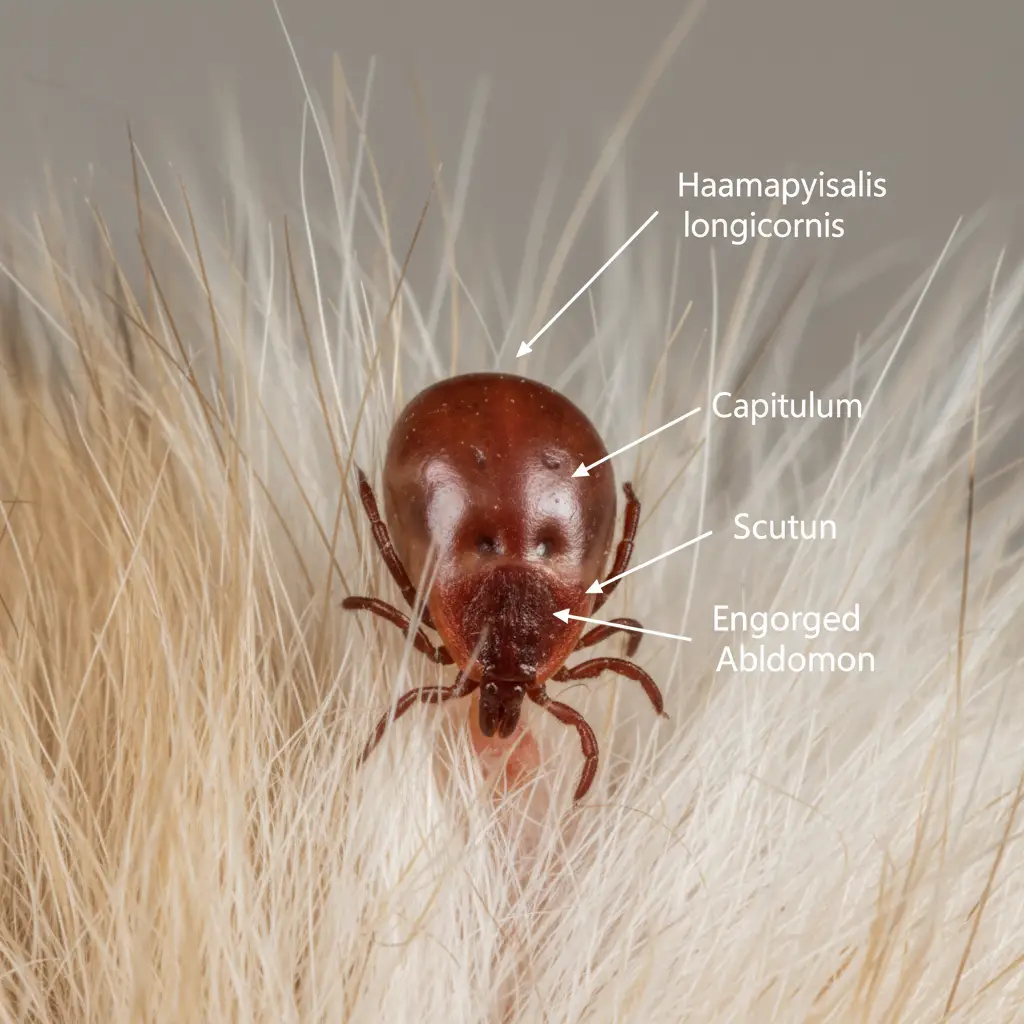
Contrary to its name, the New Zealand cattle tick (Haemaphysalis longicornis) is an indiscriminate feeder. While its primary host is cattle, deer, and sheep, it readily attaches to dogs, cats, humans, and even birds. It is an endemic issue that peaks during specific times of the year, driven largely by temperature and humidity.
The Lifecycle of the Cattle Tick
Understanding the enemy is the first step in prevention. The cattle tick is a three-host tick, meaning it drops off the host to moult between each life stage (larva, nymph, and adult). This lifecycle typically takes a year to complete in New Zealand conditions.
- Larvae: Often active in late autumn and winter. They are tiny and often go unnoticed.
- Nymphs: emerge in spring as the weather warms.
- Adults: The most visible threat, usually peaking in summer (December to February).
Health Risks for Dogs
Unlike ticks in other parts of the world, the NZ cattle tick does not carry the bacteria responsible for Lyme disease. However, it is a vector for Theileria orientalis, a parasite that affects cattle. While Theileria is not a major concern for dogs, the physical bite of the tick is problematic. Bites can cause:
- Localised Infection: The bite site often becomes red, inflamed, and susceptible to secondary bacterial infections (hot spots).
- Anemia: In rare cases of massive infestation, particularly in puppies or small breeds, the blood loss can be significant enough to cause anemia.
- Tick Hypersensitivity: Some dogs develop an allergic reaction to the saliva, leading to intense itching and discomfort.
Geographic Distribution and Risk Areas
The prevalence of the cattle tick on dogs in NZ is heavily dictated by climate. Ticks require moisture and warmth to survive off the host. Consequently, the distribution is not uniform across the country.
The North Island Hotspots
The primary endemic zones are the warmer, more humid regions of the North Island. If you are walking your dog in Northland, Auckland, Waikato, the Bay of Plenty, Taranaki, or Gisborne, tick prevention is mandatory, not optional. The combination of high rainfall and warm summers creates the perfect incubator for tick populations.
The South Island and Changing Climates
Historically, the South Island was considered too cold for established cattle tick populations. However, the northern tip of the South Island (Tasman and Marlborough regions) now sees regular tick activity. Furthermore, as climate patterns shift and winters become milder, there are anecdotal reports of ticks surviving further south. According to Manaaki Whenua – Landcare Research, the distribution range of these parasites is expanding, necessitating vigilance even in areas previously thought to be safe.
Flea Seasons Across New Zealand Regions
While ticks are a seasonal concern, fleas (Ctenocephalides felis) in New Zealand are a year-round plague. The “flea season” is a misnomer in our modern context, primarily due to how we live.
Northland and Auckland: The Never-Ending Summer
In the upper North Island, the temperature rarely drops below the threshold required to kill flea larvae and pupae outdoors. The high humidity accelerates the flea lifecycle, meaning a population can explode from a few fleas to thousands in a matter of weeks. Here, year-round treatment is critical. A gap of even one month in winter can lead to a spring infestation that is incredibly difficult to control.
The South Island and Central Heating
In colder regions like Otago and Canterbury, outdoor flea populations may go dormant during the winter frosts. However, the risk moves indoors. Modern homes with heat pumps, central heating, and double glazing create an artificial tropical environment inside the house. Fleas hitch a ride inside on a pet and breed comfortably in your carpets and bedding throughout July and August. Therefore, stopping flea treatment in winter is a false economy that often results in veterinary visits for flea allergy dermatitis (FAD) in spring.
Commercial Investigation: Spot-on vs. Chewable Treatments
The market for antiparasitic drugs is vast, and choosing the right product can be overwhelming. In New Zealand, the shift has moved significantly from topical spot-ons to systemic isoxazoline chewables. Here is a comparative analysis of the current options available to NZ dog owners.
Systemic Chewables (Isoxazolines)
Brands such as Bravecto, NexGard, and Simparica have revolutionised parasite control. These drugs work systemically; the dog ingests the tablet, the drug enters the bloodstream, and the parasite dies after biting the dog.
- Pros:
- Efficacy: Extremely effective against both fleas and the NZ cattle tick.
- Convenience: No messy residue on the fur; safe for families with children who touch the dog immediately after treatment.
- Water Fastness: Dogs can swim or bathe immediately without reducing efficacy (crucial for NZ’s beach lifestyle).
- Cons:
- Bite Required: The parasite must bite the dog to die. This means you may still see ticks attached, but they will be dead or dying.
- Contraindications: Use with caution in dogs with a history of seizures (consult your veterinarian).
Topical Spot-Ons
Brands like Frontline Plus, Advantage, and Advantix are applied to the skin at the back of the neck. Some ingredients (like Permethrin in Advantix) have a repellent effect, while others (Fipronil) kill on contact.
- Pros:
- Contact Kill: Some topicals kill parasites on contact with the skin oils, meaning the pest doesn’t necessarily have to bite (though many still do).
- Repellency: Certain formulations repel ticks and mosquitoes.
- Cons:
- Wash-off Risk: Frequent swimming or bathing with shampoo can strip the lipid layer of the skin, reducing the product’s duration of activity.
- Residue: Can leave a greasy patch; toxic to cats (specifically Permethrin-based products) if they groom the dog.
The Verdict for NZ Conditions
For dogs that swim frequently or live in high-rainfall areas (typical of NZ), oral chewables generally offer superior, consistent protection against the cattle tick on dogs NZ. However, if a repellent effect is desired to prevent the bite entirely (due to severe flea allergy), a veterinarian may recommend a specific collar or topical combination.
Environmental Control: Treating the Home
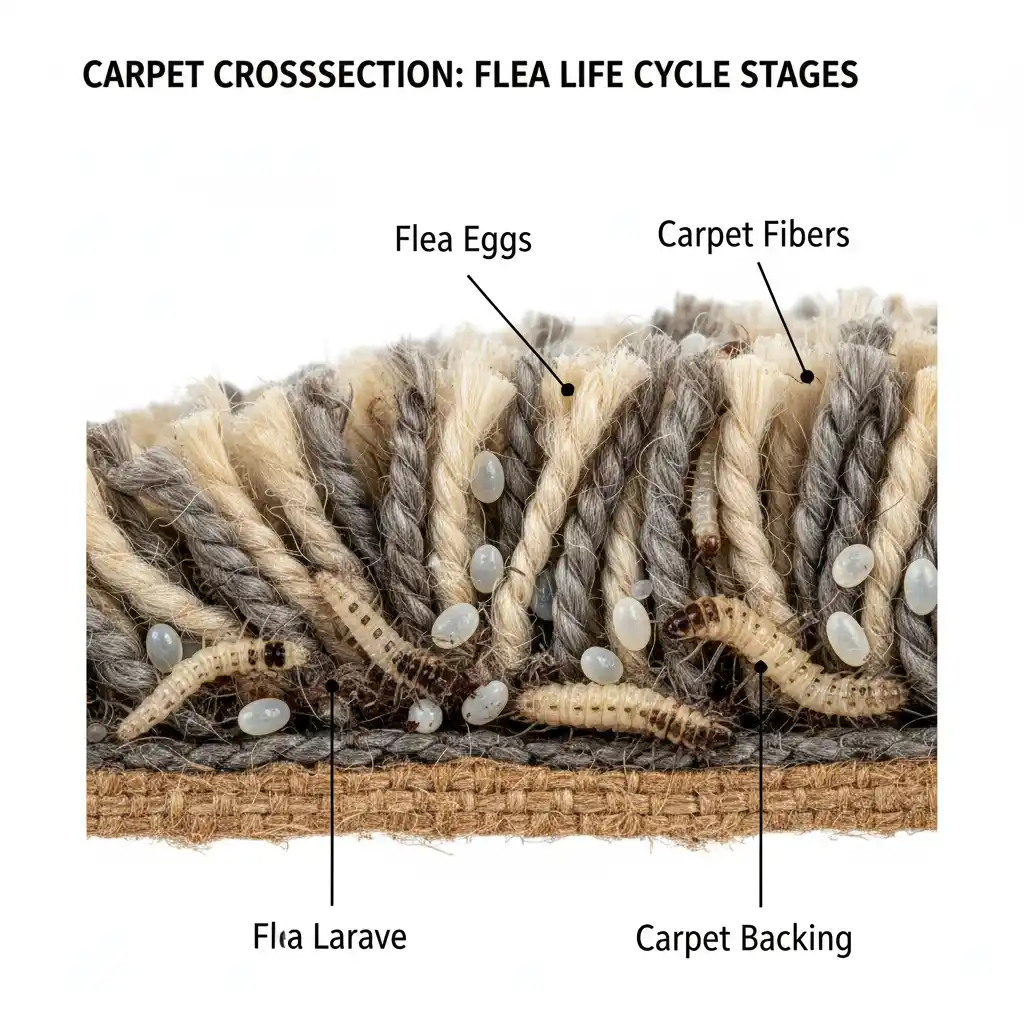
Treating the animal is only 5% of the battle. The remaining 95% of the flea population exists in your home as eggs, larvae, and pupae. Ticks, conversely, are largely an outdoor environmental problem.
The “Pupal Window”
Many owners claim their product “isn’t working” because they still see fleas. This is usually due to the pupal window. Flea pupae are encased in a cocoon that is resistant to almost all insecticides. They can lie dormant for months until vibration (footsteps) stimulates them to hatch.
To break this cycle, you must:
- Vacuum Vigorously: Vacuuming removes eggs and stimulates pupae to hatch so they can be killed by the treatment. Dispose of the vacuum bag immediately.
- Wash Bedding: Wash all pet bedding in water hotter than 60°C.
- Environmental Sprays: Use a spray containing an Insect Growth Regulator (IGR) like methoprene. This prevents eggs and larvae from maturing into adults.
Managing Ticks in the Garden
You cannot vacuum the outdoors, but you can modify the habitat. The NZ cattle tick thrives in long grass and rough vegetation (gorse, scrub). To reduce tick numbers:
- Keep lawns mown short.
- Fence off areas of dense bush or scrub to prevent dogs from entering.
- Remove leaf litter and organic debris where ticks may overwinter.
How to Safely Remove a Cattle Tick
If you find a tick attached to your dog, prompt removal is necessary to prevent local infection. Do not use old wives’ tales like burning the tick, applying nail polish, or using alcohol. These methods can cause the tick to regurgitate saliva into the wound, increasing the risk of reaction.
Step-by-Step Removal
- Preparation: Part the fur to see the tick clearly. Wear gloves if possible.
- Tool Selection: Use a specialised tick removal hook (often available at NZ vet clinics) or fine-tipped tweezers.
- The Grab:
- Hook: Slide the hook under the tick’s body, close to the skin. Twist until the tick detaches.
- Tweezers: Grasp the tick as close to the dog’s skin as possible (the head). Pull upward with steady, even pressure. Do not twist with tweezers as this can leave the mouthparts embedded.
- Disposal: Place the tick in a jar of alcohol or flush it. Do not crush it with your fingers.
- Aftercare: Clean the bite area with an antiseptic (like Betadine). Monitor for swelling.
For detailed guidance on parasite biology and veterinary protocols, resources such as the Ministry for Primary Industries (MPI) provide authoritative updates on biosecurity and animal health in New Zealand.
Frequently Asked Questions (PAA)
Below are common questions regarding tick and flea prevention specifically for New Zealand dog owners.
What is the best tick treatment for dogs in NZ?
The “best” treatment depends on your dog’s lifestyle, but isoxazoline class chewables (like Bravecto, NexGard, or Simparica) are widely considered the gold standard in NZ. They offer systemic protection that isn’t washed off by rain or swimming, which is crucial for the Kiwi climate. Consult your veterinarian for a prescription tailored to your dog’s weight and health history.
Are there paralysis ticks in New Zealand?
No, New Zealand does not currently have the paralysis tick (Ixodes holocyclus) which is common in Australia. The primary tick species in NZ is the cattle tick (Haemaphysalis longicornis). While it causes irritation and potential anemia, it does not cause the fatal paralysis associated with its Australian counterpart.
Do dogs need flea treatment in winter in NZ?
Yes. While outdoor flea activity slows in southern regions during winter, modern homes with heating provide an ideal environment for fleas to breed year-round. In the warmer North Island, flea populations remain active outdoors throughout the winter. Year-round prevention is recommended by veterinarians to prevent infestations.
Can humans catch ticks from dogs?
Ticks do not typically “jump” from dogs to humans, but a dog can bring ticks into the home environment where they may detach and subsequently attach to a human. The NZ cattle tick will bite humans. It is important to check both yourself and your pets after walking in long grass or scrub.
How do I know if my dog has a tick?
Ticks are often felt before they are seen. Run your hands over your dog’s body daily, checking for small bumps. Common attachment sites include the head, ears, neck, and between the toes. An engorged tick can look like a small, greyish-blue pebble attached to the skin.
What natural remedies work for ticks in NZ?
There are no natural remedies (such as garlic, coconut oil, or essential oils) that have been scientifically proven to be as effective as veterinary-grade pharmaceuticals for killing or repelling ticks. Given the resilience of the NZ cattle tick, relying on natural remedies can leave your pet vulnerable to infestation and skin infections.