Pet adoption fees NZ generally range from $150 to $600, depending on the animal’s species, age, and the rescue organization involved. These fees serve as a contribution toward the substantial veterinary costs incurred by the charity, covering essential services such as desexing, microchipping, vaccinations, flea and worm treatments, and comprehensive health checks, ensuring the animal is healthy and legally compliant prior to rehoming.
Adopting a pet is one of the most rewarding decisions a New Zealander can make, offering a second chance to an animal in need while enriching the lives of the new owners. However, the administrative and financial side of adoption often causes confusion. Many prospective adopters wonder why rescues charge fees for homeless animals or why they must sign lengthy legal agreements. This guide provides a comprehensive breakdown of adoption finances and legalities in the New Zealand context, ensuring you enter the process with clarity and confidence.
What Do Pet Adoption Fees in NZ Actually Cover?
One of the most common misconceptions regarding rescue animals is that the adoption fee is a “price” tag similar to buying a product. In reality, the fee is a subsidized contribution toward the medical and administrative costs invested in the animal. If an individual were to source a “free” animal and pay for these procedures privately, the cost would be significantly higher than the standard adoption fee.
1. Desexing (Spay/Neuter)
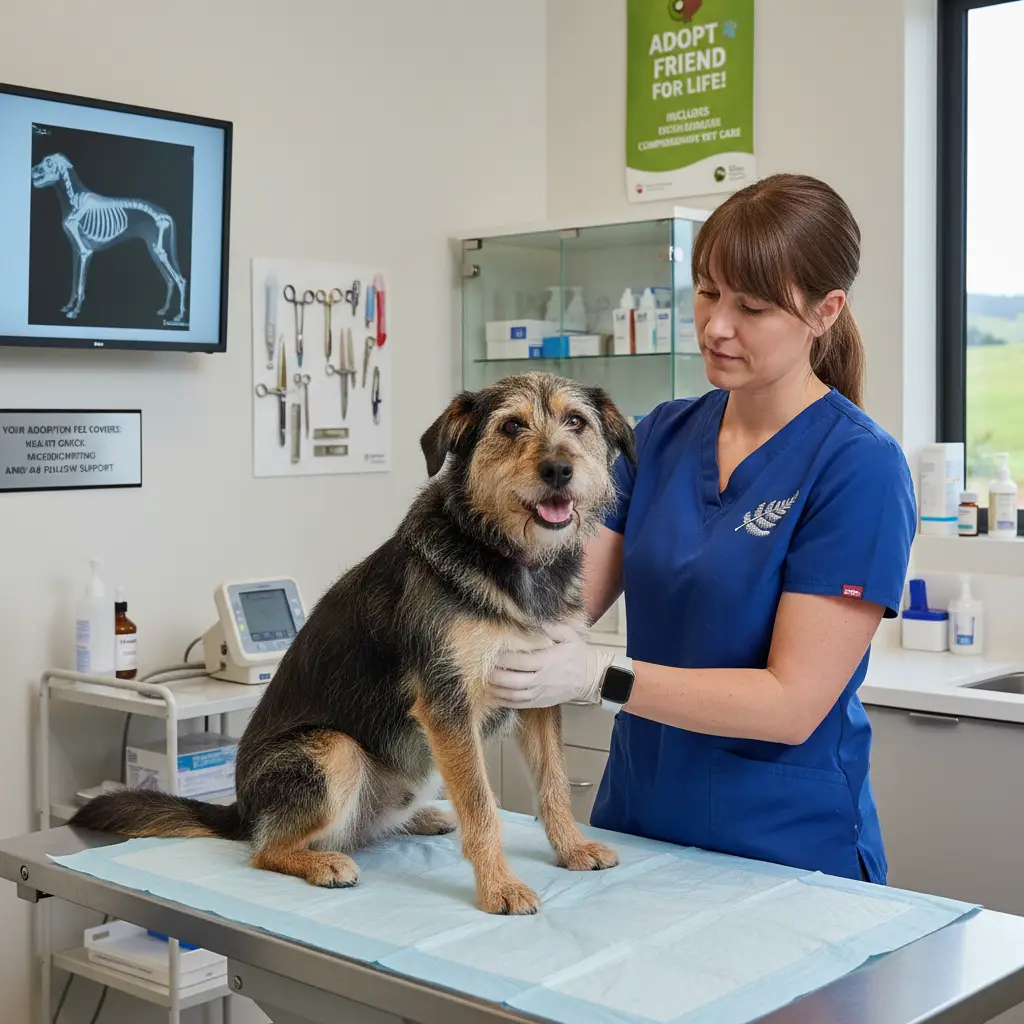
In New Zealand, reputable rescue organizations will rarely, if ever, rehome an animal that has not been desexed. This is central to their mission of reducing overpopulation. Privately, desexing a dog can cost between $350 and $650 depending on size and gender, while cat desexing ranges from $150 to $300. The adoption fee covers this entirely.
2. Microchipping and NZCAR Registration
Under the Dog Control Act 1996, all dogs registered in New Zealand for the first time must be microchipped. Rescues ensure this is done before you take the animal home. Furthermore, they register the chip with the New Zealand Companion Animal Register (NZCAR). While the chip implantation itself has a cost, the registration is vital for reuniting lost pets with owners.
3. Vaccinations
Puppies and kittens require a series of vaccinations to protect against deadly diseases like Parvovirus (dogs) or Cat Flu (cats). Adult animals require boosters. A standard course of vaccinations can cost hundreds of dollars at a private vet clinic. Adoption fees typically cover the first round or full course of these essential shots.
4. Parasite Control
Animals entering care often suffer from fleas, mites, and intestinal worms. Rescues use high-quality veterinary-grade treatments (such as Bravecto or NexGard) to clear these infestations. This ensures you aren’t bringing parasites into your home.
Average Adoption Costs by Animal Type
While fees vary between the SPCA, council pounds, and private charitable trusts, there are general market averages you can expect when looking for pet adoption fees NZ.
Dogs and Puppies
Dogs generally command higher adoption fees due to the higher cost of desexing larger animals and the council registration requirements.
- Puppies (under 6 months): $300 – $600. Puppies require more vaccinations and intensive foster care.
- Adult Dogs: $250 – $400.
- Senior Dogs: $100 – $200. Many rescues offer “Golden Paws” programs with reduced fees to encourage the adoption of older animals.
Cats and Kittens
New Zealand has a significant stray cat population, meaning rescues are often at capacity.
- Kittens: $150 – $250. Usually adopted out in pairs or singly.
- Adult Cats: $80 – $150.
- Senior/Special Needs: $0 – $80. Some organizations ask only for a donation for difficult-to-rehome cats.
For authoritative data on animal welfare and ownership statistics in New Zealand, you can refer to Companion Animals NZ, which provides extensive resources on responsible ownership standards.
The Economics of Rescue: Why Fees Are Necessary
It is crucial to understand that reputable rescues in New Zealand operate as non-profit charities. They do not make a profit on adoption fees; in fact, they almost always operate at a loss per animal.
Consider a typical scenario for a rescue dog involved in an accident before being saved:
- Orthopedic Surgery: $2,000+
- Desexing: $300
- Vaccinations: $120
- Food and Shelter (4 weeks): $200
- Total Cost to Rescue: $2,620+
- Adoption Fee: $350
The difference is covered by fundraising, grants, and public donations. When you pay an adoption fee, you are not just paying for your specific animal; you are helping the organization remain solvent so they can save the next animal in line. This “pooling” of funds allows healthy, low-cost animals (like a healthy surrendered puppy) to subsidize the medical marvels that require thousands of dollars in care.
Understanding the Adoption Contract
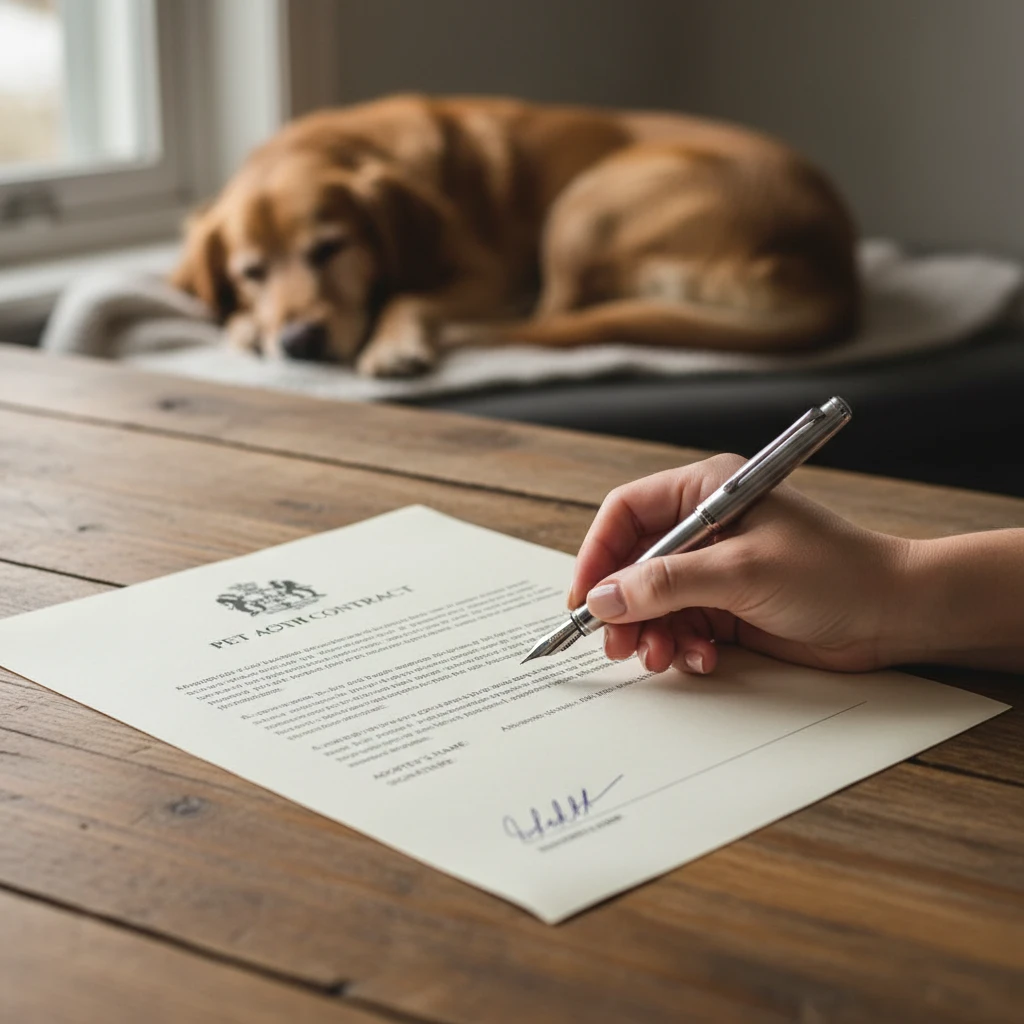
The adoption contract is a legally binding document between the rescue organization (the transferor) and the adopter (the transferee). Unlike a simple bill of sale, an adoption contract is designed to protect the welfare of the animal for the remainder of its life.
In New Zealand law, animals are technically considered property. However, adoption contracts often include covenants that restrict what you can do with that “property” to ensure the animal is treated humanely. By signing, you are agreeing that the rescue has the right to reclaim the animal if specific conditions are breached.
Key Clauses to Look For in Legitimate Contracts
A legitimate rescue contract is transparent. It protects the animal, the rescue, and the adopter. Here are the critical clauses you should expect to see and understand.
1. The Return Policy (Right of First Refusal)
This is arguably the most important clause. It states that if, for any reason, you can no longer keep the animal, it must be returned to the rescue organization. You cannot sell the animal on Facebook Marketplace, TradeMe, or give it to a friend without the rescue’s written consent. This ensures the animal does not end up in an unsafe environment.
2. Desexing Enforcement
If you are adopting a puppy or kitten that is too young to be desexed at the time of adoption, the contract will include a mandatory clause requiring you to have the procedure done by a specific date. The rescue usually holds a bond or includes the cost in the fee (providing a voucher). Failure to desex the animal is a breach of contract and usually results in the animal being reclaimed.
3. Standard of Care
Contracts will outline the expected standard of living. This often includes:
- Providing adequate shelter, food, and fresh water.
- Annual veterinary check-ups and vaccinations.
- Compliance with local council bylaws (e.g., registration).
- Restrictions on chaining dogs or keeping them solely outdoors.
4. Liability Waiver
Rescues do their best to assess an animal’s temperament and health, but they cannot guarantee them. The contract will include a clause stating that the rescue is not liable for future veterinary bills or damages caused by the animal once the adoption is finalized. This is standard practice to protect the charity from litigation.
Red Flags: Scams and Unethical Practices
Unfortunately, the high demand for pets in New Zealand has given rise to scams and unethical sellers posing as rescues. Being able to distinguish between a legitimate rescue and a scammer is vital for your financial safety and animal welfare.
The “Free to Good Home” Myth
Be wary of online listings offering animals for “free” or for very low costs without vetting. These animals are often unaltered, unvaccinated, and may have behavioral issues. Furthermore, dog fighters and illegal breeders often trawl these listings to acquire animals.
Puppy Mills Disguised as Rescues
Some unethical breeders will label their operation as a “rescue” to offload older breeding stock or unsold puppies. Red flags include:
- Having a constant supply of purebred puppies.
- Charging fees significantly higher than the $600 average (e.g., $1,500 for a “rescue” puppy).
- Refusing to let you see where the animals are kept.
- No desexing requirement.
Deposit Scams
Never pay a deposit for an animal you have not met, especially if the “rescue” is communicating solely via email or social media and claims to be in a different city, offering to ship the pet. Legitimate rescues require an application process and usually a meet-and-greet. For more information on avoiding online scams, refer to Netsafe New Zealand.
The Adoption Process: Step-by-Step
Understanding the workflow of a typical NZ rescue helps manage expectations. This process is not designed to be difficult, but to ensure a successful, lifelong match.
- Application: You fill out a form detailing your home environment, work hours, and experience with pets.
- Vetting/Interview: A volunteer reviews your application and may call your landlord (if renting) to confirm you have permission to have pets.
- Meet and Greet: You meet the animal. If you have existing dogs, a “dog introduction” is usually required to ensure compatibility.
- Property Check: Some rescues require a fence check to ensure your property is secure for the specific dog.
- Payment and Contract: You pay the adoption fee and sign the agreement.
- Trial Period: Many rescues offer a 2-4 week trial period. If it doesn’t work out during this time, you can return the animal for a refund (minus an administration fee).
Adopting a pet is a serious commitment, but understanding the fees and contracts involved makes the process transparent. The fees you pay are a vital lifeline for New Zealand’s animal welfare sector, ensuring that help is available for the next vulnerable animal that comes through the rescue’s doors.
People Also Ask
Why are SPCA adoption fees so high?
SPCA adoption fees are actually subsidized and rarely cover the full cost of care. The fee includes desexing, microchipping, vaccinations, flea/worm treatment, and vet checks, which would cost significantly more if purchased privately.
Can I get my adoption fee back if I return the pet?
Most NZ rescues offer a trial period (typically 2-4 weeks) during which you can return the pet for a refund, often minus a small administration fee. After the trial period, fees are generally non-refundable as they are considered a donation to the charity.
Is it free to adopt a dog in NZ?
It is rarely free to adopt a dog from a legitimate rescue in NZ. Fees are necessary to cover medical costs. “Free” dogs found on social media often lack vet care, desexing, and microchipping, which will cost the new owner more in the long run.
Do I have to own my home to adopt a pet in NZ?
No, you do not have to own a home, but you must have written permission from your landlord if you are renting. Rescues will verify this to prevent the animal from being returned due to housing disputes.
What happens if I breach the adoption contract?
If you breach terms such as failing to desex the animal or keeping it in poor conditions, the rescue organization has the legal right to reclaim the animal based on the contract signed at adoption.
Are vaccinations included in the adoption fee?
Yes, adoption fees typically include age-appropriate vaccinations. For puppies and kittens, this usually covers the first 1-2 shots, but the new owner may be responsible for the final booster.