
Understanding Potential Adopters for NZ Pet Owners
Life has a habit of changing when we least expect it. Perhaps you are facing a sudden relocation, navigating a rental market that feels increasingly hostile to animals, or dealing with a shift in family circumstances. Whatever the reason, making the decision to rehome a beloved family member is incredibly heavy.
We want you to know one thing straight away: there is no judgment here. At Pet Rescue NZ, we believe that you know your pet better than anyone else ever could. You know their quirks, their favorite sleeping spots, and what makes them nervous on a rainy Tuesday.
That is why we champion home-to-home rehoming—it keeps your pet safe in their familiar environment while you take the lead in finding their next family. But taking that lead means understanding potential adopters for NZ pet owners so you can make the best choice with confidence.
Let’s walk through how to read between the lines of adoption inquiries. We will look at what motivates Kiwi adopters, how to spot the “green flags,” and how to trust your gut throughout this emotional journey. Our goal is to make sure your pet transitions smoothly from your loving home directly to another.
Key Takeaways
For Kiwi pet owners, understanding potential adopters for NZ pet owners is about looking past polished messages to find genuine alignment with your pet’s specific lifestyle needs. By learning to identify key green flags, asking open-ended questions, and understanding local housing realities, you can confidently choose a safe, loving new home without the stress of a shelter environment.
The Kiwi pet landscape: Who is looking to adopt?
To find the right match, it helps to understand who is actually looking for pets in Aotearoa. According to the latest Companion Animals New Zealand (CANZ) Pet Data Report, nearly 2 in 3 Kiwi households share their lives with a companion animal. This shows that our love for animals is deeply woven into our local culture.
Cats remain the most popular choice, residing in about 40% of homes, while dogs are close behind in 31% of households. Interestingly, the desire to adopt is incredibly strong, with more than half of non-pet-owning households stating they would love to welcome a companion animal into their lives.
The reasons people seek to adopt are deeply human. Most Kiwi families are looking for companionship, unconditional love, and a way to encourage outdoor exercise. When you understand these motivations, you can tailor your conversations to see if your pet’s personality aligns with what they are searching for.
As shown in the data above, pet ownership is incredibly common across New Zealand. However, the high demand for companion animals also means you will receive a wide variety of inquiries. Sorting through these messages requires a structured approach to ensure your pet’s welfare remains the top priority.
Adopter personas: Who is reaching out to you?
Every inquiry you receive comes from a unique household, but most potential adopters tend to fall into a few common profiles. By identifying these personas early on, you can quickly assess whether their lifestyle matches your pet’s daily needs.
For example, a high-energy heading dog will thrive with an active adventurer but might struggle in a quiet, suburban home with young toddlers. Conversely, an older, independent cat might find a busy family home overwhelming and prefer a peaceful retirement companion.
Let’s compare the most common adopter profiles you are likely to meet on your rehoming journey. This breakdown will help you understand their expectations and what questions you should focus on during your initial conversations.
| Adopter Persona | Core Motivation | Ideal Pet Profile | Vetting Focus for Owners |
|---|---|---|---|
| The Active Adventurer | Outdoor companion for tramping, beach walks, and running. | High-energy dogs, working breeds, and young, active pets. | Ask about their daily exercise routines and experience with high-drive breeds. |
| The Quiet Retiree | Constant companionship, quiet routines, and gentle walks. | Senior cats, older lap dogs, and low-energy companion animals. | Discuss support systems if their health changes, and confirm veterinary care access. |
| The Busy Family | Teaching children responsibility and adding lively joy to the home. | Patient, socialized dogs and confident, playful cats. | Verify that children know how to interact safely with animals and assess supervision plans. |
| The Lifestyle Block Guardian | Space utilization, working roles, or hobby farming companionship. | Working dogs, stock-friendly breeds, and outdoor-loving pets. | Check fencing secureness and ensure the pet has safe shelter from the elements. |
Red flags vs. green flags: Spotting the right fit
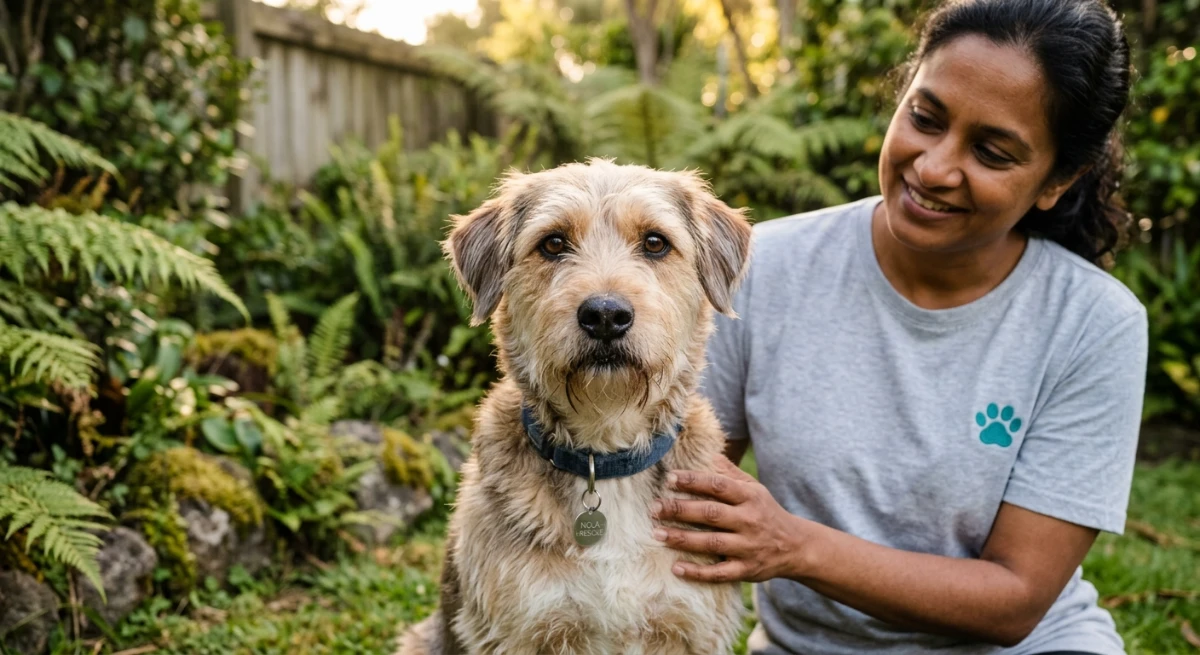
When you list your pet for rehoming, you might receive dozens of messages. Some will be heartwarming, while others might feel a bit brief or transactional. Learning to separate the ideal homes from the potentially risky ones is a vital skill.
A “green flag” adopter is someone who respects your boundaries, asks thoughtful questions about your pet’s history, and is willing to take things slow. They understand that this is an emotional process for you, and they want to make sure the transition is as smooth as possible for the animal.
On the other hand, “red flags” are indicators that an adopter might not have the pet’s best interests at heart. This doesn’t always mean they are bad people, but it does mean their home might not be the stable environment your pet deserves.
If an adopter pressures you to drop the pet off immediately without asking any questions about their diet, medical history, or temperament, take a step back. Genuine adopters want to know everything about their future family member.
Another major green flag is a willingness to meet in person before making a final decision. A good adopter will gladly arrange a meet-and-greet at a local park or in your garden. This allows you to observe how they interact with your pet in real-time.
Be cautious of anyone who refuses to share details about their living situation or seems overly focused on the pet’s breeding status. For intact animals, ensure they understand that desexing is a non-negotiable part of the rehoming agreement to prevent accidental litters.
Crucial questions to ask every potential adopter
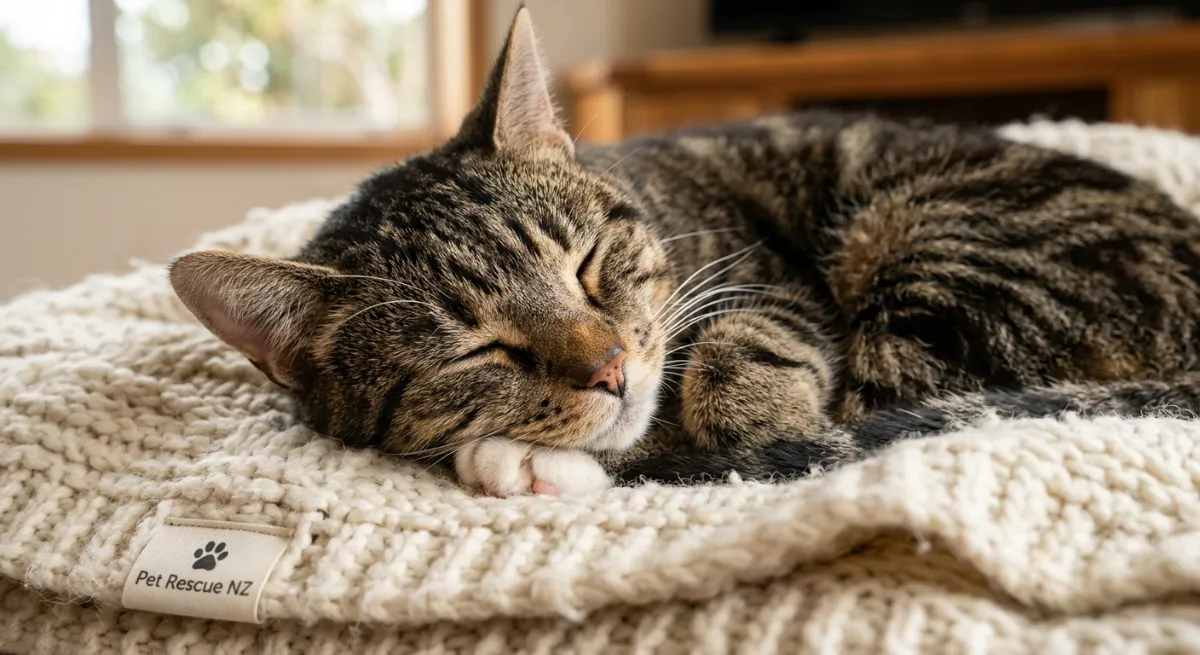
Vetting a potential adopter shouldn’t feel like an interrogation. It is simply a friendly conversation between two people who want the best for an animal. The best way to get honest answers is by asking open-ended questions that require more than a simple “yes” or “no.”
By guiding the conversation naturally, you can learn about their daily routines, their past experience with pets, and how they plan to handle common behavioral challenges. This conversational approach keeps things relaxed while still giving you the vital information you need.
Here are some of the most effective questions you can ask when understanding potential adopters for NZ pet owners:
- “What does a typical weekday look like in your household, and how long would the pet be left alone?”
- “Have you owned this breed or species before? What did you enjoy most about them?”
- “How do you plan to handle training or behavioral adjustments during the first few weeks?”
- “What are your plans for vet care, and do you have a local clinic you already trust?”
- “If your living or working situation changes in the future, how will you ensure the pet remains a part of your life?”
Frame your questions as a chat rather than a formal test. Instead of asking ‘Do you have a fence?’, try saying ‘Tell me about your outdoor space—our dog loves to chase birds!’ This encourages open, honest sharing.
Navigating the rental housing reality in Aotearoa
We cannot talk about pet ownership in New Zealand without addressing the housing market. Finding pet-friendly rentals in Auckland, Wellington, or Christchurch can be incredibly difficult. Sadly, landlord restrictions are one of the most common reasons pets enter the rehoming cycle.
However, being a renter does not automatically make someone a bad pet owner. Many renters are incredibly dedicated, loving, and stable guardians. The key is ensuring that they have explicit, written permission from their landlord before any transition takes place.
When reviewing an inquiry from a renter, ask if they have a “Pet CV” or if they are willing to share a landlord reference. This shows they are proactive, organized, and serious about their long-term commitment to your pet.
Always ask potential adopters who rent to provide a copy of their tenancy agreement or a written email from their landlord explicitly stating pets are permitted. This simple step prevents heartbreaking situations later.
Making the handover safe and stress-free
Once you have chosen the perfect family, the final step is the handover. This is often the most emotional day for you, but it is also a highly confusing day for your pet. Planning the logistics in advance can help keep stress levels as low as possible for everyone involved.
We recommend meeting in a quiet, neutral space if you are rehoming a dog, or arranging a gentle home visit if you are rehoming a cat. Let the new family spend some quiet time sitting on the floor, allowing the pet to approach them at their own pace.
Send your pet off with their favorite blanket, their current food, and their familiar toys. Having these familiar scents around them in their new home will provide immense comfort during those first critical nights of decompression.
Remember that it takes about three days for a pet to decompress in a new environment, three weeks to learn the routine, and three months to feel fully secure. Share this timeline with the new family to help them stay patient.
Rehoming is an act of profound love. By taking the time for understanding potential adopters for NZ pet owners, you are actively protecting your pet’s future. Trust your instincts—you will know when the fit is right, and your pet will thank you for finding them a safe, happy path forward.
Written by Sarah Jenkins
Sarah is a passionate animal welfare advocate with over 12 years of experience supporting community-led pet rehoming across Aotearoa New Zealand. Having helped hundreds of Kiwi families navigate the emotional transition of home-to-home rehoming, she is dedicated to keeping pets out of shelters and in loving home environments.