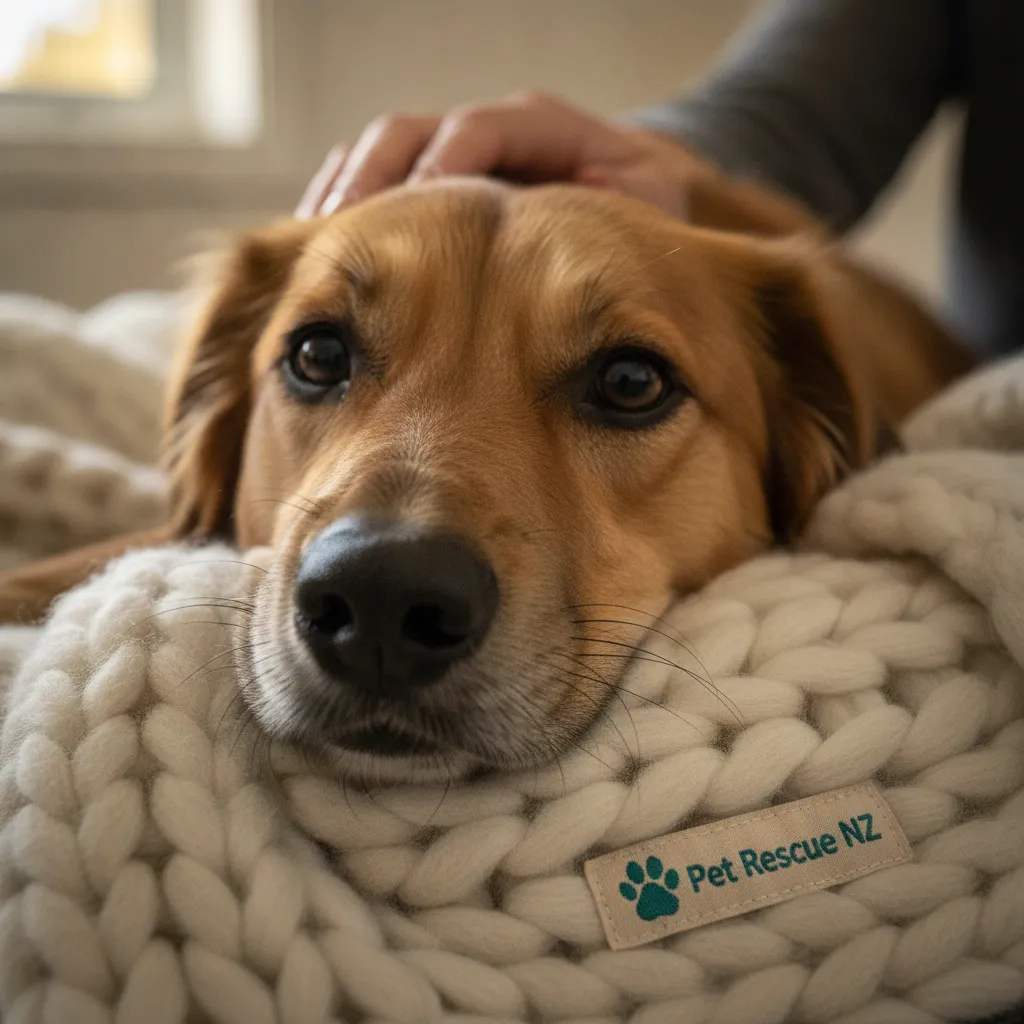
Understanding Expectations After Adopting Dogs in NZ
Bringing a new dog home is one of life’s great joys. But let’s be honest—it can also be incredibly overwhelming.
Right now, Aotearoa is facing a perfect storm in the animal welfare sector. With the cost of living biting hard, traditional shelters are overflowing, and families are feeling the pressure.
In Auckland alone, the council recently reported a heartbreaking 60% euthanasia rate for impounded dogs. That statistic is a tough pill to swallow, and it is driving a massive shift in how Kiwis adopt.
That is why more Kiwi families are turning to direct, home-to-home adoptions. It keeps dogs out of cages, bypasses the overwhelmed pound system, and gives pets a much softer landing.
But whether your new mate comes straight from another family’s couch or a rescue group, the transition takes real time. Understanding expectations after adopting dogs in NZ is the secret to a successful, lifelong bond.
Every pet has a story—let’s help write the next chapter. Here is exactly what you need to know about navigating those crucial first weeks and months.
Key Takeaways
Understanding expectations after adopting dogs in NZ requires patience, guided by the 3-3-3 rule: 3 days to decompress, 3 weeks to learn routines, and 3 months to settle. Adopters must also budget for ongoing care and legally update council registrations and NZCAR microchip details immediately.
The Reality of Rehoming in Aotearoa Today
Right now, the New Zealand pet welfare sector is under immense pressure. Life changes, and we get it—but the fallout on physical shelters has been severe.
Recent data shows that Auckland Council impounded over 10,000 dogs in a single year. Tragically, with only about 35% of those dogs claimed within seven days, the euthanasia rate spiked to unprecedented levels [1].
This grim reality is exactly why the “No-Shelter” movement is gaining so much momentum across the country. By choosing a peer-to-peer platform like Pet Rescue NZ, you are actively bypassing the overwhelmed pound system entirely.
Your new dog experiences zero cage time. They go straight from one familiar, loving home to another, drastically reducing their stress levels.
However, even a gentle transition is a massive emotional upheaval for an animal. That is why understanding expectations after adopting dogs in NZ is so critical for modern adopters.
The 3-3-3 Rule: Your Dog’s Emotional Timeline
If there is one concept every new owner needs to memorize, it is the 3-3-3 rule. This timeline is the absolute cornerstone of understanding expectations after adopting dogs in NZ.
It provides a realistic roadmap for how a dog processes change. Knowing these stages prevents frustration and helps you build a bond based on empathy, not pressure.
The First 3 Days: Decompression
The first 72 hours are all about survival mode for your new mate. They are likely feeling overwhelmed, confused, and perhaps a little scared.
Do not expect instant cuddles, perfect behavior, or a massive appetite. Some dogs will hide under a table, while others might pace nervously around the living room.
Limit visitors, avoid overwhelming outings to the dog park, and let them sleep as much as they need during these first few days.
The First 3 Weeks: Learning Routines
By week three, your dog is starting to figure out how your household operates. They are learning when dinner is served, where it is safe to sleep, and who the key people are.
This is also when boundary-testing often begins. You might see some cheeky behaviors pop up, like jumping on the couch or barking at the postie.
Consistent, gentle boundaries are essential right now. Correct them kindly, and reward the good behavior heavily to reinforce the new house rules.
The First 3 Months: Building Trust
At the three-month mark, the real magic usually happens. Your dog finally understands that this is their forever home, and the nervous energy drops away.
Their true, relaxed personality shines through. They will seek out affection more naturally and settle into the daily rhythm of your family life.
Building a Safe Space at Home
Before your new dog even walks through the front door, you need to set up their safe zone. This is a crucial step for managing their early anxiety.
This should be a quiet corner of the house, away from high-traffic areas like the kitchen or front door. Equip this space with a comfortable bed, fresh water, and a few sturdy chew toys.
When the dog retreats to this space, the whole family must understand the golden rule: leave them alone. Giving a dog the agency to step away when they feel overwhelmed builds immense trust.
Never let young children pull a hiding dog out of their safe space. Forced interactions during the decompression phase can lead to fear-based snapping.
Financial Realities During a Cost of Living Crisis
We cannot talk about adoption without talking about money. It is a tough topic, but honesty is always the best policy when animal welfare is involved.
A recent Companion Animals NZ survey revealed that 25% of pet owners struggle to meet their pet’s needs due to the current cost of living [2]. Before you say yes to a new dog, you need to be realistic about the ongoing costs.
It is not just about the initial adoption fee. You are committing to years of feeding, council registrations, and unexpected veterinary bills.
| Expense Category | Estimated Annual Cost (NZD) | Notes |
|---|---|---|
| Council Registration | $100 – $200 | Varies by local council. Often cheaper for desexed dogs. |
| Quality Dog Food | $1,200 – $2,500 | Depends entirely on the size of the dog and dietary needs. |
| Routine Vet Care | $300 – $600 | Covers annual vaccinations, flea/worming treatments, and checkups. |
| Pet Insurance | $600 – $1,200 | Highly recommended to avoid massive emergency surgery bills. |
Legal Responsibilities Under NZ Law
Adopting a dog in Aotearoa comes with strict legal responsibilities. You cannot just bring a dog home and forget about the paperwork.
Under the Dog Control Act 1996, you must register your dog with your local council immediately. You cannot simply wait until the next billing cycle rolls around in July [3].
Contact the New Zealand Companion Animal Register (NZCAR) immediately to ensure your phone number and address are linked to the dog’s microchip.
The Animal Welfare Act 1999 also dictates your legal ‘Duty of Care’. This means providing proper shelter, adequate food, and veterinary treatment whenever it is required.
When you adopt directly from an owner on Pet Rescue NZ, the legal transfer of ownership happens the moment you physically take the dog. From that second onward, their welfare is entirely in your hands.
Overcoming Common Behavioral Hurdles
Even the absolute best dogs will have a few hiccups as they settle into a new environment. Expecting perfection from day one will only lead to disappointment.
Accidents in the house, minor destructive chewing, or mild separation anxiety are incredibly common in the first few weeks. Do not panic.
This is normal transition behavior, not a sign that you have adopted a “bad” dog. They are simply communicating their stress the only way they know how.
To mitigate these issues, stick to a rigid routine. Dogs thrive on predictability, and knowing exactly when they will be fed and walked drastically reduces their internal anxiety.
If a behavior persists past the three-month mark, do not hesitate to reach out to a balanced, positive-reinforcement trainer. Asking for help is a sign of a great owner.
Why Home-to-Home Adoption Changes Everything
Institutional shelters do incredible work, but they are undeniably stressful environments for animals. The noise, the smells, and the concrete kennels can be terrifying.
When a dog sits in a loud pound, their cortisol levels skyrocket. It can take months in a new home just to undo that specific shelter trauma.
Home-to-home rehoming removes that middleman entirely. The pet stays safe on a familiar couch until the right family says yes.
Always ask the previous owner for a written rundown of the dog’s daily routine. Replicating their feeding and walking times will dramatically speed up the settling process.
As an adopter, you get to speak directly with the previous owner. You learn the dog’s true history, their funny little quirks, and their favorite treats.
This direct transparency makes understanding expectations after adopting dogs in NZ so much easier. You aren’t guessing about their past; you are getting the full story directly from the source.
No shelters. No middlemen. Just good people finding each other for the sake of the dog. Trust your gut—you will know when it is the right match.

Ultimately, understanding expectations after adopting dogs in NZ comes down to empathy. Give them time, give them space, and let them show you who they really are.