Home to home pet rehoming NZ is a compassionate, owner-managed process where a pet is transferred directly from their current family to a new adopter without entering a shelter system. This method minimizes stress by keeping the animal in a familiar environment until a suitable match is found, ensuring a seamless transition and preserving the animal’s history. Senior Cat Adoption Benefits.
What is Home-to-Home Pet Rehoming?
In the landscape of animal welfare, the traditional model usually involves surrendering a pet to a facility, such as the SPCA or a local rescue group, where the animal waits in a kennel or cattery until adopted. While these organizations perform heroic work, the environment can be incredibly stressful for animals accustomed to a home life.
Home-to-home rehoming disrupts this model by empowering the current owner to act as the foster parent during the transition. It is a proactive approach that prioritizes the mental health of the animal. Instead of facing the terrifying uncertainty of a shelter cage, the pet remains on their favorite sofa, eating their regular food, and adhering to their routine until the very moment they move to their new permanent home.
This method is not merely about listing a pet online; it is about facilitated stewardship. In New Zealand, where animal welfare standards are high, this approach is gaining traction as the most ethical way to handle the heartbreaking decision to rehome a companion animal due to unforeseen circumstances like housing insecurity, illness, or financial hardship.

Why Home-to-Home is Different (vs. Shelters & Classifieds)
To truly understand the value of home-to-home rehoming, one must compare it to the alternatives available in New Zealand: the shelter system and general classifieds (such as standard social media marketplaces or TradeMe).
The Shelter System vs. Home-to-Home
Shelters in New Zealand are often at capacity. When an owner surrenders a pet, they lose control over where that pet ends up. The shelter staff, while professional, only get a snapshot of the animal’s personality in a high-stress environment. A dog that is calm at home may appear aggressive or shut down in a kennel, potentially affecting their adoptability.
In a home-to-home scenario, the animal is presented in their true light. The anxiety of abandonment is removed from the equation, meaning the new owner meets the “real” pet, not a frightened version of them.
Classifieds vs. Ethical Platforms
Listing a pet on a generic classified site can be risky. These platforms are often plagued by impulse buyers, people looking for bait dogs, or individuals who cannot afford proper veterinary care. There is rarely a vetting process involved.
Dedicated home-to-home rehoming focuses on matching rather than selling. It encourages a dialogue about the pet’s specific needs—such as “must be an only dog” or “needs a fenced section”—ensuring that the inquirer is actually capable of providing the necessary lifestyle.
The Benefits for Pets and Owners
The advantages of this direct transfer method are multifaceted, impacting the current owner, the new adopter, and most importantly, the animal.
For the Pet: Continuity and Comfort
The most significant benefit is the reduction of trauma. Animals thrive on routine. By bypassing the shelter, the animal avoids exposure to infectious diseases (like kennel cough) and the psychological toll of confinement. They move from one loving home to another, often with their favorite bed and toys in tow.
For the Current Owner: Peace of Mind
Rehoming a pet is often accompanied by immense guilt. Surrendering a pet to a shelter leaves the owner with unanswered questions: Did he get adopted? Is he scared? With home-to-home rehoming, the current owner selects the new family. They can see where their pet is going, ask questions, and often stay in touch. This transparency provides closure and the assurance that they did the right thing. Inspiring Stories from Successful Rehomers in NZ.
For the Adopter: Full History
Adopting from a shelter can sometimes be a “lucky dip.” Histories are often lost or unknown. In a direct rehoming scenario, the new owner gets a complete dossier. They learn the pet’s quirks, medical history, dietary preferences, and behavioral triggers directly from the person who knows them best.
Ethical Considerations in Pet Rehoming
Ethical rehoming requires honesty and transparency. It is not an opportunity to “offload” a problem without disclosure. In New Zealand, the Companion Animals New Zealand organization advocates for responsible ownership, which extends to the rehoming process.
Full Disclosure of Behavioral Issues
If a dog has bite history or separation anxiety, this must be disclosed. Hiding these facts puts the new family at risk and increases the likelihood of the pet being bounced around or euthanized. Ethical home-to-home rehoming is about finding the right home, not just any home. A dog with high energy isn’t a “bad dog,” but they are a bad match for an inactive apartment dweller.
The Question of Rehoming Fees
There is often debate regarding rehoming fees. While selling animals for profit is discouraged in the rescue community, a modest rehoming fee is often recommended to deter individuals with nefarious intentions (such as dog fighters or animal hoarders). However, many ethical platforms recommend donating this fee to a registered charity or using it to cover a final vet check and vaccination before transfer.
The New Zealand Context: Renting and Regulations
In New Zealand, a significant driver of rehoming is the rental crisis. Many landlords are hesitant to allow pets, forcing tenants to make heartbreaking choices when moving. While changes to the Residential Tenancies Act have attempted to make pet ownership easier for renters, the reality on the ground remains difficult.
When engaging in home-to-home rehoming in NZ, it is vital to verify that the potential adopter has permission to keep a pet. If they are renting, a written consent form from the landlord should be a prerequisite before finalizing the adoption. This prevents the animal from being returned a week later due to a tenancy breach.
Furthermore, New Zealand has strict microchipping regulations. As per the SPCA New Zealand, all dogs must be registered with their local council. During a home-to-home transfer, the “Change of Ownership” form must be completed and filed with the local council (e.g., Auckland Council, Wellington City Council) to ensure legal responsibility is transferred correctly. The microchip database (NZCAR) must also be updated. Essential Legal Considerations for NZ Business Owners. Importing Pets to NZ: MPI Standards.
Getting Started: A Step-by-Step Guide
If you find yourself in the position of needing to rehome your pet, follow this structured approach to ensure safety and success.
1. Prepare the Animal
Ensure your pet is desexed, vaccinated, and up-to-date on flea and worm treatments. A healthy pet is much easier to rehome. Gather all veterinary records to hand over to the new owner.
2. Create an Honest Profile
Write a biography that tells a story. Include:
- The Good: Cuddly nature, tricks known, house training status.
- The Needs: Exercise requirements, fencing needs, compatibility with kids/cats.
- The Quirks: Does he snore? Does she hate the vacuum cleaner?
Take high-quality photos in natural light. A blurry photo in a dark room implies neglect; a bright, happy photo implies a loved pet looking for a new chapter.
3. Choose the Right Platform
Utilize platforms specifically designed for rehoming or reputable community groups. Be wary of general marketplaces. Clearly state that you are looking for a “forever home” and will be vetting applicants.
How to Vet Potential Adopters
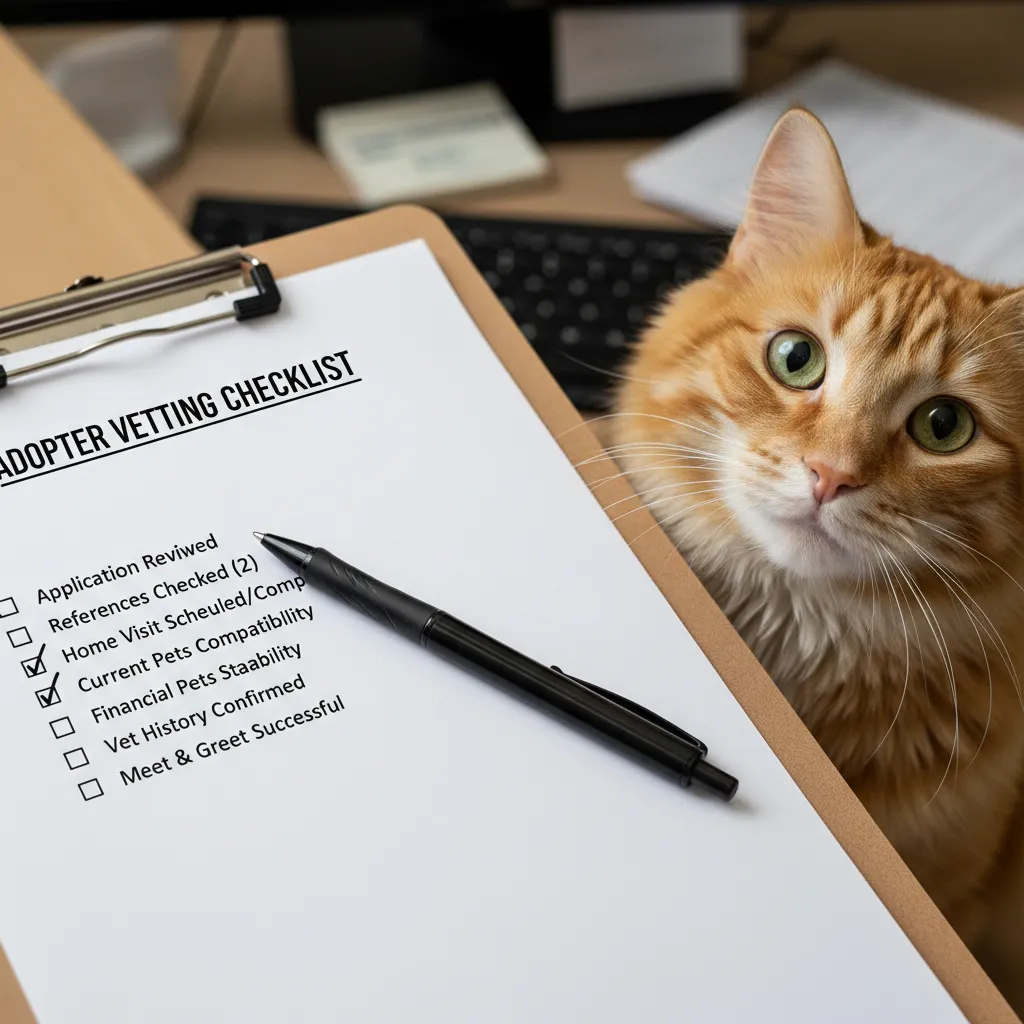
This is the most critical phase. Do not simply give the pet to the first person who responds. You are acting as the adoption officer.
Initial Screening Questions
Before meeting, ask the following via email or phone:
- Do you own your home or rent? (If renting, ask for proof of pet permission).
- Who else lives in the home (children, other pets)?
- What is your work schedule? How long will the pet be alone?
- Have you owned this breed before?
- What veterinarian do you use?
The Meet and Greet
Arranging a meeting in a neutral location (like a park) for dogs, or at your home for cats, is essential. Observe how the person interacts with the animal. Are they gentle? Do they ask the right questions? Trust your gut instinct. If something feels off, do not proceed.
The Home Check
If possible, request to see the home where the pet will live. In New Zealand, checking for secure fencing is crucial for dogs. This step confirms that the environment matches what the applicant described.
The Trial Period
Ethical home-to-home rehoming often involves a trial period (e.g., two weeks). Agree that if it doesn’t work out, the pet comes back to you (if you are able) or you will work together to find a new solution. This safety net prevents the animal from being dumped if the match isn’t perfect.
Frequently Asked Questions
Below are common questions regarding the home-to-home rehoming process in New Zealand.
Is it illegal to rehome a pet privately in NZ?
No, it is not illegal to rehome a pet privately in New Zealand. However, you must ensure the animal is treated humanely during the process. If you are selling a dog, you must comply with local council regulations regarding registration transfer. It is illegal to sell a dog that is not microchipped and registered.
How much should I charge for a rehoming fee?
A rehoming fee is recommended to ensure the adopter is committed and to deter people looking for free animals for unethical reasons. In NZ, a fee between $50 and $200 is common for adult pets, often covering the cost of recent vet work or desexing. Some owners prefer to ask for a donation to a registered animal charity instead.
What happens if the new owner abuses the pet?
Once legal ownership is transferred, you have limited rights. This is why the vetting process, including home checks and checking vet references, is critical before handing the pet over. If you suspect abuse after the fact, you should report it to the SPCA immediately.
Can I rehome a dog with a bite history?
Rehoming a dog with a bite history is legally and ethically complex. You must fully disclose the history in writing. Many experts recommend consulting a professional behaviorist before rehoming to assess if the dog is safe to be placed in a community setting. Some aggressive dogs may not be suitable for rehoming.
How do I transfer the microchip details in NZ?
You need to contact the New Zealand Companion Animal Register (NZCAR). Both the previous and new owner usually need to sign a form, or the previous owner can initiate the transfer online. You must also contact your local council to update the dog registration details.
What is the best website for home-to-home rehoming in NZ?
There are several platforms, including dedicated sections on TradeMe (under ‘To Rehome’), or specialized platforms like MyPet or PetRescue (if active in the region). Additionally, many breed-specific rescue groups in NZ offer ‘assisted rehoming’ where the pet stays with you, but they use their network to find an adopter.
