
Essential Legal Considerations for NZ Business Owners
Life changes. We get it. Sometimes, making the heartbreaking decision to rehome a beloved pet is the most responsible choice a Kiwi family can make.
But behind the scenes of this deeply emotional process, the landscape of animal welfare in Aotearoa is undergoing a massive digital transformation. Traditional brick-and-mortar shelters are overwhelmed, and peer-to-peer digital platforms are stepping up to fill the gap.
For entrepreneurs and community leaders building these modern solutions, understanding the law is no longer optional. Navigating the regulatory environment is critical to keeping both the animals and the platform users safe.
Whether you are building a two-sided marketplace from scratch or managing a community-driven social enterprise, the stakes are incredibly high. The essential legal considerations for NZ business owners often revolve around protecting the platform from liability while fiercely advocating for the user.
This is especially true in 2026. As the traditional shelter system buckles under the weight of a severe cost-of-living crisis, platforms like Pet Rescue NZ are pioneering the “no-shelter” movement. We are proving that digital innovation can solve real-world crises, provided it is built on a rock-solid legal foundation.
Key Takeaways
The most essential legal considerations for NZ business owners running digital rehoming platforms include adhering to the HDCA 2015 “Safe Harbour” provisions for user content, maintaining compliance with the Animal Welfare Act 1999 regarding the “Duty of Care,” and clearly defining intermediary status to avoid broker liability.
Navigating digital liability: The HDCA 2015
For any digital marketplace, user-generated content is both your biggest asset and your largest potential liability. Platforms connecting everyday Kiwis face the constant, unavoidable risk of bad actors posting scams or inappropriate listings.
This is exactly where the Harmful Digital Communications Act (HDCA) 2015 steps in. For those running community platforms, understanding this legislation is one of the most essential legal considerations for NZ business owners.
Specifically, the HDCA’s “safe harbour” provisions protect online content hosts from being sued for the material their users post. However, this legal immunity is not automatic — it must be actively earned.
To utilize this protection, your platform must establish and follow a robust, easily accessible complaints process. If a user flags a fraudulent pet listing or a potential scammer, the platform must act swiftly to investigate and remove the offending content.
Always maintain a highly visible “Report this Listing” button on every single user-generated post. Swift, documented takedowns of suspicious profiles are what keep your safe harbour protections legally intact.
Animal Welfare Act 1999: The legal duty of care
When operating anywhere near the pet sector, the physical well-being of the animal is paramount. However, digital platforms like Pet Rescue NZ operate very differently from traditional institutions.
We function on a strict zero cage time model. The pet stays safe and comfortable at home until the right family says yes, keeping them entirely out of stressful shelter environments.
Because the platform acts purely as an intermediary, it is crucial to clearly define who holds the legal responsibility for the animal. Under the Animal Welfare Act 1999, the “duty of care” remains strictly with the current owner — the rehomer.
This duty dictates that the owner must provide proper food, shelter, and veterinary care right up until the exact moment of physical handover. The platform itself never takes legal ownership, nor can it guarantee the health of the pet.
Digital rehoming platforms must explicitly state they are not physical shelters. Promising veterinary health guarantees or conducting home checks can unintentionally shift the legal duty of care onto the business itself.
Anti-commercial breeding mandates
In alignment with the SPCA’s ongoing regulatory push against puppy mills, responsible platforms must draw a hard line in the sand. Pet Rescue NZ enforces a strict “no commercial breeders” policy.
We are exclusively designed for the rehoming of existing pets whose families are facing unavoidable life changes. By refusing to list commercial stock, platforms distance themselves from the heavy legal liabilities associated with commercial breeding operations.
Compliance with the Dog Control Act 1996
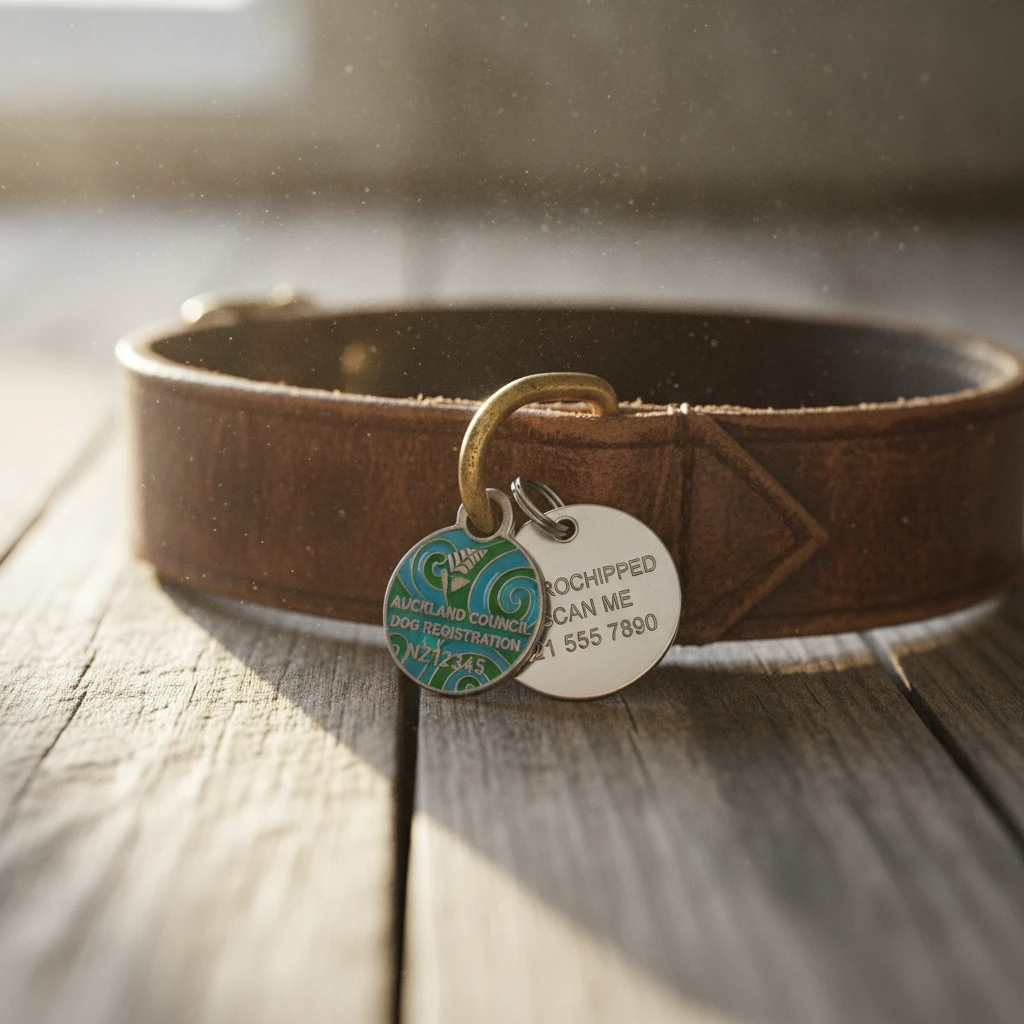
Another critical layer of compliance involves local council regulations. The Dog Control Act 1996 mandates that all dogs in New Zealand over three months old must be registered with their local council.
Furthermore, these dogs must be legally microchipped. When a pet is rehomed through a peer-to-peer platform, the legal transfer of ownership must be formally recorded by the individuals involved.
The platform itself does not legally transfer the dog. Instead, a responsible platform must educate both the rehomer and the adopter about their specific legal obligations.
It is the responsibility of the new owner to update the New Zealand Companion Animal Register (NZCAR) database. They must also notify their local council of the ownership change promptly.
Adopters must immediately update the dog’s microchip details on the NZCAR database and transfer the council registration into their name to comply with the Dog Control Act 1996.
Social enterprise vs. registered charity models
Choosing the right business structure is undeniably one of the most essential legal considerations for NZ business owners. Many people automatically assume that any organization helping animals must be a registered charity.
However, the landscape is evolving rapidly. Pet Rescue NZ operates proudly as a private, family-run social enterprise rather than a charity governed by the Charities Act 2005.
This agile model allows for rapid digital innovation without the heavy bureaucratic red tape that often bogs down traditional charities. We can build and deploy new safety features in days, not months.
Because we are not a registered charity, we must be completely transparent with our community. Our monetization tiers — such as the $9.99 Featured Listing — are framed correctly as platform support fees, never as tax-deductible donations.
| Feature | Registered Charity (e.g., SPCA) | Social Enterprise (e.g., Pet Rescue NZ) |
|---|---|---|
| Primary Funding | Government grants, corporate sponsorships, tax-deductible public donations. | Community-funded memberships, low-cost platform listing upgrades. |
| Physical Infrastructure | Maintains physical shelters, veterinary clinics, and inspectorate vehicles. | 100% digital platform. Facilitates zero cage time by keeping pets at home. |
| Regulatory Burden | High. Must comply strictly with the Charities Act 2005 and annual reporting. | Moderate. Operates under standard NZ business law with a social mission focus. |
| Adoption Process | Institutional matching. Strict criteria can sometimes exclude capable renters. | Direct peer-to-peer handover. The original owner retains full control. |
The 2026 pet welfare crisis: Data-driven realities
To truly understand why these legal frameworks matter, we must look at the brutal current state of animal welfare in Aotearoa. The ongoing 2026 cost-of-living crisis has created a perfect storm for pet owners.
With 1 in 6 NZ pet owners considering rehoming due to immense financial strain, institutional shelters are completely maxed out. Recent data from Auckland Council highlights a devastating reality for impounded dogs.
In the 2023-2024 reporting period, the euthanasia rate for impounded dogs hit 48%, surpassing the claim rate for the first time in a decade. By 2025, specific shelters like Henderson reported grim euthanasia rates of 66.5%.
Today, with over 12,000 dogs impounded annually in Auckland alone, the traditional pound system is buckling. It is a heartbreaking situation that demands an immediate, alternative solution.
This data underscores the urgent, non-negotiable need for direct, home-to-home adoption platforms. By keeping pets out of the pound system entirely, we bypass these grim statistics.
No shelters. No middlemen. Just good people finding each other, giving owners total control over their pet’s future while alleviating the pressure on local councils.
Data privacy and the Privacy Act 2020
Handling the personal information of thousands of Kiwis requires strict adherence to the Privacy Act 2020. This is undeniably one of the most essential legal considerations for NZ business owners managing two-sided marketplaces.
When rehomers and adopters create accounts, they entrust the platform with deeply sensitive details. This often includes home addresses, phone numbers, and highly personal stories regarding their financial or family situations.
Platforms must only collect data that is absolutely necessary for the safe functioning of the service. Furthermore, this data must be securely stored, heavily encrypted, and never sold to third-party data brokers.
Always provide a clear, plain-English Privacy Policy. Users need to know exactly how their data is used, especially when your platform facilitates direct communications between strangers.
Consumer guarantees and peer-to-peer transactions
When everyday Kiwis connect to rehome a pet, the Consumer Guarantees Act (CGA) generally does not apply in the same way it does to commercial retailers. This is a vital distinction for marketplace operators to understand.
Because Pet Rescue NZ strictly prohibits commercial breeders, the transactions on our platform are considered private, peer-to-peer agreements. The platform acts solely as an introductory service.
We provide the tools, the scam awareness education, and the secure messaging infrastructure. However, the final decision — and the legal agreement of the handover — rests entirely between the rehomer and the adopter.
By maintaining this clear boundary, the platform avoids becoming a legal broker. This protects the business from liability if an adoption doesn’t work out as planned down the track.
Establishing a safe, scam-free environment
Protecting users from digital fraud is an ethical imperative and one of the core essential legal considerations for NZ business owners operating online. Scams are rampant on unmoderated platforms like Facebook.
The “Advance Fee” or “Phantom Puppy” schemes are particularly devastating. Scammers prey on emotional adopters, demanding upfront transport fees for a pet that simply does not exist.
To combat this, a dedicated Scam Awareness Hub is crucial. Educating users on how to spot fake listings protects the community and heavily reduces the platform’s exposure to regulatory scrutiny.
- Verified Accounts: Implementing email and phone verification adds a necessary layer of accountability to every user profile.
- Direct Messaging: Keeping communications on-platform allows users to report suspicious, high-pressure behavior immediately.
- No Advance Payments: Educating adopters to never pay transport fees for a pet they haven’t met in person is the best defense against fraud.
- In-Person Handovers: Encouraging face-to-face meetings ensures transparency and builds genuine trust between both parties.
At the end of the day, every pet has a story. By building platforms that respect the law, protect the users, and prioritize the animals, we can help write the next positive chapter for thousands of Kiwi pets.
About the Author: The Pet Rescue NZ Team
Pet Rescue NZ is a family-run, community-driven social enterprise based in Aotearoa. With over 30,000 monthly visitors and 250+ successful home-to-home rehomings, we are fiercely dedicated to keeping Kiwi pets out of shelters through safe, transparent, and legally sound digital innovation.