
Understanding Pet Ownership in New Zealand: A Guide for Owners
Kiwis love their animals. It is woven into our DNA. But right now, the reality of having a pet in Aotearoa is incredibly tough.
A severe cost-of-living crisis is squeezing families. Traditional shelters are overflowing, and the old safety nets are breaking under the pressure. Welcome to our comprehensive resource on understanding pet ownership in New Zealand: a guide for owners navigating today’s unique challenges.
If you are feeling the pressure, you are not alone. There is no judgment here—only practical, honest support to help you make the best decisions for your animal.
Key Takeaways
Understanding pet ownership in New Zealand: a guide for owners reveals that 63% of households own pets amid severe financial pressure. With shelters facing 50% euthanasia rates, home-to-home adoption is the safest route. It ensures zero cage time, legal compliance, and a stress-free transition for your pet.
The reality of pet ownership in 2026
New Zealanders have an unbreakable bond with their animals. In fact, roughly 63% of Kiwi households share their homes with a pet.
But the landscape has shifted dramatically over the past couple of years. A severe cost-of-living crisis is squeezing families across Aotearoa.
A true understanding pet ownership in New Zealand: a guide for owners must include the hard truths about financial pressure. Pet care costs have skyrocketed, changing how we care for our animals.
How the financial squeeze is impacting families
Rising costs for groceries and rent mean pet owners are making incredibly tough choices. Recent data shows nearly 90% of Kiwi owners have noticed a sharp increase in pet care expenses.
Vet care, food, and basic supplies are the biggest pain points. Sadly, about 31% of owners are skipping their own household essentials just to afford pet care.
Another 30% are delaying necessary vet visits. Most heartbreaking of all, 1 in 6 owners have considered rehoming their pet due to financial strain.
Navigating the Auckland shelter crisis
When families can no longer afford their pets, traditional safety nets are supposed to catch them. But right now, those nets are breaking.
Institutional shelters and council pounds are completely overwhelmed. The situation in our biggest city is a stark example of this crisis.
Recent data shows Auckland Council impounded over 12,000 dogs in a single year. This resulted in a devastating euthanasia rate exceeding 50%.
Why traditional shelters are overwhelmed
Shelters are simply out of space. The influx of animals—many from dumped litters of un-desexed puppies—has pushed facilities past their absolute limits.
Roughly 221,000 of New Zealand’s 851,000 known dogs remain un-desexed. This creates an endless cycle of roaming dogs and unwanted litters.
The pressure is so intense that Auckland Council even introduced Afterpay for impound release fees in mid-2026. They did this just to prevent owners from abandoning their pets to be put down.
Surrendering a pet to a physical shelter right now means exposing them to severe overcrowding and high stress. There are safer alternatives that keep your pet out of a cage.
Legal responsibilities for Kiwi pet owners
Owning an animal in Aotearoa comes with strict legal duties. You are legally responsible for your pet’s physical health and behavioural management.
This is a core part of understanding pet ownership in New Zealand. Ignorance of the law is not an excuse if things go wrong.
As pet owners, we practice kaitiakitanga—a deep responsibility to care for the animals that rely on us.
The Animal Welfare Act 1999
Under the Animal Welfare Act 1999, owners have a legal Duty of Care. This means you must provide proper food, water, shelter, and medical treatment.
If you decide to rehome your pet, that duty of care remains entirely with you until the physical handover occurs.
Pet Rescue NZ does not legally transfer ownership or act as a broker. You remain in control—and responsible—until the new family takes over.
The Dog Control Act 1996 and microchipping
Dogs require local council registration every single year. This is mandated by the Dog Control Act 1996.
If you rehome a dog, you must update the local council with the new owner’s details. You must also update the New Zealand Companion Animal Register (NZCAR).
Failing to update microchip details means you could still be held liable if the dog is found roaming.
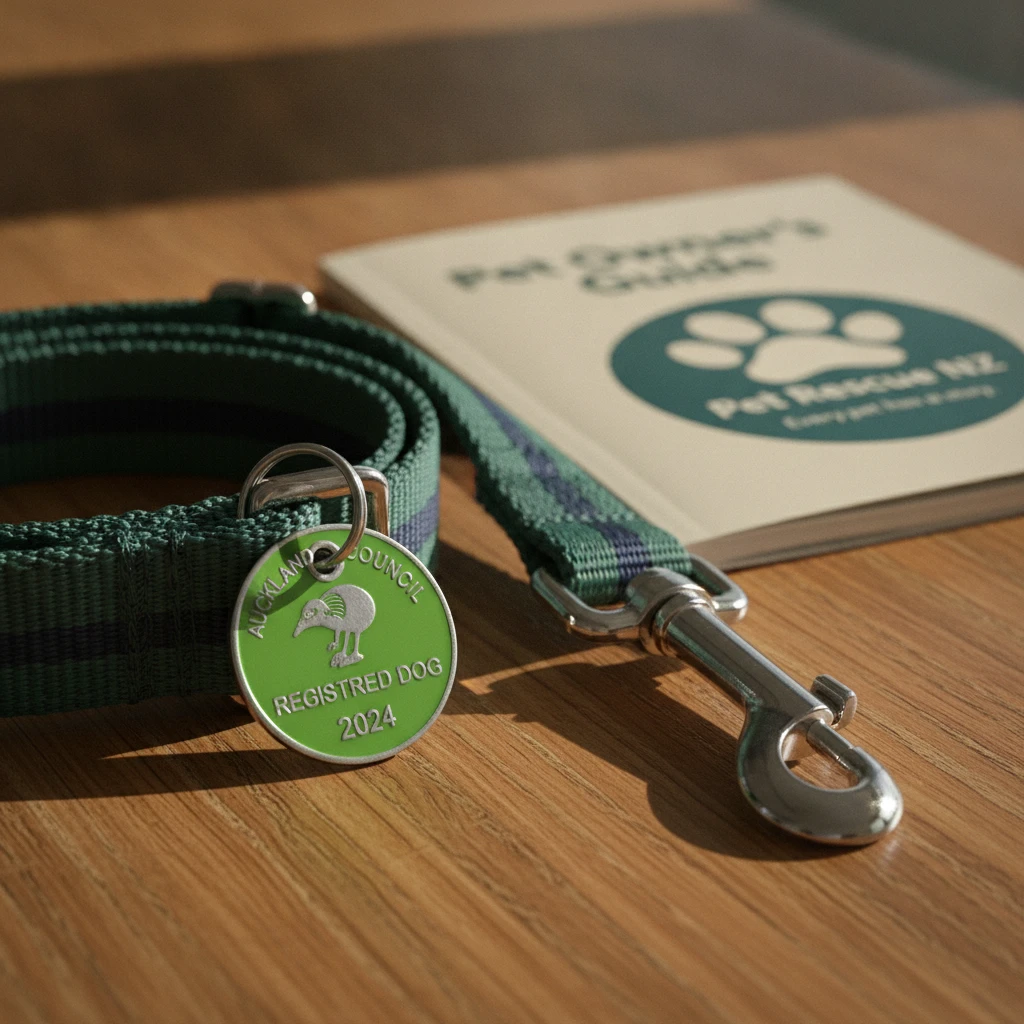
Always remember to transfer the microchip registration on the New Zealand Companion Animal Register when your pet goes to their new home. It is a quick online process that protects both you and the animal.
The no-shelter movement and safe rehoming
We believe there is a better way. Pet Rescue NZ is pioneering the no-shelter movement across Aotearoa.
Our philosophy is simple: zero cage time. Your pet stays safe and comfortable at home until the right family says yes.
When it comes to understanding pet ownership in New Zealand: a guide for owners should always prioritise safe transitions. This removes the immense stress of a pound environment.
Avoiding online scams and unsafe platforms
The digital world can be a minefield. Platforms like Facebook are chaotic, unmoderated, and full of bad actors.
Generic classified sites treat animals like used furniture. They are currently plagued by advance-fee scams and phantom puppy listings.
Pet Rescue NZ is purpose-built for emotional rehoming. We focus heavily on scam awareness and providing a safe, verified community for Kiwi families.
| Platform / Method | Cage Time | Owner Control | Scam Protection |
|---|---|---|---|
| Pet Rescue NZ | Zero (Home-to-Home) | 100% Control | High (Proactive Moderation) |
| Traditional Shelters | High (Pound Environment) | None | High |
| Generic Classifieds | Zero | High | Low (High Scam Risk) |
| Social Media Groups | Zero | High | Very Low (Unmoderated) |
Making the tough choice to rehome
Life changes. We get it. Sometimes, the most loving thing you can do for your pet is to find them a family who can meet their needs.
There is a heavy societal stigma around rehoming, but there shouldn’t be. We are here to offer practical help, not judgment.
Every pet has a story. If you are struggling, let’s help write the next chapter together.

Setting up for a successful transition
Transparency is everything. When creating a listing, be honest about your pet’s quirks, medical history, and behavioural needs.
Adopters want to know the true personality of the animal. They prefer learning this directly from the people who know the pet best.
Trust your gut when screening potential adopters. You will know when it feels right.
Always ask questions about their living situation, experience with animals, and daily routine. A good adopter will be happy to answer and share details about the home they can provide.
Frequently asked questions (FAQ)
We hope this focus on understanding pet ownership in New Zealand: a guide for owners has provided clarity. Here are some common questions Kiwi families ask.