NZ wildlife rescue involves the immediate assessment, safe containment, and transport of injured or sick native animals to authorized rehabilitation facilities. If you discover distressed wildlife, you must minimize human contact to reduce stress, secure the animal in a warm, dark, ventilated box, and contact the Department of Conservation (DOC) or a local specialist immediately.
New Zealand is home to some of the most unique and fragile ecosystems on the planet. From the flightless Kiwi to the majestic Kererū, our native taonga (treasures) are often found nowhere else on Earth. Because our wildlife evolved without mammalian predators, many species are incredibly vulnerable to introduced pests, domestic pets, and human infrastructure. Consequently, NZ wildlife rescue is not just an act of kindness; it is a critical component of national conservation.
Encountering an injured animal can be distressing. Whether it is a Tūī that has flown into a window or a seal looking lethargic on a beach, knowing exactly what to do can mean the difference between life and death for the animal. This comprehensive guide outlines the protocols for rescuing, rehabilitating, and protecting New Zealand’s precious wildlife.
Assessing the Situation: When to Intervene
The first rule of wildlife rescue is to pause and observe. Not every animal that appears to be in distress actually requires rescuing. In fact, well-intentioned human interference can sometimes cause more harm than good, particularly with fledglings and marine mammals.
Before rushing to pick up an animal, ask yourself the following questions:
- Is the animal in immediate danger? Is it on a road, being stalked by a cat, or trapped in a drain?
- Are there visible injuries? Look for blood, drooping wings, obvious fractures, or entanglement in fishing line or plastic.
- Is the animal acting normally for its species? Nocturnal animals like the Kiwi or Ruru (Morepork) out during the day are usually in trouble.
Fledglings vs. Injured Birds
Spring and summer are busy seasons for bird rescue centers because of “kidnapping.” Fledglings (young birds that have just left the nest) often spend a few days on the ground learning to fly. They may look fluffy, clumsy, and unable to fly, but their parents are usually nearby watching and feeding them.
If you find a fledgling that is uninjured and fully feathered:
- Observe from a distance for at least an hour to see if the parents return.
- If the bird is in a dangerous spot (like a driveway), gently move it to a nearby bush or low branch.
- Only intervene if the bird is visibly injured, cold and shivering, or if you are certain the parents have been killed.
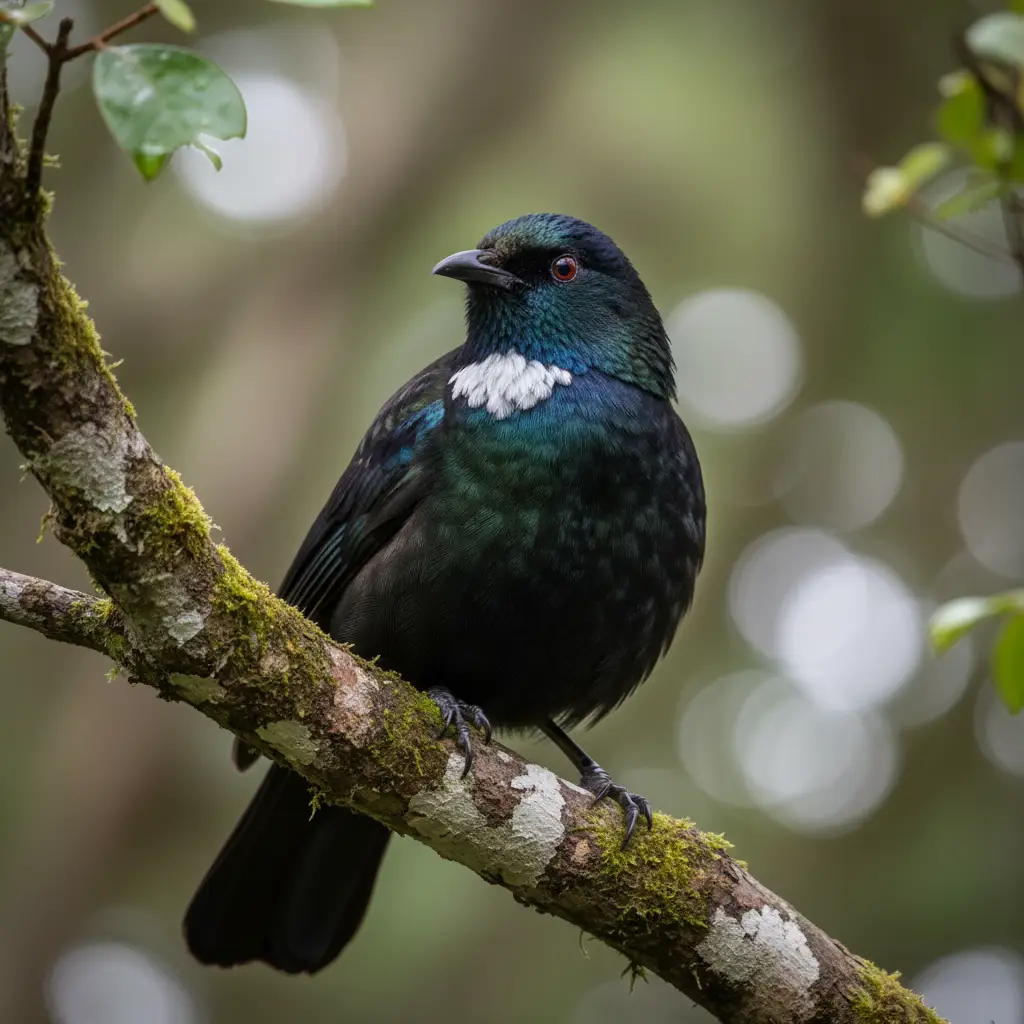
How to Handle Injured Native Birds
If you have determined that a native bird requires help, you must act quickly but calmly. Stress is the number one killer of injured wildlife. A bird that is already in pain can die from the shock of being handled roughly or exposed to loud noises.
Safe Capture Techniques
To catch an injured bird, you will need a towel or a blanket and a cardboard box. Do not use wire cages, as terrified birds can damage their feathers or break their beaks against the bars.
- Prepare the Box: Line a cardboard box with a soft towel or newspaper. Ensure there are air holes for ventilation.
- The Towel Method: Approach the bird from behind if possible. Gently throw a towel over the bird to cover its eyes and body. Darkness helps calm the bird immediately.
- Secure the Bird: Firmly but gently grasp the bird through the towel. Pin the wings against the body to prevent flapping, which can exacerbate fractures. Be mindful of the talons (claws) on birds of prey like the Kāhu (Harrier Hawk) or Ruru.
- Box It: Place the bird into the box and close the lid securely.
Warning: Do not attempt to give the bird food or water. Forcing water into a bird’s beak can cause aspiration (drowning in the lungs), and the wrong food can be fatal. The bird needs warmth and quiet more than it needs food during the initial shock phase.
Marine Mammals: Seals, Sea Lions, and Penguins
New Zealand’s coastlines are frequent resting spots for New Zealand Fur Seals (Kekeno), Sea Lions, and occasionally Penguins (Kororā). The rules for these animals differ significantly from avian rescue.
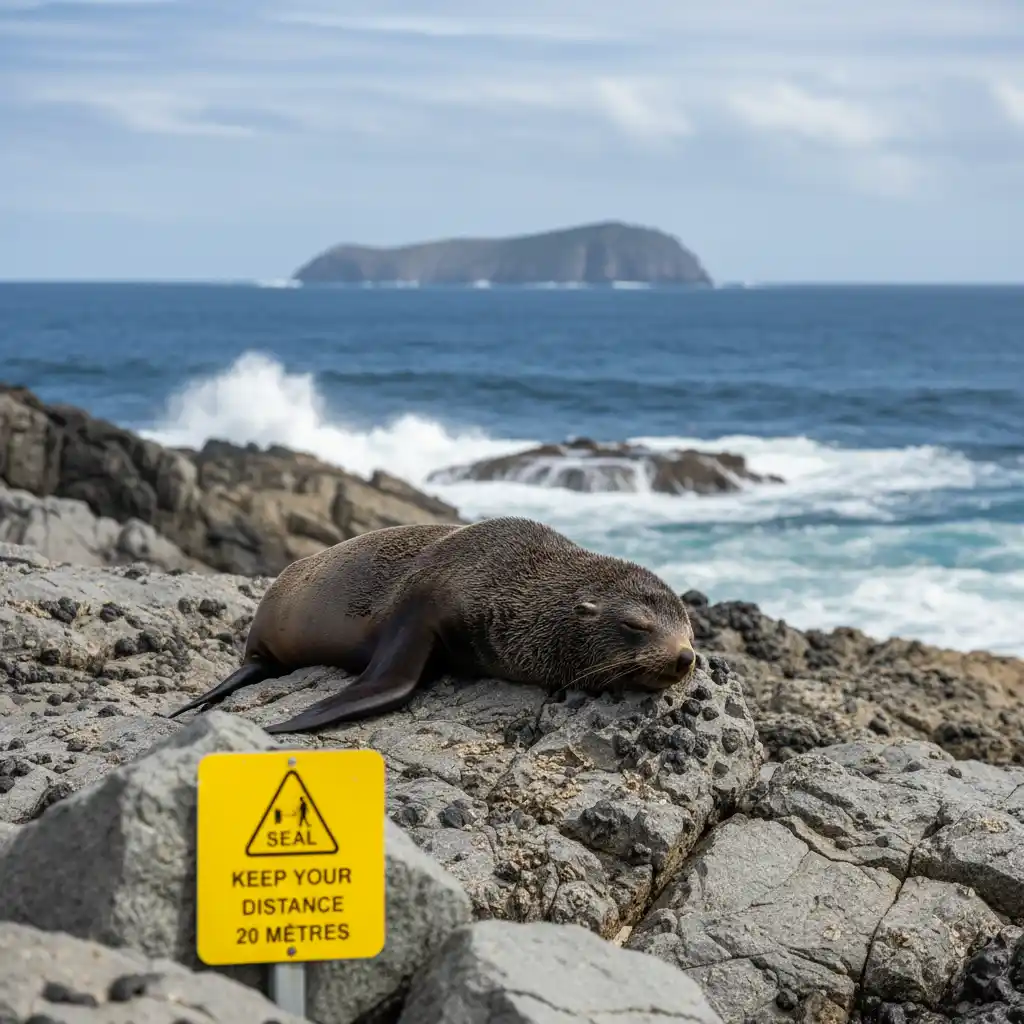
The 20-Meter Rule
It is common to see seals lying on rocks or beaches, regurgitating, sneezing, or crying. This is often normal behavior. Seals come ashore to rest and digest food. The Department of Conservation (DOC) advises keeping a distance of at least 20 meters from seals.
You should only call the DOC emergency hotline (0800 DOC HOT) if the seal:
- Has obvious open wounds or is entangled in marine debris (nets, plastic).
- Is being harassed by dogs or people.
- Is found in an unusual location, such as inland near a road or inside a property.
Penguin Rescue
Little Blue Penguins (Kororā) and Yellow-eyed Penguins (Hoiho) are extremely susceptible to dog attacks. If you find a penguin on the beach that appears lethargic, has open wounds, or does not retreat to the water when approached, it likely needs help. Unlike seals, a penguin that allows you to get close is usually very sick. However, their beaks are razor-sharp. Use a thick towel and protect your eyes when handling them.
Finding Local Wildlife Rehabilitation Centers
In New Zealand, you cannot legally keep native wildlife as pets. The Wildlife Act 1953 protects most native species, and they must be handed over to permitted rehabilitators. Finding the right facility depends on your location and the species found.
Key Organizations to Contact
- Department of Conservation (DOC): For all emergency wildlife situations, especially involving endangered species, whales, dolphins, or mass strandings. Their hotline is 0800 DOC HOT (0800 362 468).
- SPCA New Zealand: While primarily focused on domestic animals, the SPCA often assists with wildlife or can direct you to the nearest specialist.
- BirdCare Aotearoa (Auckland): A world-class facility dedicated to the rehabilitation of sick, injured, and orphaned wild birds.
- South Island Wildlife Hospital (Christchurch): Specializes in the treatment of native birds and other wildlife in the Canterbury region.
- Local Vets: Most veterinary clinics in New Zealand will accept injured native wildlife free of charge. They will stabilize the animal and arrange transport to a licensed rehabilitator.
When calling a center, provide precise details: the exact location (use GPS coordinates if possible), the species (if known), and the nature of the injury.
Safe Transport Protocols
Once you have secured the animal and contacted a rescue center, you may need to transport it. The journey can be terrifying for a wild animal, so the environment must be controlled.
- Keep it Quiet: Turn off the car radio and keep talking to a minimum. Loud noises are stressful.
- Temperature Control: Keep the car at a moderate temperature. If the bird was cold (shock), you can place a hot water bottle (wrapped in a towel so it doesn’t burn the animal) inside the box.
- Stability: Place the box on the floor of the car or secure it with a seatbelt so it doesn’t slide around during turns or braking.
- No Peeking: Resist the urge to open the box to check on the animal. Every time the lid opens, the animal thinks a predator is attacking.
Protecting Native Species from Pets
Prevention is better than cure. A significant portion of NZ wildlife rescue cases are the result of interactions with domestic pets, particularly cats and dogs.
Responsible Pet Ownership in NZ
New Zealand has one of the highest rates of cat ownership in the world, which poses a threat to native birds and lizards. To be a wildlife-friendly pet owner:
- Keep Cats Inside at Night: Many native species, like the Kiwi and Ruru, are active at night. Keeping your cat indoors from dusk till dawn significantly reduces predation.
- Use Bell Collars: While not 100% effective, a collar with a loud bell can give birds a warning signal before a cat strikes.
- Dog Control: Always keep dogs on a leash in wildlife areas, especially beaches where seals and penguins nest. Avian aversion training is available in many regions for dogs living in Kiwi zones.
Volunteering with Wildlife Conservation Efforts
If you are passionate about New Zealand’s fauna, consider volunteering. Wildlife rehabilitation is labor-intensive and relies heavily on dedicated volunteers.
Roles can vary from:
- Rescue Ambulance Drivers: Picking up injured animals from vets or members of the public and transporting them to centers.
- Rehabilitation Assistants: Cleaning cages, preparing food (chopping fish, mixing nectar), and feeding orphan chicks.
- Release Support: Helping release recovered animals back into the wild.
- Habitat Restoration: Planting native trees and trapping pests (rats, stoats, possums) to create safe environments for wildlife to thrive.
Organizations like Forest & Bird are excellent starting points for finding local conservation groups and volunteer opportunities.
Frequently Asked Questions
What should I do if I find a baby bird on the ground in NZ?
If the bird is fully feathered (a fledgling), it is likely learning to fly and its parents are nearby. Observe from a distance for an hour. If it is in danger, move it to a low branch. If it is naked (a hatchling) or injured, place it in a warm box and contact a rescue center or vet immediately.
Who do I call for injured wildlife in NZ?
For emergencies involving native wildlife, call the Department of Conservation (DOC) hotline at 0800 DOC HOT (0800 362 468). For general injuries, you can also contact the SPCA or take the animal to the nearest veterinary clinic, which will usually treat wildlife for free.
Can I keep a native bird I found as a pet?
No, it is illegal to keep native wildlife as pets in New Zealand under the Wildlife Act 1953. Injured or orphaned native animals must be surrendered to a permitted rehabilitator or the Department of Conservation to ensure they receive proper care and can be returned to the wild.
How do I help a seal on the beach?
Most seals on the beach are resting and do not need help. Maintain a distance of at least 20 meters. Do not pour water on them or try to feed them. Only call DOC if the seal is entangled in debris, has open wounds, or is being harassed by dogs or humans.
What do I feed an injured bird while waiting for help?
Do not feed the bird or give it water. Giving the wrong food can kill the bird, and forcing water can cause it to drown. The most important thing you can provide is warmth, darkness, and quiet while you transport it to a professional.
Is it free to take injured wildlife to a vet in NZ?
Yes, most veterinarians in New Zealand accept injured native wildlife free of charge. They provide initial triage and pain relief before arranging transfer to a specialized wildlife rehabilitation center.