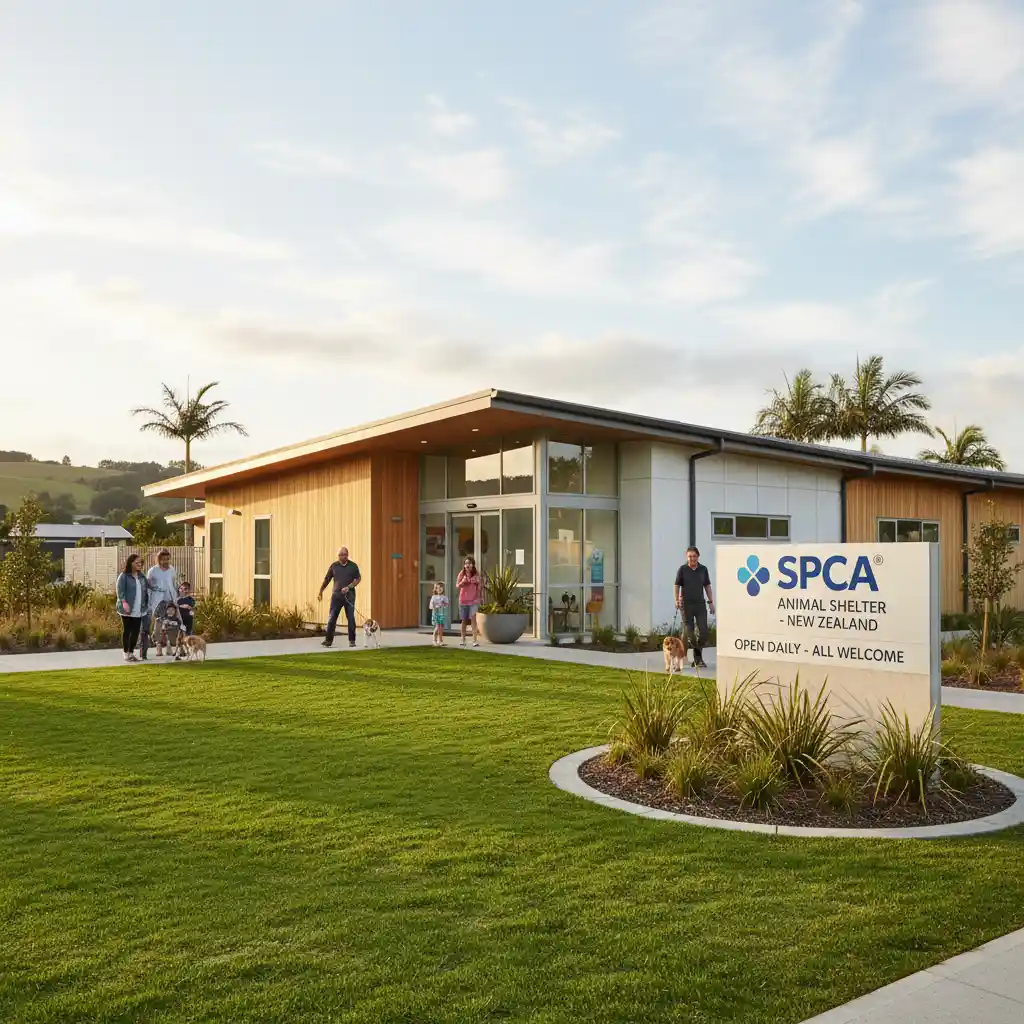
Waikato Rescue Organizations
An animal shelter in Hamilton refers to a dedicated facility or organization within the Waikato region that provides refuge, veterinary care, and rehoming services for stray, abandoned, or surrendered pets. The primary entities include the Waikato SPCA, Hamilton City Council Animal Control, and volunteer-run charities like PAWS, all working to ensure animal welfare and responsible adoption.
The State of Animal Welfare in the Waikato
The Waikato region, with Hamilton at its heart, is a vibrant hub for animal lovers, but it also faces significant challenges regarding pet overpopulation and welfare. For residents looking for an animal shelter in Hamilton, the landscape is a mix of statutory bodies, national charities, and grassroots volunteer networks. These organizations form a critical safety net for thousands of animals every year, ranging from companion cats and dogs to livestock in need of care.
Understanding the distinction between these organizations is vital for anyone looking to adopt, surrender a pet, or report an animal in distress. While some facilities are government-funded and focus on control and legislation, others are entirely reliant on public donations and foster carers. This guide serves as the definitive resource for navigating the animal rescue ecosystem in Hamilton, ensuring you connect with the right organization for your specific needs.
Waikato SPCA: The Hamilton Centre
When most people think of animal rescue in New Zealand, the SPCA (Society for the Prevention of Cruelty to Animals) is the first name that comes to mind. The Waikato SPCA, located in Hamilton, serves as the primary hub for animal welfare investigations and rehoming in the region.
Services Provided
The Waikato SPCA is not just a shelter; it is an enforcement body. Their Inspectors are authorized under the Animal Welfare Act 1999 to investigate complaints of cruelty and neglect. However, for the general public, the Hamilton Centre is best known as a place of adoption.
The facility manages a wide variety of animals, including:
- Cats and Kittens: Often the most populous residents, especially during the summer “kitten season.”
- Dogs and Puppies: Ranging from seized animals undergoing rehabilitation to surrendered family pets.
- Small Animals: Rabbits, guinea pigs, and occasionally birds.
- Livestock: Due to the rural nature of the Waikato, the SPCA often assists with horses, sheep, and goats.
Location and Access
The Hamilton Centre is the go-to location for adoptions. It is essential to check their opening hours before visiting, as viewing animals often requires an appointment or occurs during specific public windows to minimize stress on the animals. The SPCA prioritizes “foster-to-adopt” programs and rigorous vetting to ensure that animals do not return to the shelter system.
Hamilton City Council Animal Education and Control
A common misconception is that the Council’s facility is merely a “pound” where animals are held temporarily. While their primary function is statutory control, the Hamilton City Council Animal Education and Control facility plays a massive role in rehoming dogs.
The Role of Animal Control
Unlike the SPCA, which focuses on cruelty, Animal Control deals with:
- Roaming or stray dogs.
- Dog attacks and aggression.
- Registration and microchipping compliance.
- Barking complaints.
Adoption from the Council
The Hamilton City Council runs an active adoption program for unclaimed dogs. If a stray dog is picked up and not claimed by an owner within the statutory period (usually 7 days), the dog undergoes a temperament test. Dogs that pass this assessment are made available for adoption.
Adopting from the Council is often a cost-effective way to save a life. The adoption fee typically covers registration, microchipping, desexing, and initial vaccinations. It is important to note that the Council primarily deals with dogs; they generally do not have facilities for cats or other animals.
PAWS (Protection of Animals Waikato)
PAWS is a testament to the power of community-driven animal welfare. As a registered charity, PAWS operates differently from the SPCA or the Council. They do not have a large, central facility open to the public in the same way a traditional shelter does; instead, they rely heavily on a network of dedicated foster homes.
The PAWS Mission
PAWS focuses heavily on the rescue, rehabilitation, and rehoming of cats and kittens, though they also assist dogs and other animals when resources allow. Their model is particularly effective for socializing shy or traumatized animals, as living in a home environment prepares pets for adoption better than a kennel environment might.

Why Choose a Foster-Based Rescue?
When you adopt from an organization like PAWS, the animal has usually been living in a family environment. The foster carer can tell you exactly how the cat or dog behaves around children, other pets, and household appliances (like vacuum cleaners). This insight is invaluable for ensuring a successful match. To view PAWS animals, potential adopters usually browse online listings and arrange a “meet and greet” at the foster carer’s property.
Foster Networks and Rural Rescue Groups
Beyond the city limits of Hamilton, the wider Waikato region is served by several smaller, niche rescue groups. These organizations are vital for bridging the gap between rural pounds and city adopters.
New Lives Rescue
Operating within the Waikato, New Lives Rescue is another foster-based charity that saves dogs from uncertain futures. They often take dogs from rural pounds that are at capacity, providing them with medical care, desexing, and a safe place to land until a permanent home is found.
Breed-Specific Rescues
While not always physically located in Hamilton, several breed-specific rescues operate networks within the region. Groups dedicated to Greyhounds, Retrievers, or working dog breeds often have representatives in the Waikato who can facilitate adoptions. These groups are excellent resources if you are looking for a specific type of dog but wish to adopt rather than shop.
The Adoption Process: What to Expect
Adopting from an animal shelter in Hamilton is a structured process designed to protect both the animal and the family. While procedures vary slightly between the SPCA, Council, and private rescues, the core steps remain consistent.
1. The Application
You will be asked to fill out a questionnaire regarding your living situation. Questions will cover whether you rent or own your home, the fencing situation of your property, your work hours, and the ages of any children in the household. Renters will almost always need to provide written permission from their landlord.
2. The Meet and Greet
Once your application is reviewed, you will meet the animal. If you already have a dog and are adopting another, a “dog introduction” is usually mandatory to ensure the two animals get along. All family members are generally required to attend this meeting.
3. Property Inspection
For dog adoptions, a property check is standard. A volunteer or officer will visit your home to ensure fences are high enough and secure enough to contain the specific dog you are interested in. There is no “one size fits all” here; a husky requires different fencing than a pug.
4. Fees and Vet Work
Adoption fees in Hamilton typically range from $150 to $350, depending on the organization and the animal. This fee is a bargain compared to the actual costs incurred. It almost always includes:
- Desexing (Spay/Neuter)
- Microchipping and registration on the NZ Companion Animal Register
- First round of vaccinations
- Flea and worm treatment
What to Do If You Find a Lost Animal
If you find a wandering animal in Hamilton, knowing who to call can save a life. The appropriate contact depends on the type of animal and its condition.
Found Dogs
If you find a stray dog, your first point of contact should be the Hamilton City Council Animal Control. They have the legal authority to seize and hold wandering dogs. You can also take the dog to a local vet clinic to be scanned for a microchip free of charge. Do not keep the dog at your home without notifying the Council, as the owner may be frantically searching for them.
Found Cats
Cats are legally allowed to roam in New Zealand, which complicates rescue efforts. Unless the cat is sick, injured, or in immediate danger, it is best to leave it be or ask neighbors if they recognize it. If the cat is injured, contact the SPCA or a local vet immediately. Organizations like PAWS can assist with stray colonies or abandoned litters, but they often operate at capacity.
Wildlife
For injured native birds or wildlife, the Department of Conservation (DOC) or specific wildlife rehabilitation centers in the Waikato should be contacted. The SPCA can also assist in triaging injured wildlife.
How to Support Hamilton Animal Shelters
Not everyone is in a position to adopt, but everyone can contribute to the welfare of animals in the Waikato. Rescue fatigue is real, and these organizations rely heavily on community support to function.

Volunteering
Time is one of the most valuable commodities. The SPCA and PAWS often need volunteers for:
- Cleaning cages and feeding animals.
- Dog walking and socialization.
- Administrative support and fundraising.
- Transporting animals to vet appointments.
Fostering
Fostering saves lives. By offering your home as a temporary sanctuary, you free up space in the shelter or pound for another animal in need. Fostering is ideal for people who love animals but cannot commit to the 15-year responsibility of ownership. Most organizations cover the cost of food and vet bills for foster parents.
Donations
Monetary donations are always needed for veterinary surgeries, but goods are also appreciated. Old towels, blankets, pet food, and toys are regularly requested by Hamilton shelters. Check their websites or social media pages for “wish lists” before dropping off items.
By engaging with these organizations—whether through adoption, volunteering, or donation—you become an integral part of the solution, helping to make Hamilton a safer, more compassionate city for all its four-legged residents.
Frequently Asked Questions
Where can I drop off stray cats in Hamilton?
There is no government-funded stray cat collection service in Hamilton. If the cat is sick or injured, contact the Waikato SPCA. For healthy stray cats, contact rescue groups like PAWS or New Lives Rescue, but be aware they may be at capacity. Do not drop animals off at a shelter without calling first.
How much does it cost to adopt a dog from the Hamilton Council?
Adoption fees for dogs from the Hamilton City Council Animal Control typically range between $250 and $350. This fee generally includes desexing, microchipping, registration, flea/worm treatment, and the first vaccination.
Is the Waikato SPCA a no-kill shelter?
The SPCA aims to save every rehomable animal. They do not put healthy, rehomable animals to sleep. Euthanasia is generally reserved for animals with severe medical issues that cannot be treated or severe behavioral aggression that makes them unsafe to rehome.
Can I volunteer at an animal shelter in Hamilton if I am under 18?
Most shelters, including the SPCA, require volunteers to be at least 16 or 18 years old for health and safety reasons. However, younger individuals can often help through fundraising, collecting donations, or fostering with the support of a parent.
What is the difference between the Pound and the SPCA?
The Pound (Council Animal Control) primarily deals with dog control, registration, and stray dogs under the Dog Control Act. The SPCA is a charity focused on animal welfare, investigating cruelty complaints, and rescuing sick or injured animals of all species.
Does PAWS Waikato have a physical address I can visit?
No, PAWS Waikato does not have a public shelter facility. They operate a foster-based network where animals live in volunteer homes. To meet an animal, you must view their online listings and arrange an appointment with the foster carer.