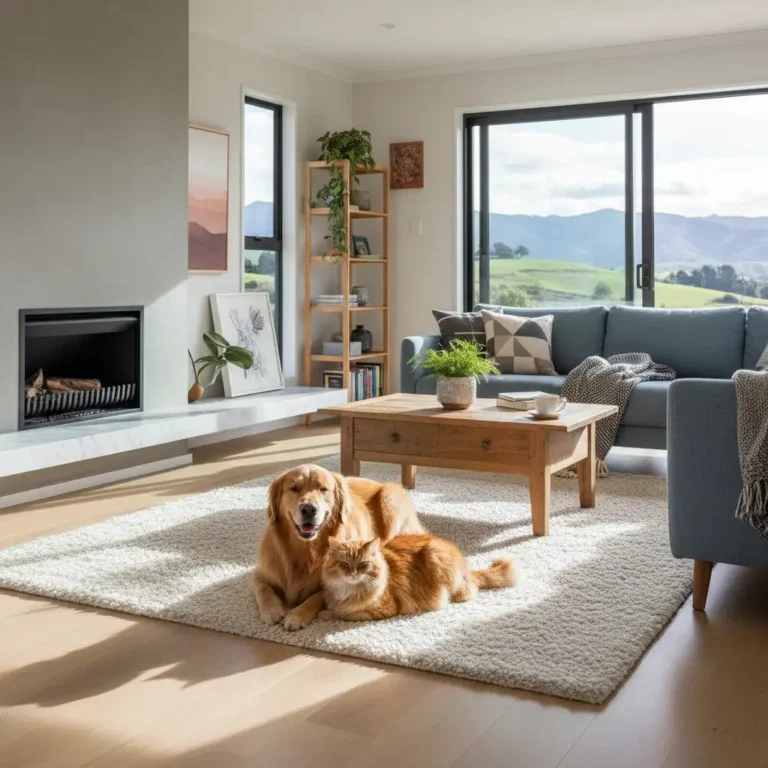
You love your pet, but let’s be honest—living with a dog that barks at every passing shadow or a cat that destroys the furniture can be incredibly stressful. It takes a toll on your home, your patience, and sometimes even your relationships with the neighbours. You are not alone in feeling overwhelmed by these daily challenges.
Recent data from Companion Animals New Zealand shows that 63% of Kiwi households share their lives with a pet. However, a significant number of these families silently struggle with behavioural issues behind closed doors. When the chewing, pulling, and barking become too much, it is easy to feel like you have failed as an owner.
From Pet Rescue NZ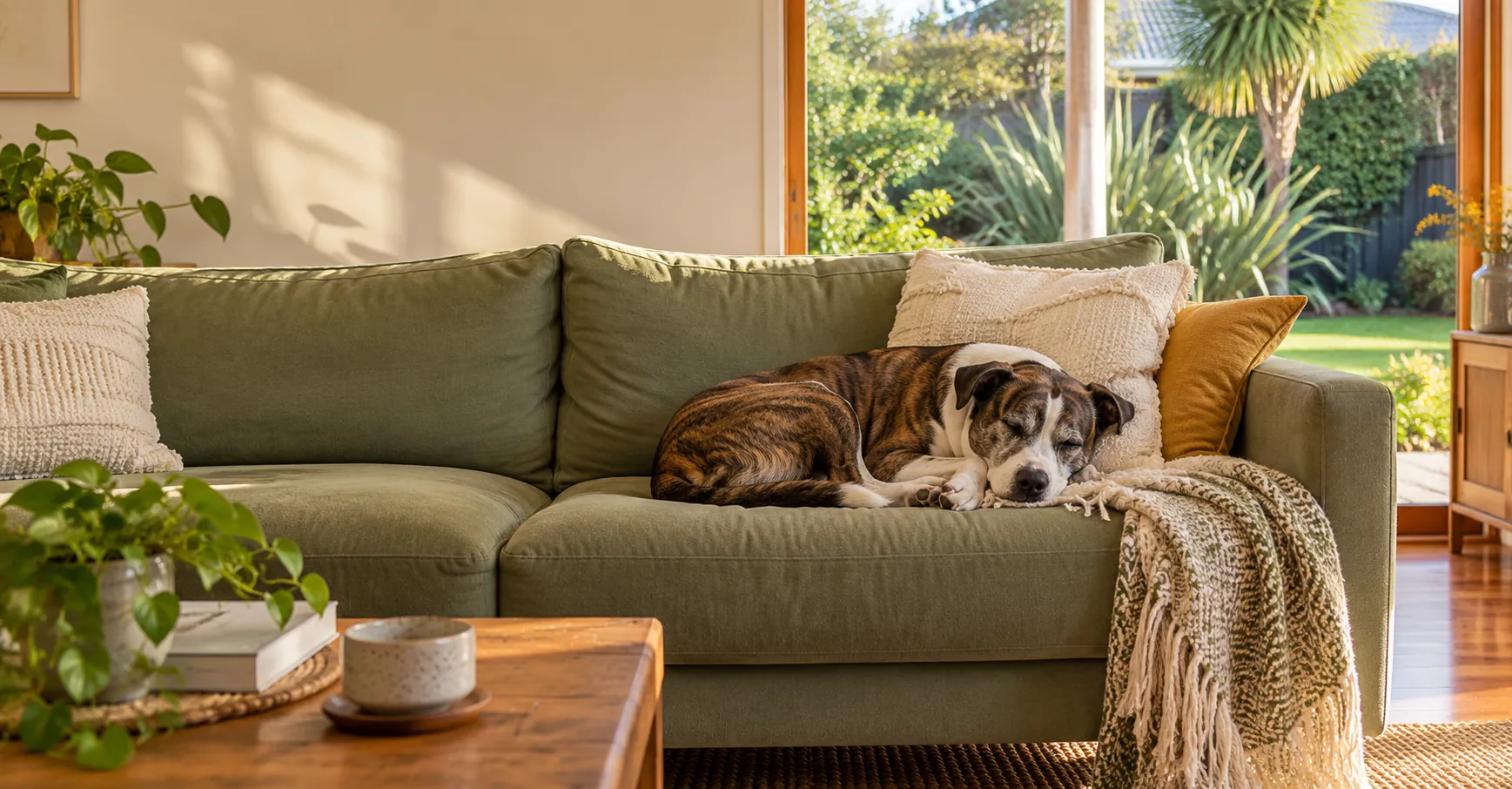 Local pet business? Put your ad right here.Be a Founding Sponsor: half price first month. See your ad on this exact spot before you pay.See it here →
 From Pet Rescue NZEnjoying Pet Rescue NZ? Shout us a coffeeIt’s free to list and adopt. A $5 shout helps keep it that way, and your name goes on our Wall of Thanks.Shout a coffee →
The truth is, most pets do not act out of spite or malice. They are usually trying to communicate unmet needs, anxiety, or plain old boredom. By applying the right Training Tips for Better Behaviour in New Zealand Pets, you can rebuild that bond, restore peace to your home, and help your animal thrive.
Key Takeaways
Effective Training Tips for Better Behaviour in New Zealand Pets rely on positive reinforcement, consistency, and daily mental enrichment. By addressing the root causes of anxiety and boredom, Kiwi owners can correct common misbehaviours. If challenges persist, professional CANZ-accredited trainers or safe, home-to-home rehoming are valid, judgment-free options.
Understanding the Root of Misbehaviour
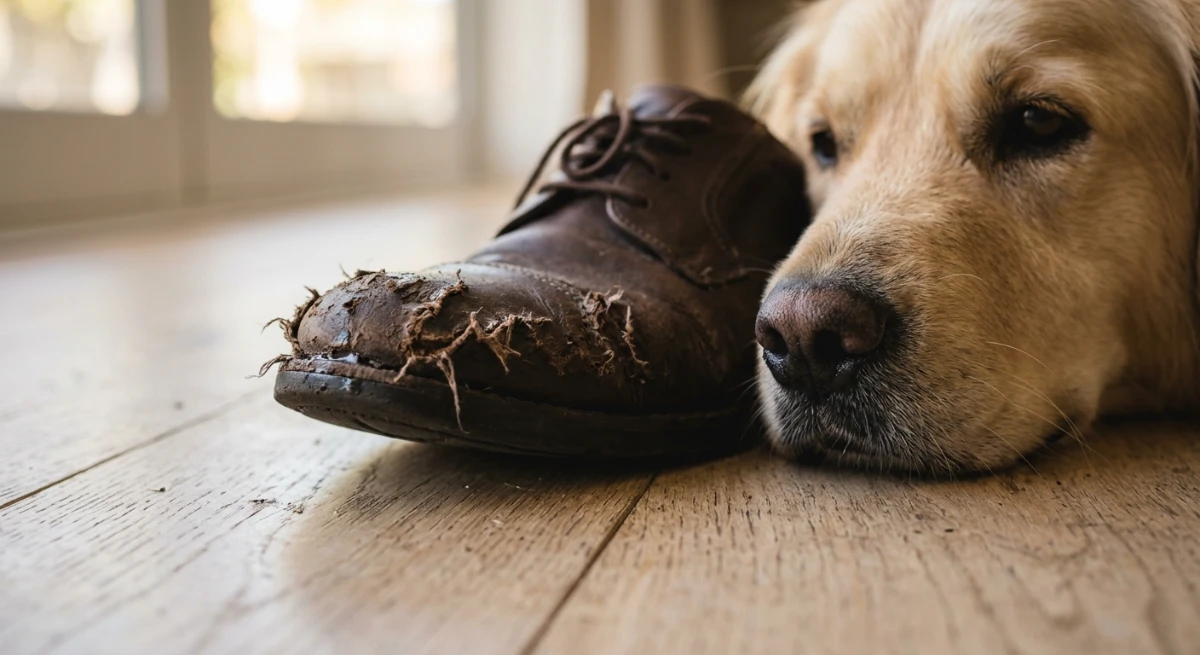
Before we can fix a problem, we need to understand where it comes from. Animals do not possess a moral compass that tells them chewing your favorite sneakers is “wrong.” To a dog, a shoe is simply an interesting, leather-scented chew toy that smells exactly like their favorite person.
Companion Animals New Zealand (CANZ) recently highlighted a brilliant concept: is the animal misbehaving, or are they simply misunderstood? Many dog behaviour problems NZ families face stem from a fundamental mismatch between the animal’s natural instincts and their domestic environment.
If you have recently adopted, remember the 3-3-3 rule: 3 days to decompress, 3 weeks to learn the routine, and 3 months to truly feel at home. Behaviour often settles naturally once the animal feels secure.
The Impact of Routine and Environment
Pets thrive on predictability. When their daily routine is chaotic, their anxiety levels spike. A dog that doesn’t know when its next walk or meal is coming will often channel that nervous energy into destructive habits.
Establishing a rock-solid daily schedule is the first step in any behavioural intervention. Feed them, walk them, and train them at the same times every day. You will be amazed at how quickly a predictable routine calms a highly strung animal.
Core Training Principles for Kiwi Pets
When exploring Training Tips for Better Behaviour in New Zealand Pets, the methodology you choose matters immensely. Old-school dominance theory and punishment-based training have been widely debunked by modern animal behaviourists.
The SPCA New Zealand strongly advocates for positive reinforcement training. This means rewarding the behaviours you want to see, rather than physically punishing the ones you don’t. A dog learns much faster when they are working for a treat or praise rather than working to avoid fear.
The SPCA actively campaigns against the use of electric shock collars and prong collars. These tools cause physical pain and often lead to escalated aggression and deep-seated anxiety.
Consistency is Your Best Friend
Training fails when the rules constantly change. If your dog is not allowed on the couch during the week, but you let them up on Sunday mornings, they will be confused. They don’t understand the concept of “sometimes.”
Everyone in the household must be on the same page. Sit down as a family and agree on the rules, the specific command words you will use, and the boundaries. Consistency accelerates learning and builds deep trust between you and your pet.
Tackling Common Behavioural Challenges
Every pet is unique, but the challenges owners face are surprisingly universal. Whether you live in a busy Auckland apartment or on a quiet lifestyle block in Canterbury, certain issues pop up time and time again.
Let’s break down practical, actionable steps for the most frequent complaints we hear from Kiwi families. Remember, patience is key here. You are reshaping habits that may have been ingrained for months or even years.
Separation Anxiety and Barking
Dogs are highly social pack animals. Being left alone for eight hours a day is entirely unnatural for them. Separation anxiety often manifests as relentless barking, pacing, or destroying items near the doorways.
Start by desensitising them to your departure cues. Pick up your keys or put on your shoes, but don’t leave the house. Reward them for staying calm. Gradually build up the time you spend outside, starting with just a few minutes, until they learn that you always come back.
Leash Pulling and Reactivity
A walk should be enjoyable, not a physical battle. Dogs pull because they want to get somewhere fast, and historically, pulling has worked for them. If they pull and you step forward, they have just been rewarded for pulling.
- Stop entirely the moment the leash goes tight. Do not move forward.
- Wait for the dog to look back at you or step back to loosen the tension.
- Reward them with a high-value treat right beside your leg, reinforcing the correct walking position.
The Power of Mental Enrichment
Many owners think a physically exhausted dog is a good dog. While physical exercise is crucial, mental fatigue is actually far more effective at settling a hyperactive animal. Mental enrichment for dogs is often the missing piece of the puzzle.
Working breeds, like Huntaways or Border Collies, were bred to solve problems all day. If you don’t give them a job, they will invent one—and you probably won’t like it. Digging up the garden or re-landscaping your couch are classic signs of a bored genius.
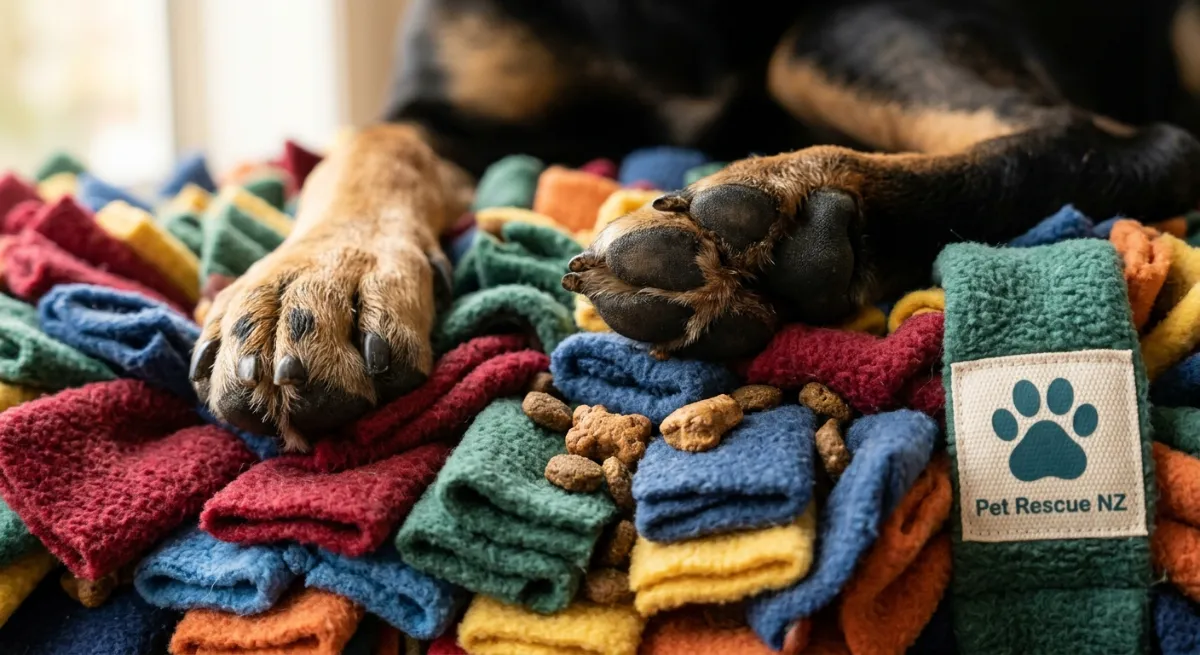
Ditch the standard food bowl. Feed their daily meals through stuffed Kongs, frozen lick mats, or fabric snuffle mats. Fifteen minutes of intense sniffing burns as much energy as a brisk thirty-minute walk.
New Zealand Specific Training Needs
Raising a pet in Aotearoa comes with unique responsibilities. We are blessed with incredible native bush and stunning coastlines, but these environments require specific behavioural controls to protect local wildlife.
If you live near conservation areas, Kiwi aversion training is an absolute must. This specialised training teaches your dog to actively avoid the scent of our vulnerable native birds. It is a vital step in responsible Kiwi pet ownership.
Additionally, understanding local council bylaws is essential. From Tāmaki Makaurau to Wellington, summer beach restrictions require dogs to have impeccable recall. If your dog won’t come back when called, they cannot safely enjoy off-leash areas.
When to Call in a Professional Trainer
There is absolutely no shame in admitting you need help. Sometimes, despite your best efforts, the behavioural issues are too deeply ingrained to tackle alone. Knowing when to step back and call an expert is a sign of a great owner.
When looking for help, always seek out CANZ-accredited professionals. The dog training industry in New Zealand is largely unregulated, meaning anyone can call themselves a trainer. Accreditation ensures they use humane, evidence-based methods.
| Behavioural Issue | DIY Training at Home | Professional Help Needed |
|---|---|---|
| Basic Commands (Sit, Stay) | Highly effective with daily practice | Usually not required unless struggling |
| Mild Leash Pulling | Manageable with consistency and treats | Helpful for refining technique |
| Resource Guarding (Growling over food) | Risky; can escalate if handled poorly | Highly recommended immediately |
| Aggression to Humans/Dogs | Do not attempt DIY fixes | Mandatory for safety and welfare |
Rehoming Due to Behaviour: A Judgment-Free Zone
Life changes. We get it. Sometimes, despite exhausting all the Training Tips for Better Behaviour in New Zealand Pets, the environment simply isn’t right. A high-energy working breed trapped in a small suburban section is a recipe for mutual misery.
If you have tried training, enrichment, and routine, but the situation is still unmanageable, rehoming is not a failure. It is a brave, loving choice to admit that another family might be better equipped to meet your pet’s specific needs.
At Pet Rescue NZ, we provide a safe, transparent platform for safe pet rehoming. No shelters. No middlemen. Your pet stays comfortable at home until the right family says yes. Trust your gut—you will know when it is the right move for both of you.
About Pet Rescue NZ
Pet Rescue NZ is Aotearoa’s dedicated peer-to-peer pet rehoming platform. As a family-run, community-driven organisation, we provide safe, transparent, and compassionate home-to-home rehoming alternatives to traditional shelters. Our guides are built on years of hands-on experience helping Kiwi families navigate the emotional journey of pet ownership, training, and rehoming.
Frequently Asked Questions
From Pet Rescue NZEnjoying Pet Rescue NZ? Shout us a coffeeIt’s free to list and adopt. A $5 shout helps keep it that way, and your name goes on our Wall of Thanks.Shout a coffee →