Best NZ-Made Pet Food Brands
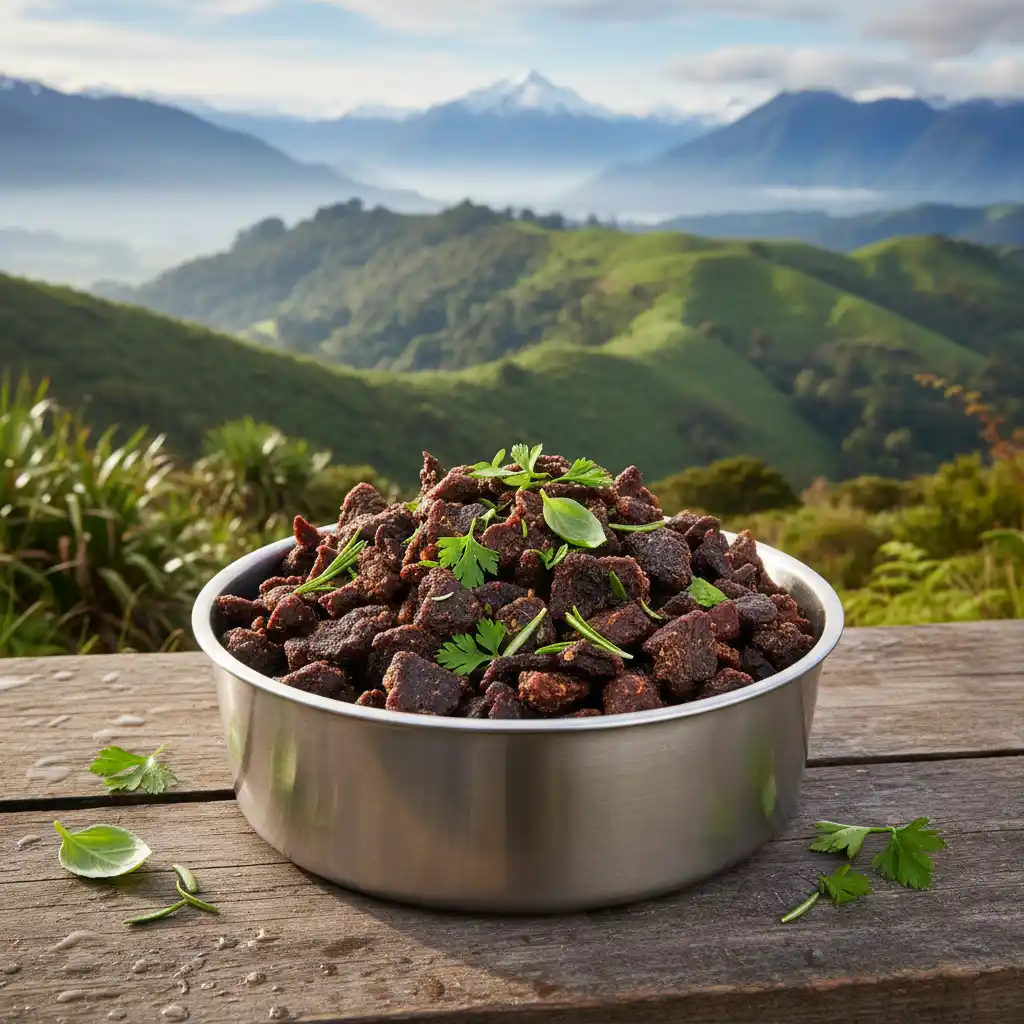
NZ made dog food is premium canine nutrition characterized by grass-fed, free-range meat sources and unique local ingredients like Green Lipped Mussel. Renowned for strict biosecurity standards and a ban on GMOs, these products typically avoid artificial fillers, focusing on high-protein, grain-free formulas that mimic a dog’s ancestral diet for optimal health and longevity.
New Zealand has rapidly established itself as a global powerhouse in the pet food industry. For pet owners, particularly those navigating the complexities of pet adoption and tenant advocacy, ensuring a dog is well-nourished is about more than just filling a bowl. A healthy diet leads to a healthier coat, less shedding, better behavior, and fewer veterinary visits—factors that make renting with pets significantly easier. The pristine environment of Aotearoa provides a unique agricultural advantage, producing ingredients that are considered the gold standard in animal nutrition.
The Global Standard: Why Choose NZ Made Dog Food?
When investigating commercial dog food options, the country of origin is a critical factor in determining quality. New Zealand’s isolation, once considered a logistical challenge, is now its greatest asset in food safety. The country’s strict biosecurity laws mean that livestock is largely free from diseases that plague other parts of the world, such as Mad Cow Disease or Foot-and-Mouth Disease.
Furthermore, the regulatory environment is stringent. The Ministry for Primary Industries (MPI) oversees the production and export of pet food, ensuring that the manufacturing processes meet high hygiene and safety standards comparable to human food production. This “human-grade” philosophy is a hallmark of the best NZ made dog food brands.
Unlike industrial farming practices common in larger nations, New Zealand livestock is predominantly grass-fed and free-range. Animals raised on pasture rather than grain-based feedlots produce meat with higher levels of Omega-3 fatty acids and conjugated linoleic acid (CLA), both of which are vital for canine inflammatory control and heart health. For the discerning pet owner, choosing a New Zealand brand is an investment in preventative health care.
Key Ingredients: The Power of Green Lipped Mussels and Grass-Fed Meat
The efficacy of NZ made dog food lies in its ingredient lists, which are often short, pronounceable, and locally sourced. Two standout components define this niche: grass-fed proteins and the New Zealand Green Lipped Mussel.
The Green Lipped Mussel (Perna canaliculus)
Endemic to the coastal waters of New Zealand, the Green Lipped Mussel is a superfood powerhouse. It is naturally rich in glucosamine, chondroitin, and unique Omega-3 fatty acids (ETA, EPA, and DHA). For dogs, particularly large breeds or seniors prone to arthritis, this ingredient acts as a potent natural anti-inflammatory.
Including this mollusk in a diet supports joint mobility and reduces pain without the need for synthetic pharmaceuticals. Brands like ZiwiPeak and K9 Natural almost invariably include this ingredient in their formulations, acknowledging its critical role in long-term mobility.
Grass-Fed Lamb, Beef, and Venison
New Zealand is famous for its lamb and venison. In the context of dog food, these proteins offer a hypoallergenic alternative to the chicken and corn-heavy diets produced by mass-market global conglomerates. Venison, in particular, is a novel protein for many dogs, making it an excellent choice for pets with allergies or sensitive stomachs. The grass-fed nature of this meat ensures a leaner protein profile rich in vitamins B12 and E, essential for immune function and skin health.
Raw and Air-Dried: Understanding the Processing Trends
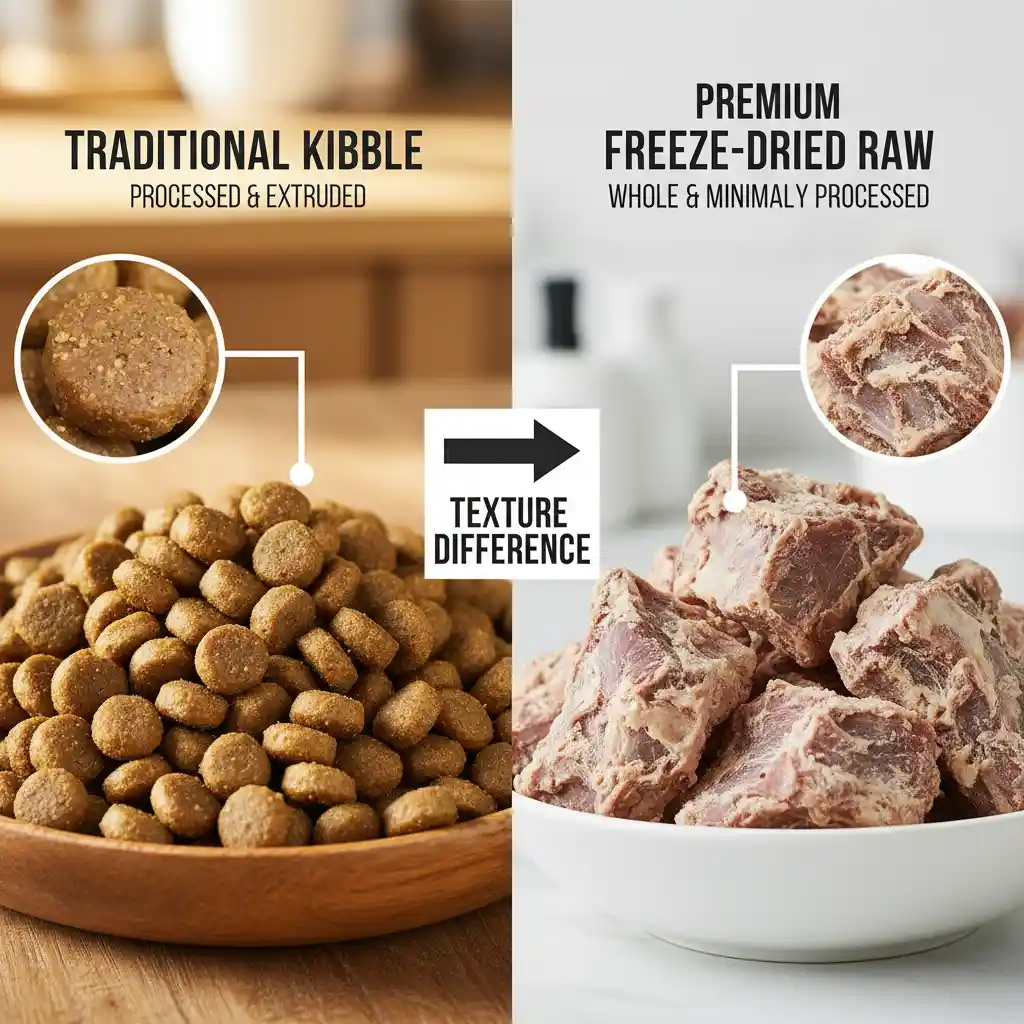
The “commercial investigation” into New Zealand pet food reveals a distinct move away from traditional high-heat extrusion (kibble) toward gentler preservation methods. The goal is to retain the bio-availability of nutrients that are often destroyed by high temperatures.
The Air-Drying Technique
Air-drying is a centuries-old preservation method modernized for the pet industry. Fresh ingredients are slowly dried at low temperatures. This process eliminates pathogens like Salmonella and Listeria while preserving the enzymes and vitamins inherent in raw meat. The result is a shelf-stable product with the nutritional density of raw food but the convenience of kibble. It is extremely nutrient-dense, meaning you feed less volume compared to traditional dry food.
Freeze-Dried Raw
Freeze-drying involves flash-freezing fresh food and then removing the moisture in a vacuum chamber. This is arguably the closest format to a raw diet available on a shelf. It requires rehydration (adding warm water) before feeding, which has the added benefit of increasing your dog’s water intake—crucial for kidney health. While these products come at a premium price point, they offer unparalleled nutritional integrity.
Top NZ Made Dog Food Brands Reviewed
Based on nutritional analysis, sourcing ethics, and market reputation, the following brands represent the pinnacle of NZ made dog food.
1. ZiwiPeak
Overview: Often cited as the market leader in the air-dried category, ZiwiPeak utilizes a “whole prey” philosophy. Their recipes include meat, organs, and bone, mimicking what a dog would eat in the wild.
Pros:
- Over 96% meat, organs, and seafood.
- No grains, potatoes, corn, wheat, soy, or sugars.
- Includes Green Lipped Mussel.
- Ethical sourcing from free-range farms.
Cons: High price point per kilogram, though the feeding portion is smaller.
2. K9 Natural
Overview: Specializing in freeze-dried and frozen raw diets, K9 Natural is a favorite among raw feeding enthusiasts who want convenience. Their K9 Natural Feast range is complete and balanced for all life stages.
Pros:
- High palatability (great for picky eaters).
- Uses human-grade ingredients.
- Contains blood, which provides essential minerals.
- Zero artificial preservatives.
3. Tu Meke Friend
Overview: A rising star in the premium sector, Tu Meke Friend focuses on gourmet combinations and treats. Their air-dried foods are formulated to meet high nutritional standards with a focus on digestive health.
Pros:
- Includes superfoods like coconut oil and flaxseed.
- Nutritionally dense.
- Strong focus on sustainable packaging.
4. Addiction Pet Foods
Overview: Addiction offers a wider variety of proteins, including exotic options like Brushtail Possum and Kangaroo (wild-sourced). They offer both air-dried and high-quality kibble options.
Pros:
- Hypoallergenic formulas ideal for sensitive dogs.
- More affordable kibble options that still maintain NZ standards.
- Uses pectin and fruits for antioxidant support.
Sustainability and Ethical Farming in Pet Nutrition
Sustainability is no longer a buzzword; it is a requirement for the modern consumer. New Zealand’s agricultural sector is under constant scrutiny to maintain its “clean and green” image. This extends to pet food manufacturing.
Wild-caught ingredients, such as the Brushtail Possum used in some NZ foods, serve a dual purpose. The possum is an invasive pest in New Zealand that destroys native forests and threatens birdlife. By utilizing possum meat in dog food, companies like Addiction and various treat manufacturers are contributing to conservation efforts while providing a high-protein, low-fat food source.
Furthermore, the fishing industry in New Zealand is managed by the Quota Management System (QMS), which limits the total catch to ensure fish stocks remain sustainable. When you see Hoki or Mackerel on an NZ dog food label, it is highly likely to be sourced from a certified sustainable fishery.
Transitioning Adopted Pets to Premium Diets
For those in the pet adoption and tenant advocacy space, the diet of a newly adopted dog is paramount. Shelter dogs often arrive with digestive issues caused by stress and inconsistent feeding. Transitioning to a high-quality NZ made dog food can stabilize their gut health rapidly.
A stable diet reduces “accidents” inside the home—a major point of friction for landlords and tenants. High-digestibility foods (like air-dried or raw NZ options) result in smaller, firmer stools that are easier to clean up and smell less. This practical benefit can actually help tenants maintain a cleaner property, safeguarding their security deposits.
How to Transition:
- Days 1-3: Mix 25% new NZ food with 75% old food.
- Days 4-6: Mix 50% new food with 50% old food.
- Days 7-9: Mix 75% new food with 25% old food.
- Day 10+: 100% new NZ food.
Always ensure fresh water is available, especially when feeding air-dried foods which have lower moisture content than raw or canned options.
Frequently Asked Questions
Is New Zealand dog food better than US or UK brands?
New Zealand dog food is widely considered superior regarding ingredient purity. The country prohibits GMOs, has stricter antibiotic regulations, and livestock is predominantly grass-fed year-round. Unlike many US brands that rely on grain fillers, NZ brands focus on high-meat, nutrient-dense formulations.
Why is ZiwiPeak dog food so expensive?
ZiwiPeak is expensive because of its air-drying process and ingredient density. It takes roughly 3kg of raw ingredients to make 1kg of air-dried food. It contains 96% meat and organs without cheap fillers like corn, wheat, or soy, making the cost per serving more reasonable than the cost per bag suggests.
Can I feed my dog Green Lipped Mussels daily?
Yes, Green Lipped Mussels are safe and beneficial for daily consumption. They provide natural anti-inflammatory properties, supporting joint health. Many NZ dog foods include them in their recipes, or they can be added as a freeze-dried topper.
What is the difference between air-dried and freeze-dried dog food?
Air-dried food is slowly dried at low heat to remove pathogens while keeping enzymes intact; it has a jerky-like texture and is ready to eat. Freeze-dried food is flash-frozen and vacuum-sealed; it is more porous and typically requires rehydration with water before feeding.
Is grain-free food actually good for dogs?
For many dogs, especially those with allergies, grain-free is excellent. However, quality matters. NZ grain-free foods replace grains with more meat and organs, whereas some cheaper brands replace grains with peas or lentils, which has been controversial. NZ high-meat grain-free diets generally align better with a canine’s ancestral requirements.
Which NZ dog food is best for puppies?
K9 Natural and ZiwiPeak both offer “all life stages” formulas that are excellent for puppies due to the high protein and fat content required for growth. Always check the label to ensure the specific recipe is formulated for growth or all life stages.
