A pet safe garden NZ requires secure fencing, the removal of toxic flora like Karaka and Lilies, and the avoidance of chemical slug baits. To ensure a sanctuary for your animals, you must design a landscape that prevents escape while providing non-toxic sensory enrichment and shaded shelter specifically adapted to New Zealand’s climate.
Welcoming a rescue animal into your home is a rewarding journey, but it comes with the responsibility of ensuring their environment is secure and nurturing. In New Zealand, where our indoor-outdoor lifestyle is prevalent, creating a seamless transition between a safe home and a secure garden is critical. Whether you are adopting a high-energy working dog breed or a curious cat, the physical environment plays a massive role in their rehabilitation and long-term happiness. This guide covers everything from structural security to botanical safety, ensuring your property is a haven for your furry family members.
Designing a Pet-Secure Outdoor Area
The first line of defense in any pet-friendly property is containment. For rescue animals, who may be skittish or prone to wandering, a breach in the perimeter can be disastrous. Designing a secure area goes beyond just putting up a fence; it requires analyzing the landscape from your pet’s perspective.
Fencing Solutions for NZ Homes
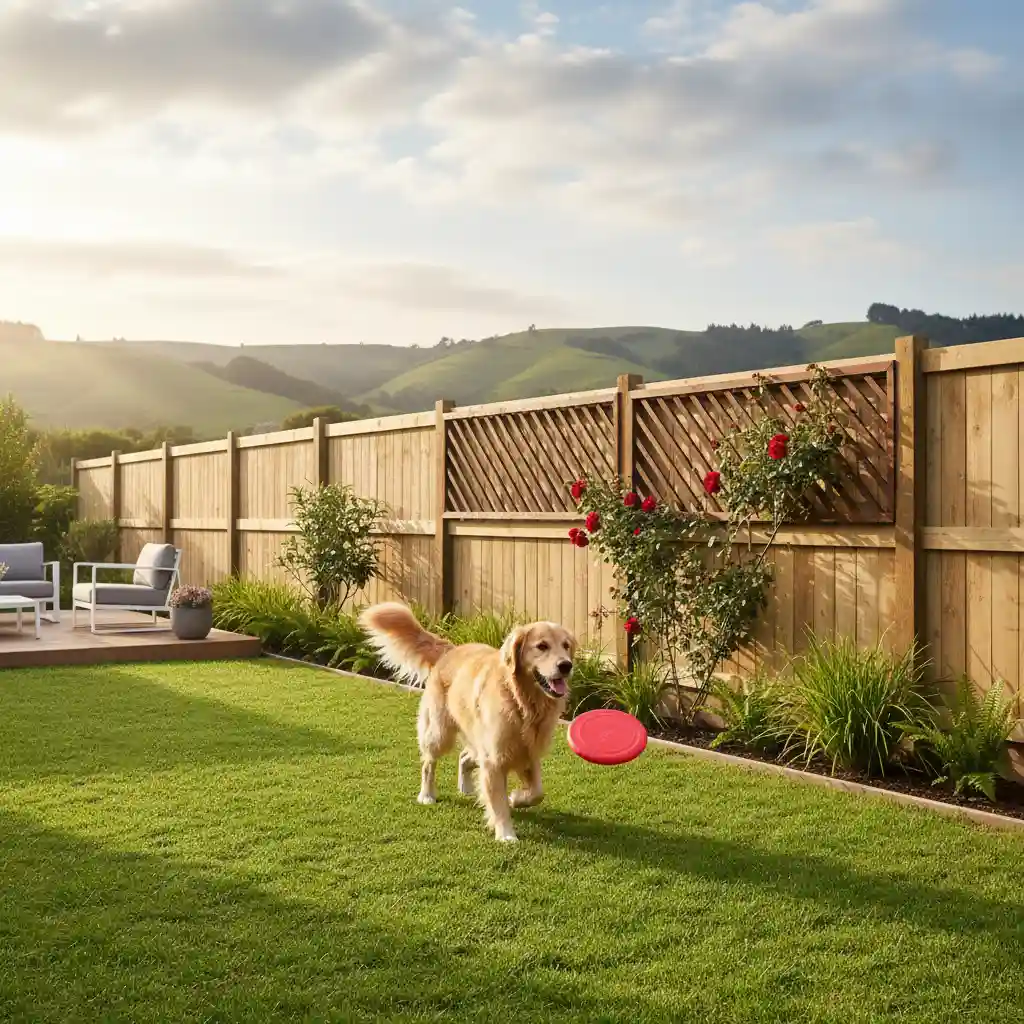
In New Zealand, timber paling fences are standard, but they often have gaps or cross-rails that act as ladders for agile dogs. To create a truly secure perimeter, consider the following:
- Height Requirements: For medium to large dogs, a fence should be at least 1.8 meters high. For jumpers, adding a trellis extension angled inward can prevent scaling.
- Digging Defense: Many terriers and working breeds are notorious diggers. Burying chicken wire or concrete pavers at the base of your fence line can prevent escape tunnels.
- Gap Management: Ensure that gates latch automatically and securely. Check for gaps between the house and the fence, a common oversight where puppies often squeeze through.
Cat Containment Systems
With New Zealand’s unique birdlife, there is increasing pressure on cat owners to keep their pets contained. Building a “Catio” (cat patio) or installing oscillating paddle rollers on top of fences allows your cat to enjoy the fresh air without roaming. This protects local wildlife and keeps your cat safe from traffic and fights.
Zoning and Surfaces
Hardscaping materials matter. In the heat of a Kiwi summer, concrete and dark pavers can burn paw pads. Opt for lighter-colored stones or timber decking. Avoid using sharp gravel or river stones that can get lodged in paws or, worse, swallowed. If you use mulch, ensure it is pet-safe; avoid cocoa bean mulch, which contains theobromine and is toxic to dogs. Instead, use untreated wood chips or bark.
Cultivating a Pet Safe Garden NZ: Flora and Fauna
The most critical aspect of building a pet safe garden NZ style is identifying and removing toxic vegetation. New Zealand’s climate allows for a wide variety of plants, both native and exotic, but many common garden staples are lethal to pets.
Identifying Toxic Plants
Before releasing your pet into the garden, conduct a thorough audit of your plants. Here are some of the most dangerous offenders found in NZ gardens:
- Karaka Trees: The orange berries contain karakin, a potent neurotoxin. Consumption of the berries (fresh or rotting) can cause convulsions and death in dogs.
- Lilies (Lilium and Hemerocallis): Extremely toxic to cats. Even brushing against the pollen and grooming it off their fur can cause fatal kidney failure.
- Wandering Willie (Tradescantia fluminensis): Also known as Wandering Jew, this common weed causes severe contact dermatitis (itchy rashes) on dogs’ bellies and paws.
- Kowhai and Titoki: While beautiful natives, the seeds of these trees are poisonous if chewed and ingested.
- Yesterday-Today-and-Tomorrow: Every part of this plant is poisonous, causing tremors and seizures.
For a comprehensive list of toxic plants, you can cross-reference your garden inventory with resources from the Manaaki Whenua – Landcare Research database, which provides detailed information on New Zealand flora toxicity.
Safe Alternatives for a Lush Garden
You do not need to sacrifice aesthetics for safety. Many plants are robust, non-toxic, and thrive in NZ conditions:
- Natives: Flaxes (Phormium), Hebes, and Griselinia are excellent, non-toxic screening plants. Tussock grasses provide great texture and are safe for pets to rustle through.
- Herbs: Rosemary, basil, and parsley are safe and add scent to the garden.
- Flowers: Sunflowers, Zinnias, and Snapdragons are colorful, safe options for flower beds.
Chemical Safety: Slug Bait and Fertilizers
Snail and slug bait is one of the leading causes of poisoning in NZ pets. Traditional baits contain metaldehyde, which is fatal even in small doses. Always opt for “pet-safe” baits based on iron chelate, though even these should be used sparingly and stored securely. Likewise, avoid blood and bone fertilizer if you have a dog that loves to dig and eat dirt, as it can cause gastrointestinal blockages or pancreatitis if consumed in large quantities.
Creating Safe Indoor Spaces for Pets
While the garden offers adventure, the home is the sanctuary for rest. Creating a safe indoor environment involves “pet-proofing” to minimize risks associated with household items and layout.
Flooring and Mobility
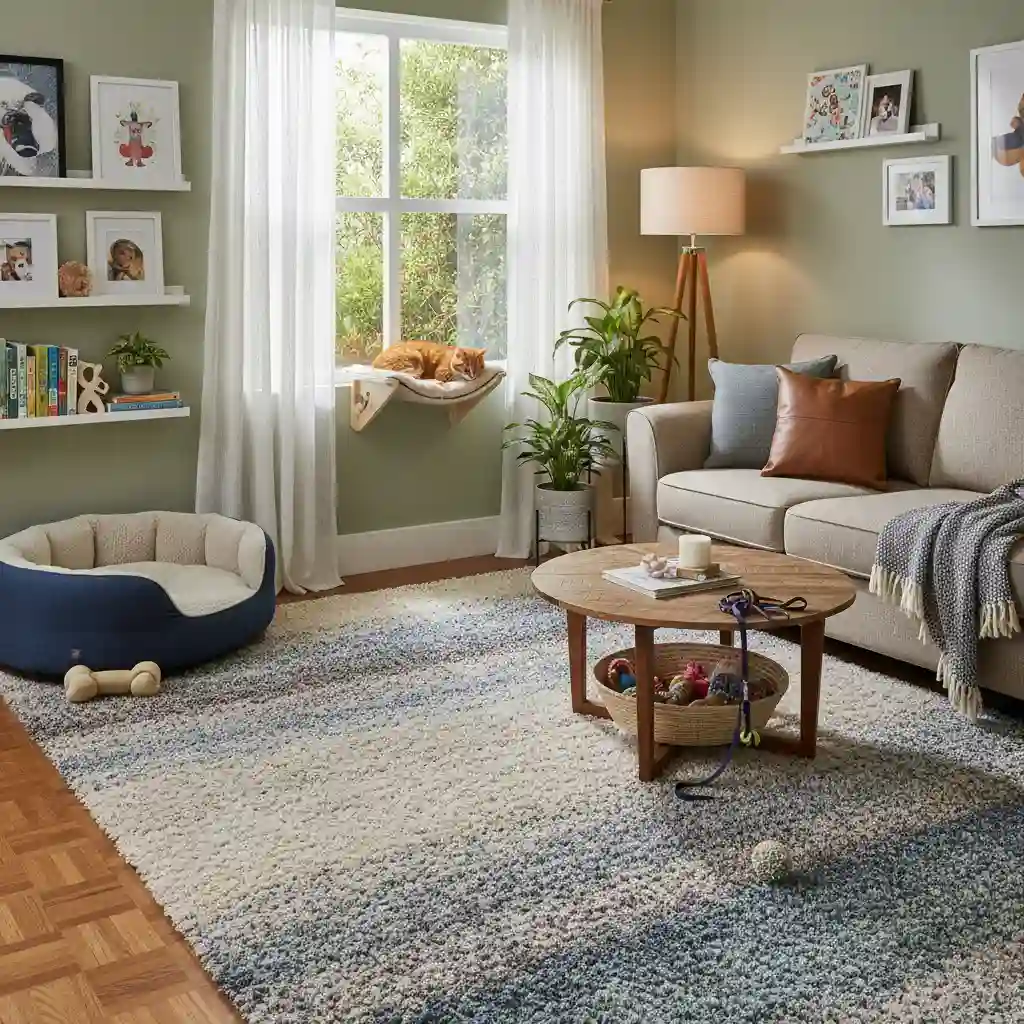
Slippery floors (polished timber, laminate, or tiles) can be hazardous, particularly for senior rescue dogs with arthritis or hip dysplasia. The lack of traction can cause slips that result in soft tissue injuries. To mitigate this, place non-slip rugs or runners in high-traffic areas and ensure your pet’s nails are trimmed regularly to improve grip.
Kitchen and Living Room Hazards
The kitchen is a hotspot for potential dangers. Secure your trash cans with locking lids to prevent “garbage gut” (dietary indiscretion), which can lead to pancreatitis. Be mindful of human foods that are toxic, such as chocolate, grapes, raisins, onions, and macadamia nuts.
In the living room, secure loose electrical cords to prevent chewing—a common behavior in bored puppies or anxious rescue dogs. Ensure that heavy furniture, like bookshelves or unstable TV stands, is anchored, especially if you have a large dog or a cat that enjoys climbing.
DIY Pet Enrichment Ideas for Home
A safe home is not just about removing dangers; it is about adding value. Enrichment is vital for mental health, reducing destructive behaviors caused by boredom. This is particularly true for rescue animals who may be transitioning from a shelter environment.
The Sensory Garden
Create a dedicated zone in your garden for your dog to explore. Plant safe, aromatic herbs like mint, lemon balm, and chamomile. You can also install a sandpit specifically for digging. Bury toys or treats in the sand to encourage your dog to dig there rather than in your flower beds. This redirects natural instincts in a constructive way.
Vertical Space for Cats
Cats dwell in three dimensions. Increase the usable space in your home by installing vertical shelving or cat trees. This allows cats to survey their territory from a height, which provides a sense of security and reduces stress in multi-pet households.
Interactive Feeding
Ditch the food bowl. Use puzzle feeders, snuffle mats, or scatter feeding techniques (tossing dry food on the lawn) to make mealtime a mental workout. This slows down eating and mimics natural foraging behaviors.
Seasonal Hazards and Maintenance
Maintaining a pet-friendly home is a year-round commitment. New Zealand’s distinct seasons bring specific challenges that pet owners must anticipate.
Winter Warmth and Safety
As temperatures drop, pets seek warmth. Ensure open fireplaces have secure screens to prevent burns. If you use portable heaters, ensure they have tilt-switches to shut off if knocked over by a playing tail. Antifreeze (ethylene glycol) is sweet-tasting but deadly; clean up any driveway spills immediately.
Summer Heat Management
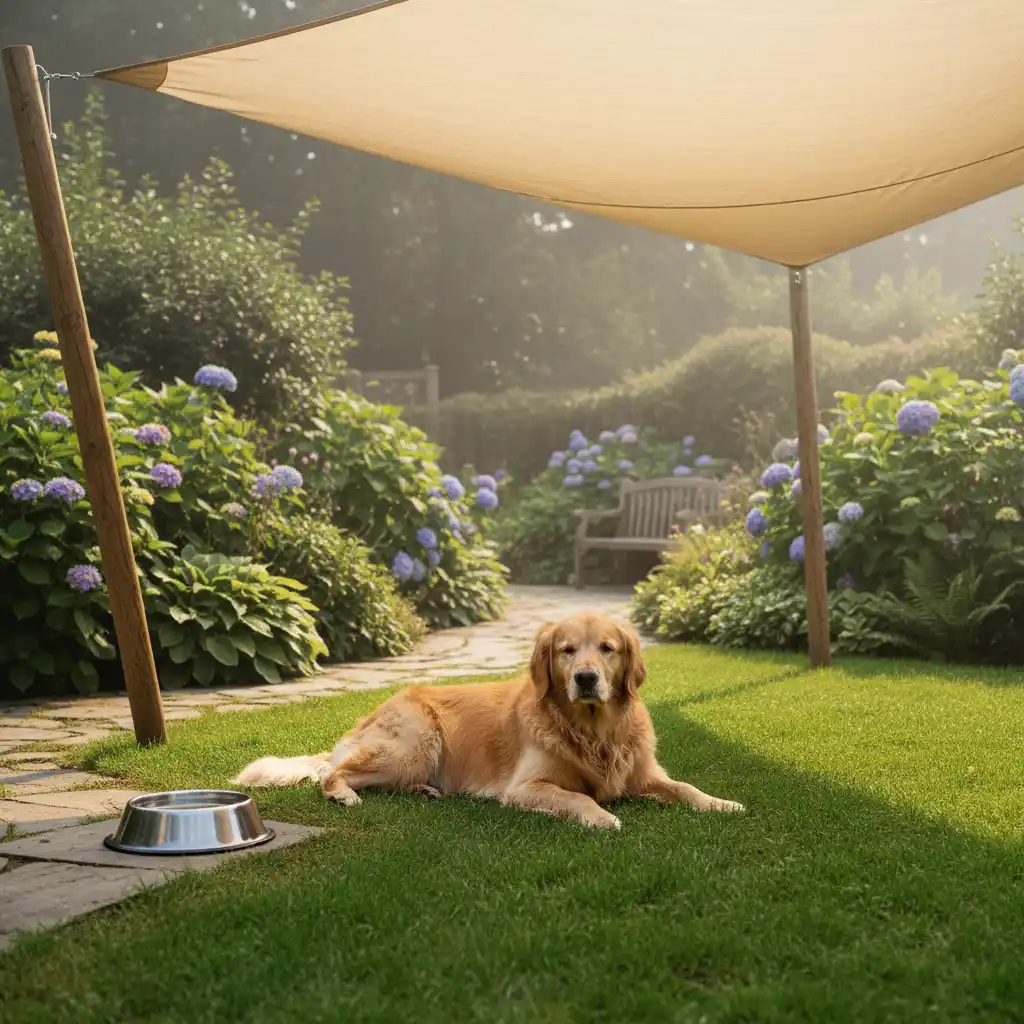
In summer, shade is non-negotiable. Ensure your garden has ample shaded areas using trees, shade sails, or kennels. Hydration is key; consider installing automatic water bowls that connect to a hose spigot to ensure a constant supply of fresh water. Be vigilant about grass seeds, particularly barley grass, which can burrow into paw pads, ears, and eyes, causing abscesses and severe pain.
By addressing these indoor and outdoor factors, you create a holistic environment that prioritizes the welfare of your rescue animal. A pet safe garden NZ residents can be proud of is one that balances beauty with biosecurity, ensuring your companion lives a long, healthy life free from preventable hazards.
Frequently Asked Questions
What plants are poisonous to dogs in NZ?
Common NZ plants poisonous to dogs include Karaka berries, Kowhai seeds, Titoki seeds, Daffodil bulbs, and the wandering willie (which causes skin irritation). Always identify plants before adding them to your garden.
How do I dog-proof my garden fence?
To dog-proof a fence, ensure it is at least 1.8m high for large breeds. Fix any gaps in timber palings, install a latch high out of reach, and consider burying chicken wire at the base to prevent digging.
Is Wandering Jew poisonous to dogs?
Wandering Jew (Tradescantia) is not typically fatal if eaten, but it causes severe contact dermatitis. Dogs walking through it often develop red, itchy rashes on their paws and bellies.
What is the best ground cover for dogs in NZ?
The best ground covers are durable and non-toxic. Options include creeping thyme, clover, or native tussock grasses. Avoid cocoa mulch and sharp gravel.
How can I keep my cat inside the property?
You can keep a cat contained by building a ‘Catio’ (enclosed patio), using cat-proof netting extensions on existing fences, or installing a rolling bar system that prevents them from gripping the top of the fence.
Are vegetable gardens safe for pets?
Not all vegetable gardens are safe. Onions, garlic, chives, and unripe tomatoes (green parts) are toxic to dogs and cats. Compost bins should also be secured as moldy food can contain tremorgenic mycotoxins.