Adopting a cat in New Zealand involves a thoughtful process that ensures a safe, loving home for a feline in need while enriching your life. Successful cat adoption in NZ tips include thorough research, selecting a reputable rescue, preparing your home, and understanding your ongoing responsibilities to provide a healthy, happy environment for your new companion.
The Cat Adoption Journey in New Zealand: A Step-by-Step Guide
Embarking on the journey of cat adoption in New Zealand is a truly rewarding experience, offering a second chance at life for a deserving feline and bringing immense joy to your household. This section details the comprehensive process, from understanding the benefits of adoption to navigating the application procedures with reputable organisations across Aotearoa.
Why Choose Adoption? The Benefits for You and the Cat
Opting for cat adoption over purchasing from a breeder or pet store carries a multitude of benefits, both for the individual and for the wider community of animal welfare. Primarily, you are providing a loving home to a cat that desperately needs one, often saving them from difficult circumstances or overcrowded shelters. Many rescue cats are already desexed, microchipped, vaccinated, and vet-checked, which can save new owners significant initial costs and administrative effort. Furthermore, shelter staff often have a deep understanding of each cat’s personality, history, and specific needs, allowing them to facilitate a more successful match between cat and adopter. This insight helps ensure that the cat’s temperament aligns with your lifestyle, leading to a smoother transition and a happier, more harmonious relationship. Beyond the individual benefits, adopting reduces demand for breeding, helping to alleviate the issue of pet overpopulation in New Zealand.
Finding Reputable Shelters and Rescue Organisations in NZ
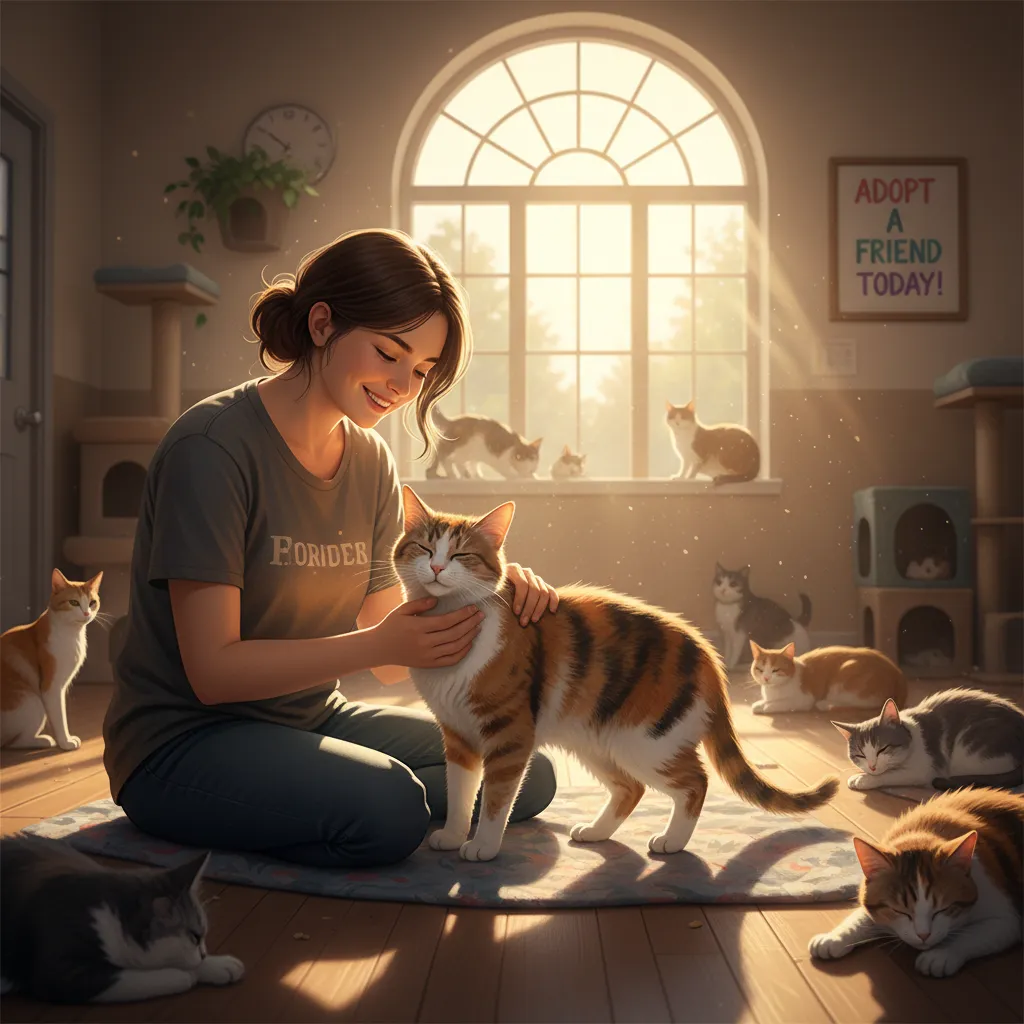
New Zealand boasts a network of dedicated animal shelters and rescue organisations committed to finding forever homes for cats. Key players include the SPCA New Zealand, which operates nationally, as well as numerous independent regional rescues like Cat Protection Society, Feline Rescue, and various local trusts. When searching for a reputable organisation, look for transparency in their adoption processes, clear information about their care standards, and positive reviews or testimonials. A good shelter will prioritise the welfare of their animals, ensuring they receive appropriate veterinary care, nutrition, and socialisation. They should also be eager to answer your questions thoroughly and provide comprehensive information about the cat’s history, health, and temperament. Visiting the facility in person, if possible, can also provide valuable insight into the conditions and care provided. Always ensure the organisation is registered and operates ethically, focusing on responsible rehoming practices rather than quick placements.
Understanding the Application and Interview Process
Once you’ve identified a potential cat and a reputable organisation, the next step is typically the application and interview process. This stage is crucial for shelters to assess your suitability as a cat owner and to ensure the best possible match for the animal. Applications usually require personal details, information about your living situation (e.g., apartment vs. house, yard access), household members (including children and other pets), your experience with animals, and your lifestyle. Be prepared to be thorough and honest in your responses. The interview, often conducted by phone or in person, is an opportunity for the shelter staff to delve deeper into your application, clarify any points, and discuss your expectations and capacity to care for a cat. This is also your chance to ask detailed questions about the cat you are interested in, their personality, health background, and any specific needs they might have. Think of this as a two-way street, where both parties are assessing the potential for a successful adoption.
The Importance of Home Visits and Preparation
Some rescue organisations, particularly for specific types of animals or in certain situations, may conduct a home visit as part of their adoption process. While not universally required for all cat adoptions in NZ, it’s a practice aimed at ensuring the proposed living environment is safe, secure, and suitable for a cat. During a home visit, a representative might look for potential hazards, assess the level of security (e.g., escape routes, window screens), and discuss where the cat’s litter box, food, and sleeping areas will be located. It’s also an opportunity for them to offer advice on preparing your home for a new feline family member. Even if a home visit isn’t required, it’s vital for you to proactively prepare your home. This includes ‘cat-proofing’ by securing loose wires, removing toxic plants, and ensuring there are safe, quiet spaces for your cat to retreat to. Adequate preparation significantly reduces stress for both you and your new cat, fostering a smoother transition.
What to Expect: Adoption Fees and What They Cover
Adoption fees are a standard part of the process when adopting from a reputable shelter or rescue in New Zealand. These fees are not a ‘purchase price’ but rather a contribution towards the significant costs incurred by the organisation in caring for the animal. Typically, adoption fees for cats in NZ range from $100 to $250, though this can vary. These fees usually cover essential veterinary services that the cat has received while in the shelter’s care. This often includes desexing (spaying or neutering), initial vaccinations, microchipping, flea and worm treatments, and a general health check-up. The fee helps offset these substantial expenses, allowing the shelter to continue its vital work of rescuing and rehabilitating other animals. Understanding that this fee is an investment in animal welfare, ensuring the longevity and effectiveness of these organisations, is a key part of responsible cat adoption.
Choosing the Right Cat for Your New Zealand Home
The decision to adopt a cat is significant, and choosing the right feline companion is paramount to a successful, long-term relationship. This section explores crucial factors to consider when making your selection, ensuring that your new cat’s personality, needs, and health align with your lifestyle and household dynamics in New Zealand.
Matching a Cat to Your Lifestyle: Age, Energy Levels, and Personality
Finding a cat whose personality and needs align with your lifestyle is perhaps the most critical aspect of adoption. Consider the age of the cat: kittens are adorable and playful but require significant time, training, and supervision. Adult cats, particularly those over two years old, often have established personalities, may be calmer, and can be a better fit for busy households. Senior cats, though often overlooked, can be incredibly affectionate and content with a quiet home, offering companionship without the high energy demands. Think about your own daily routine: are you frequently away, or do you work from home? A very social cat might struggle with prolonged solitude, while an independent cat might be more suitable. Engage with the shelter staff about the cat’s known personality traits – are they playful, timid, vocal, cuddly, or aloof? Discussing these aspects openly will help ensure a harmonious match.
Indoor vs. Outdoor Cats: Making the Best Choice for NZ Conditions
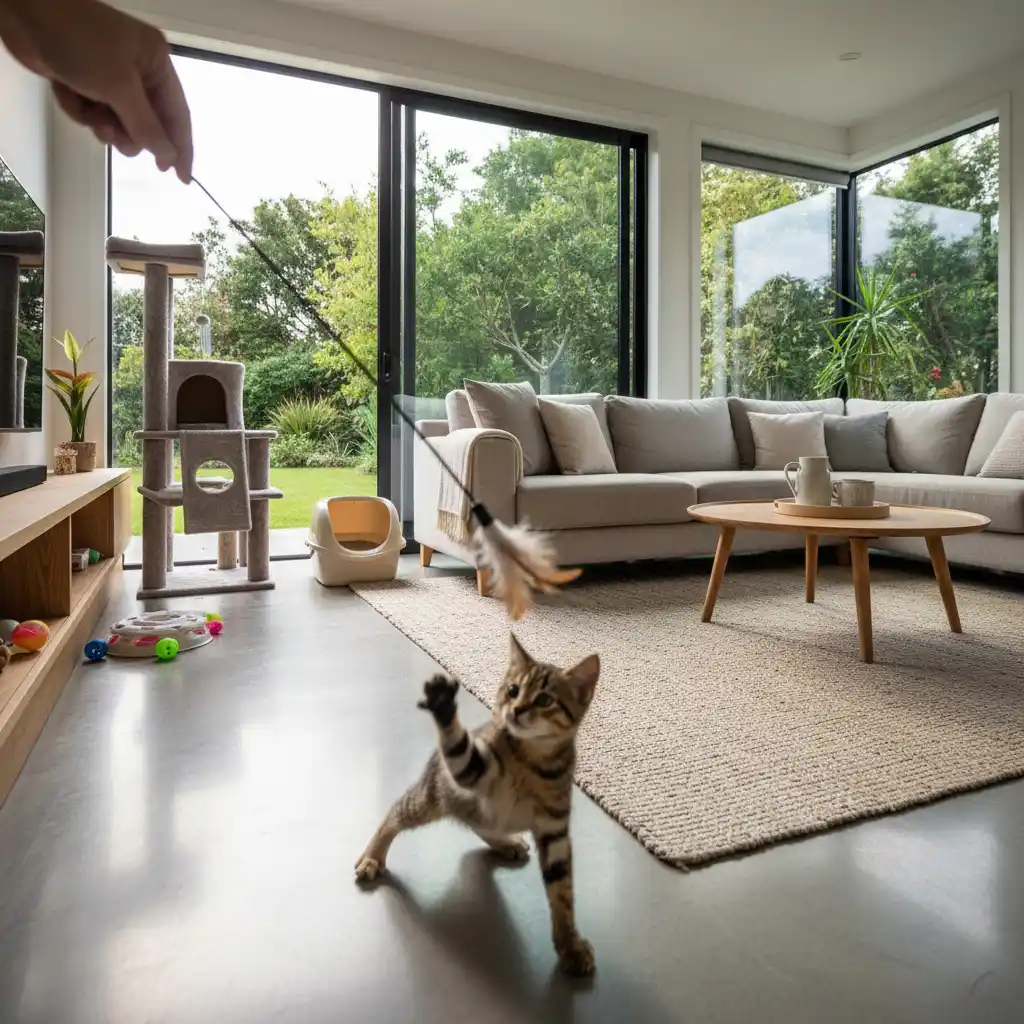
The debate between indoor and outdoor cats is an important one, particularly in New Zealand with its unique wildlife and environmental considerations. Indoor cats are generally safer from traffic accidents, fights with other animals, and exposure to certain diseases or parasites. They also pose no risk to native birdlife, which is a significant concern for conservation in NZ. However, indoor cats require more environmental enrichment, such as scratching posts, climbing structures, and interactive toys, to prevent boredom and behavioural issues. Outdoor cats benefit from exercise, natural stimulation, and territory marking. If you opt for an outdoor cat, ensure they are desexed, microchipped, and that your property is safe and free from major hazards. Consider a catio (cat patio) or secure fencing as a compromise that allows safe outdoor access. Your choice should reflect your local environment, the cat’s temperament, and your commitment to their safety and wellbeing, as well as New Zealand’s unique ecological sensitivities.
Considering Existing Pets and Children
Introducing a new cat into a household with existing pets or children requires careful planning and patience. For households with other cats or dogs, the integration process should be slow and supervised. Initial introductions should be controlled, allowing the animals to sniff each other’s scent under a door, then gradually progress to brief, supervised visual interactions. Ensure each pet has their own space, food bowls, and litter trays. For children, it’s crucial to educate them on how to interact respectfully and gently with a cat. Teach them about boundaries, reading cat body language, and avoiding rough play. Choose a cat with a known history of being good with children, or one that exhibits a calm, tolerant temperament. Shelters are excellent resources for finding cats that are suitable for multi-pet or family homes, often having fostered animals that have lived with children or other animals before.
Health and Behavioural Considerations: What to Ask About
Before finalising an adoption, thoroughly inquire about the cat’s health history and any known behavioural issues. Ask for vaccination records, desexing certificates, and microchip details. Discuss any past medical conditions, ongoing treatments, or dietary requirements. Reputable shelters will be transparent about a cat’s health. Regarding behaviour, ask about litter box habits, any anxieties (e.g., loud noises, strangers), aggression towards other animals or people, or destructive tendencies. Some cats may exhibit fear or shyness initially due to past trauma or simply the stress of shelter life; understanding these nuances can help you provide the right support. Don’t be afraid to ask detailed questions; a good shelter will appreciate your thoroughness. They may also offer post-adoption support or resources if behavioural challenges arise. Remember, many behavioural issues can be managed or resolved with patience, understanding, and sometimes professional guidance.
Post-Adoption Cat Care: Ensuring a Smooth Transition and Healthy Life
Bringing a new cat home is just the beginning of your journey together. This final section focuses on the crucial steps for post-adoption care, ensuring a seamless transition for your feline friend and setting the foundation for a long, healthy, and happy life in your New Zealand home.
Preparing Your Home: Essential Supplies and Safe Spaces
Before your new cat arrives, it’s essential to have all necessary supplies in place and to prepare a dedicated safe space for them. Key supplies include a comfortable litter box (or two, in different locations), appropriate litter, food and water bowls, a high-quality cat food suited to their age and any dietary needs, a secure carrier for transport, a scratching post or pad, and a selection of toys. A comfortable bed or sleeping area is also crucial. The designated safe space should be a quiet room where your new cat can acclimatise without being overwhelmed. This room should contain their litter box, food, water, and bed. It provides a sanctuary during the initial days or weeks, allowing them to adjust to new sights, sounds, and smells at their own pace. Gradually introducing them to other parts of the house will reduce stress and facilitate a smoother integration into your household.
The First Few Days and Weeks: Acclimatisation Tips
The initial period after bringing your cat home is critical for their adjustment. During the first few days, allow your cat to remain in their designated safe room. Visit them frequently but quietly, offering food, water, and gentle interaction. Avoid forcing interactions; let the cat come to you. Use calm, reassuring tones. Gradually introduce them to other family members one at a time, ensuring children are supervised and know how to interact gently. If you have other pets, follow a slow introduction process as discussed earlier. Maintaining a consistent routine for feeding, playtime, and litter box cleaning will provide a sense of security. Observe your cat’s behaviour closely for signs of stress (e.g., hiding excessively, loss of appetite, changes in litter habits) and consult your vet or the rescue organisation if concerns arise. Patience is key; some cats adjust within days, while others may take weeks or even months to fully settle.
Nutrition and Hydration: Best Practices for NZ Cats
Providing optimal nutrition and hydration is fundamental to your cat’s health. Discuss the cat’s current diet with the shelter and try to maintain it initially to avoid digestive upset. If you wish to change their food, do so gradually over 7-10 days by mixing increasing amounts of the new food with decreasing amounts of the old. Choose a high-quality, complete, and balanced cat food appropriate for their age, activity level, and health status. Fresh water should be available at all times, ideally in multiple bowls throughout the house. Some cats prefer running water and may benefit from a pet water fountain. Consider incorporating wet food into their diet, as it provides additional hydration, which is beneficial for feline urinary health. Avoid feeding human food, especially those toxic to cats like chocolate, onions, and garlic. Regular feeding times contribute to a stable routine and help manage their weight.
Ongoing Veterinary Care: Vaccinations, Desexing, and Regular Check-ups
Consistent veterinary care is non-negotiable for responsible cat ownership. Ensure your cat’s vaccinations are up to date and follow your vet’s recommendations for booster shots. If your cat hasn’t been desexed (neutered or spayed) by the shelter, this should be a priority, not only for population control but also for preventing certain health and behavioural issues. Microchipping is legally required for cats in many parts of New Zealand and is crucial for identification if your cat ever gets lost; ensure the details are registered to you. Schedule annual veterinary check-ups, even if your cat appears healthy. These routine visits allow your vet to catch potential health issues early, monitor weight, dental health, and discuss preventative care like flea and worm treatments. Your vet is also a valuable resource for advice on nutrition, behaviour, and overall cat wellness. The New Zealand Veterinary Association provides excellent resources for finding qualified vets and understanding animal health standards.
Grooming, Enrichment, and Play
Beyond the basics, a well-adjusted cat thrives on regular grooming, mental enrichment, and play. Brushing your cat regularly, especially long-haired breeds, helps prevent matting, reduces shedding, and strengthens your bond. It also allows you to check for any skin issues or parasites. Mental and physical enrichment is vital for preventing boredom and behavioural problems. Provide a variety of toys, rotate them to keep interest high, and engage in interactive play sessions daily using feather wands or laser pointers. Cat trees, scratching posts, and puzzle feeders also offer great stimulation. For indoor cats, access to window perches where they can watch the outside world can be highly enriching. Consider teaching your cat tricks using positive reinforcement, which can be a fun way to bond and stimulate their minds.
Legal Responsibilities of Cat Ownership in New Zealand
Responsible cat ownership in New Zealand comes with several legal and ethical responsibilities. As mentioned, microchipping and desexing are mandatory in many council areas and highly recommended everywhere else. You are responsible for ensuring your cat is well-fed, watered, sheltered, and receives prompt veterinary care when needed. Preventing your cat from becoming a nuisance to neighbours (e.g., excessive noise, fouling on property) is also important. Councils often have bylaws regarding cat management, including limits on the number of cats per household or specific requirements for containment. Furthermore, ensuring your cat does not pose a threat to New Zealand’s vulnerable native wildlife is a significant ethical consideration. Keeping cats contained, especially at night, and providing collars with bells can help mitigate this risk. Familiarise yourself with your local council’s animal management bylaws, which can be found on their respective websites, for comprehensive information on your obligations as a cat owner in your specific region of New Zealand. For general guidelines, refer to resources like the Animal Welfare Act 1999.
People Also Ask (PAA) About Cat Adoption in NZ
What is the average cost of adopting a cat in New Zealand?
The average cost of adopting a cat in New Zealand typically ranges from $100 to $250. This fee usually covers essential services like desexing, initial vaccinations, microchipping, and flea/worm treatments, helping to offset the shelter’s care costs.
How long does the cat adoption process take in NZ?
The cat adoption process in New Zealand can vary, taking anywhere from a few days to several weeks. Factors influencing this include the time it takes to process your application, conduct interviews, and potentially arrange a home visit, as well as finding the right match for your household.
Can I adopt a specific breed of cat in New Zealand?
While most cats in NZ shelters are mixed breeds, specific breeds do occasionally come into rescue. It’s less common to find purebred cats, but you can express your interest to shelters or look for breed-specific rescues. Patience and flexibility are key when searching for a particular breed.
What documents do I need to adopt a cat in NZ?
Typically, you’ll need photo identification and proof of address. Some shelters may also request landlord approval if you rent, references, or information about your current pets and vet. The specific requirements can vary between organisations.
Is it better to adopt a kitten or an adult cat in New Zealand?
The ‘better’ choice depends on your lifestyle. Kittens are playful but require significant time and training. Adult cats often have established personalities, may be calmer, and can be a better fit for busy households. Shelters can help match you with the ideal age and temperament.
What are the legal requirements for owning a cat in New Zealand?
Legal requirements for cat ownership in New Zealand vary by local council, but generally include mandatory microchipping and desexing in many areas. Owners are also responsible for their cat’s welfare, preventing nuisance, and ensuring their cat does not harm native wildlife. Always check your local council’s bylaws.