To adopt a senior dog NZ residents must connect with reputable animal welfare organizations like the SPCA or HUHA to provide a forever home for canines typically aged seven years or older. This process involves selecting a pet with established behavior patterns, paying a reduced adoption fee, and committing to specialized geriatric care to ensure their golden years are comfortable.
While puppies often steal the spotlight with their boundless energy and adorable antics, there is a quiet, dignified population in New Zealand’s animal shelters waiting for a second chance. Senior pets—often defined as those over the age of seven, though this varies by breed—are frequently overlooked in favor of younger animals. However, choosing to bring a golden oldie into your life is one of the most rewarding decisions a pet owner can make. In New Zealand, where our love for companion animals runs deep, the need for homes for aging dogs and cats is critical. This guide serves as the definitive resource for anyone considering this compassionate path, covering everything from the joys of instant companionship to the practicalities of geriatric pet health.
The Undeniable Benefits of Adopting a Senior Dog
Adopting a senior pet is not merely an act of charity; it is a strategic decision that offers unique advantages, particularly for those with busy lifestyles or specific household dynamics. Unlike puppies, who require constant monitoring, training, and socialization, senior dogs arrive with a history and a personality that is already fully formed.
What You See Is What You Get
One of the most significant risks when adopting a young animal is the uncertainty regarding their final size, temperament, and energy levels. With a senior dog, there is no guesswork. Their personality is established. You know immediately if they are a couch potato who loves a Sunday snooze or a sprightly walker who still enjoys a gentle stroll along a New Zealand beach. This predictability makes it much easier to match a dog to your specific lifestyle and family situation.
Instant Companionship with Less Chaos
Senior dogs are typically house-trained and have mastered basic commands. The destructive teething phase, the midnight whining, and the accidents on the carpet are generally things of the past. For working professionals or retirees in New Zealand who may not have the stamina or time to keep up with a high-energy puppy, a senior dog offers immediate companionship without the chaos. They are often content to simply be in the same room as you, providing a calming presence that is known to lower human stress levels.
The Gratitude Factor
Rescue workers and adopters consistently report a unique sense of gratitude from older pets. Many of these animals have known the comfort of a home before, only to lose it due to the death of an owner, financial hardship, or lifestyle changes. When they are given a second chance, they seem to understand the significance of a warm bed and a full bowl. The bond formed with a senior rescue is often profound and deeply loyal.
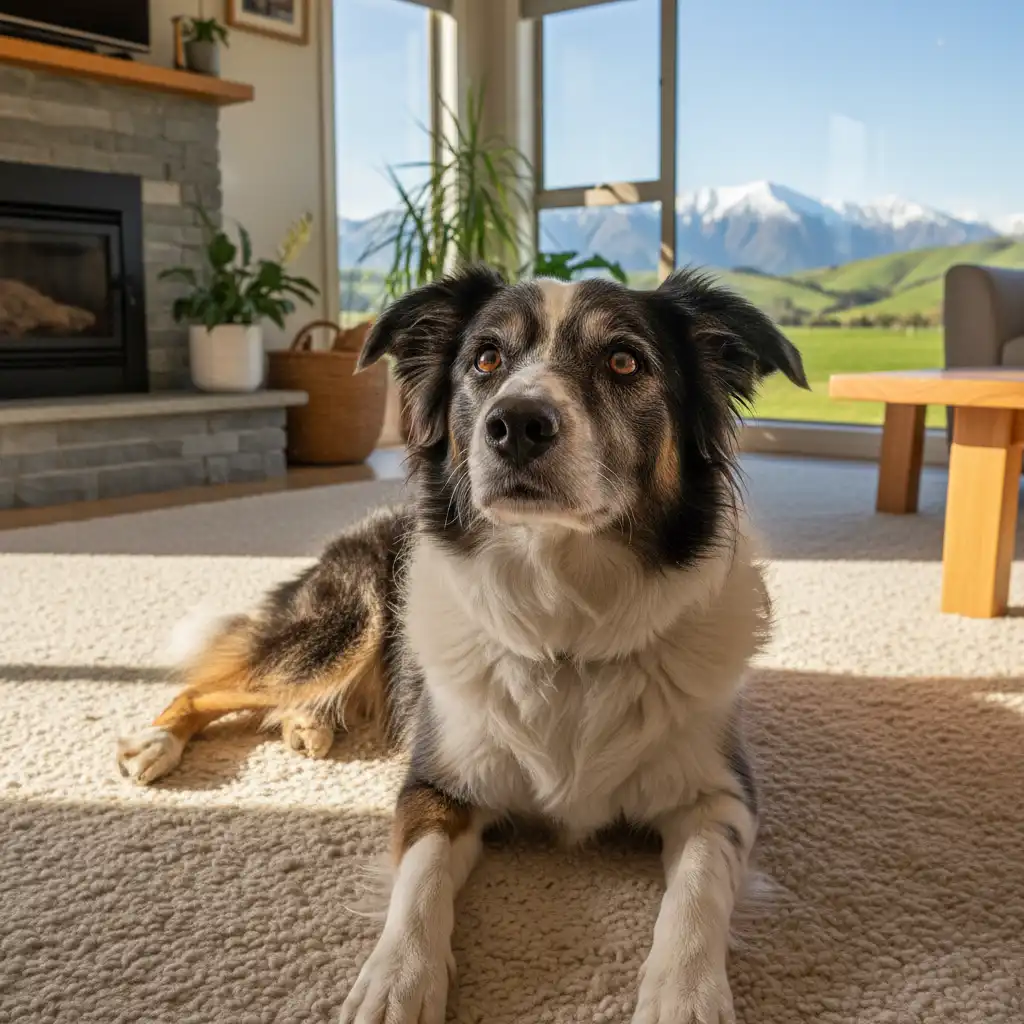
Where to Adopt Senior Dogs in New Zealand
If you have decided to adopt a senior dog NZ offers a robust network of animal welfare organizations dedicated to rehoming older pets. While the SPCA is the most recognized name, numerous regional and breed-specific rescues focus on harder-to-place animals.
- SPCA New Zealand: With centres across the country, the SPCA frequently has senior dogs and cats available. They often run “Golden Oldies” promotions where adoption fees are reduced for older animals to encourage their rehoming.
- HUHA (Helping You Help Animals): A leading no-kill shelter in New Zealand, HUHA is renowned for taking in animals that others might turn away, including those with age-related health issues.
- Chained Dog Rehabilitation & Rehoming NZ: This organization focuses on dogs that have lived difficult lives on chains. Many of their rescues are older dogs who are experiencing love and freedom for the first time.
- The Oldies Club NZ: While not a shelter itself, various online networks and Facebook groups specifically dedicated to New Zealand senior pet rehoming serve as a hub for connecting older pets with new owners.
When visiting these shelters, be upfront about your home environment. The staff know these dogs best and can guide you toward a senior whose mobility and temperament align with your home’s layout and your activity level.
Special Care Considerations for Older Pets
Caring for a senior pet differs significantly from caring for a young adult. As their metabolism slows and their bodies change, their daily routine must be adjusted to maintain their quality of life.
Nutrition and Weight Management
Obesity is a major health risk for senior pets, exacerbating joint pain and increasing the risk of diabetes and heart disease. Older dogs generally require fewer calories as their activity levels decrease. High-quality senior-specific dog foods are formulated with lower calorie density but higher fiber to keep them feeling full. Additionally, these diets often contain supplements like glucosamine and chondroitin to support joint health.
Exercise Adjustments
While a senior dog may not be up for a three-hour hike up Mount Maunganui, they still require regular exercise to maintain muscle tone and mental health. The key is consistency over intensity. Multiple short, gentle walks are better than one long, strenuous trek. Swimming is also an excellent low-impact exercise for New Zealand dogs, taking the weight off aching joints while providing a cardiovascular workout.
Grooming and Hygiene
Older pets may struggle to groom themselves as effectively as they once did due to reduced flexibility. Regular brushing is essential to prevent matting, which can be painful and cause skin infections. Senior dogs also require more frequent nail trimming, as they are not wearing their nails down naturally through vigorous activity. Pay close attention to dental hygiene, as gum disease can lead to systemic infections affecting the heart and kidneys.
Common Health Issues in Senior Animals
Adopting a senior pet requires a realistic understanding of their health needs. While many seniors are sprightly and healthy, age brings an increased risk of certain conditions. Being proactive can manage these issues effectively.
Arthritis and Mobility Issues
Osteoarthritis is the most common ailment in senior dogs. Signs include stiffness when standing up, reluctance to jump into the car or climb stairs, and a general slowing down. Management is multifaceted, involving weight control, soft bedding, joint supplements (Green-Lipped Mussel extract is a popular and effective NZ resource), and pain medication prescribed by a veterinarian.
Dental Disease
Years of plaque buildup can result in periodontal disease, leading to tooth loss and pain. A senior pet should have a thorough dental check-up upon adoption. In some cases, a professional scale and polish or extraction of rotten teeth can dramatically improve the animal’s energy levels and appetite.
Cognitive Dysfunction Syndrome (CDS)
Similar to dementia in humans, CDS can affect older dogs and cats. Symptoms include disorientation, changes in sleep-wake cycles (pacing at night), and house-soiling. While there is no cure, dietary changes, medication, and mental enrichment can slow the progression. For authoritative advice on managing these conditions, the New Zealand Veterinary Association (NZVA) provides excellent resources for pet owners.
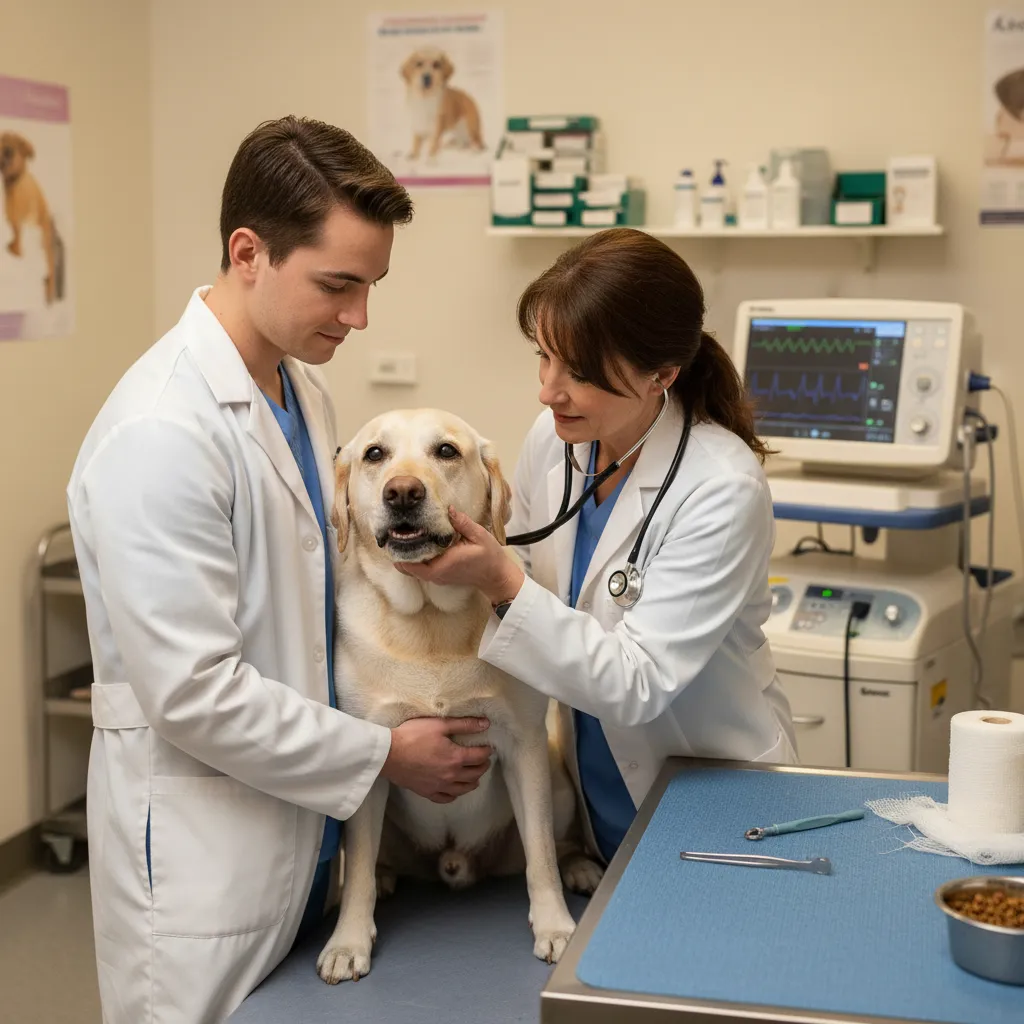
Making a Senior Pet Feel at Home
Bringing a senior pet home requires preparation to ensure their environment is safe and accessible. Unlike a puppy who can bounce back from a slip, a fall for a senior dog can be serious.
Home Modifications
Inspect your home from the perspective of an animal with limited mobility. If you have slippery wooden floors or tiles, consider laying down non-slip rugs or yoga mats to provide traction. This gives the dog confidence to move around without fear of splaying their legs. If your home has stairs, installing a ramp or using baby gates to restrict access may be necessary. For dogs allowed on furniture, pet steps can prevent the impact of jumping on and off sofas or beds.
Temperature Control
Older animals have a harder time regulating their body temperature. They are more susceptible to the cold and heat. In the New Zealand winter, a warm coat for walks and a heated pet pad for sleeping are excellent investments. In summer, ensure they have a cool, shaded area and access to fresh water at all times to prevent heatstroke.
The Adjustment Period
Patience is paramount. An older dog may have spent years in a different environment or a shelter kennel. They may be confused or anxious initially. Establish a routine immediately for feeding and toileting, but allow them space to decompress. Do not force interaction; let them come to you. It may take a few weeks for their true personality to shine through as they realize they are safe.
The Financial Reality of Senior Pet Ownership
It is important to be transparent about the costs associated with senior pets. While adoption fees for seniors are often significantly lower than for puppies (sometimes waived entirely by shelters to encourage adoption), the veterinary costs can be higher.
Pet insurance for senior animals can be expensive or may exclude pre-existing conditions. Therefore, prospective owners should be prepared to set aside a savings buffer for potential medical needs. However, the emotional return on investment—the companionship, the loyalty, and the knowledge that you have provided a loving end-of-life sanctuary—is priceless. Many adopters find that the bond they share with a senior dog is deeper and more meaningful than any they have experienced before.
People Also Ask
Here are answers to the most common questions regarding adopting senior dogs in New Zealand.
What is considered a senior dog age in NZ?
In New Zealand veterinary standards, a dog is generally considered senior when they reach the last 25% of their expected lifespan. Typically, this is around age 7 for large breeds and age 10-11 for smaller breeds, though it varies by individual health and genetics.
Are adoption fees cheaper for older dogs?
Yes, most New Zealand shelters, including the SPCA, offer reduced adoption fees for senior dogs. This is often part of “Golden Oldies” programs designed to incentivize the adoption of older animals who might otherwise be overlooked.
Is pet insurance worth it for a senior dog?
Obtaining new insurance for a senior dog can be difficult and costly, as pre-existing conditions are usually excluded. Many owners find it more effective to create a dedicated savings account for veterinary emergencies rather than paying high premiums for limited coverage.
How do I introduce a senior dog to my other pets?
Introductions should be slow and conducted on neutral territory, such as a local park. Senior dogs may have less tolerance for boisterous puppies, so ensure the older dog has a “safe space” in the home where they can retreat and rest undisturbed.
What are the best dog breeds for seniors in NZ?
While breed personality varies, Greyhounds (often retired racers), Cavalier King Charles Spaniels, and older Labradors are popular choices for seniors in NZ due to their generally calm demeanors and lower exercise requirements compared to working breeds.
Can you teach an old dog new tricks?
Absolutely. Senior dogs are often easier to train than puppies because they have longer attention spans and are less easily distracted. Using positive reinforcement and food rewards works exceptionally well for older canines.