
Addressing Emotional Concerns for NZ pet Owners
Life changes. We get it. Making the heartbreaking decision to find a new family for your animal companion is often filled with tears and sleepless nights.
You are not alone in this feeling, and you are certainly not failing them. In fact, seeking out a safe, loving alternative is the ultimate act of care.
Today, we are focused on addressing emotional concerns for NZ pet owners who find themselves at this difficult crossroads. Trust your gut — you will know when it is right.
Key Takeaways
Addressing emotional concerns for NZ pet owners involves acknowledging the guilt of rehoming without judgment. By choosing home-to-home adoption networks, owners bypass overcrowded shelters, ensure zero cage time, and retain complete control over their pet’s future family.
The 2026 Cost of Living Squeeze: You Are Not Alone
It is no secret that Aotearoa is hurting right now. The rising cost of living has forced many Kiwi families into impossible financial corners.
If you are lying awake worrying about how to afford dog food or looming vet bills, please know that thousands of others are in the exact same boat. You are doing the best you can.
Recent data shows that 1 in 6 NZ pet owners have considered rehoming their pet in the last year due to severe financial strain. It is a quiet crisis happening behind closed doors.
Why Financial Strain is Forcing Tough Choices
The pressure is very real. Up to 31% of owners are skipping their own household essentials just to afford pet care, and nearly 30% are delaying necessary vet visits.
This is where the rehoming guilt often creeps in. We want to give our animals the world, and when our bank accounts say no, it feels like a personal failure.
But it isn’t. Recognising that your pet might thrive better in a financially stable home is a brave, selfless conclusion.
The Overwhelmed Shelter System (And Why It Scares Us)
When discussing addressing emotional concerns for NZ pet owners, the fear of the local pound is usually at the top of the list.
Institutional shelters and local SPCA branches do incredible work, but they are currently buckling under unprecedented demand. They simply do not have the space.
Sending a beloved family pet to a concrete kennel is a terrifying thought for any owner. It is entirely normal to want to avoid that outcome at all costs.
The Reality of Auckland’s Euthanasia Crisis
The situation in Tāmaki Makaurau is particularly devastating. Recent 2025/2026 data shows Auckland Council impounded over 12,000 dogs.
Tragically, this resulted in a euthanasia rate exceeding 60%, with over 4,000 dogs put down in a 12-month period. The system is entirely overwhelmed.
The crisis is so severe that in June 2026, Auckland Council shelters introduced Afterpay for impound release fees just to help desperate families reclaim their dogs.
Roughly 221,000 of New Zealand’s 851,000 known dogs remain un-desexed. This leads to a surge in abandoned litters, putting immense pressure on already full shelters.
The “Zero Cage Time” Solution: Taking Control
We believe no pet should ever have to see the inside of a shelter cage. That is the core philosophy behind the home-to-home movement.
By using a peer-to-peer approach, your pet stays exactly where they are — safe and warm on your couch — until the right family says yes.
This approach completely removes the anxiety of the unknown. You get to protect them right up until the final handover.
Bypassing the Pound with Home-to-Home Adoption
When wondering how to rehome a dog in Auckland or anywhere else in NZ, direct adoption is the kindest route available.
You remain in the driver’s seat. You get to chat with potential adopters, ask the hard questions, and decide who is truly the best fit.
No shelters. No middlemen. Just good people finding each other for the sake of the animal.
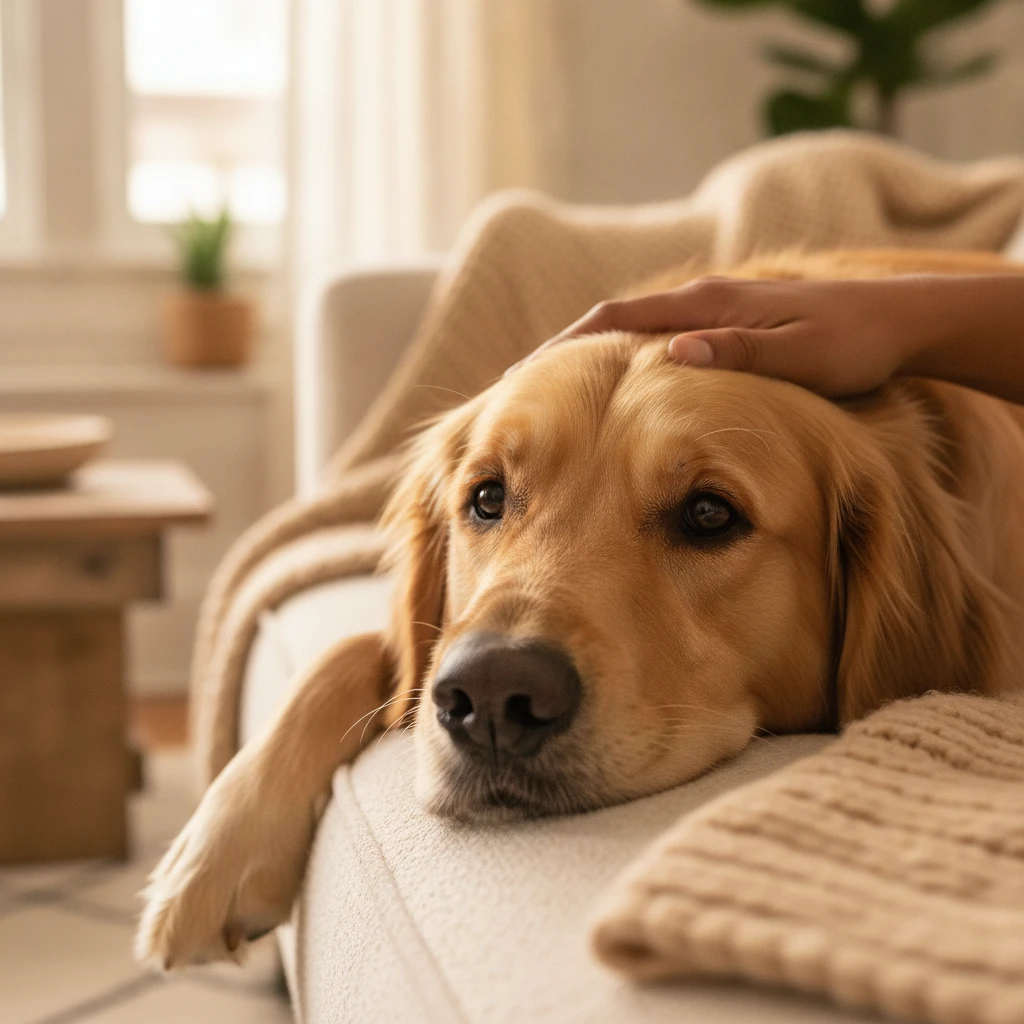
Overcoming the Guilt of Rehoming
Let’s talk about the heavy stuff. The stigma around rehoming is outdated, unfair, and deeply unhelpful to families in crisis.
Society often pushes a narrative that pets are a forever commitment, no matter what. But life doesn’t always play by those rules.
Marriages end, rentals change, and illnesses happen. Addressing emotional concerns for NZ pet owners means validating these very real human struggles without casting blame.
Shifting the Narrative
You are not getting rid of your pet. You are actively securing their future.
When you facilitate a safe pet adoption in NZ, you pass the baton to someone who has the time, space, and resources you might currently lack.
It is an act of deep emotional intelligence and profound love.
Your pet’s happiness is the ultimate goal. If another family can provide that right now, you are making a successful, loving choice.
| Feature | Traditional Shelter Surrender | Home-to-Home Rehoming |
|---|---|---|
| Environment | Unfamiliar, noisy kennels and cages. | Stays safe on your own couch until adopted. |
| Owner Control | Zero control over who adopts the pet. | 100% control over selecting the new family. |
| Euthanasia Risk | High risk if shelters reach full capacity. | Zero risk. The pet is never impounded. |
| Pet History | Often lost in the institutional system. | Passed directly from you to the new owner. |
Empowering Yourself: How to Screen Adopters
When you use a direct home-to-home pet adoption model, you have the final say. That is a huge relief, but it also means you need to ask good questions.
Don’t be afraid to ask about their living situation, their work hours, and their experience with animals.
A genuine adopter will be more than happy to share these details with you. They want to prove they are a good fit.
Trusting Your Gut
If a conversation feels rushed or highly transactional, walk away immediately. You owe them nothing.
You are looking for someone who asks about your pet’s quirks, their favourite treats, and their medical history.
Those are the undeniable signs of a Kiwi family ready to commit to a new companion.
Protecting Your Pet (and Yourself) from Online Scams
While taking control is empowering, the digital world can be a bit of a wild west. You need to stay vigilant.
Facebook groups are often chaotic, unmoderated, and unfortunately, filled with bad actors looking to exploit vulnerable owners.
Other classified sites often treat animals like used furniture rather than living, breathing family members. That is not the environment your pet deserves.
The Risks of Facebook and Classifieds
We hear from stressed owners every week who have been messed around by fake profiles or demanding strangers online.
You need a space that offers structure and accountability. A dedicated platform filters out the noise and connects you with genuine, registered adopters.
This is absolutely vital for your peace of mind during an already turbulent and emotional time.
Never hand over your pet to someone who refuses to meet in person or asks you to ship the animal. Always insist on a physical meet-and-greet.
Legal and Practical Steps for a Safe Handover
Once you have found the perfect match, the emotional weight begins to lift. But there are still a few practical boxes to tick.
A clean, transparent handover ensures the transition is smooth for both the animal and the new family.
Gather all their vet records, favourite toys, and whatever food they are currently eating to send with them on moving day.
- Gather all veterinary records, including vaccination and desexing certificates.
- Pack their favourite toys, blankets, and any remaining food to keep their scent familiar.
- Write down a simple daily routine guide for the new owners to follow.
- Update the microchip details on the New Zealand Companion Animal Register (NZCAR).
Microchips and Council Registrations
Legally, you must ensure the paperwork catches up with the pet’s new living situation. This protects everyone involved.
Remember, digital platforms do not legally transfer ownership — that is a process you and the adopter handle together.
You will need to update their details on the New Zealand Companion Animal Register (NZCAR) and notify your local council.
Ensure you have packed their vet booklet, transferred the microchip via NZCAR, and written down their daily routine for the new owners.
Moving Forward with Peace of Mind
Saying goodbye will always be hard. There is no magic wand to make the tears disappear entirely.
But knowing they are safe, loved, and sleeping in a warm bed makes all the difference in the world.
By addressing emotional concerns for NZ pet owners head-on, we hope to make this journey a little bit lighter for you.
Every pet has a story. Thank you for being brave enough to help them write their next chapter.