
Understanding Adoption Agreements for NZ Pet Owners
Life changes. We get it. Whether it is a sudden move, a new baby, or the mounting financial pressures facing so many Kiwi families right now, making the choice to rehome a pet is never easy.
It is a decision born out of love, but it often comes wrapped in guilt and anxiety. You want to know your best mate is going to a safe, loving home. You want to ensure they never see the inside of a shelter cage.
That is exactly why Understanding Adoption Agreements for NZ Pet Owners is so incredibly important. A handshake is nice, but a written agreement provides real peace of mind for everyone involved.
By putting everything in plain English on paper, you protect the animal, clarify the expectations, and take full control over your pet’s future. Let’s walk through how to do this right, without the legal jargon or the stress.
Key Takeaways
Understanding Adoption Agreements for NZ Pet Owners means creating a clear, written record of the handover. It should detail the pet’s medical history, outline a trial period, and confirm the legal transfer of ownership. This ensures the pet stays safe, council records are updated, and both families have total peace of mind.
Why a Written Agreement Matters for Your Peace of Mind
Handing over the leash or the cat carrier is an incredibly emotional moment. Without a proper document in place, that moment can be clouded by “what ifs” and unspoken assumptions.
A written agreement removes the guesswork. It ensures the new family understands the pet’s quirks, dietary needs, and medical history right from day one.
More importantly, it establishes a clear boundary. You are passing the baton of care to someone new, and a signed document validates that trust.
The Emotional Relief of Certainty
When you rehome a pet directly, you skip the institutional middleman. Your pet stays on their familiar couch until the right adopter says yes.
But with that direct connection comes a need for clarity. An adoption agreement acts as a safety net. If things don’t work out during the first few weeks, the agreement can specify that the pet comes back to you, rather than ending up in a crowded pound.
Trust your gut. You’ll know when it’s right. But having it in writing lets you sleep at night knowing you’ve done everything possible to secure their future.
Breaking the Shelter Cycle
Right now across Aotearoa, the cost of living is pushing local shelters to breaking point. Many families are facing impossible choices.
By choosing a home-to-home adoption and backing it up with a solid agreement, you are actively keeping your pet out of that overwhelmed system. You are part of the “zero cage time” movement.
The Legal Side: What the Law Says in Aotearoa
Let’s be clear — Pet Rescue NZ isn’t a law firm, and we don’t offer legal guarantees. We are a community platform designed to help good people find each other.
However, Understanding Adoption Agreements for NZ Pet Owners requires a basic grasp of the rules we all live by here in New Zealand. The law places the responsibility firmly on the owner’s shoulders until a formal handover occurs.
The Animal Welfare Act 1999
In New Zealand, the Animal Welfare Act 1999 dictates a strict “Duty of Care”. This means whoever is currently in charge of the animal must provide proper food, shelter, and medical attention.
When you sign an adoption agreement, you are formally transferring this Duty of Care to the new family. It is a serious commitment that shouldn’t be taken lightly.
The document proves that you haven’t abandoned the animal, but rather thoughtfully transitioned them to a new, capable guardian.
The Dog Control Act 1996
If you are rehoming a dog in Auckland — or anywhere else in the country — the Dog Control Act 1996 has very specific rules.
You cannot just hand over the leash and walk away. The law requires you to notify your local council of the change of ownership within 14 days.
Your adoption agreement should explicitly state who is responsible for updating the council registration and the New Zealand Companion Animal Register (NZCAR) microchip details.
If you fail to update the council and the microchip registry, you remain legally liable if the dog gets out, causes damage, or ends up in the pound. Always complete the council transfer forms together on handover day.
Essential Elements of a Solid Adoption Agreement
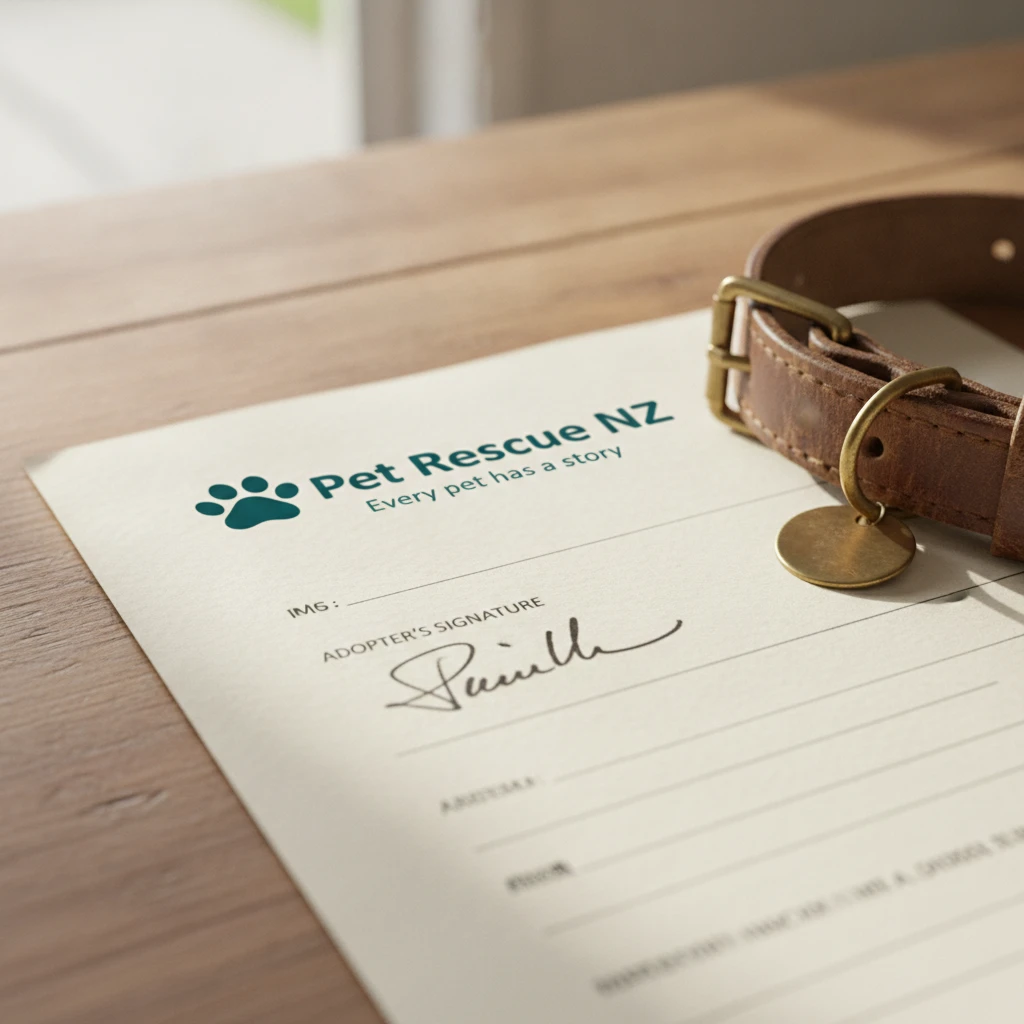
You don’t need a lawyer to draft a good agreement. Plain English is always best. It just needs to cover the practical realities of the pet’s life.
Every pet has a story — let’s help write the next chapter by ensuring the new owners know exactly what they are signing up for.
Pet Details and Medical History
Start with the basics. Include the pet’s name, age, breed, microchip number, and any distinct physical markings.
Next, outline their medical history. Are they desexed? When were their last vaccinations? Do they have any ongoing health conditions or allergies?
Honesty is crucial here. If your cat has a sensitive stomach or your dog is afraid of thunderstorms, put it in the agreement. Transparency prevents failed adoptions.
Transfer of Ownership Clauses
This is the core of the document. It should clearly state that you are transferring all rights and responsibilities to the adopter.
Include a clause stating that no money is changing hands for profit. If there is a small rehoming fee to cover recent vet bills, document it clearly.
Remember, Pet Rescue NZ enforces a strict policy against commercial breeders. We are here for genuine pet adoption agreements in NZ, not for selling animals.
Trial Periods and Return Policies
Sometimes, despite everyone’s best intentions, a new living situation just doesn’t work out. It happens, and it’s okay.
A good agreement includes a “trial period” — usually two to four weeks. During this time, if the pet isn’t settling in, the adopter agrees to return the pet directly to you.
This clause alone provides massive emotional relief. It guarantees your pet won’t be passed on to a stranger or surrendered to a shelter if the adoption fails.
Comparing Rehoming Options in New Zealand
When you are looking to find a new home for your pet, the landscape can feel overwhelming. Not all platforms or methods offer the same level of safety and support.
We believe in keeping things transparent. Here is a look at how different rehoming avenues compare when it comes to the welfare of your pet.
| Rehoming Method | Pet’s Living Situation | Owner Control | Safety & Vetting |
|---|---|---|---|
| Pet Rescue NZ (Home-to-Home) | Stays safely on their own couch | 100% control over who adopts | High (Scam awareness, direct messaging) |
| Physical Shelters (e.g., SPCA) | Often involves cage time / waitlists | Zero control after surrender | High (Institutional vetting) |
| Facebook Groups | Stays at home | High control, but chaotic | Very Low (Unmoderated, scam-heavy) |
| Generic Classifieds | Stays at home | High control | Low (Highly transactional, treats pets like furniture) |
Why Direct Handover is the Safest Choice
Institutions do incredible work, but they are physically maxed out. Bypassing the shelter system means zero cage time for your pet.
It also means the new family gets to learn your pet’s true personality directly from you. No middlemen. Just good people finding each other.
How to Structure Your Handover Day
The day your pet leaves with their new family is going to be tough. Preparing in advance makes the process smoother for everyone, especially the animal.
Having your paperwork sorted and a clear plan in place removes the last-minute panic. It allows you to focus purely on saying a proper goodbye.
Meeting on Neutral Ground
For dogs especially, it is often best to do the final handover in a neutral space, like a quiet local park. This prevents territorial behaviour.
Let the dog approach the new owners naturally. Keep the energy calm and positive. Animals pick up on our stress, so take a deep breath.
Passing the Baton (and the Paperwork)
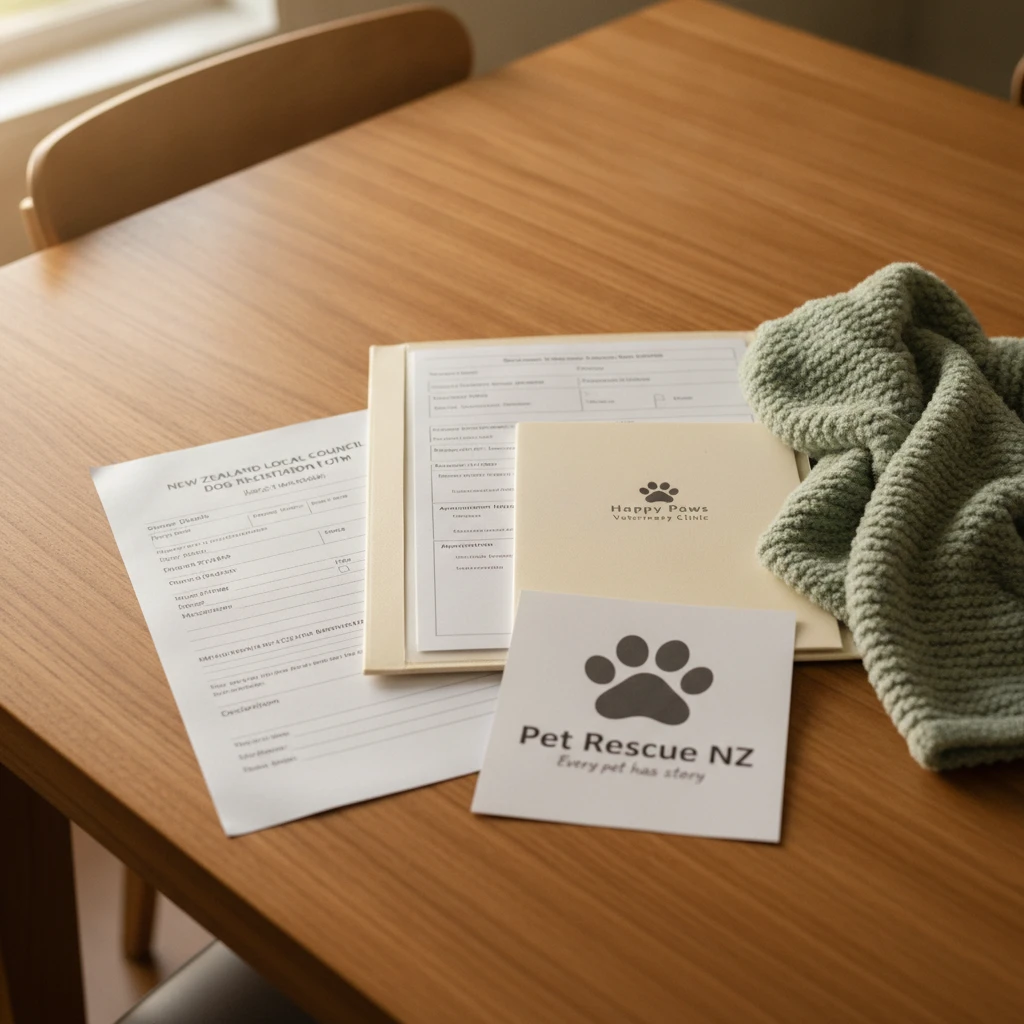
Bring two printed copies of your adoption agreement. Both parties should sign both copies, so everyone walks away with a physical record.
Hand over any remaining food, familiar toys, and their bed. These familiar scents are crucial for helping them settle into their new environment.
Make sure you have: Two copies of the signed agreement, physical vet records, the NZCAR microchip transfer form, their current food, and their favourite blanket.
Protecting Yourself from Online Scams
Unfortunately, the internet isn’t always a safe place. While Pet Rescue NZ works hard to provide a secure platform, you still need to keep your guard up.
Scammers often prey on the emotional vulnerability of rehoming. They might ask for transport fees upfront or refuse to meet in person.
Spotting the Red Flags
Never hand over a pet to someone who refuses to do a video call or an in-person meet-and-greet. A genuine Kiwi family will want to meet the animal first.
If someone tries to rush the process or offers to send a “courier” to pick up the pet, walk away. Understanding Adoption Agreements for NZ Pet Owners means knowing who you are actually signing the paperwork with.
Ask the adopter for a reference from their current vet or landlord. Genuine animal lovers will have no problem providing this to prove they are ready to take on the responsibility.
Frequently Asked Questions
Navigating the legal and emotional aspects of rehoming can bring up a lot of questions. Here are the most common things Kiwi families ask us about the process.