Advanced pet care NZ involves a holistic, proactive approach to animal welfare tailored to New Zealand’s unique environment, focusing on superior nutrition, mental enrichment, and preventative veterinary medicine. It requires owners to navigate local challenges, such as specific parasites and flora, to ensure rescue pets transition from survival to thriving for maximum longevity.
For many New Zealanders, pets are not merely property; they are integral members of the whānau. While basic care covers food, water, and shelter, advanced pet care moves beyond the fundamentals into the realm of optimizing healthspan—the period of life spent in good health. This is particularly crucial in the niche of pet rescue, where animals often come with unknown histories, trauma, or neglected medical needs. Whether you have adopted a retired working dog, a rescue kitten, or a senior companion, understanding the nuances of advanced care is the key to unlocking their full potential.
This guide serves as a definitive resource for Kiwi owners dedicated to elevating their standard of care. By integrating veterinary science with holistic wellness strategies, we can address the specific challenges posed by New Zealand’s climate, lifestyle, and biodiversity.
Comprehensive Guides for Optimal Pet Health
Achieving optimal health requires a shift in mindset from reactive to proactive care. In the context of New Zealand rescue pets, this often begins with a thorough assessment of the animal’s baseline health. Many rescue animals arrive with underlying issues that standard check-ups might miss. Advanced care advocates for comprehensive blood panels, genetic testing for breed-specific predispositions, and a detailed analysis of the animal’s microbiome.
Establishing a Baseline with NZ Veterinary Standards
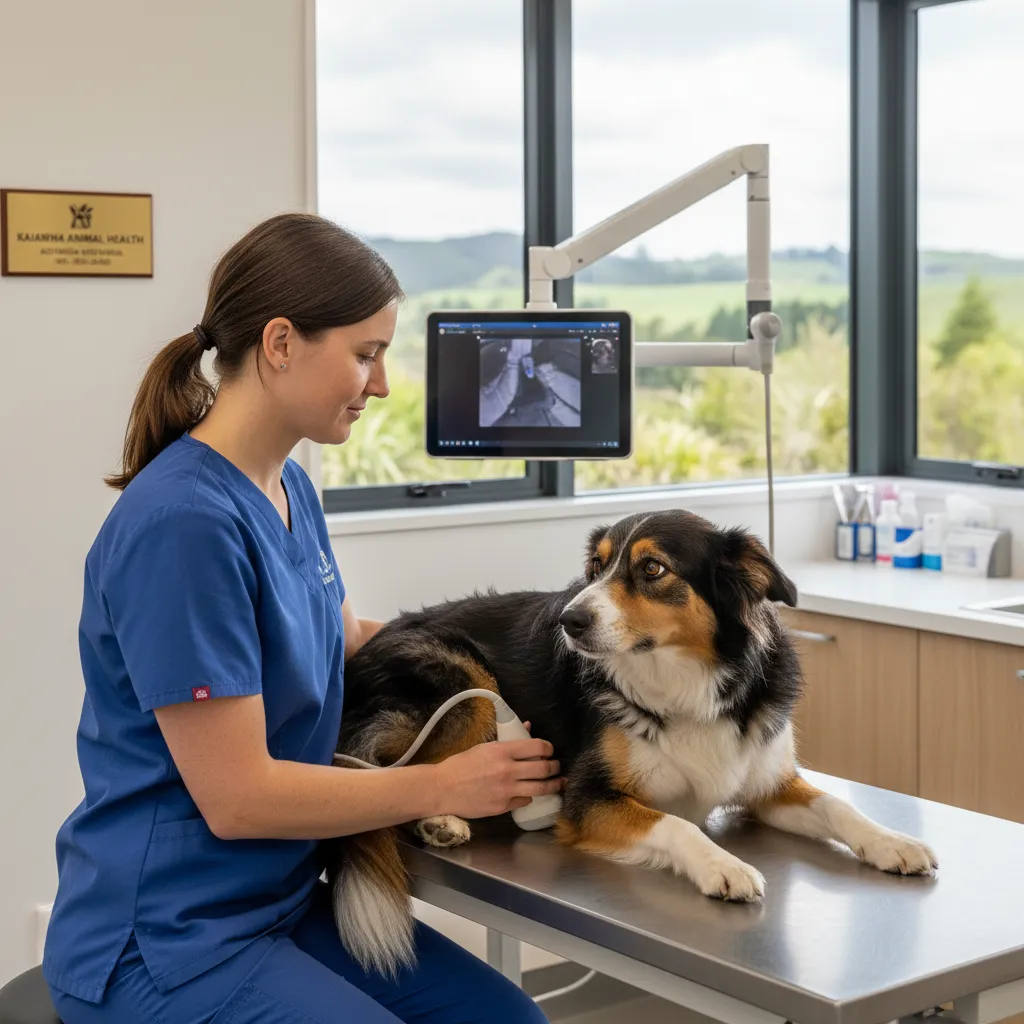
New Zealand has high veterinary standards, and utilizing these resources is the first step. Advanced care involves seeking clinics that offer “Fear Free” certification, which is vital for rescue animals that may harbor anxiety regarding handling. A comprehensive health plan should include annual dental radiographs—not just visual inspections—and establishing a baseline for organ function early in the pet’s life. This allows veterinarians to detect subtle changes in liver or kidney function years before they become critical issues.
Holistic Integration
Optimal health is not strictly clinical. It involves integrating environmental management with medical care. For example, New Zealand’s high UV index requires owners of white or light-haired pets (cats and dogs) to be vigilant about sun protection to prevent squamous cell carcinoma. Advanced care includes applying pet-safe sunscreen and managing outdoor hours. Furthermore, understanding the impact of indoor air quality, specifically in damp NZ homes, is crucial for respiratory health, particularly in brachycephalic breeds and cats with asthma.
Understanding Nutrition, Exercise, and Mental Well-being
Nutrition is the cornerstone of wellness. In the advanced pet care sphere, the “one bag fits all” approach is obsolete. Kiwi pet owners are increasingly looking toward biologically appropriate diets that leverage New Zealand’s high-quality agricultural exports.
Advanced Nutritional Strategies
Feeding a rescue pet goes beyond calorie counting. It involves understanding macronutrient profiles and bioavailability. Advanced nutrition often incorporates:
- Rotational Feeding: Alternating protein sources (e.g., lamb, venison, salmon) to improve gut microbiome diversity and reduce the likelihood of developing food intolerances.
- Functional Superfoods: Utilizing local ingredients like Green-Lipped Mussel (Perna canaliculus) for joint health and Manuka honey for immune support.
- Hydration Management: Especially for cats, moving away from dry-only diets to high-moisture diets to prevent renal issues common in felines.
It is essential to consult with a veterinary nutritionist to balance home-prepared or raw diets, ensuring that calcium-phosphorus ratios are correct, a common pitfall for enthusiastic but uninformed owners.
Tailored Exercise Regimens
Exercise in New Zealand offers diverse opportunities, from bush walks to beach runs. However, advanced care dictates that exercise must be tailored to the individual’s age, breed, and physical condition. For rescue dogs with unknown histories, high-impact activities should be introduced gradually to prevent soft tissue injuries.
Owners must also be aware of environmental hazards. The black sand beaches of the West Coast can become dangerously hot, causing burns to paw pads. Furthermore, exercising dogs in areas with livestock requires strict adherence to control to prevent stress to farm animals, a legal and ethical responsibility in NZ.
Mental Enrichment and Decompression
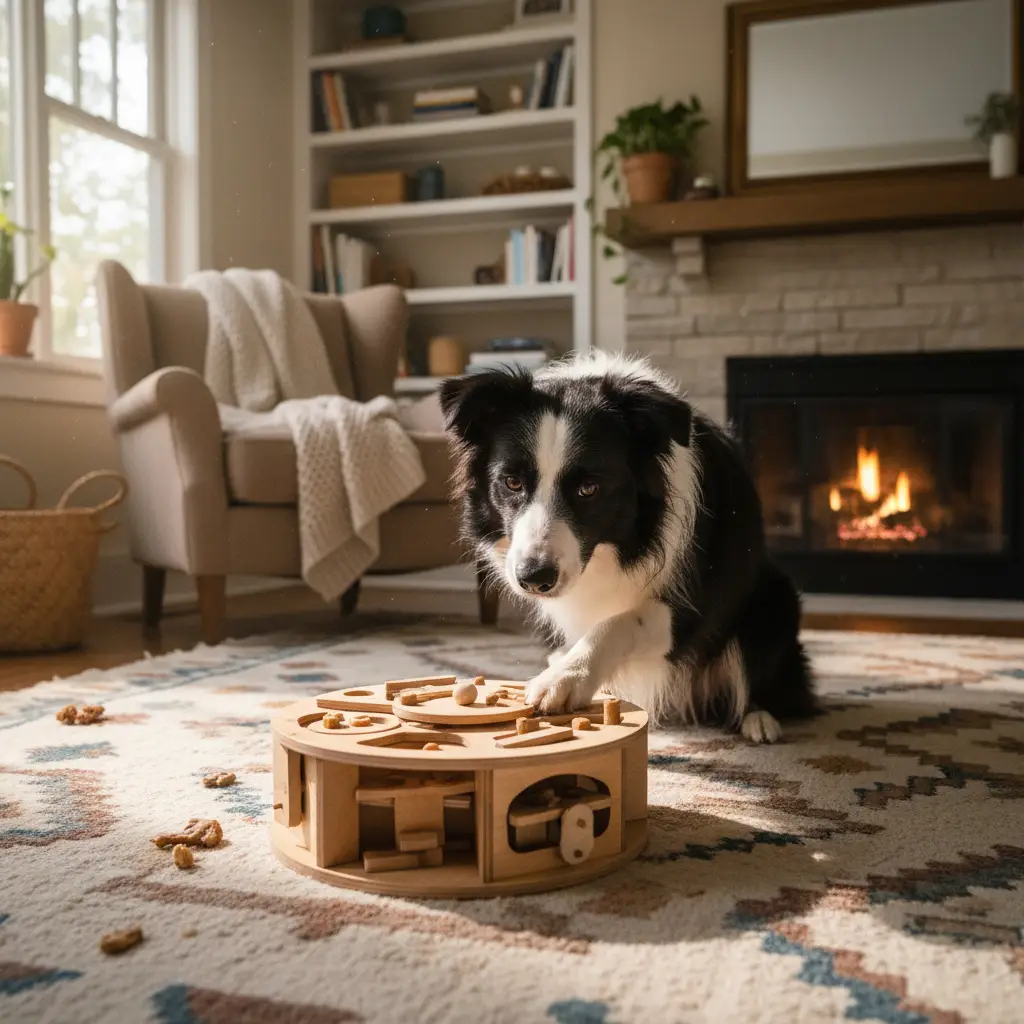
Mental well-being is often the most overlooked aspect of pet care. For rescue animals, “decompression” is vital. This is the period of time a new pet needs to lower their cortisol levels after leaving a shelter environment. Advanced care prioritizes mental stimulation over physical exhaustion.
Enrichment activities include:
- Scent Work: Allowing dogs to “sniffari” rather than heel-walk, engaging their primary sense to lower heart rate and anxiety.
- Puzzle Feeders: Utilizing slow feeders and logic toys to simulate foraging behaviors.
- Training as Bonding: Using positive reinforcement training not just for obedience, but to build confidence and a communication language between owner and pet.
Managing Chronic Conditions and Special Needs
Rescue animals frequently arrive with baggage, be it physical or emotional. Managing chronic conditions requires a multidisciplinary team approach.
Arthritis and Mobility Management
In New Zealand’s often damp and cold climate, osteoarthritis is a significant concern, particularly for senior pets and large breeds. Advanced management moves beyond simple pain relief (NSAIDs) to a multimodal approach. This includes:
- Hydrotherapy: Utilizing underwater treadmills to build muscle mass without weight-bearing stress.
- Laser Therapy: Class IV laser treatments to reduce inflammation at the cellular level.
- Home Modifications: Installing ramps, using non-slip mats on hardwood floors, and providing orthopedic bedding to support aging joints.
Allergies and Dermatology
New Zealand’s flora can be challenging for pets with atopic dermatitis. Plants like Wandering Jew (Tradescantia fluminensis) are notorious for causing contact dermatitis in dogs. Advanced care involves identifying specific environmental triggers through intradermal testing or serology. Management may include immunotherapy (allergy shots), Cytopoint injections, and rigorous paw hygiene routines after walks to remove allergens.
Anxiety and Behavioral Rehabilitation
Many rescue pets suffer from separation anxiety or reactivity. Advanced care treats these as medical conditions involving neurochemical imbalances. It involves collaboration with Veterinary Behaviorists (not just trainers) who can prescribe medication to bridge the gap while behavior modification protocols are implemented. Understanding body language and trigger stacking is essential for owners of reactive dogs.
Preventative Strategies for a Long Pet Life
Prevention is the most cost-effective and humane form of healthcare. In New Zealand, this means understanding specific biological threats.
Parasite Control in the NZ Context
The parasite landscape in NZ is unique. While we do not have heartworm to the same extent as the USA or Australia, it is present in pockets. More pressing are fleas, which can survive year-round in the North Island’s temperate climate, and the prevalence of the Cattle Tick (Haemaphysalis longicornis). Advanced care requires year-round, high-quality preventatives, not seasonal applications.
Furthermore, gastrointestinal worms are a zoonotic risk (transmissible to humans). Families with young children must ensure their pets are dewormed monthly or have fecal egg counts performed regularly to reduce chemical load while ensuring safety. For authoritative information on local parasite risks, refer to the New Zealand Veterinary Association (NZVA) guidelines.
Dental Health Protocols
Periodontal disease is the most common clinical condition in adult dogs and cats. Bacteria from the mouth can enter the bloodstream, affecting the heart, liver, and kidneys. Advanced care treats dental health as a daily commitment.
- Daily Brushing: The gold standard for plaque removal.
- VOHC Accepted Products: Using chews and additives that have the Veterinary Oral Health Council seal of approval.
- Anesthetic Cleanings: recognizing that “anesthesia-free” dentistry is cosmetic and does not address sub-gingival disease where the real damage occurs.
Emergency Planning and Insurance
Veterinary costs in New Zealand are rising due to the availability of advanced treatments like MRI and chemotherapy. Advanced pet care involves financial planning. Pet insurance is highly recommended to avoid “economic euthanasia.” Owners should look for policies that cover hereditary conditions and chronic illness for life.
Additionally, New Zealand is prone to natural disasters such as earthquakes and floods. An advanced care plan includes a “Go-Bag” for your pet, containing medical records, medication, three days of food, and familiar bedding, ensuring their safety during civil defense emergencies. For more on emergency preparedness, resources like SPCA New Zealand offer checklists tailored to local conditions.

Frequently Asked Questions
What are the most common toxic plants for pets in New Zealand?
In New Zealand, common toxic plants include the Karaka tree (berries are highly toxic to dogs), Wandering Jew (causes skin allergies), Lilies (fatal to cats), and various bulbs like daffodils. Owners should inspect their gardens and remove these hazards or supervise pets closely.
How often should I take my rescue pet to the vet in NZ?
Adult pets should visit the vet at least once a year for a comprehensive wellness exam and vaccinations. Senior pets (over age 7) and those with chronic conditions should be seen every six months to monitor their health status proactively.
Is pet insurance worth it for rescue animals in NZ?
Yes, pet insurance is highly recommended. Rescue animals can develop breed-specific or age-related conditions later in life. Insurance provides financial security, allowing you to opt for advanced treatments like surgery or specialist referrals without the burden of immediate high costs.
What is the best diet for a NZ working dog breed?
NZ working breeds (like Huntaways and Heading dogs) often require high-protein, high-fat diets to sustain their energy levels if they are active. However, if they are kept as pets, they need a calorie-controlled diet to prevent obesity, while maintaining high-quality protein for muscle maintenance.
Do I need to worry about ticks on my dog in New Zealand?
Yes, particularly the New Zealand Cattle Tick. While they do not carry paralysis toxins like Australian ticks, they can cause anemia, irritation, and transmit diseases. Tick prevention is especially important in rural areas and the warmer northern regions.
How can I help my rescue dog adjust to a new home?
Follow the “3-3-3 Rule”: 3 days to decompress, 3 weeks to learn the routine, and 3 months to start feeling at home. Provide a quiet space, stick to a consistent schedule, use positive reinforcement, and avoid overwhelming them with new people or places immediately.