Animal rights activism NZ refers to the collective effort to protect animals from exploitation, cruelty, and neglect within Aotearoa through a combination of legislative lobbying, public education, and direct rescue operations. To get involved effectively, individuals must engage with established organizations, participate in parliamentary submission processes to strengthen the Animal Welfare Act 1999, and support local rescue networks.
New Zealand is often marketed to the world as a pristine, nature-loving paradise. However, beneath the clean, green image lies a complex reality regarding the treatment of animals. From intensive agricultural practices to the plight of stray companion animals, the need for robust advocacy is critical. For those passionate about Pet Rescue NZ and broader animal welfare issues, moving from passive concern to active engagement is the most powerful step you can take. This guide serves as a definitive roadmap for becoming an effective advocate for the voiceless in New Zealand.
The Landscape of Animal Rights Activism in NZ
Understanding the distinction between animal welfare and animal rights is the first step in effective activism. While animal welfare focuses on ensuring animals are treated humanely and free from unnecessary suffering (often within systems that still use them for food, entertainment, or research), animal rights advocates argue that animals are sentient beings who should not be viewed as property or commodities at all.
In New Zealand, the legal framework governing these issues is the Animal Welfare Act 1999. This legislation was groundbreaking at the time for recognizing animal sentience, yet many activists argue it lacks sufficient enforcement and contains too many loopholes for industrial practices. Activism in NZ currently operates on two main fronts: reforming these laws to close loopholes (such as those allowing rodeo or greyhound racing) and providing immediate relief to animals in distress through rescue operations.
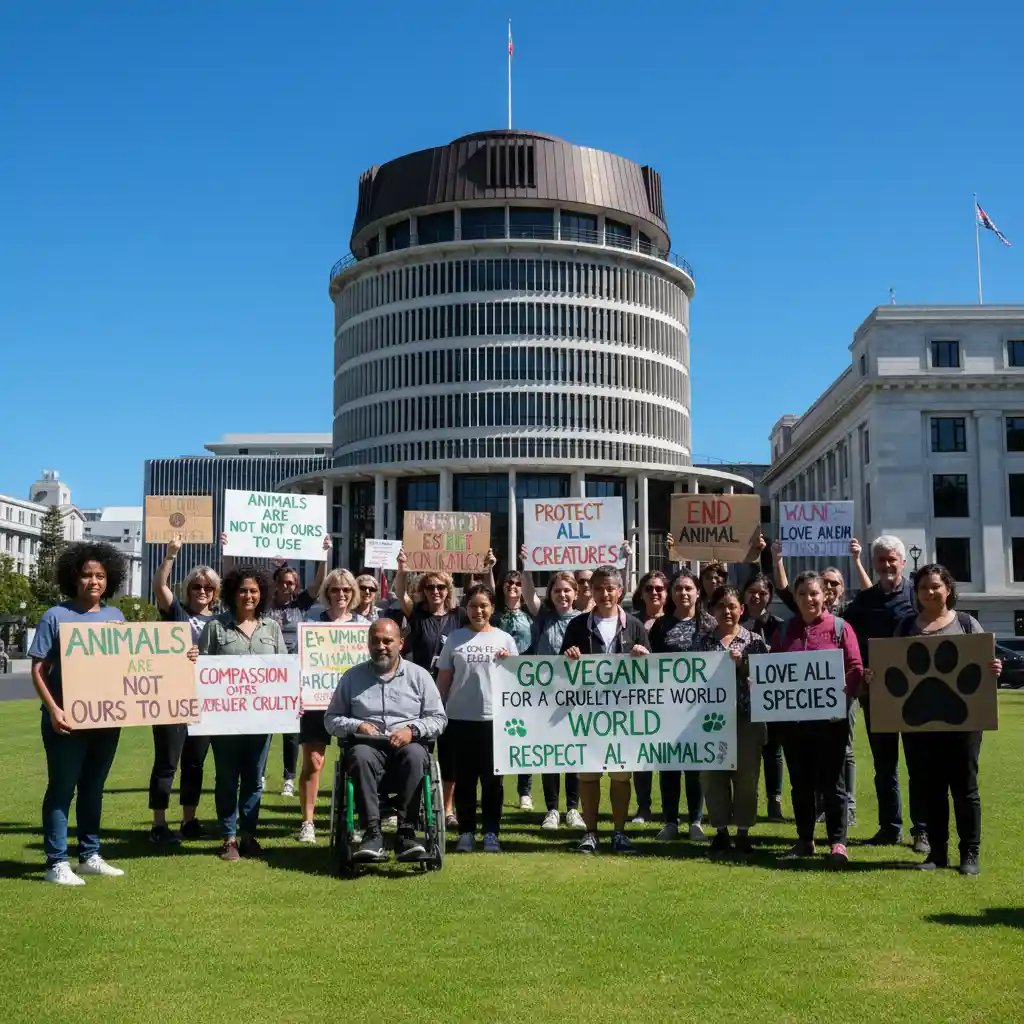
The cultural context of Aotearoa is also unique. With an economy heavily reliant on agriculture, advocating for farmed animals can be contentious. However, the tide is turning. Recent successes, such as the ban on the export of livestock by sea, demonstrate that organized, persistent activism yields tangible results.
Key Organizations Driving Change in Aotearoa
To maximize your impact, it is often best to align with established organizations that have the infrastructure and resources to effect change. Here are the primary pillars of the NZ animal advocacy community:
SAFE (Save Animals From Exploitation)
SAFE is arguably New Zealand’s leading animal rights organization. They focus heavily on high-level campaigns against intensive farming, live export, and animal testing. Their approach combines public awareness campaigns with political lobbying. Getting involved with SAFE often involves signing petitions, attending street protests, or distributing educational literature.
SPCA (Society for the Prevention of Cruelty to Animals)
The SPCA is the only charity in New Zealand with the legal power to enforce the Animal Welfare Act. While they are often viewed as a welfare organization rather than a “rights” group, their role is indispensable. They handle the prosecution of animal cruelty cases. For those interested in law enforcement and immediate rescue, supporting the SPCA is vital.
HUHA (Helping You Help Animals)
HUHA is a leading “no-kill” shelter organization in NZ. They are renowned for their proactive approach to large-scale rescues, such as rehoming battery hens or responding to natural disasters. They bridge the gap between advocacy and hands-on rescue.
NZAVS (New Zealand Anti-Vivisection Society)
For those specifically concerned with the use of animals in science and testing, NZAVS is the primary body fighting to end animal experimentation in Aotearoa. They work closely with the scientific community to promote non-animal testing methods.
Boots on the Ground: Volunteering and Rescue Work
While political change is slow, rescue work saves lives immediately. For the “Pet Rescue NZ” niche, this is where the community most urgently needs support. Shelters across the country are frequently at capacity, and the difference between a dog being euthanized or saved often comes down to the availability of volunteers.
The Critical Role of Foster Care
Fostering is the backbone of animal rescue. By taking an animal into your home temporarily, you free up space in a shelter and provide the animal with a low-stress environment to decompress. This is particularly important for animals recovering from surgery or abuse. Fostering requires patience, but it is one of the most direct ways to participate in animal rights activism NZ.
Transport and Logistics
Rescue organizations often need to move animals across the country—from high-kill pounds to rescue centers, or from fosters to forever homes. “Rescue runs” are a great way to help if you have a vehicle but cannot commit to fostering. Organizations like ‘Pet/Animal Transport NZ’ groups on social media coordinate these relays.
Skill-Based Volunteering
Activism isn’t just about holding signs or cleaning kennels. Rescues are desperate for professional skills. If you are an accountant, a graphic designer, a web developer, or a lawyer, your pro bono services can save a charity thousands of dollars—money that can then be spent directly on vet bills.
Political Advocacy: Influencing Legislative Change
To achieve long-term, systemic protection for animals, laws must change. In New Zealand, the parliamentary process allows for significant public input, but you must know how to navigate it.
Making Submissions to Select Committees
When a new Bill is introduced (e.g., an amendment to the Animal Welfare Act), it is sent to a Select Committee. This committee invites the public to make submissions. This is your chance to have a say on the official record.
Writing a submission is easier than most people think:
- Be Concise: State clearly whether you support or oppose the bill.
- Provide Evidence: Use facts and personal experiences rather than just emotion.
- Request to Speak: You can ask to present your submission orally to the committee, which carries more weight.
Lobbying Your Local MP
Members of Parliament (MPs) are your representatives. Schedule meetings with your local MP to discuss animal welfare issues. If they know their constituents care deeply about banning rodeo or ending greyhound racing, they are more likely to vote in favor of those bans. You can find contact details for all MPs on the New Zealand Parliament website.
Petitions
Official parliamentary petitions can force the government to respond to an issue. While online petitions (like Change.org) raise awareness, a petition submitted directly to the House of Representatives formally enters the legislative record and must be addressed by a Select Committee.
Effective Communication for Animal Welfare
How you deliver the message is just as important as the message itself. Aggressive tactics often alienate the very people you are trying to persuade. To be a successful advocate, one must master the art of effective communication.

The Socratic Method
Instead of telling people they are wrong, ask questions that lead them to their own conclusions. For example, rather than attacking a farmer, you might ask, “Do you think the current regulations effectively protect the animals’ welfare during winter grazing?” This opens a dialogue rather than a debate.
Focus on Common Ground
Most New Zealanders consider themselves animal lovers. Start there. Almost everyone agrees that cruelty is wrong. Build your argument from that shared value. If you are advocating for veganism, focus on the health and environmental benefits as well as the ethical ones, as different angles resonate with different people.
Social Media Advocacy
Social media is a double-edged sword. It is a powerful tool for sharing petitions and urgent rescue pleas, but it can also become an echo chamber. Ensure your content is fact-checked. Sharing misinformation damages the credibility of the entire movement. Use high-quality images and clear calls to action (CTA).
Sustainable Activism: Managing Compassion Fatigue
One of the biggest threats to the animal rights movement in NZ is the burnout of its activists. This is often referred to as “compassion fatigue” or “secondary traumatic stress.” Constant exposure to animal suffering, combined with the feeling that change is too slow, can be debilitating.
To advocate effectively for the long haul, you must prioritize your mental health:
- Set Boundaries: You do not need to say yes to every foster dog or attend every protest.
- Celebrate Wins: Focus on the animals that were saved and the laws that were passed.
- Connect with Community: Surround yourself with supportive peers who understand the emotional toll of the work.
By taking care of yourself, you ensure that you can continue to be a voice for the animals for years to come. Whether you are fostering a puppy for a local rescue or lobbying Parliament to ban cosmetic testing, every action counts in the fight for animal rights activism NZ.