Animal welfare problems NZ encompass critical issues such as unregulated puppy farming, the long-term tethering of dogs, the mismanagement of stray populations, and the complexities of the exotic pet trade. Despite New Zealand’s reputation as a nation of animal lovers, systemic gaps in enforcement and legislation often leave vulnerable animals without adequate protection or care.
The Reality of Puppy Farming in New Zealand
When discussing animal welfare problems NZ faces, puppy farming—often referred to as commercial mass breeding—is frequently cited as one of the most pressing concerns. Unlike responsible breeders who prioritize genetic health, temperament, and the well-being of the parent dogs, puppy farms operate on a high-volume, low-welfare model designed to maximize profit at the expense of the animals.
In New Zealand, the term ‘puppy farm’ does not currently have a distinct legal definition under the Animal Welfare Act 1999. This legislative ambiguity creates a significant loophole. Commercial breeders can operate legally provided they meet the minimum standards of care outlined in the Code of Welfare for Dogs. However, these minimum standards often fall short of providing a life worth living. Dogs in these facilities may have food, water, and shelter, but they frequently lack socialization, enrichment, and love. Breeding bitches are often treated as mere production units, bred back-to-back until their bodies are exhausted, at which point they are often discarded or euthanized.
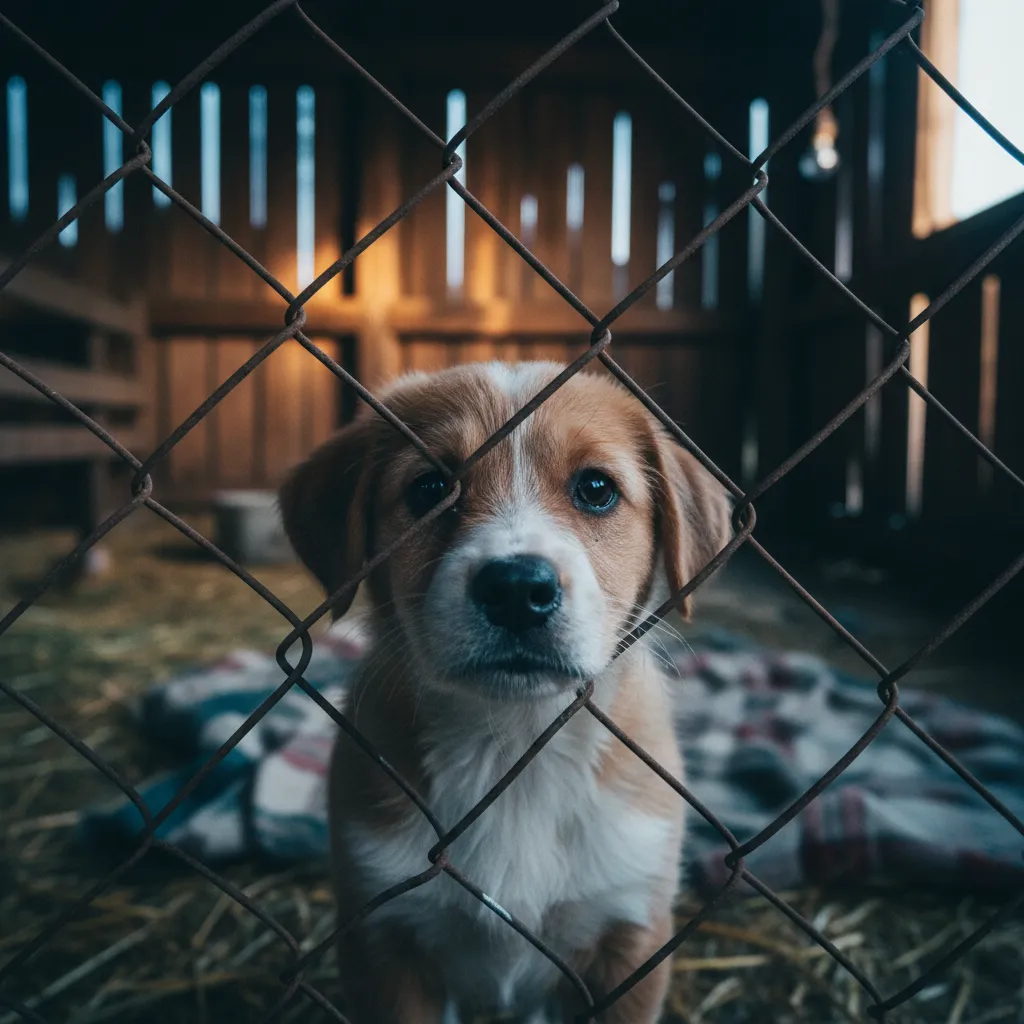
The consequences of these operations are severe and far-reaching. Puppies born in these environments are often separated from their mothers too early and denied critical socialization periods. This leads to long-term behavioral issues, including severe anxiety, aggression, and an inability to bond with humans. Furthermore, because indiscriminate breeding does not screen for genetic defects, these puppies often suffer from congenital health problems such as hip dysplasia, heart defects, and respiratory issues. For the unsuspecting families who purchase these puppies—often online or through third-party sellers—the result is emotional heartbreak and exorbitant veterinary bills.
Addressing this issue requires a multi-faceted approach involving stricter regulations, mandatory registration of breeders, and public education. Prospective pet owners must be educated on how to spot a puppy farm. Red flags include sellers who refuse to let you see the puppy with its mother, breeders who offer to meet in a public place like a car park, and those who have multiple litters available year-round. By cutting off the demand, New Zealanders can force these unethical operations out of business.
The Impact of Tethering and Long-Term Confinement
Another significant aspect of animal welfare problems NZ struggles with is the practice of long-term tethering or chaining of dogs. While the image of a ‘farm dog’ on a chain is part of rural iconography, the reality for many animals is a life of frustration, boredom, and physical suffering. Tethering is not limited to rural areas; it occurs in urban backyards where dogs are left tied up for hours, days, or even their entire lives, often as a cheap alternative to proper fencing.
The psychological impact of tethering is profound. Dogs are naturally social pack animals that crave interaction and mental stimulation. When confined to a small radius by a chain, they suffer from intense social isolation. This frustration often manifests as barrier aggression; a tethered dog is significantly more likely to bite than an untethered one because they cannot flee from perceived threats. This creates a dangerous cycle where the owner becomes afraid of the dog’s aggression and interacts with them even less, worsening the behavior.
Physically, tethering poses serious risks. Dogs can become entangled in their chains, leading to strangulation or limb injuries. In summer, a tethered dog may not be able to reach shade or water if their bowl is knocked over, leading to heatstroke. In winter, they may be unable to access shelter. The constant pulling against a collar can also cause damage to the trachea and neck muscles. Furthermore, tethered dogs are vulnerable to attacks from other roaming animals and cruel individuals.
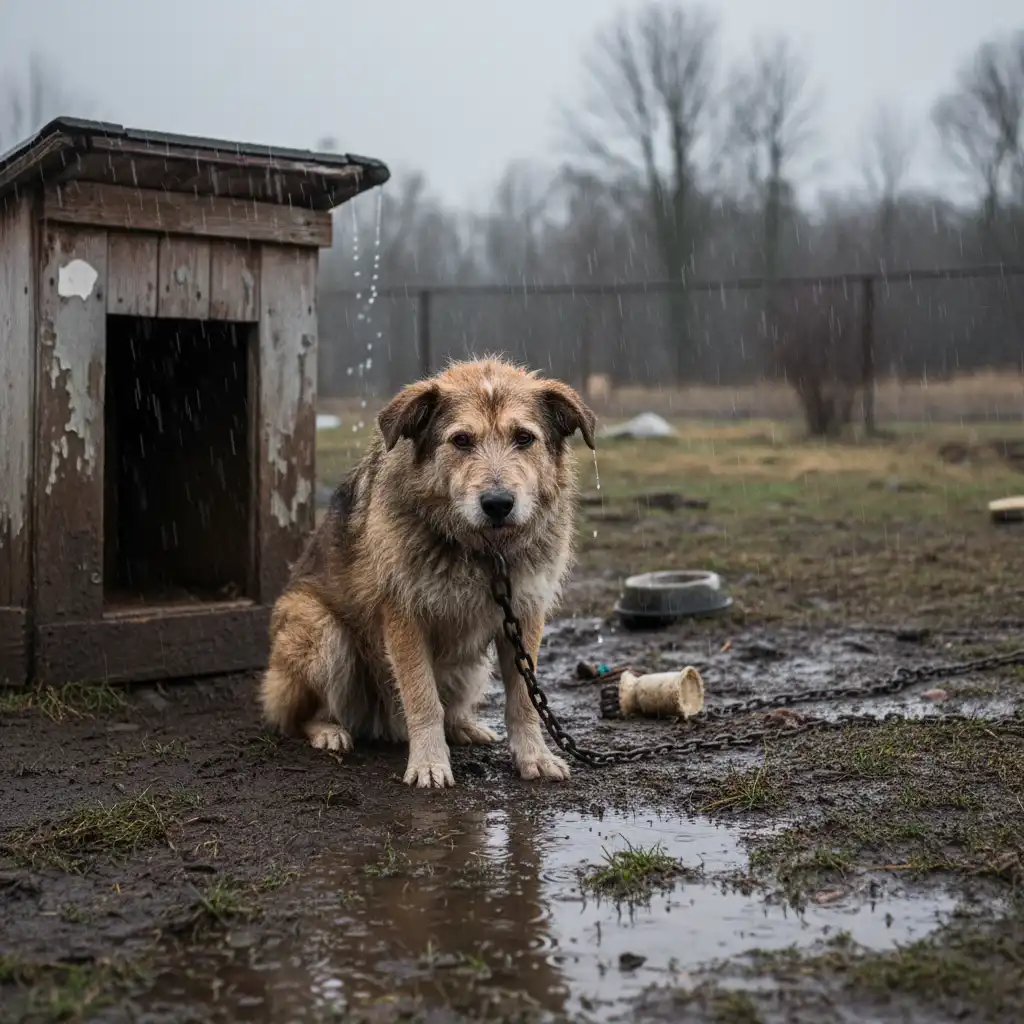
Recent updates to the Ministry for Primary Industries (MPI) regulations have attempted to address this. Under the Animal Welfare (Care and Procedures) Regulations 2018, specific rules were introduced regarding tethering. It is now an infringement offence to tether a dog in a way that causes it distress or injury. However, enforcement remains a challenge. Animal control officers and SPCA inspectors often struggle to prove ‘distress’ until the animal is in a critical condition. Education is vital here; many owners simply do not understand the psychological toll confinement takes on their pet. Promoting alternatives, such as running wires, secure fencing, and indoor integration, is essential for improving the lives of these dogs.
Concerns Around the Exotic Pet Trade
While cats and dogs dominate the conversation, the welfare of exotic pets is a growing concern in New Zealand. This category includes turtles, lizards, exotic birds, and certain fish species. The core of the problem lies in the specific and often complex husbandry requirements these animals have—requirements that the average pet owner is frequently ill-equipped to meet.
New Zealand’s climate is not naturally suitable for many of these species. For example, red-eared slider turtles, which are commonly sold in pet shops, require specific water temperatures, UV lighting, and basking areas to metabolize calcium and maintain a healthy shell. Without this expensive and technical setup, they suffer from metabolic bone disease, shell rot, and slow, painful deaths. Similarly, exotic birds like parrots are highly intelligent and social creatures. Keeping a parrot in a small cage without constant mental stimulation is akin to solitary confinement for a human. This leads to self-mutilation, feather plucking, and incessant screaming.
Furthermore, the longevity of these animals is often underestimated. A turtle can live for 30 to 50 years; a cockatoo can live for 80. Many owners purchase these animals as novelties, only to realize they cannot commit to decades of specialized care. This has led to a surge in abandoned exotic pets, overwhelming the few specialized rescue groups that exist in New Zealand. Unlike cats and dogs, there are very few facilities equipped to rehabilitate and rehome reptiles or large birds.
There is also a biodiversity risk associated with the exotic pet trade. When owners tire of their pets, some release them into the wild, believing they are doing the animal a favor. In reality, this is illegal and disastrous. Released red-eared sliders, for instance, have become a pest species in some New Zealand waterways, competing with native wildlife. This intersection of animal welfare and environmental protection highlights the need for tighter restrictions on the sale and ownership of exotic species.
The Crisis of Stray and Neglected Animals
The management of stray and feral animals, particularly cats, is perhaps the most polarized of all animal welfare problems NZ faces. New Zealand has one of the highest rates of cat ownership in the world, but this love for felines has a dark side: a massive population of unowned, stray, and feral cats.
Stray cats—those that were once owned but have been lost or abandoned—suffer immensely. They are prone to disease, starvation, and injury from cars or fights with other animals. Unlike feral cats, which are born wild and are fearful of humans, stray cats are often domesticated animals that lack the survival skills to fend for themselves. The welfare of these individual animals is often pitted against the conservation needs of New Zealand’s native wildlife, as cats are apex predators that hunt native birds and lizards.
Rescue organizations are in a constant state of crisis management regarding this issue. ‘Kitten season’ (spring and summer) sees shelters inundated with unwanted litters. This overpopulation is driven by a lack of desexing. While many responsible owners desex their pets, a significant number do not, either due to cost or the misconception that a cat should have ‘one litter’ before being fixed. The resulting surplus of animals leads to high euthanasia rates in some regions simply due to a lack of resources and homes.
The solution requires a national strategy for cat management, something that has been politically difficult to achieve. Mandatory microchipping and desexing would help curb the population growth and assist in reuniting lost pets with owners. Trap-Neuter-Return (TNR) programs are advocated by some welfare groups to manage colony numbers humanely, though these are controversial in areas with high ecological value. Ultimately, the burden falls heavily on the charitable sector, which relies on donations to provide veterinary care, foster homes, and rehabilitation for these neglected animals.
Solutions: How to Address Welfare Issues
Solving the myriad of animal welfare problems NZ faces requires action from legislators, organizations, and the general public. While the government sets the legal framework, real change often starts at the community level. Here are actionable ways to contribute to the solution:
Adopt, Don’t Shop
The most direct way to combat puppy farming and backyard breeding is to adopt from reputable shelters and rescue organizations. By choosing to rescue, you are saving a life and opening up a space for another animal in need. If you must buy a purebred, do extensive research. Visit the breeder, see the parents, and ask for health clearances. Never buy a pet from a pet shop or an online classified ad without verifying the source.

Advocate for Legislative Change
Laws like the Animal Welfare Act 1999 are living documents that can be amended. Support organizations that lobby for stronger penalties for animal cruelty, the banning of greyhound racing, and the regulation of cat ownership. Writing to your local MP or making submissions on proposed law changes ensures that animal welfare remains on the political agenda.
Report Neglect
If you see something, say something. Many cases of abuse, such as tethering or hoarding, go unreported because neighbors do not want to get involved. However, animal control and the SPCA cannot act if they do not know about the situation. Reporting concerns can be done anonymously and may save an animal’s life.
Support Desexing Initiatives
Supporting charities that offer low-cost desexing helps tackle the root cause of the stray population. Donating to these causes or volunteering your time helps these organizations extend their reach into vulnerable communities where the cost of veterinary care is a barrier.
In conclusion, while New Zealand faces significant challenges regarding animal welfare, the pathway to improvement is clear. It requires a shift in cultural attitudes, stricter enforcement of existing laws, and a compassionate commitment from the public to treat all animals with the dignity they deserve.
Frequently Asked Questions
What are the main animal welfare issues in New Zealand?
The primary animal welfare issues in NZ include unregulated puppy farming, the long-term tethering of dogs, the overpopulation of stray and feral cats, and the mismanagement of exotic pets due to improper environments.
Is puppy farming illegal in NZ?
Puppy farming is not explicitly illegal in New Zealand as a specific category. However, breeders must comply with the Animal Welfare Act 1999. Unfortunately, loopholes allow high-volume commercial breeders to operate if they meet minimum survival standards.
Can you keep a dog tied up all day in NZ?
Under the 2018 regulations, it is an offence to tether a dog in a manner that causes distress or injury. While not a blanket ban on all tethering, the law requires that dogs have access to water, shelter, and are not left in conditions that compromise their health.
Who do I report animal neglect to in NZ?
You should report animal neglect or cruelty to the SPCA or your local council’s animal control unit. For urgent welfare concerns involving farm animals, you can also contact the Ministry for Primary Industries (MPI).
Why are there so many stray cats in NZ?
The stray cat population is driven by high rates of pet ownership combined with a lack of mandatory desexing and microchipping. ‘Kitten season’ results in thousands of unwanted litters annually, overwhelming rescue centers.
What does the Animal Welfare Act 1999 cover?
The Animal Welfare Act 1999 establishes the legal obligations for the care of animals in NZ. It covers physical, health, and behavioral needs, ensuring animals have proper food, water, shelter, and protection from pain and distress.