
Making the decision to rehome a dog is one of the heaviest choices a Kiwi family can face. The guilt can keep you awake at night, and the fear of judgment from others only makes it harder. But the reality is that life in Aotearoa right now is incredibly tough for many households.
Circumstances change abruptly. Landlords say no to pets, finances dry up, or family dynamics shift unexpectedly. If you are reading this, you are already putting your dog first. You are looking for a safe, responsible way forward that protects their wellbeing.
This isn’t about giving up or walking away from a commitment. It is about taking control of your pet’s future and ensuring they get the life they deserve. Let’s walk through this process together, step by step.
Key Takeaways
Coping with Rehoming: A Guide for NZ Dog Owners involves accepting that life changes are normal and prioritizing your dog’s welfare. By choosing direct home-to-home adoption platforms over overwhelmed physical shelters, you maintain total control, ensure zero cage time, and directly hand your pet to a thoroughly screened Kiwi family.
The Reality of Rehoming in New Zealand Today
Right now, the New Zealand pet welfare sector is buckling under immense pressure. The cost of living crisis has forced thousands of loving, responsible owners into impossible situations. You are absolutely not alone in this struggle.
Recent 2026 data shows that nearly 1 in 6 NZ pet owners have considered rehoming their pet due to severe financial strain. Over 30% of owners are skipping basic household essentials just to afford pet care. Another 30% are delaying necessary vet visits because the funds simply aren’t there.
When the money runs out, the guilt sets in fast. But holding onto a dog when you can no longer provide the care they need isn’t fair to them, and it isn’t fair to your family. Rehoming is a brave, selfless decision when done correctly and with empathy.
Why Traditional Shelters Are Under Pressure
For decades, the default advice for rehoming a pet was to drop them off at the local SPCA or council pound. Today, that system is dangerously overwhelmed and physically maxed out. Traditional physical shelters are no longer a viable safety net for all animals in Aotearoa.
The statistics coming out of our largest city are heartbreaking. In the 2024/2025 financial year, Auckland Council impounded a staggering 10,214 dogs. Shelters are operating at or near capacity at all times, leaving staff with impossible choices.
Tragically, Auckland Council data shows that 6,079 dogs were euthanised in that single 12-month period. That is a euthanasia rate of nearly 60%. Sending a healthy dog into an overcrowded institutional system carries immense risks.
Surrendering your dog to a physical pound or shelter means losing all control over their outcome. With shelters operating at over-capacity, healthy dogs face the very real risk of euthanasia due to a lack of physical space.
The No-Shelter Movement: A Safer Way to Rehome
This is where the No-Shelter movement comes in to provide a much better alternative. At Pet Rescue NZ, we believe in keeping pets entirely out of stressful shelter environments. We facilitate safe, transparent, and empathetic home-to-home pet adoptions.
Your dog stays safe and comfortable on your own couch until the right family says yes. There are no cages, no concrete floors, and no ticking clocks. You retain 100% control over who takes your pet home.
| Feature | Traditional Shelters | Pet Rescue NZ (Home-to-Home) |
|---|---|---|
| Environment | Cages, high stress, loud noises | Zero cage time, stays at home |
| Owner Control | None. You surrender all rights. | 100% control over the adopter choice. |
| Adopter Insight | Limited history available | Direct communication with you |
Managing the Guilt and Emotional Toll
When you are navigating this journey, Coping with Rehoming: A Guide for NZ Dog Owners is essential to help you process the grief. The stigma around rehoming can be toxic, especially online. People on social media are quick to judge without knowing the reality of your story.
Ignore the chaotic, unmoderated Facebook groups. You do not need to justify your life circumstances to strangers on the internet. Focus entirely on finding the right match for your dog.
It is completely normal to grieve during this process. You are saying goodbye to a beloved family member, and that hurts deeply. Acknowledge the sadness, but anchor yourself to the fact that you are actively securing a better future for them.
Guilt is the most common emotion owners feel when rehoming your dog in NZ. You might feel like you have failed them, but recognizing your limitations is actually an act of deep love. Providing a dog with a fresh start in a home that can meet their needs is responsible ownership.
Dogs are incredibly intuitive creatures. They pick up on household stress, financial tension, and unspoken anxiety. Delaying a necessary rehoming out of guilt can sometimes lead to behavioral issues, making the eventual transition even harder.
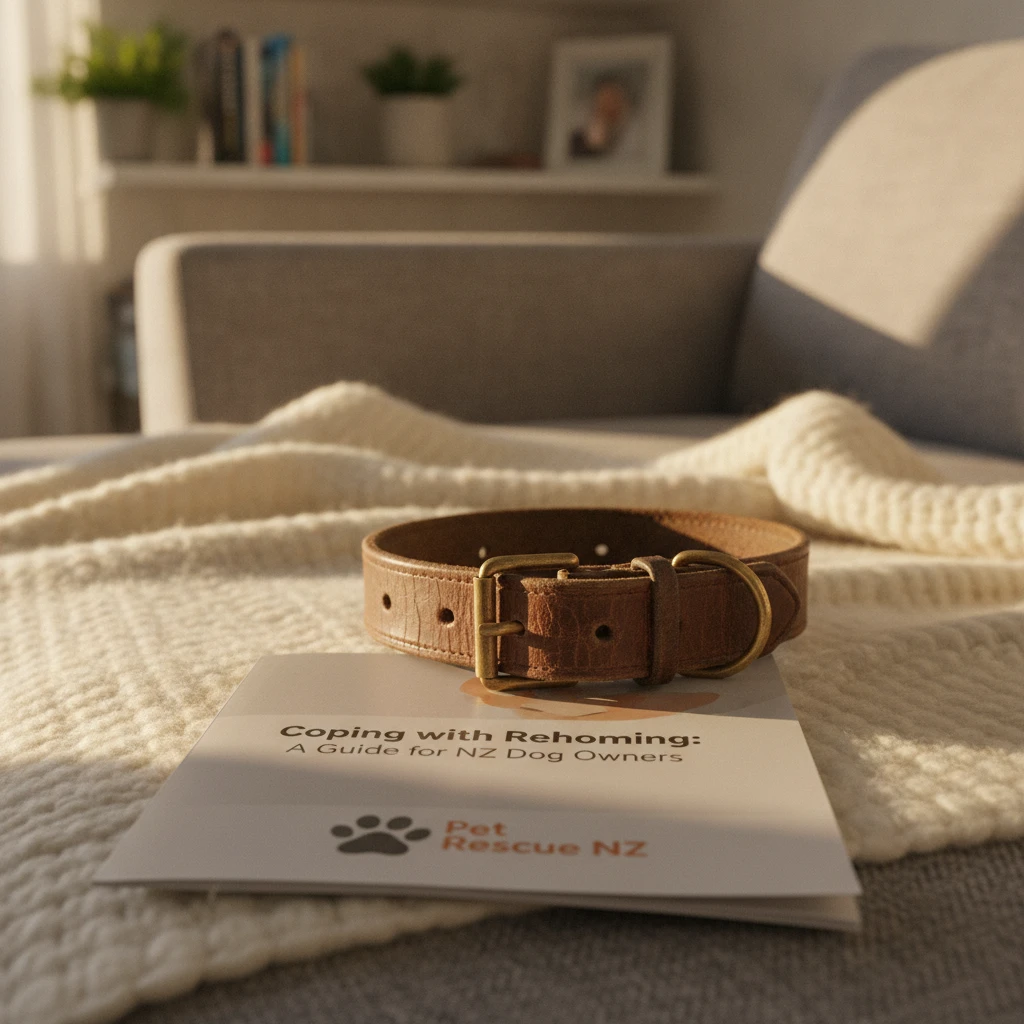
Taking Control of the Adoption Process
As outlined in Coping with Rehoming: A Guide for NZ Dog Owners, taking control of the adoption process changes everything. When you use a dedicated peer-to-peer platform, you are the one making the decisions. You know your dog’s quirks, their favorite toys, and exactly what makes them anxious.
This firsthand knowledge is invaluable to a new adopter. You get to interview the prospective adopters directly and ask the hard questions. This level of transparency is the ultimate cure for rehoming guilt, because you see exactly where your dog is going.
Legal and Practical Steps in Aotearoa
Rehoming a dog isn’t just an emotional process; it involves strict legal responsibilities. Under the Animal Welfare Act 1999, the legal Duty of Care remains strictly with you until the physical handover takes place. You cannot simply abandon a dog or pass them to a stranger without proper vetting.
Pet Rescue NZ acts as the connector, but we do not legally transfer ownership on your behalf. It is your responsibility to ensure the transition is handled correctly and legally. This ensures the safety of both the dog and the new family.
Updating Microchips and Council Registration
The Dog Control Act 1996 requires all dogs over three months old to be registered with their local council. When you rehome your dog, you must officially notify your local council of the change of ownership. Failing to do so means you remain legally responsible for the animal.
You must also update the microchip details. The New Zealand Companion Animal Register (NZCAR) holds the data for over 1.5 million pets. If you do not update the NZCAR, you remain legally tied to the dog if they ever go missing or cause harm.
Once you hand over your dog, you must legally update the local council registration and the New Zealand Companion Animal Register (NZCAR) with the new owner’s details immediately.
How to Screen Adopters Safely
Finding a family is easy, but finding the right family takes patience and careful screening. For safe pet adoption NZ, you must trust your gut instinct. You will know when a connection feels genuine and right.
- Ask about their lifestyle: Do they work long hours away from home? Are they active enough for your specific dog’s energy levels?
- Check their living situation: Do they rent their property? If so, always ask to see written permission from their landlord allowing a dog.
- Arrange a neutral meet-up: Meet in a local park first. Let the prospective adopters interact with your dog in a low-pressure, neutral environment.
- Do a trial run: Consider a weekend sleepover to ensure the dog settles well into the new home before finalizing the permanent paperwork.
Never hand over your dog to someone who refuses to meet in person or asks to send a pet courier. Always insist on a face-to-face handover to ensure the adopter is genuine.
Why Transparency is Crucial for Success
When listing your dog, absolute honesty is non-negotiable. If your dog barks at cats, pulls on the lead, or has separation anxiety, you must state this clearly. Adopters appreciate transparency, and it prevents the dog from being returned later.
Every pet has a unique story and their own set of quirks. By choosing a compassionate, home-to-home approach, you are simply helping them write the next chapter. Honesty ensures that the next chapter is a permanent one.
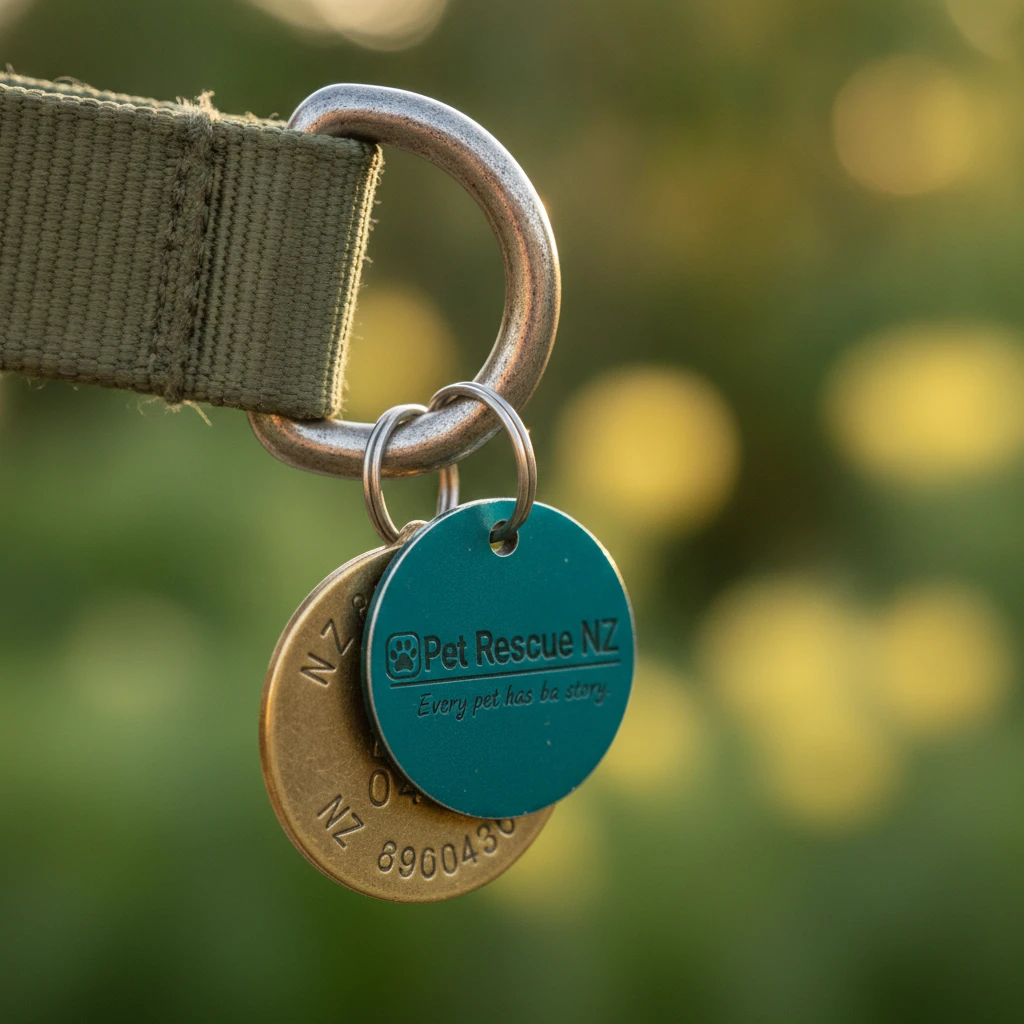
The Next Chapter: Letting Go
We know it hurts right now, and the days leading up to the handover will be incredibly tough. But the moment you see your dog happily settled with a Kiwi family who adores them, the heavy weight of guilt will lift.
You are doing the right thing for your dog. By reading Coping with Rehoming: A Guide for NZ Dog Owners, you are taking the educated, empathetic path. Trust the process, trust yourself, and know that better days are ahead for both of you.
About the Author
Sarah Macpherson is the Community Lead at Pet Rescue NZ and a passionate advocate for animal welfare in Aotearoa. With years of experience guiding Kiwi families through the emotional complexities of pet rehoming, she champions the No-Shelter movement.
Her focus is on providing plain-English, judgment-free support to ensure zero cage time for New Zealand’s pets. This comprehensive resource on Coping with Rehoming: A Guide for NZ Dog Owners was created to empower owners during their toughest moments.