A pet rehoming agreement template nz is a written contract used during the private transfer of a companion animal from one owner to another. It outlines critical terms such as transfer of ownership, medical history, desexing requirements, and a “right of return” clause to ensure the animal is never abandoned if the new placement fails.
Rehoming a beloved pet is one of the most heart-wrenching decisions an owner can face. Whether due to changes in housing, health, or financial circumstances, the priority remains the same: ensuring the animal goes to a safe, loving, and permanent home. While informal verbal agreements are common in New Zealand, they leave too much to chance. A structured, written agreement acts as a safety net, bridging the gap between a personal promise and a verifiable commitment to animal welfare.

Why a Formal Rehoming Agreement is Crucial
In the world of home-to-home rehoming, the goal is to bypass the stress of shelters and kennels, moving a pet directly from one loving environment to another. However, without a formal document, the original owner loses all oversight the moment the pet leaves their property. A formal agreement serves three primary functions: protection, clarity, and deterrence.
1. protecting the Animal’s Future
The most vital component of any rehoming agreement is the safety of the animal. By stipulating conditions regarding the animal’s care—such as where they will sleep, their diet, and veterinary needs—you set a standard of living that the new owner agrees to uphold. Crucially, a well-drafted agreement includes a “safety net” clause, requiring the new owner to return the pet to you if they can no longer care for it, rather than surrendering it to a shelter or selling it online.
2. Establishing Legal Clarity
While New Zealand law views pets as property, the Animal Welfare Act 1999 enforces a duty of care. A written agreement formalizes the transfer of this duty. It proves that ownership has changed hands on a specific date, which is essential for liability purposes. For instance, if the dog causes damage or is involved in an accident shortly after the transfer, the agreement clarifies who is legally responsible.
3. Deterring Unsuitable Adopters
Unfortunately, not everyone searching for free or cheap pets has good intentions. Dog fighters, puppy farmers, and animal hoarders often look for pets with “no strings attached.” presenting a comprehensive rehoming agreement acts as a filter. An individual with ill intent is unlikely to sign a document requiring identification, veterinary references, and a return policy. Someone willing to sign is demonstrating a commitment to transparency and the animal’s well-being.
Key Clauses to Include in Your NZ Agreement
To create a robust document, specific clauses must be included. These ensure that all bases are covered regarding the pet’s health, identity, and future.
Identification and Description
The agreement must explicitly identify the animal. This goes beyond just a name. It should include:
- Breed/Mix: Be as specific as possible.
- Sex and Desexing Status: State clearly if the animal is spayed/neutered.
- Date of Birth/Age: Approximate if unknown.
- Colour and Markings: Distinctive physical traits.
- Microchip Number: This is the most critical identifier in New Zealand.
Medical History and Health Disclosures
Full disclosure is an ethical necessity. The current owner must list all known medical conditions, allergies, and past surgeries. This protects the new owner from unexpected vet bills and ensures the pet receives continuous care. The agreement should state that the new owner accepts the pet in its current condition and assumes financial responsibility for future medical care.
The “Right of Return” Policy
This is the hallmark of ethical rehoming. The clause should state: “If, for any reason, the Adopter is unable to keep the animal, they agree to contact the Original Owner immediately. The animal must not be sold, given away to a third party, or surrendered to a shelter without the Original Owner’s prior written consent.” This ensures the pet does not end up in the pound or in an unsafe environment.
Spay/Neuter Agreement
If the animal is not yet desexed (for example, a puppy or kitten), the agreement should mandate that the new owner performs this procedure by a certain age. You may request proof of the procedure (a vet certificate) be sent to you by a specific date.
Rights and Responsibilities of Both Parties
A successful rehoming relies on a balance of trust and obligation. Both the Rehomer (current owner) and the Adopter (new owner) have specific roles to play.
The Rehomer’s Responsibilities
The current owner is responsible for honesty. Hiding behavioral issues—such as aggression, separation anxiety, or resource guarding—sets the new owner up for failure and puts the pet at risk of euthanasia. The Rehomer must also provide all existing records, including vaccination booklets and registration tags.
The Adopter’s Responsibilities
The Adopter agrees to provide the “Five Domains” of animal welfare: nutrition, environment, health, behavior, and mental state. They agree to register the dog with their local council (a legal requirement in NZ for dogs over 3 months) and update the microchip details. They also agree to keep the animal as a companion, not for guarding, fighting, or breeding purposes.
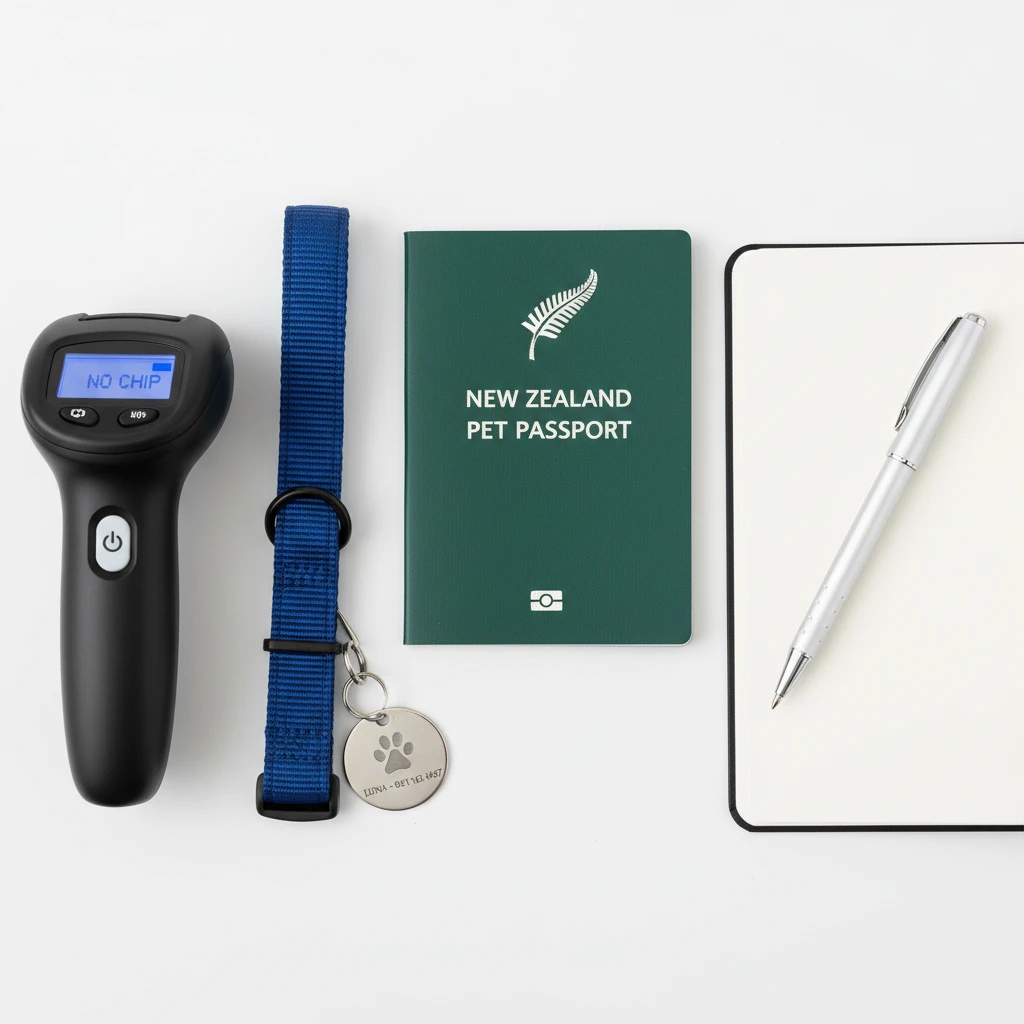
Navigating Microchips and Legal Ownership in NZ
In New Zealand, physical possession of the animal is only half the equation. The legal trail involves the microchip and council registration.
The NZ Companion Animal Register (NZCAR)
The New Zealand Companion Animal Register is the primary database for lost and found pets. Simply handing over the dog or cat is not enough. The agreement should stipulate that the Adopter is responsible for updating the contact details on the NZCAR. However, as a precaution, the Rehomer should not release the release code (or sign the transfer form) until they are confident the transfer is final.
Local Council Registration
For dogs, ownership must be transferred at the local council level. This usually involves a form signed by the previous owner releasing the dog, and a form signed by the new owner accepting liability. The rehoming agreement should include a timeline (e.g., “within 7 days”) for this administrative task to be completed to prevent the previous owner from receiving fines for a dog they no longer possess.
Downloadable Pet Rehoming Agreement Template (NZ)
Below is a comprehensive template tailored for New Zealand pet owners. You can copy, paste, and edit this text to suit your specific situation.
PRIVATE PET REHOMING AGREEMENT
Date: __________________
PARTIES
Current Owner (Rehomer):
Name: __________________________________________________
Address: ________________________________________________
Phone: ______________________ Email: ______________________
New Owner (Adopter):
Name: __________________________________________________
Address: ________________________________________________
Phone: ______________________ Email: ______________________
THE ANIMAL
Name: ______________________ Species: ___________________
Breed: ______________________ Sex: ______ (Desexed: Y / N)
Colour/Markings: ________________________________________
Date of Birth (approx): __________________
Microchip Number: ____________________________________
Current Vet Clinic: ______________________________________
AGREEMENT TERMS
- Transfer of Ownership: The Rehomer transfers all rights, privileges, and responsibilities associated with the Animal to the Adopter as of the date signed below.
- Rehoming Fee: The Adopter agrees to pay a rehoming fee of $__________ (NZD). This fee is non-refundable unless otherwise agreed in writing.
- Standard of Care: The Adopter agrees to keep the Animal as a household companion, providing adequate food, water, shelter, veterinary care, and exercise in accordance with the NZ Animal Welfare Act 1999.
- No Chains/Cages: The Animal will not be kept on a chain or in a crate for extended periods (24/7).
- Medical Disclosure: The Rehomer has disclosed all known health and behavioral issues. The Adopter accepts the Animal “as is” and assumes full financial responsibility for future care.
- Registration & Microchip: The Adopter agrees to register the Animal with their local Council (for dogs) and update the NZ Companion Animal Register (NZCAR) within 7 days of this agreement.
- Right of Return (Safety Net): If the Adopter is unable to keep the Animal for any reason, they agree to contact the Rehomer first. The Adopter agrees NOT to sell, give away, or surrender the Animal to a shelter/pound without the Rehomer’s written consent.
- Spay/Neuter (If applicable): If the Animal is not desexed, the Adopter agrees to have the procedure done by ____________ (Date) and provide proof to the Rehomer.
SIGNATURES
Rehomer Signature: __________________________ Date: __________
Adopter Signature: __________________________ Date: __________
Customising Your Agreement for Different Pets
While the template above is universal, different species require specific considerations.
Dogs
For dogs, you should add a clause regarding fencing. Ensure the Adopter certifies that their property is fully fenced and secure. You might also want to include details about the dog’s prey drive (e.g., “Must not be housed with cats or poultry”).
Cats
For cats, specify whether the animal is to be “Indoor Only,” “Indoor/Outdoor,” or has access to a “Catio.” Given New Zealand’s push to protect native birdlife, many ethical rehomers prefer cats to be kept indoors or in contained outdoor runs. Clarifying this expectation prevents conflict later.
Horses and Livestock
Rehoming larger animals requires much more detailed contracts, often including “Right of First Refusal” clauses that last for the lifetime of the animal, and specific prohibitions against sending the animal to slaughterhouses. For horses, consult a legal professional to draft a specific lease or transfer agreement.
Frequently Asked Questions
Below are common questions regarding the legalities and logistics of rehoming pets in New Zealand.
Is a pet rehoming agreement legally binding in NZ?
Yes, a pet rehoming agreement can be legally binding as a contract between two parties. Pets are considered property under NZ law, so a signed agreement serves as proof of transfer of ownership and the conditions attached to that transfer. However, enforcing specific clauses like ‘return policies’ in civil court can be complex and costly.
How do I transfer microchip ownership in NZ?
To transfer microchip ownership, you must update the New Zealand Companion Animal Register (NZCAR). The current owner usually initiates this or provides the paperwork/login details to the new owner. Both parties should ensure this is done immediately to prevent lost pet issues.
Should I charge a rehoming fee?
Yes, charging a modest rehoming fee is recommended. It acts as a deterrent for people looking for free animals for unethical purposes (such as dog fighting bait or snake food). The fee should reflect the value of the pet’s vet work (desexing, vaccinations) rather than a profit.
What happens if the new owner mistreats the pet?
If you suspect mistreatment, you should report it to the SPCA or local animal control immediately. While the rehoming agreement gives you a civil claim to demand the pet back based on breach of contract, immediate welfare concerns are handled by the SPCA under the Animal Welfare Act 1999.
Can I ask for the pet back after signing the agreement?
Generally, no. Once the agreement is signed and the pet is handed over, ownership is transferred. Unless the new owner has breached a specific term of the contract (like a return policy clause), you cannot simply demand the pet back due to regret.
Where can I find a free pet rehoming template?
You can use the template provided in this article. It covers the essential NZ-specific requirements including microchipping, desexing, and the right of return. Ensure you print two copies so both parties retain a signed version.