A pet emergency in NZ requires immediate action. Contact your nearest veterinary clinic or a dedicated after-hours animal hospital immediately. Common signs requiring urgent care include difficulty breathing, severe bleeding, trauma, or ingestion of toxins. Keep your local emergency vet’s number saved to ensure rapid access to professional treatment.
When a beloved companion animal falls ill or suffers an injury, the panic can be overwhelming. In New Zealand, the landscape of veterinary care is robust, yet navigating it during a crisis requires knowledge and preparation. Whether you are in central Auckland, rural Otago, or the suburbs of Wellington, knowing where to turn for a pet emergency in NZ is critical for the survival and well-being of your animal.
This comprehensive guide details the steps to take during a medical crisis, how to access specialized care, managing the difficult emotional terrain of end-of-life decisions, and where to find support if you can no longer care for your pet. Our goal is to empower Kiwi pet owners with the resources needed to handle the unexpected with confidence and compassion.
Finding Immediate Help for Pet Emergencies
Time is the most critical factor in any emergency. In New Zealand, veterinary clinics generally operate during standard business hours, but emergencies rarely adhere to a schedule. If your pet shows signs of distress outside of these hours, you must rely on After-Hours Veterinary Clinics or Emergency Animal Hospitals.
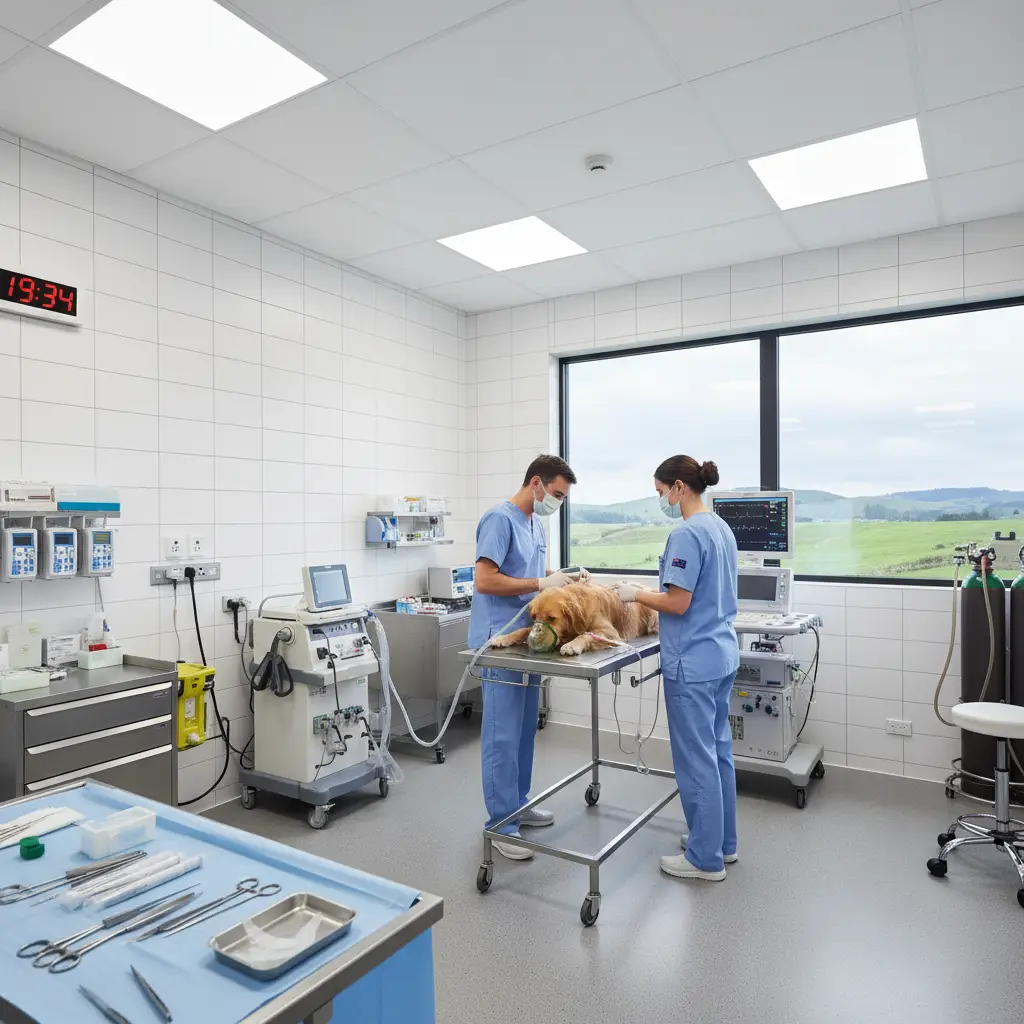
Identifying an Emergency
Not every health issue is an immediate crisis, but when in doubt, it is always safer to call a professional. You should seek immediate veterinary attention if your pet exhibits:
- Difficulty Breathing: Choking, gasping, or shallow breathing.
- Trauma: Being hit by a car, falling from a height, or bite wounds.
- Toxin Ingestion: Eating chocolate, rat poison, Karaka berries, or slug bait.
- Seizures: Uncontrollable shaking or loss of consciousness.
- Bloat (GDV): Swollen abdomen, retching without vomiting (common in large dogs).
- Inability to Urinate: Straining without success, particularly in male cats.
Emergency Contacts by Region
Most local vet clinics in New Zealand have an after-hours answering service that directs you to the nearest on-call vet. However, in major urban centers, dedicated emergency hospitals operate 24/7.
- Auckland: Facilities such as the Animal Emergency Centre (Mt Albert) and Western After Hours provide round-the-clock critical care.
- Wellington: The Wellington After Hours Veterinary Clinic serves the wider region for night and weekend emergencies.
- Christchurch: The After Hours Veterinary Centre ensures South Island pets have access to emergency trauma care.
Transporting Your Pet Safely
Transporting an injured animal can be dangerous for both the pet and the owner. Pain can cause even the gentlest animal to bite.
- Dogs: Use a blanket as a makeshift stretcher if the dog cannot walk. If necessary, use a muzzle or a strip of fabric to prevent biting, provided the dog is not vomiting or having difficulty breathing.
- Cats: Always transport cats in a secure carrier. If they are hiding, gently wrap them in a towel to place them in the box to control claws and reduce visual stress.
Specialized Veterinary Services in New Zealand
General practitioners handle the majority of pet health needs, but complex cases often require the expertise of a specialist. New Zealand boasts a high standard of specialized veterinary care, comparable to human medicine.
Referral Centers
If your local vet diagnoses a condition beyond their scope—such as complex fractures, cancer, or neurological issues—they will refer you to a specialist. These experts have undergone years of additional training to become Board Certified.
- Surgery: Orthopedic surgeons handle cruciate ligament repairs and spinal surgeries.
- Internal Medicine: Specialists focus on complex diseases like diabetes, kidney failure, and immune disorders.
- Ophthalmology: Dedicated eye specialists treat cataracts and glaucoma.
University-Level Care
A cornerstone of specialized animal care in New Zealand is the Massey University Veterinary Teaching Hospital. Located in Palmerston North, this facility is a hub for world-class treatment and research. They offer services ranging from advanced imaging (MRI/CT) to oncology and cardiology. As a teaching hospital, they handle some of the country’s most difficult cases while training the next generation of veterinarians.
For more information on their services, you can visit the Massey University Veterinary Teaching Hospital website.
Managing Costs: Insurance and Financial Support
Emergency veterinary care is sophisticated and, consequently, can be expensive. An after-hours consultation fee alone is significantly higher than a standard visit, and surgeries can run into the thousands. Being prepared financially is a crucial aspect of responsible pet ownership.
Pet Insurance in NZ
The most effective buffer against unexpected costs is pet insurance. Providers like Southern Cross Pet Insurance, PD Insurance, and Petcover offer policies that cover accidents and illnesses. It is vital to secure insurance before an emergency occurs, as pre-existing conditions are almost never covered.
Payment Plans and Credit
If you do not have insurance, several financial tools are available specifically for veterinary costs:
- VetCare Finance: A specialized lender in NZ that provides loans for veterinary procedures.
- Afterpay/Zip: Many modern clinics now accept Buy Now, Pay Later services for smaller emergency bills.
Resources for End-of-Life Care and Grief
One of the most heartbreaking aspects of pet ownership is saying goodbye. Whether due to a sudden pet emergency or a chronic condition, the decision to euthanize is profound. In New Zealand, veterinarians approach this with immense empathy, ensuring the process is painless and dignified.
The Euthanasia Process
Euthanasia is typically performed via an overdose of anesthesia, allowing the pet to drift into a deep sleep before their heart stops. Many clinics in NZ now offer dedicated “comfort rooms” with softer lighting and furniture, or even home-visit services where the vet comes to you, allowing your pet to pass in their favorite spot.
Cremation and Memorials
After your pet has passed, you have options regarding their remains.
- Communal Cremation: A cost-effective option where ashes are not returned but scattered in a garden of remembrance.
- Individual Cremation: The pet is cremated alone, and their ashes are returned to you in a casket or urn of your choice.
Companies like Fond Farewells and Soul Friends operate across NZ, providing respectful cremation services and memorabilia.
Coping with Grief
The grief following the loss of a pet is real and valid. It is a form of disenfranchised grief that society sometimes fails to recognize. Support groups and counseling are available. The SPCA New Zealand often provides resources or referrals for grieving owners, acknowledging the deep bond between humans and animals.
Support During Difficult Rehoming Situations
Sometimes, an emergency isn’t medical, but situational. Changes in housing, financial hardship, or domestic crises can force owners to make the difficult decision to rehome their pets. This is not a failure; ensuring your pet is cared for when you cannot do so is an act of love.
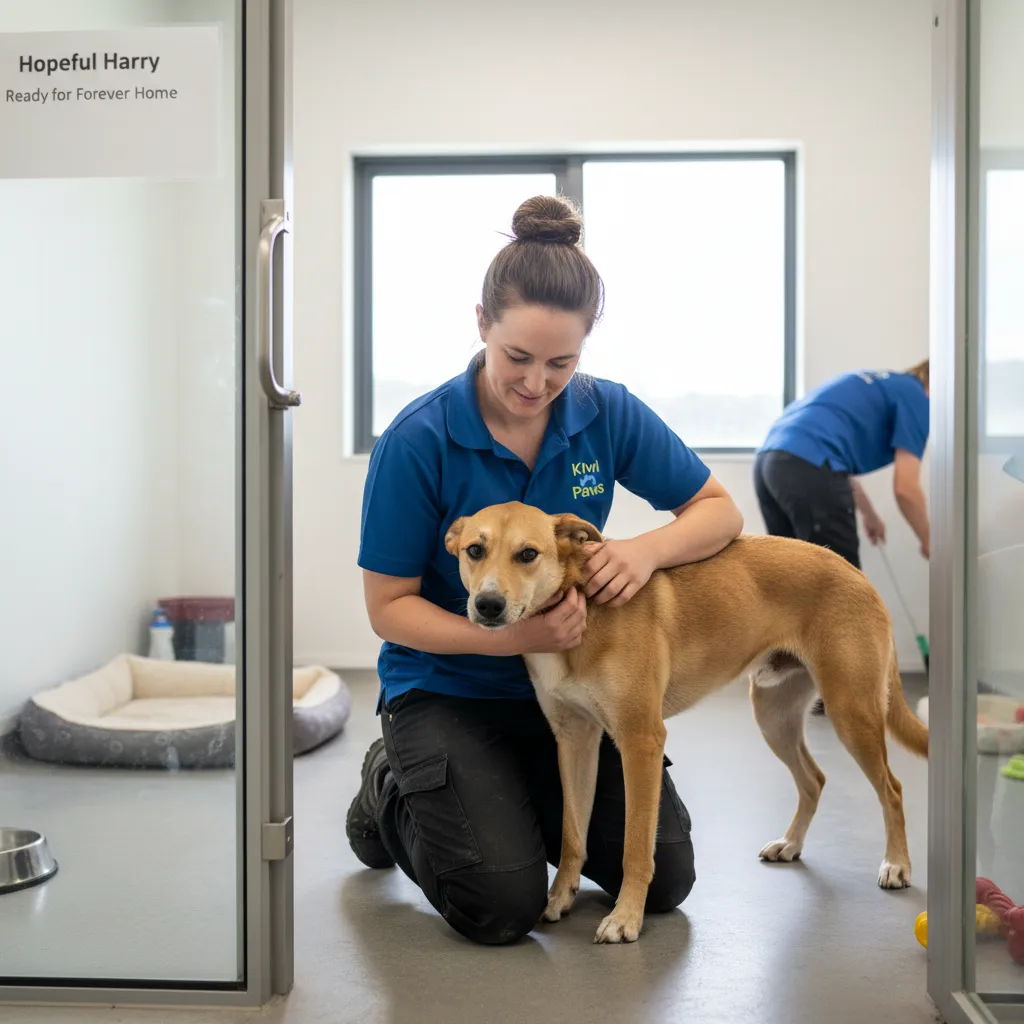
Ethical Surrender
Abandoning an animal is illegal and cruel. If you must surrender a pet, contact a reputable organization.
- SPCA: The Society for the Prevention of Cruelty to Animals has centers nationwide. They assess animals for rehoming suitability.
- HUHA (Helping You Help Animals): A leading no-kill shelter in NZ that works tirelessly to rehabilitate and rehome animals.
- Breed-Specific Rescues: For purebred dogs, contact specific clubs (e.g., Greyhound Rescue) as they have networks of foster homes familiar with the breed.
The Rehoming Process
When surrendering a pet, provide as much history as possible—medical records, behavioral quirks, and diet. This transparency helps the rescue organization match the pet with the perfect new family, reducing the trauma of transition.
Preparing for Future Emergencies
While you cannot predict every disaster, you can prepare for them. A proactive approach can save your pet’s life before you even reach the vet.
Pet First Aid Kits
Every Kiwi household with a pet should have a dedicated first aid kit containing:
- Sterile gauze and non-stick bandages (Vetrap).
- Saline solution for flushing wounds or eyes.
- Digital thermometer (rectal is most accurate for pets).
- Tweezers and blunt-ended scissors.
- A muzzle (even friendly dogs bite when in pain).
Emergency Planning
New Zealand is prone to natural disasters like earthquakes and floods. Your civil defense plan must include your pets. Ensure you have a “go-bag” for your pet with 3 days of food, water, bowls, a leash, and copies of vaccination records. If you must evacuate your home, take your pets with you—if it’s not safe for you, it’s not safe for them.
Frequently Asked Questions
What is the emergency vet number in NZ?
There is no single national emergency number for pets in NZ like 111. You must call your local veterinary clinic. If it is after hours, their answering message will provide the phone number for the nearest on-call vet or emergency animal hospital.
How much does an emergency vet visit cost in NZ?
Emergency vet costs vary by region and severity. An after-hours consultation fee typically ranges from $150 to $300 NZD. Treatment, X-rays, and surgery are additional costs, often totaling significantly more than standard daytime rates.
Who do I call if I find an injured animal in NZ?
If you find an injured stray or wild animal, contact the SPCA immediately. For injured native wildlife (like birds), you can also contact the Department of Conservation (DOC) hotline at 0800 DOC HOT (0800 362 468).
Is there a pet ambulance service in NZ?
Yes, there are pet ambulance services in major cities, such as ‘Pet Ambulance’ in Auckland. However, availability varies. In most critical cases, it is faster for the owner to transport the pet to the vet safely themselves.
What happens if I can’t afford a vet in NZ?
If you cannot afford treatment, discuss payment plans or credit options (like VetCare Finance) with the clinic immediately. Some charities may offer limited assistance, and the SPCA may help in cases of suffering, but owners are generally expected to cover costs. Surrender is a last resort option.
Can I give my dog human painkillers like Panadol?
No. Never give human medication to pets unless directed by a vet. Paracetamol (Panadol) is highly toxic to cats and can be dangerous for dogs. Ibuprofen is also toxic. Administering these can turn a minor injury into a fatal poisoning emergency.