Pet euthanasia NZ refers to the humane medical procedure used to end a pet’s suffering, administered by a registered veterinarian. The process typically involves a sedative followed by a painless overdose of anaesthetic. In New Zealand, owners can choose between clinic appointments or mobile veterinary services for in-home care to ensure a peaceful transition.
Saying goodbye to a beloved animal companion is arguably the most heartbreaking challenge a pet owner will ever face. Our pets are not just animals; they are family members who share our homes, our lives, and our hearts. When their health declines, the responsibility of making end-of-life decisions falls upon us. While the weight of this decision is immense, understanding the process, your options, and the support systems available in New Zealand can provide clarity during a time of emotional turbulence.
This comprehensive guide is designed to walk you through every step of pet euthanasia in New Zealand, from assessing your pet’s quality of life to understanding the logistics of aftercare. By arming yourself with knowledge, you can ensure that your pet’s final moments are filled with dignity, love, and peace.
Making the Difficult Decision for Euthanasia
Deciding when it is time to say goodbye is a source of immense anxiety for pet owners. There is rarely a perfect moment or a clear sign that removes all doubt. Instead, it is often a culmination of small changes that indicate a declining quality of life. In the veterinary community, we often operate by the compassionate principle that it is better to be a week too early than a day too late, preventing unnecessary suffering.
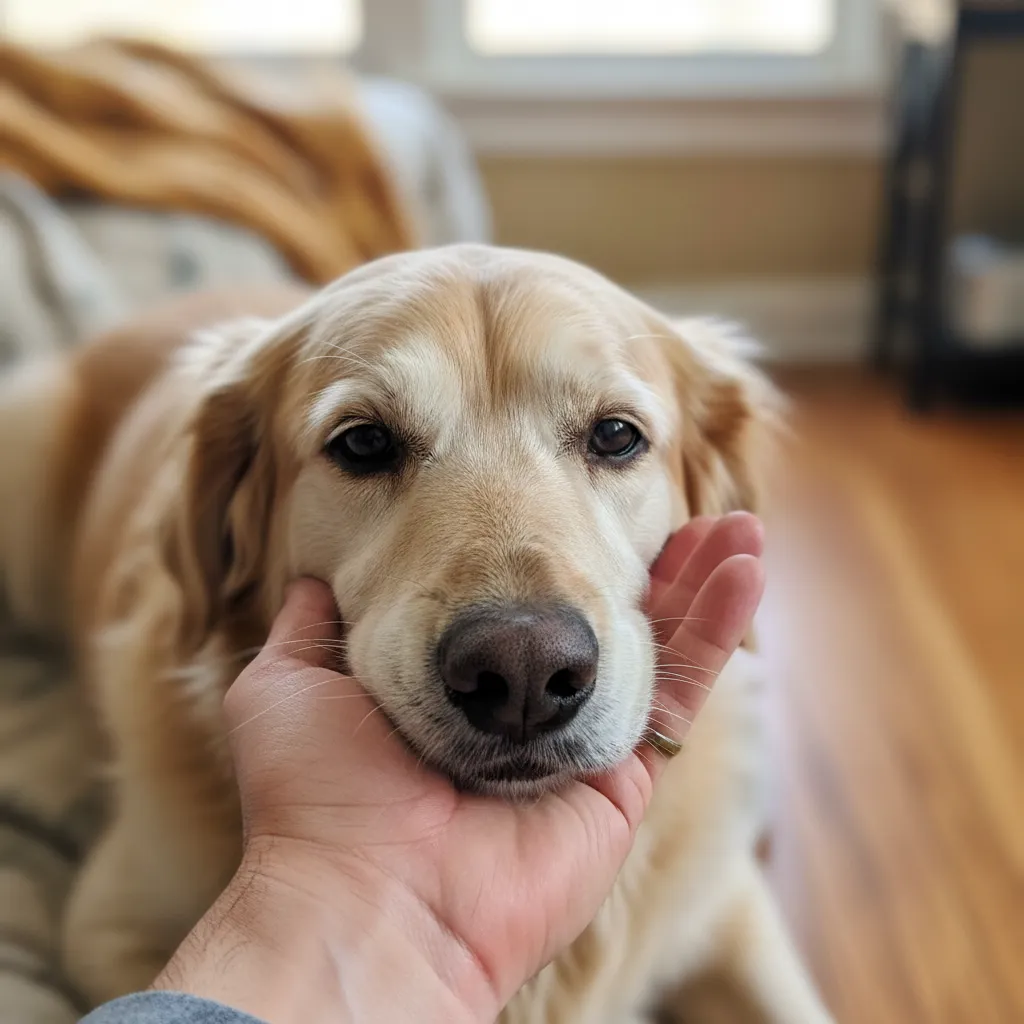
Assessing Quality of Life
To help navigate this grey area, veterinarians often recommend using a Quality of Life Scale. This objective approach helps remove some of the emotion from the decision-making process, allowing you to see the reality of your pet’s daily experience. Consider the “HHHHHMM” scale:
- Hurt: Is the pet’s pain managed successfully? Is there whining, panting, or an inability to get comfortable?
- Hunger: Is the pet eating enough? Do they require hand-feeding or coaxing?
- Hydration: Is the pet dehydrated?
- Hygiene: Can the pet keep themselves clean? Are they soiling themselves or sitting in their own waste?
- Happiness: Does the pet express joy and interest? Are they depressed, anxious, or fearful?
- Mobility: Can the pet get up without assistance? Can they go for walks or to the litter box?
- More Good Days Than Bad: When you look back at the last week or month, does the bad outweigh the good?
Consulting with your local veterinarian is crucial during this stage. They can provide a medical perspective on your pet’s condition and prognosis. In New Zealand, veterinarians are bound by a code of ethics to prioritize animal welfare, meaning they will give you an honest assessment of whether your pet is suffering.
Understanding the Euthanasia Process
Fear of the unknown often makes the prospect of euthanasia more terrifying than it needs to be. Understanding exactly what happens medically can help alleviate anxiety. The procedure is designed to be as gentle, quick, and painless as possible.
The Appointment
Whether you choose a clinic or a home visit, the vet will explain the process before beginning. You will likely be asked to sign a consent form. This is a legal requirement in New Zealand to confirm you are the owner and authorise the procedure. You may also need to decide on aftercare (cremation or burial) at this point, though many clinics allow you to decide this beforehand to avoid administrative tasks during your grief.
Sedation
Most veterinarians in New Zealand will administer a sedative first. This is usually an injection given under the skin or into a muscle. The sedative helps the pet relax, relieving anxiety and pain. Within 5 to 15 minutes, your pet will drift into a deep sleep. They will still be breathing, but they will be unaware of their surroundings and completely comfortable. This step is vital for ensuring the final injection is not stressful.
The Final Injection
Once the pet is heavily sedated, the vet will administer the final injection, usually pentobarbitone. This is a highly concentrated anaesthetic—essentially an overdose of sleeping medication. It is injected into a vein, often in the front leg. Because the pet is already sedated, they feel nothing.
The medication works by stopping brain function first, followed quickly by respiration and finally the heart. The process is very fast, often taking only a few seconds to a minute. The pet does not “wake up” or feel pain; they simply drift from sleep into death.
Reflexes
It is important to be aware that after death has occurred, the body may exhibit muscular reflexes. You might see a twitch, a deep breath (agonal gasp), or the release of the bladder or bowels. These are not signs of life or pain; they are simply the body’s electrical system shutting down. Your vet will check for a heartbeat to confirm that your pet has passed.
Home Euthanasia Options in NZ
For many pets, a trip to the veterinary clinic is a source of stress and fear. The smell of the clinic, the car ride, and the presence of other animals can be distressing. Recognising this, there has been a significant rise in mobile veterinary services across New Zealand offering in-home euthanasia.
Choosing home euthanasia allows your pet to pass away in their favourite spot—perhaps on their bed, in a sunbeam, or in your arms on the sofa—surrounded by familiar smells and loved ones.

The Benefits of Staying Home
- Reduced Anxiety: No car rides or waiting rooms.
- Privacy: You can grieve openly in the privacy of your own home without feeling rushed to leave an exam room.
- Family Presence: It is often easier for other family members, including other pets, to be present and say goodbye.
Finding a Provider
Most major cities in New Zealand, including Auckland, Wellington, and Christchurch, have dedicated mobile vets who specialise in palliative care and euthanasia. General practice clinics also frequently offer house calls, though these may need to be booked well in advance. It is advisable to search for “mobile vet euthanasia [your city]” to find local providers.
Costs of Pet Euthanasia in New Zealand
While cost should not be the primary factor, it is a reality that owners must prepare for. The price of euthanasia in NZ varies depending on the size of the animal, the location, and whether you choose a clinic or home visit.
- Clinic Euthanasia: Typically ranges from $100 to $250 NZD. This covers the consultation and the procedure.
- Home Euthanasia: Generally costs between $300 and $500 NZD. The higher cost accounts for the vet’s travel time and the extended duration of the appointment.
- Afterhours/Emergency: If the procedure is required urgently at an emergency clinic (like an After Hours Vet), costs can be significantly higher, often exceeding $400 before cremation costs.
Please note that these prices usually do not include cremation or burial fees. It is always acceptable to ask for a quote upfront so you can prepare financially.
Caring for Your Pet’s Remains: Burial & Cremation
After your pet has passed, you must decide how to handle their remains. In New Zealand, the two primary options are home burial and cremation.
Home Burial Laws in NZ
Many Kiwis prefer to bury their pets in the garden. However, there are local council regulations you must adhere to. Generally, you are permitted to bury a pet on your own property provided:
- Ownership: You own the land. If you are renting, you strictly cannot bury a pet without the landlord’s express permission.
- Depth: The grave must be deep enough to prevent other animals from digging it up (usually at least 60cm to 1 metre of soil on top).
- Location: The grave must not be near waterways, streams, or underground piping to prevent contamination.
If the pet was euthanised, the body contains pentobarbitone, which is toxic to other animals. If a dog or cat were to dig up and scavenge the remains, they could become critically ill or die. Therefore, deep burial is a safety necessity, not just a preference.
Cremation Services
Cremation is a popular option, especially for those who move frequently or lack suitable land. Veterinary clinics work with professional pet crematoriums. There are generally two types of cremation:
- Communal (Mass) Cremation: Your pet is cremated with other animals. No ashes are returned to you. The ashes are usually scattered in a garden of remembrance by the service provider. This is the lower-cost option.
- Individual (Private) Cremation: Your pet is cremated alone. The ashes are collected and returned to you in a vessel of your choice (wooden box, urn, scatter tube). This ensures you have your specific pet back home with you.
For more specific regulations regarding animal welfare and veterinary standards, you can refer to the New Zealand Veterinary Association (NZVA), which sets the standards for veterinary care across the country.
Coping with Grief and Loss
The grief felt after losing a pet is real, valid, and significant. For many, the loss is comparable to losing a human family member. Do not let anyone minimize your pain with phrases like “it was just a dog.”

Allow yourself time to grieve. In New Zealand, there are support groups and hotlines specifically for pet loss. The SPCA often provides resources for grieving owners. Creating a memorial—planting a native tree, creating a photo album, or keeping their collar—can be a therapeutic way to honour their memory.
If you have other pets, remember they may grieve too. They might search for their companion, eat less, or become clingy. Stick to their routine as much as possible to provide them with security during the transition.
Frequently Asked Questions
Below are answers to common questions regarding pet euthanasia and end-of-life care in New Zealand.
How much does pet euthanasia cost in NZ?
The cost of pet euthanasia in New Zealand typically ranges from $100 to $250 for a standard clinic appointment. Home euthanasia services provided by mobile vets usually cost between $300 and $500. Emergency or after-hours procedures can cost significantly more. These prices generally exclude cremation fees.
Can I bury my pet in my backyard in NZ?
Yes, you can generally bury your pet in your backyard in NZ if you own the property. However, you must check local council regulations. The grave should be at least one metre deep and away from waterways. If you rent, you must get permission from your landlord first.
Is the euthanasia process painful for pets?
No, the process is not painful. Vets typically administer a sedative first to ensure the pet is relaxed and sleeping. The final injection is an overdose of anaesthetic, which is painless. The pet simply drifts from a deep sleep into death without suffering.
How do I know when it is time to euthanise my pet?
Assess your pet’s quality of life using the “HHHHHMM” scale (Hurt, Hunger, Hydration, Hygiene, Happiness, Mobility, More good days than bad). If they are in unmanageable pain, cannot eat or move, or have lost interest in life, consult your vet. It is often considered kinder to prevent suffering than to prolong life.
What happens to my pet’s body after euthanasia?
You can choose to take the body home for burial or leave it with the vet for cremation. If you choose cremation, you can opt for a communal cremation (no ashes returned) or individual cremation (ashes returned to you in an urn or box).
Can the vet come to my house for euthanasia in NZ?
Yes, many areas in New Zealand have mobile veterinary services that perform in-home euthanasia. This allows your pet to pass away peacefully in their own environment. You should search for “mobile vet” or “home euthanasia” in your specific region to find a provider.