Finding professional pet groomers in NZ requires verifying qualifications through the National Dog Groomers Association of New Zealand, assessing salon hygiene, and checking client testimonials. To ensure the safety and well-being of your animal, owners must prioritize providers who carry public liability insurance and demonstrate specific experience with their pet’s breed and temperament.
Choosing Reliable Pet Groomers in NZ
For many pet owners, grooming is often mistaken as a purely aesthetic service. However, for the health and welfare of your animal, regular professional grooming is a medical necessity. In New Zealand, where our climate can range from humid summers to wet, muddy winters, maintaining your pet’s coat and skin health is vital. Finding the right professional among the many pet groomers NZ has to offer involves more than just a Google search; it requires a strict vetting process to ensure your pet is in safe hands.
When searching for a groomer, your first step should be to look for affiliation with professional bodies. The National Dog Groomers Association of New Zealand (NDGANZ) sets the standard for the industry. Members of this association adhere to a code of ethics and are often required to continue their education, ensuring they are up-to-date with the latest handling techniques and safety protocols. This is particularly important for rescue pets who may have touch sensitivity or anxiety.
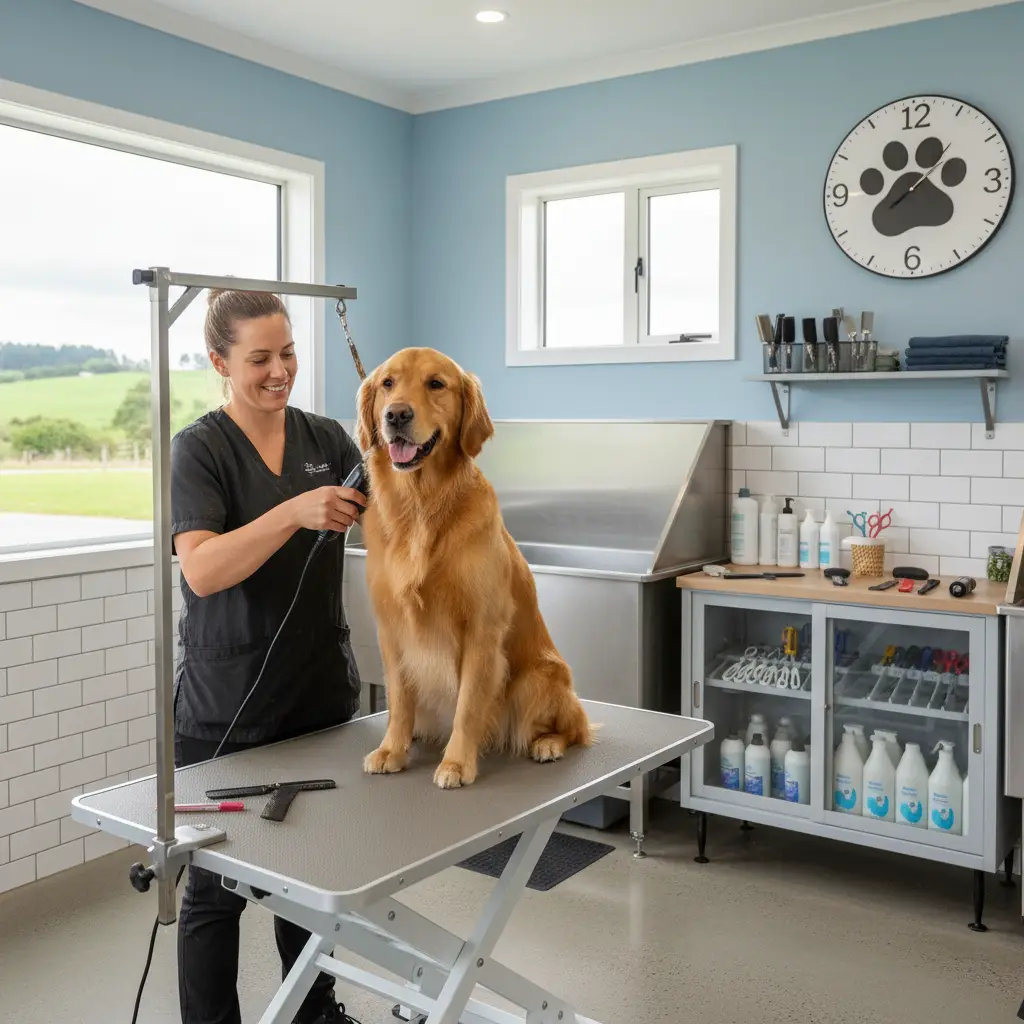
Mobile Grooming vs. Salon Services
In New Zealand, the market is split between brick-and-mortar salons and mobile grooming vans. Both have distinct advantages depending on your pet’s needs:
- Salon Grooming: Salons typically have more space and equipment to handle large breeds or complex grooming needs. They offer a social environment, which can be great for well-socialized dogs but overwhelming for nervous rescues.
- Mobile Grooming: This service comes to your driveway. It offers a one-on-one environment with no other dogs present, significantly reducing stress for anxious animals or elderly pets who struggle with travel. However, they may have limitations on the size of dogs they can accommodate due to van space.
Assessing Hygiene and Safety
Before booking an appointment, visit the facility. A reputable groomer will welcome a tour. Look for cleanliness—hair should not be piled up from previous days, and the smell should be neutral or pleasant, not overpowering with chemicals or dirty dog odors. Ask about their sanitization protocols between dogs to prevent the spread of parvo or kennel cough. Furthermore, inquire about their policy on “cage drying.” While cage dryers are common, they must be used with strict temperature controls and supervision to prevent overheating, a critical safety concern.
Hiring Trusted Pet Sitters and Boarders
Leaving your pet behind when you travel is one of the most stressful aspects of pet ownership. Whether you are looking for a cattery, a kennel, or an in-home sitter, the priority is finding a surrogate caregiver who will treat your pet with the same love and attention you do.
Kennels and Catteries
Traditional boarding facilities in NZ are regulated under the Animal Welfare (Dogs) and (Cats) Codes of Welfare. However, quality varies. High-quality boarding facilities should require proof of up-to-date vaccinations (including Kennel Cough for dogs) before acceptance. This is a non-negotiable sign of a responsible business.
When touring a facility, observe the noise levels. A kennel that is constantly echoing with barking dogs indicates high stress levels. Look for facilities that offer enrichment activities, separate play areas, and comfortable, climate-controlled sleeping quarters. For cats, ensure the cattery has sneeze barriers between units and offers places for cats to hide and perch high up, as this reduces feline stress.
In-Home Pet Sitters
For many rescue pets, staying in their own environment is the safest option. Hiring a pet sitter allows your pet to maintain their routine. However, inviting a stranger into your home requires a higher level of trust. Professional pet sitters should have:
- Police Vetting: In New Zealand, you can request a Ministry of Justice criminal record check. Professional sitters will often have this ready to show potential clients.
- Insurance: Accidents happen. A professional sitter carries liability insurance that covers damage to your home or injury to your pet while in their care.
- Contracts: Never rely on a handshake. A contract should outline fees, cancellation policies, medical emergency protocols, and daily duties.
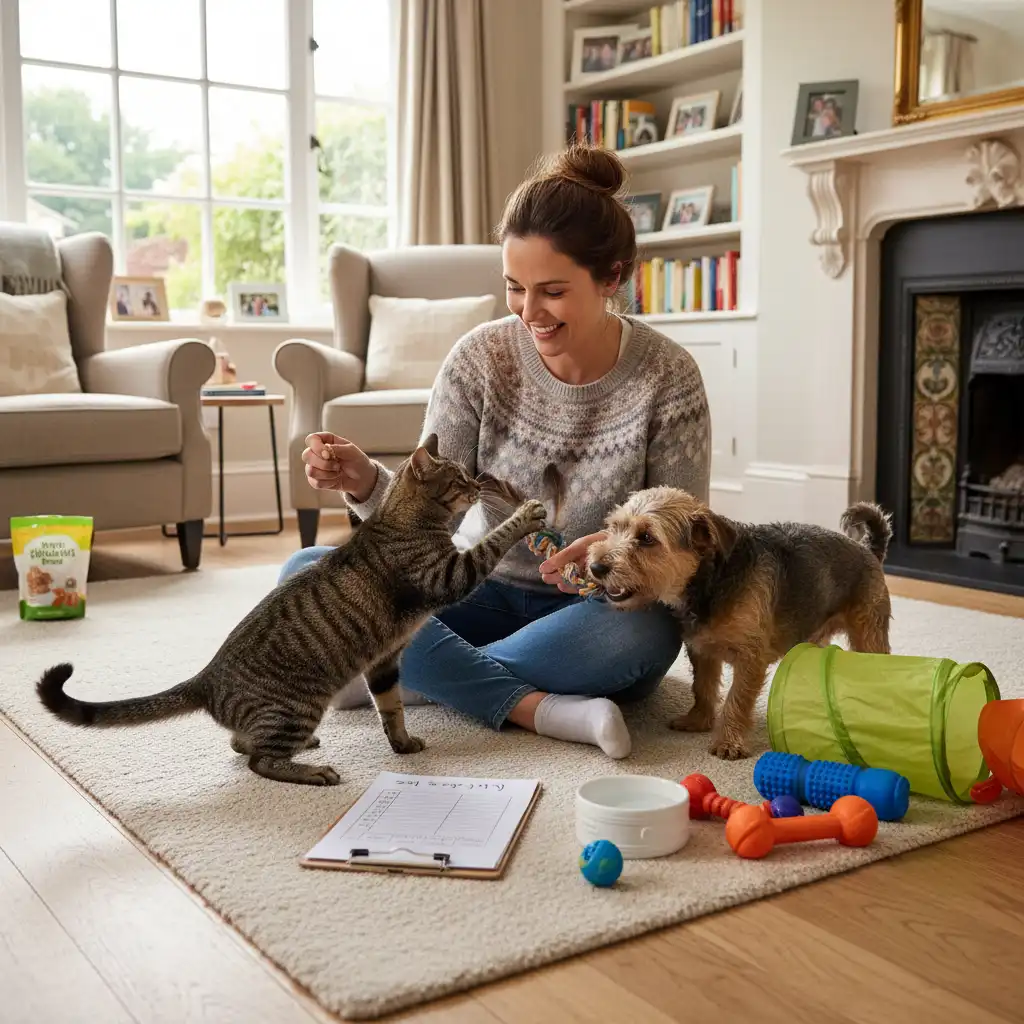
Finding Professional Dog Walkers
The dog walking industry in New Zealand is booming, but it is currently unregulated. This means anyone can buy a leash and call themselves a walker. As an owner, the burden of vetting falls on you. A professional dog walker does more than just tire a dog out; they reinforce training, monitor health, and ensure safety in public spaces.
Group Walks vs. Solo Walks
Group Walks: These are excellent for socialization but require a dog with decent recall and social skills. Ask the walker about their maximum group size. In many NZ council areas, there are limits on how many dogs one person can control (often 4 to 6). A walker taking out 10 dogs alone is a red flag for safety and control.
Solo Walks: Essential for reactive rescue dogs, elderly dogs, or bitches in season. This service is more expensive but ensures your dog gets 100% of the walker’s attention.
Transport and Safety
If the walker transports dogs to a park or beach, inspect their vehicle. Are the dogs crated or harnessed? Loose dogs in a van are a significant hazard in the event of sudden braking. Additionally, ask about their recall policy. A responsible walker will not let a new dog off-leash until a strong bond and reliable recall have been established, often using a long-line lead during the transition period.
Questions to Ask Pet Service Providers
To cut through the marketing noise, you need to ask targeted questions that reveal the provider’s competency and philosophy. Use this checklist when interviewing potential groomers, sitters, or walkers.
For Groomers:
- “What is your procedure if you find a lump, tick, or skin abnormality?” (They should stop and notify you immediately).
- “How do you handle a dog that becomes aggressive or panicked during grooming?” (Look for answers involving breaks and calming signals, not muzzles and force).
- “May I stay and watch the first grooming session?” (Transparency is key).
For Sitters and Walkers:
- “What is your emergency protocol if my pet gets injured?” (They should have a first-aid kit and your vet’s details on file).
- “Do you have a backup plan if you get sick and cannot make the visit?”
- “Can you provide references from current clients with similar pets?”
Red Flags and Warning Signs
Trust your gut instinct. If a facility smells bad, if the staff seem impatient or rough with the animals, or if they are evasive when answering your questions, walk away. Specific red flags include:
- Lack of paperwork: No contract, no vaccination check, and no medical history form.
- Super-cheap rates: If the price is significantly lower than the market average, they are likely cutting corners on insurance, safety, or staff training.
- Inability to see where the pet stays: If a boarder refuses to show you the sleeping quarters, do not leave your pet there.
- No questions asked: If they don’t ask you about your pet’s diet, medication, fears, or behavioral quirks, they are not providing personalized care.
Special Considerations for Rescue Pets
Owners of rescue pets in New Zealand face unique challenges. Many adopted animals come with unknown histories or trauma that can manifest as separation anxiety or fear aggression. When sourcing services for a rescue animal, you must find providers who practice Fear Free or force-free handling methods.
Communicate your pet’s triggers clearly. If your dog is afraid of men, loud noises, or other dogs, the service provider needs to know this upfront. For groomers, this might mean a “meet and greet” session where no grooming happens—just treats and positive association with the salon environment. For walkers, it might mean avoiding off-leash dog parks entirely.
The SPCA New Zealand provides resources on animal welfare that can help you understand the standards of care your rescue pet deserves. Aligning yourself with providers who support rescue organizations or offer discounts for adopted pets is often a good indicator of their values regarding animal welfare.
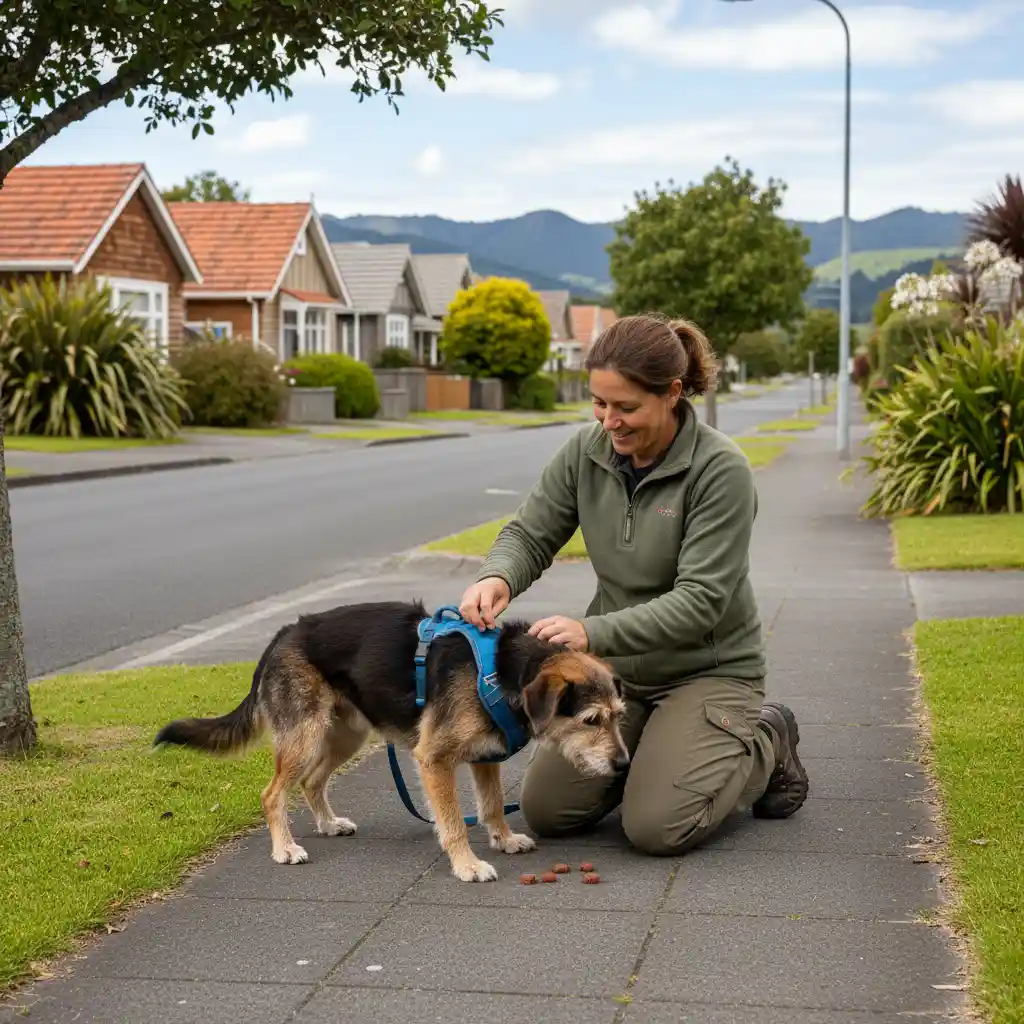
Finding the right team to support your pet care journey takes time, but the peace of mind is worth the effort. By vetting qualifications, inspecting facilities, and asking the hard questions, you ensure your furry family members receive the best possible care in Aotearoa.
People Also Ask
How much does dog grooming cost in NZ?
Dog grooming prices in NZ vary based on breed size and coat condition, generally ranging from $70 to $120 for a full groom. Large breeds or dogs with matted coats often incur higher fees due to the extra time required.
Do dog walkers in NZ need a license?
Currently, dog walkers in New Zealand do not require a specific government license to operate. However, reputable walkers should hold public liability insurance, have a clean police record, and often carry pet first-aid certifications.
What qualifications should a pet sitter have?
While formal qualifications aren’t mandatory, trusted pet sitters should have a clean Ministry of Justice background check, valid insurance, and references. Certificates in animal care or pet first aid are strong indicators of professionalism.
How do I find a groomer for an anxious dog?
Look for groomers who advertise “force-free” or “fear-free” handling techniques. Mobile groomers are often better for anxious dogs as they provide a quiet, one-on-one environment right outside your home.
Are pet sitters better than kennels?
It depends on the pet. Sitters are generally better for cats, elderly pets, and anxious rescue animals who prefer their home environment. Kennels can be suitable for confident, social dogs who enjoy playing with others.
What is the National Dog Groomers Association of NZ?
The NDGANZ is the professional body representing dog groomers in New Zealand. They set industry standards, offer certification exams, and promote ethical treatment and safety within the grooming profession.