Pet adoption agencies in New Zealand serve as vital bridges, connecting vulnerable animals with loving homes. These organisations facilitate the rescue, rehabilitation, and rehoming of pets, offering a structured and supportive process for prospective owners. They ensure animals are health-checked and ready for a new chapter, guiding adopters to find their ideal companion.
Navigating New Zealand Pet Adoption Agencies: Your First Steps
Embarking on the journey to find your forever pet in New Zealand begins with understanding the landscape of pet adoption agencies. These organisations vary in size, scope, and focus, yet all share the common goal of finding safe, loving homes for animals in need. From national bodies to smaller, local trusts, each plays a crucial role in the welfare of NZ’s companion animals.
Understanding Different Types of Agencies
New Zealand boasts a diverse range of pet adoption agencies. Large national organisations, such as the SPCA New Zealand, operate across multiple regions, handling a vast number of animal rescues and adoptions. They often have extensive facilities, vet services, and robust support systems. Alongside these, numerous smaller, independent rescue groups and trusts operate locally, often specialising in specific types of animals (e.g., cat-specific rescues, greyhound rehoming) or focusing on particular regions. These smaller groups often rely heavily on volunteer foster networks, providing animals with a home environment while awaiting adoption. Researching both national and local options can broaden your search and potentially lead you to a pet that perfectly matches your preferences and lifestyle.
The Adoption Process Explained
While specific steps may vary slightly between agencies, the core adoption process in New Zealand typically follows a similar pattern designed to ensure a successful match for both pet and owner. Initially, prospective adopters will usually complete an application form, providing details about their living situation, family members, existing pets, and previous pet ownership experience. This helps agencies assess suitability and identify potential matches. Following the application, a meet-and-greet with the chosen pet is often arranged, allowing you to interact and gauge compatibility. Many agencies also conduct a home visit to ensure the environment is safe and suitable for the animal. Once approved, an adoption fee is typically paid, which helps cover vaccination, microchipping, desexing, and initial veterinary care. Finally, an adoption agreement is signed, formalising the commitment to provide a lifelong home.
Key Considerations When Choosing an Agency
Selecting the right adoption agency is as important as choosing the right pet. Look for agencies with transparent processes and a strong reputation for animal welfare. Inquire about their veterinary protocols, including vaccinations, desexing, and microchipping, which should be standard practice before adoption. Ask about their post-adoption support – do they offer advice, behavioural guidance, or even foster-to-adopt options? A reputable agency will be keen to ensure a lasting match and will provide ongoing assistance if needed. Furthermore, consider an agency’s specialisation; if you’re set on a specific breed or type of animal, a dedicated rescue might be your best bet. Always prioritise agencies that put the animal’s welfare first, demonstrating a thorough understanding of their animals’ needs and personalities. You can find a comprehensive list of animal welfare organisations in NZ via the Ministry for Primary Industries (MPI) website, which often lists licensed and recognised bodies.
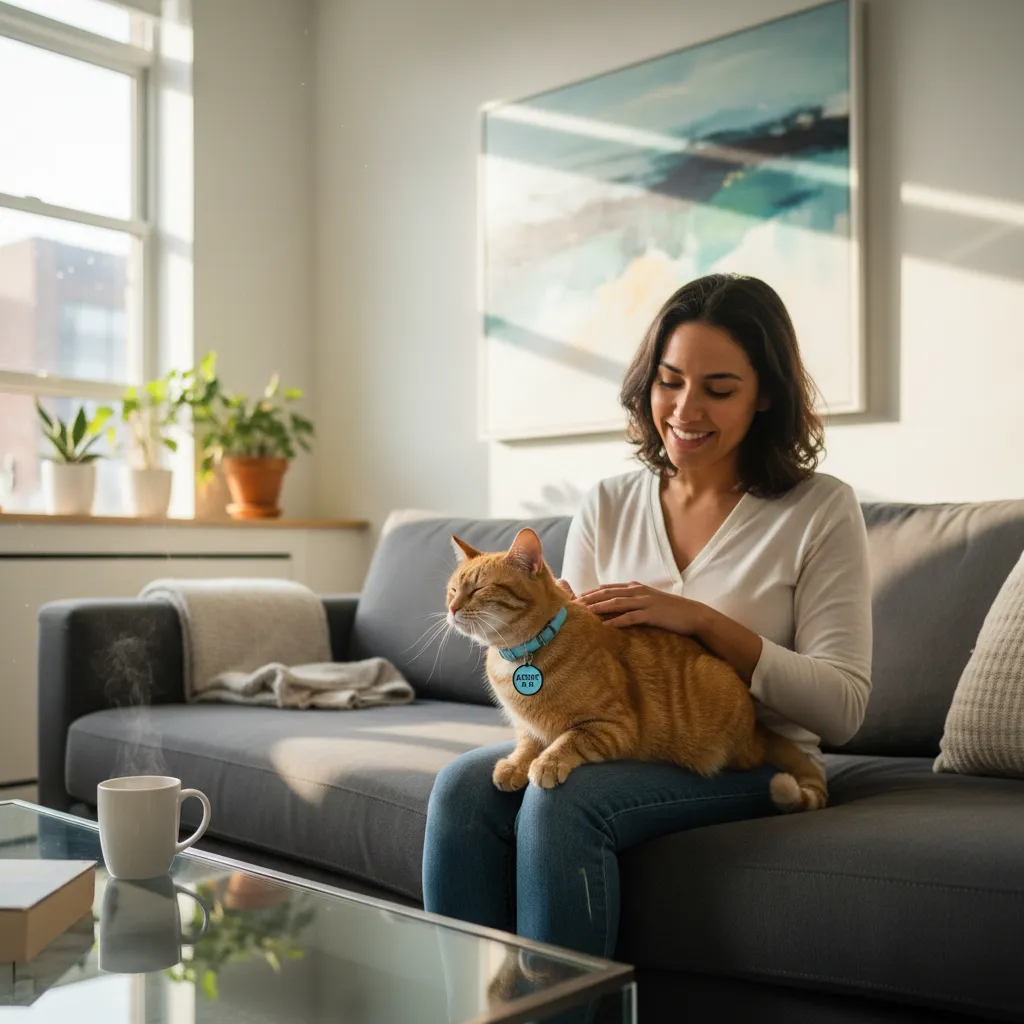
Essential Questions to Ask Before Adopting Your Forever Pet
Adopting a pet is a significant commitment, and thorough preparation is key to a successful transition for everyone involved. Asking the right questions before you bring a new animal into your home will not only help you feel more confident in your decision but also ensure you can provide the best possible environment for your new companion. Being well-informed empowers you to address potential challenges proactively and celebrate the many joys of pet ownership.
About the Pet’s Health and History
When you meet a potential pet, delve into their background. Inquire about their known medical history, including any past illnesses, injuries, allergies, or chronic conditions. Ask if they are up-to-date on vaccinations, flea and worm treatments, and if they have been desexed and microchipped. Understand what veterinary checks they have undergone since being in the agency’s care. Equally important is their behavioural history: Do they have any known fears, anxieties, or triggers? How do they interact with other animals, children, or strangers? Were they surrendered, and if so, what was the reason? This information provides invaluable insight into their personality and potential needs, helping you prepare for their unique quirks.
Understanding the Agency’s Support
A good adoption agency doesn’t just rehome pets; it supports the new owners. Ask what kind of post-adoption support they offer. Do they provide behavioural advice, a helpline, or access to resources for training? What is their policy if the adoption doesn’t work out? Reputable agencies often have a ‘return’ policy, allowing the animal to come back to their care if unforeseen circumstances arise, ensuring the animal’s welfare remains paramount. Clarify what the adoption fee covers – typically, this includes initial vet checks, desexing, microchipping, and vaccinations. Understanding the agency’s commitment beyond the initial adoption date provides peace of mind and demonstrates their dedication to their animals.
Financial and Long-Term Commitments
Beyond the initial adoption fee, owning a pet involves ongoing financial commitments that can be substantial over their lifetime. Discuss the typical costs associated with the pet you are considering – food, regular veterinary check-ups, preventative treatments (flea, worm), potential emergency vet bills, grooming, training, and pet insurance. For instance, some breeds may have specific dietary or health needs that translate to higher costs. Consider the pet’s expected lifespan and your ability to commit for that duration, which could be 10-15 years or even longer for some species. Pets thrive on routine and stability, so assess your lifestyle, travel plans, and future living arrangements to ensure you can provide a consistent and loving home for the long haul. Remember, pet ownership is a marathon, not a sprint.
Matching a Pet to Your Lifestyle: Ensuring a Harmonious Home
The key to a successful and joyful pet adoption lies in finding an animal whose needs and temperament align with your lifestyle. It’s not just about falling in love with a cute face; it’s about making a practical and realistic assessment of what you can offer a pet and what kind of companionship you are seeking. A thoughtful match prevents future challenges and ensures a happy, harmonious life together for many years.
Assessing Your Living Situation
Your living environment plays a critical role in determining what type of pet is suitable. Do you live in an apartment, a house with a small yard, or a sprawling property? A high-energy dog, for example, might struggle in a small apartment without regular, extensive outdoor exercise. Consider local council regulations on pet ownership, especially regarding dog breeds or the number of animals allowed. If you rent, ensure your landlord permits pets and understand any specific conditions. The size of your home and access to safe outdoor spaces, whether a private yard or nearby parks, are crucial factors. Even for cats, providing adequate space for play, climbing, and quiet retreats within your home is important for their well-being.
Considering Your Time Commitment
Pets require significant time and attention. Reflect on your daily schedule: how many hours are you away from home for work or other commitments? Will there be someone available to walk a dog multiple times a day, or provide company to a cat? Puppies and kittens, in particular, demand intensive training, socialisation, and supervision. Even adult animals need consistent interaction, exercise, and mental stimulation. If your schedule is demanding, a more independent older cat or a dog with a lower energy level might be a better fit than a young, boisterous animal. Be honest with yourself about the amount of time you can genuinely dedicate to training, play, grooming, and companionship.
Family Dynamics and Existing Pets
The composition of your household is another vital factor. If you have young children, you’ll need a pet known to be good with kids, gentle, and patient. Similarly, if you already have other pets, careful introductions and temperament matching are essential to prevent conflict. Some agencies conduct ‘meet and greets’ for existing pets to ensure compatibility before adoption. Consider the energy levels and personalities of your current animals and how a new addition might fit in. A confident, calm dog might be suitable for a multi-pet household, while an anxious cat might prefer to be the sole feline. Openly discuss these factors with the adoption agency, as they often have valuable insights into the social compatibility of their animals.
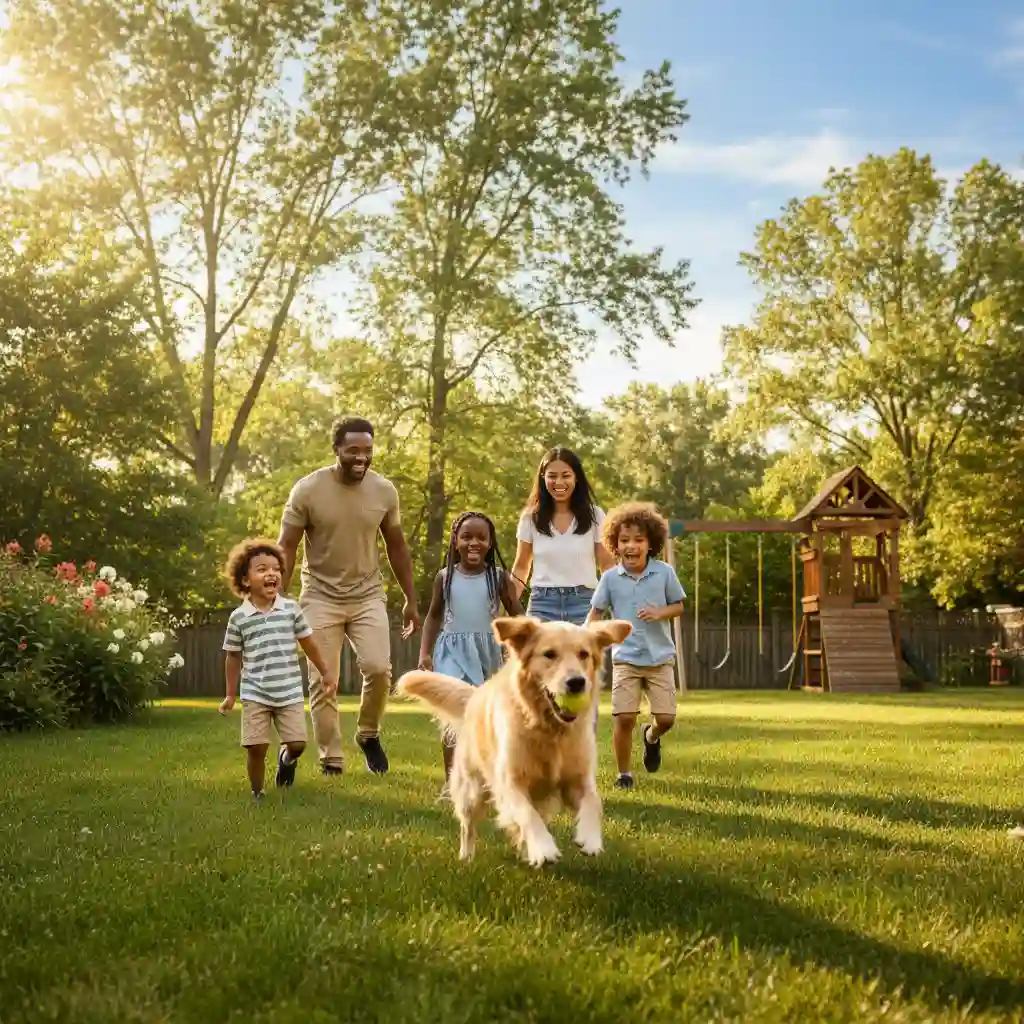
The Profound Joy and Rewards of Adopting a Rescue Animal
Adopting a rescue animal is an incredibly enriching experience, offering rewards that extend far beyond simply bringing a new pet into your home. It’s an act of compassion that not only transforms an animal’s life but also profoundly impacts your own. The decision to adopt from a shelter or rescue in New Zealand is a conscious choice to support animal welfare and contribute to a more humane society.
Giving a Second Chance
Every rescue animal has a story, and many have faced hardship, neglect, or abandonment. By opening your home to a rescue pet, you are quite literally giving them a second chance at a happy, stable life. This act of kindness can be incredibly rewarding. You witness their transformation as they learn to trust, heal, and flourish in a loving environment. The gratitude and affection a rescue animal often shows can be deeply moving, creating a bond built on resilience and unconditional love. Knowing you’ve made such a significant positive difference in an animal’s life is a powerful motivator for many adopters, and a feeling that truly enriches the soul.
The Unique Bond with a Rescue
The connection formed with a rescue animal often feels unique and profound. Having overcome adversity, many rescue pets display an incredible capacity for love and loyalty. While they may require patience and understanding, particularly as they adjust to their new surroundings, the bond that develops is often incredibly strong and deeply cherished. They may teach you patience, resilience, and the simple joys of unconditional companionship. Many adopters report that their rescue pets seem to understand and appreciate their new life, responding with an intensity of affection that is truly special. This bond is forged through shared experiences and a mutual journey of healing and discovery.
Supporting the Wider Community
Choosing to adopt a rescue animal has a ripple effect that benefits the entire community. Firstly, by adopting, you free up valuable space in shelters and foster homes, allowing them to rescue another animal in need. This directly supports the tireless efforts of animal welfare organisations in New Zealand. Secondly, adoption reduces the demand for pets from unethical breeders or puppy mills, indirectly combating cruel practices. Furthermore, most rescue agencies ensure their animals are desexed, contributing to responsible pet population control. You become part of a larger movement dedicated to animal welfare, promoting compassion and responsible pet ownership. Your decision is a vote for rescue, making a tangible difference to animals both directly and indirectly.

People Also Ask About Pet Adoption in NZ
What is the average cost of adopting a pet in NZ?
The average cost of adopting a pet in New Zealand typically ranges from $150 to $450, depending on the animal’s species, age, and the specific agency. This fee usually covers essential services like desexing, microchipping, initial vaccinations, and a health check, which would cost significantly more if paid for separately.
How long does the pet adoption process take in NZ?
The pet adoption process in New Zealand can vary, taking anywhere from a few days to several weeks. Factors include the agency’s workload, the thoroughness of their screening process (e.g., home visits, reference checks), and the availability of suitable pets. Patience is key to finding the right match.
Can I adopt a pet in NZ if I live in a rental property?
Yes, you can adopt a pet in NZ if you live in a rental property, but you must first obtain explicit permission from your landlord. Many rental agreements prohibit pets, so it’s crucial to have written consent before applying to an adoption agency. Some agencies may require proof of landlord approval.
What kind of animals can I adopt from NZ pet adoption agencies?
You can adopt a wide variety of animals from NZ pet adoption agencies, including dogs (all ages and breeds/mixes), cats (kittens to seniors), rabbits, guinea pigs, and sometimes even birds or farm animals. The availability depends on the specific agency and local rescues.
Do NZ pet adoption agencies offer trial periods or foster-to-adopt options?
Some NZ pet adoption agencies do offer trial periods or foster-to-adopt options, allowing you to temporarily house an animal to ensure it’s a good fit before finalising the adoption. This can be particularly beneficial for pets with special needs or those requiring a specific environment. Inquire with individual agencies about their policies.
What support do I get after adopting a pet from an NZ agency?
Many NZ pet adoption agencies provide valuable post-adoption support, which can include behavioural advice, access to resources for training, and guidance on common issues. Most reputable agencies also have a policy for returning the animal to their care if the adoption doesn’t work out, ensuring the animal’s welfare remains a priority.