A comprehensive pet adoption guide NZ involves identifying a reputable animal welfare organization like the SPCA or a private rescue, completing a detailed lifestyle application, and passing a property inspection. To successfully adopt, you must demonstrate the ability to provide a safe environment, secure landlord permission if renting, and commit to the long-term financial and emotional care of the animal.
Adopting a pet is one of the most rewarding decisions a New Zealander can make. Across Aotearoa, thousands of animals are waiting for their forever homes in shelters, foster care networks, and council pounds. Whether you are looking for a farm dog in the Waikato, an apartment-friendly cat in Auckland, or a companion animal in the South Island, the process of adoption is designed to ensure a safe and lasting match between the pet and the owner.
However, navigating the adoption process can sometimes feel overwhelming. Unlike purchasing a pet from a breeder or a pet shop, rescue adoption involves a vetting process that prioritizes the welfare of the animal above all else. This guide serves as your definitive roadmap to navigating the New Zealand pet rescue sector, from the initial search to the moment your new family member steps through the door.
Understanding the Pet Adoption Landscape in NZ
New Zealand has a high rate of pet ownership, but unfortunately, we also face significant challenges with animal overpopulation, particularly regarding stray cats and unwanted litters of puppies. The rescue landscape in NZ is primarily made up of three types of entities: the SPCA (Society for the Prevention of Cruelty to Animals), private charitable trusts, and local council animal shelters.
The SPCA is the largest and most well-known organization, enforcing the Animal Welfare Act 1999 and operating centres nationwide. However, a vast network of smaller, private rescues does incredibly heavy lifting. Organizations like HUHA (Helping You Help Animals), Chained Dog Rehabilitation & Rehoming, and countless breed-specific rescues operate largely on volunteer power and donations.

Understanding where your potential pet comes from is crucial. Animals in foster-based rescues often have the advantage of having lived in a home environment, meaning the foster parents can provide detailed information about the animal’s temperament, toilet training status, and social skills. Conversely, animals in larger shelters may be more stressed, and their true personalities might only shine through once they have left the kennel environment.
Finding Reputable Rescue Organizations
With so many avenues available, identifying a legitimate and ethical rescue organization is the first step. While platforms like TradeMe Pets are popular in New Zealand, they host a mix of backyard breeders and genuine rescues. To ensure you are supporting ethical welfare practices, look for the following indicators of a reputable rescue:
1. Transparency and Charitable Status
Most legitimate rescues in New Zealand are registered charities. You can usually verify their status on the Charities Services register. They should be transparent about their adoption fees and what those fees cover.
2. Desexing Policy
A non-negotiable standard for ethical rescues in NZ is that all animals (age and health permitting) are desexed prior to adoption. If an organization is handing out intact animals without a strict contract or voucher for future desexing, proceed with caution. This is a critical component of responsible population control.
3. The “Life Support” Guarantee
Top-tier rescues offer a lifetime return policy. This means that if, for any reason, you can no longer care for the animal—whether it be next week or ten years from now—the rescue will take the animal back. This ensures the animal never ends up in a dangerous situation or a pound.
For a directory of accredited organizations, you can visit SPCA New Zealand or search local community boards. Avoid “free to good home” listings on social media, as these animals often lack necessary veterinary care and temperament assessments.
The Application and Interview Process
Many prospective adopters are surprised by the rigour of the application process. It is not uncommon to hear people say, “It’s harder to adopt a dog than to adopt a child!” While this is an exaggeration, the barriers exist to prevent the heartbreak of a failed adoption (returns) and to ensure the safety of the animal.
The Application Form
Be prepared to answer detailed questions about your lifestyle. Rescues will ask about:
- Working Hours: How long will the animal be left alone during the day?
- Household Members: Are there young children or other pets?
- Activity Level: Are you looking for a hiking buddy or a couch potato?
- Housing Situation: Do you own your home, or do you rent? (More on this below).
Property Checks
For dog adoptions in particular, a property check is standard. A volunteer may visit your home (or request a video tour) to inspect your fencing. In New Zealand, secure fencing is often a mandatory requirement for dogs. The height and material of the fence required will depend on the dog’s size and agility. Farm fencing (wire and batten) might be suitable for a Huntaway but insufficient for a small Terrier that can squeeze through gaps.
The Meet and Greet
If your application is approved, you will be invited for a meet and greet. If you already have a dog, you will be required to bring them along to a neutral ground (usually the shelter) to see how the two animals interact. This step is crucial for assessing compatibility. Don’t be discouraged if the dogs ignore each other; indifference is often better than aggression.
Preparing Your Home for a New Pet
Once you have been approved, the nesting phase begins. Preparing your home prevents accidents and reduces anxiety for the new arrival.
The Renter’s Dilemma
In New Zealand, renting with pets is notoriously difficult. If you are a tenant, you must have written permission from your landlord before bringing a pet home. Many rescues will ask to see this written consent or will call your property manager directly. To improve your chances, consider creating a “Pet CV” for your prospective animal, including references from previous landlords and details about the pet’s training and desexing status.
Essential Supplies Checklist
Before pickup day, ensure you have the following:
- High-Quality Food: Ask the rescue what the animal is currently eating. Sudden diet changes can cause stomach upset, so transition slowly.
- Secure Transport: A crate for the car is essential for safety. In NZ, an unsecured dog can be a distraction hazard, leading to fines.
- Identification: Even if the pet is microchipped, a collar with a physical tag containing your phone number is the fastest way to be reunited if they escape.
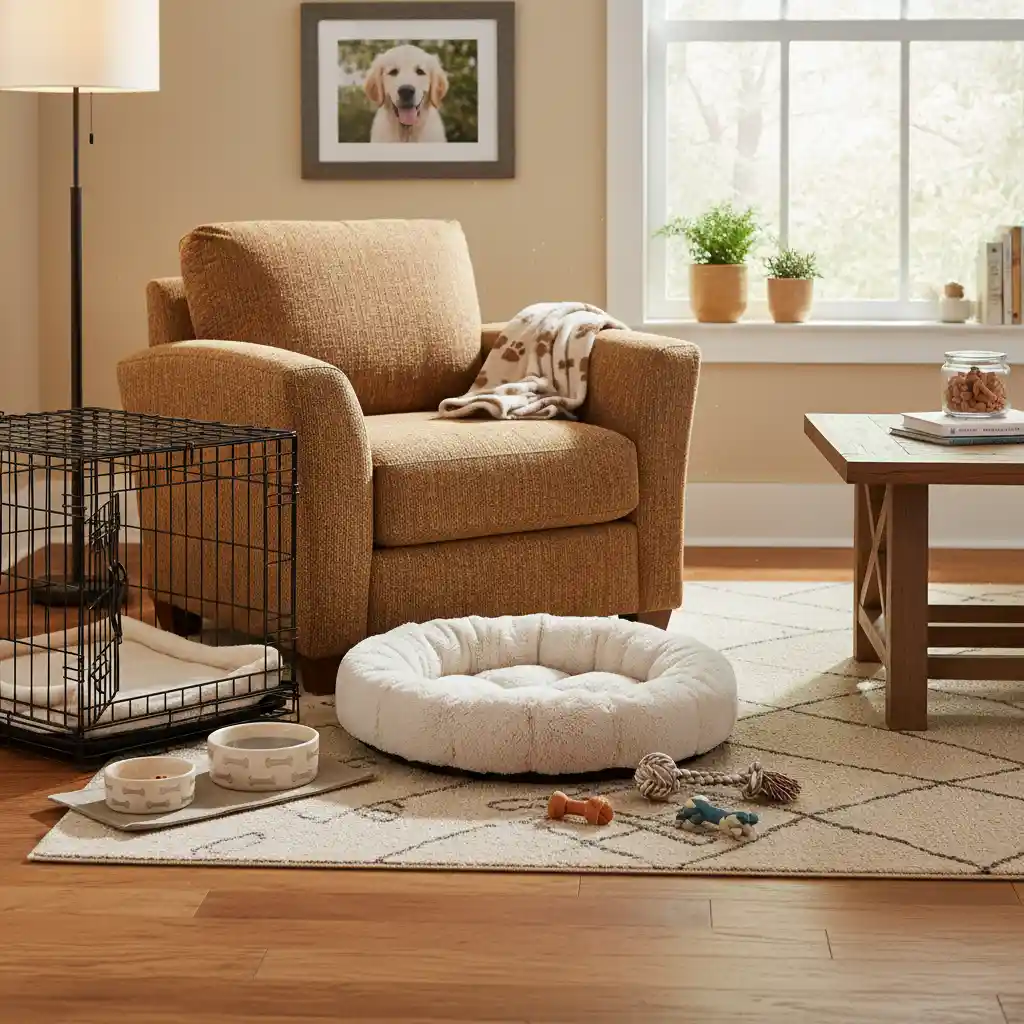
- Safe Zones: Set up a crate or a specific room where the animal can retreat if they feel overwhelmed.
Integrating Your Adopted Pet into the Family
The first few days and weeks are critical. The most common reason for returns is unrealistic expectations regarding how quickly a pet will settle in. Animal behaviourists often refer to the “3-3-3 Rule” regarding rescue pets.
The 3-3-3 Rule
- 3 Days (Decompression): The pet may be overwhelmed, scared, and unwilling to eat. They might hide or sleep a lot. Do not force interaction. Keep the environment quiet and predictable.
- 3 Weeks (Learning the Routine): The pet starts to settle. Their personality begins to emerge. This is also when behavioural issues might start to show up as they test boundaries. Consistency in training is key here.
- 3 Months (Feeling at Home): The pet now feels secure and has built trust with you. They understand their place in the family hierarchy.
Introductions to Children and Pets
Never leave a new dog unsupervised with children, regardless of how gentle the rescue said the dog is. Teach children to respect the dog’s space, specifically not to disturb them while eating or sleeping. For cats, use a “sanctuary room” method, keeping the new cat in one room for a few days while the resident pets sniff under the door, swapping scents before a visual introduction.
Legal Responsibilities and Registration
Adopting a pet in New Zealand comes with statutory obligations under the Dog Control Act 1996 and local bylaws.
Dog Registration
Every dog over the age of three months must be registered with the local city or district council. This is an annual fee that helps fund animal control services. Failure to register your dog can result in significant fines and, in extreme cases, seizure of the animal. When you adopt from a shelter, they will often provide the paperwork, but it is your responsibility to file it.
Microchipping
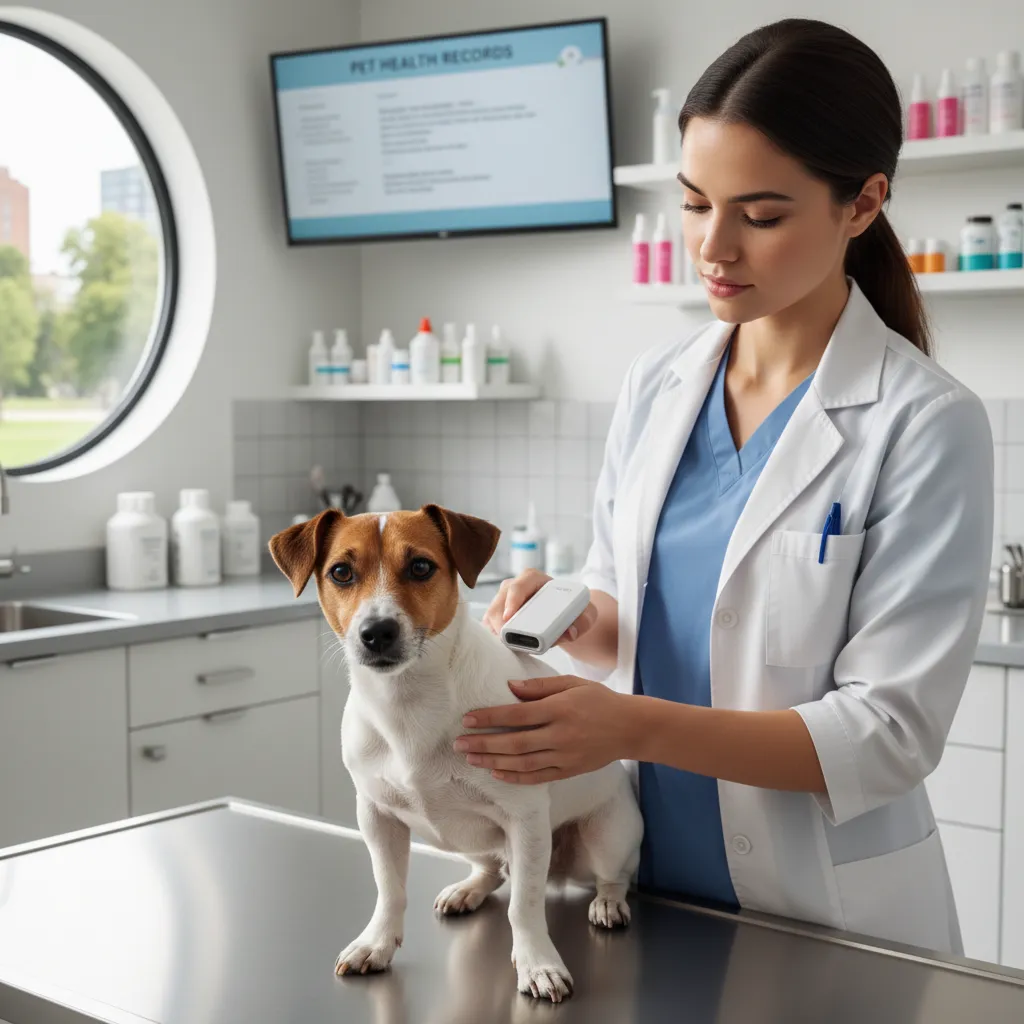
While registration is local, microchipping is a permanent form of ID. Almost all rescue pets will be microchipped before adoption. However, the chip is useless if your details are not up to date. You must ensure the chip is registered on the New Zealand Companion Animal Register (NZCAR). This is a national database used by vets and SPCA centres to reunite lost pets with owners.
Desexing
If you adopt a puppy or kitten that is too young to be desexed at the time of adoption, you will likely sign a contract agreeing to have the procedure done at a specific age. Many rescues include the cost of this in the adoption fee and will direct you to a partner vet.
Adopting a pet is a journey that transforms lives—both yours and the animal’s. By choosing to adopt from a New Zealand rescue, you are not only gaining a loyal companion but also freeing up a spot for another animal in need. With the right preparation, patience, and understanding of the process, you are setting the stage for a successful, lifelong friendship.
Frequently Asked Questions
How much does it cost to adopt a dog in NZ?
Adoption fees in NZ typically range from $250 to $400 for adult dogs and up to $450-$600 for puppies. This fee generally includes desexing, microchipping, registration on the NZCAR, first vaccinations, and flea/worm treatments, offering significant savings compared to paying for these procedures privately.
Can I adopt a pet if I rent in NZ?
Yes, but it is more challenging. Most rescue organizations require written permission from your landlord or property manager before processing your application. Some rescues specialize in helping renters, but securing a pet-friendly rental first is essential.
How long does the pet adoption process take?
The process can take anywhere from a few days to a few weeks. It depends on the availability of volunteers for property checks, the timing of meet-and-greets, and the specific medical or behavioral needs of the animal.
What is the best pet rescue in NZ?
There is no single “best” rescue, but the SPCA is the largest and most widely recognized. Other highly reputable organizations include HUHA (Helping You Help Animals), Paw Justice, and various breed-specific rescues. Look for registered charities with clear desexing and return policies.
Do adopted pets come desexed?
Yes, the vast majority of reputable rescues in New Zealand mandate desexing. Adult animals are desexed before adoption. For puppies or kittens too young for the procedure, the adoption usually includes a voucher or contract requiring the procedure to be done at a partner vet when they reach the appropriate age.
What happens if the adoption doesn’t work out?
Reputable rescues offer a lifetime return policy. If the adoption does not work out, you are contractually required to return the animal to the rescue rather than rehoming it yourself or selling it. This ensures the animal’s welfare is maintained.