Ensuring the well-being of our beloved companions is a top priority for pet owners across New Zealand. From the lush landscapes of Northland to the rugged beauty of the South Island, pets require consistent care to thrive. While daily walks and a balanced diet are fundamental, the significance of regular grooming and the occasional indulgence in a pet spa cannot be overstated. These services are more than just cosmetic; they are critical components of preventative health, mental stimulation, and overall comfort for dogs, cats, and even smaller furry friends. Understanding the range of professional grooming services available, knowing how to identify reputable groomers, and even mastering a few DIY tips can profoundly impact your pet’s quality of life.
This comprehensive guide delves into everything you need to know about professional pet grooming and pet spas in New Zealand. We’ll explore why grooming is so vital, break down the various services on offer, equip you with the knowledge to find the best local professionals, and even provide practical advice for at-home care. Whether your pet needs a routine tidy-up, a specialized treatment, or a luxurious pampering session, this resource is designed to empower you to make informed decisions for their health and happiness.
Pet grooming in NZ involves professional services designed to maintain a pet’s hygiene, coat health, and overall well-being, encompassing tasks like washing, brushing, nail trimming, and ear cleaning. Regular professional grooming is crucial for preventing health issues, ensuring comfort, and promoting a strong bond between pets and their owners across New Zealand.
The Indispensable Role of Pet Grooming in New Zealand
Pet grooming is far more than an aesthetic indulgence; it’s a fundamental aspect of responsible pet ownership, particularly in New Zealand where varying climates and outdoor activities can significantly impact an animal’s coat and skin health. Regular grooming plays a pivotal role in maintaining physical health, promoting good behavior, and fostering a deeper connection between pets and their human companions. Neglecting regular grooming can lead to a cascade of issues, from painful matting and skin infections to behavioral problems stemming from discomfort.
Beyond Aesthetics: Health Benefits
The health benefits of consistent grooming are extensive and often overlooked. Brushing, for instance, not only removes loose fur and prevents matting but also stimulates the skin, distributing natural oils that keep the coat healthy and shiny. This process allows groomers or owners to identify potential skin issues early, such as lumps, bumps, parasites like fleas and ticks, dry patches, or rashes, which might otherwise go unnoticed. Regular bathing helps remove dirt, allergens, and excess oils, preventing skin irritations and infections. For breeds with long or thick coats, de-shedding treatments can significantly reduce shedding around the home and improve the pet’s comfort, especially during warmer months.
Nail care is another critical health component. Overgrown nails can cause significant pain, affect a pet’s posture, lead to bone deformities, and even make walking difficult, potentially resulting in injuries or infections. Regular nail trims prevent these problems, ensuring proper foot health and mobility. Similarly, ear cleaning is vital, particularly for breeds prone to ear infections. Removing wax and debris helps prevent bacterial and yeast overgrowths, which can be painful and lead to more serious conditions if left untreated. Some professional groomers also offer basic dental checks or services, highlighting the comprehensive nature of a full grooming routine.
Behavioral Well-being
A well-groomed pet is often a happier and better-behaved pet. Discomfort caused by matted fur, overgrown nails, or itchy skin can make pets irritable, anxious, or even aggressive. Regular grooming sessions, especially when introduced positively from a young age, can help pets become accustomed to being handled, reducing stress during veterinary visits or other necessary interactions. The routine itself can be a calming experience, providing a sense of comfort and predictability. Furthermore, the relief from physical discomfort can lead to a more relaxed and cooperative demeanor, making pets more receptive to training and social interactions.
Strengthening the Human-Animal Bond
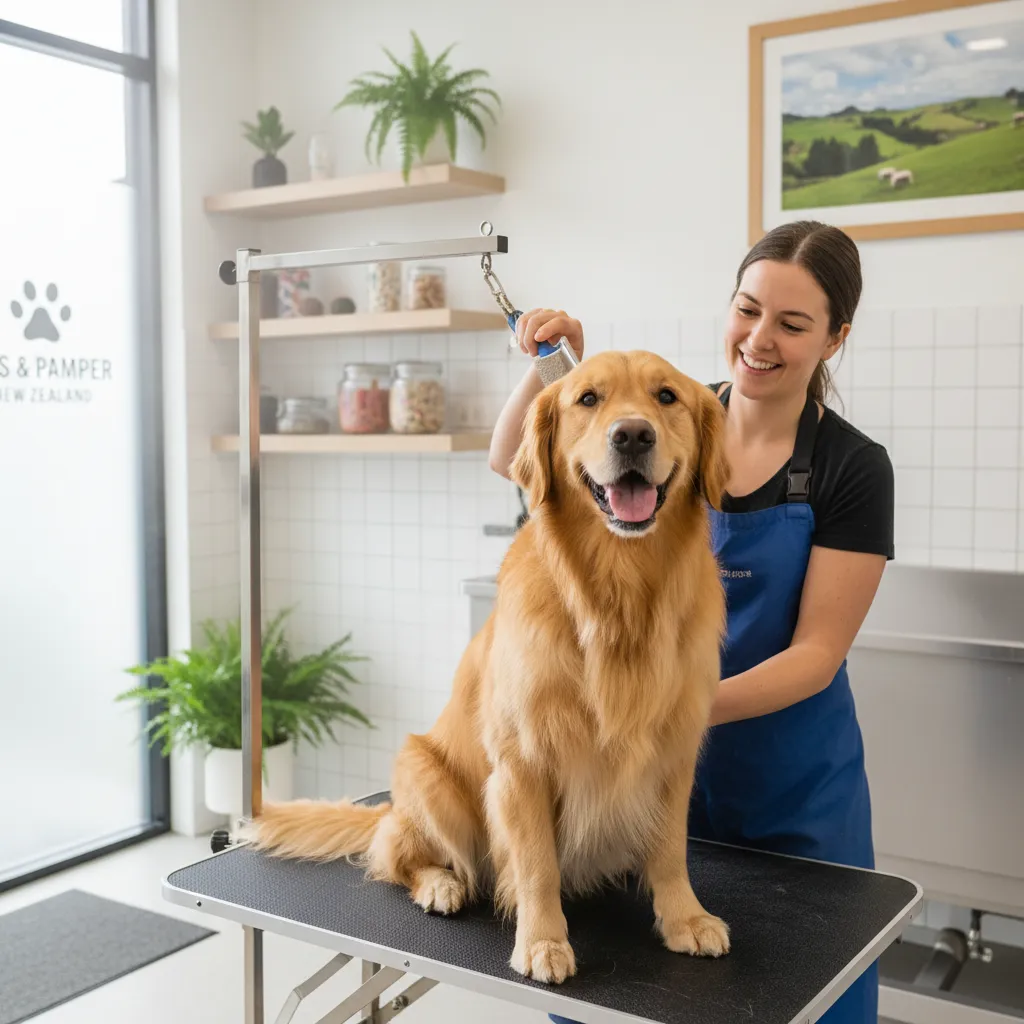
Grooming provides a unique opportunity for bonding between pets and their owners. Whether it’s a quick daily brush or a more involved home bath, these activities foster trust and affection. For owners who opt for professional grooming, the consistent care and attention their pet receives from a trusted groomer also contribute to the pet’s overall sense of security and well-being. Knowing your pet is comfortable, healthy, and happy thanks to diligent care deepens the emotional connection, reinforcing the special place they hold in your family. This bond is a cornerstone of responsible pet ownership, and grooming is an active expression of that care.
A Deep Dive into Pet Grooming Services Offered in NZ
New Zealand’s pet grooming industry offers a diverse array of services, catering to the unique needs of different breeds, temperaments, and owner preferences. From essential maintenance to luxurious spa treatments, understanding what’s available can help you choose the perfect care regimen for your beloved companion.
Essential Grooming Packages (Washing, Brushing, Drying)
At the core of most grooming establishments are the essential packages. These typically include a thorough bath using professional-grade shampoos and conditioners suited to your pet’s skin and coat type. This is followed by a comprehensive brush-out to remove tangles, loose fur, and debris, and a professional blow-dry, which is often much more efficient and effective than air-drying, especially for double-coated breeds. These services are fundamental for maintaining hygiene, preventing matting, and promoting a healthy, shiny coat. Many essential packages also include a basic nail trim and ear cleaning, making them a well-rounded option for regular maintenance.
Haircuts and Styling (Breed-Specific and Custom)
For many breeds, especially those with continuously growing hair like Poodles, Shih Tzus, and Schnauzers, regular haircuts are indispensable. Professional groomers in NZ are skilled in a variety of cuts, including breed-specific styles that adhere to breed standards, and custom styles tailored to an owner’s preference or a pet’s lifestyle (e.g., a shorter cut for active outdoor dogs). This includes everything from full body clips to tidy-ups around the face, paws, and sanitary areas. Expert styling not only keeps pets looking their best but also prevents uncomfortable matting and helps regulate body temperature, particularly in New Zealand’s varied climate.
Nail Trimming and Paw Care
Beyond basic nail trims included in essential packages, many groomers offer specialized paw care. This can include filing nails for a smoother finish, trimming excess hair between paw pads to prevent slipping and debris accumulation, and moisturizing paw balm treatments to soothe dry or cracked pads. Healthy paws are crucial for a pet’s mobility and comfort, making these services invaluable for active dogs and cats alike.
Ear Cleaning and Dental Hygiene
Regular ear cleaning by a professional can significantly reduce the risk of ear infections, especially for floppy-eared breeds. Groomers use specialized solutions and techniques to gently remove wax and debris, checking for any signs of redness, inflammation, or odor that might indicate an underlying issue. While professional groomers do not perform veterinary dental procedures, many offer non-anesthetic dental hygiene services, such as brushing teeth and scaling tartar buildup from the tooth surface. This can be an excellent preventative measure against periodontal disease, though it doesn’t replace regular veterinary dental check-ups. You can find more information about comprehensive animal care guidelines from reputable sources like the Ministry for Primary Industries (MPI) animal welfare codes in New Zealand.
Specialized Treatments (De-shedding, Medicated Baths, Desensitization)
Many NZ pet spas and groomers offer a range of specialized treatments. De-shedding treatments, using specific tools and techniques, are highly effective for breeds with dense undercoats (like Huskies, German Shepherds, and Labradors) to reduce shedding by up to 90%. Medicated baths are available for pets with skin conditions, using veterinarian-prescribed or recommended shampoos to alleviate itching, flaking, and inflammation. Some groomers also specialize in desensitization programs for anxious or fearful pets, using positive reinforcement and gentle handling to make grooming a less stressful experience over time. This patient approach is vital for building trust and ensuring a pet’s emotional comfort during grooming.
Luxury Pet Spa Experiences
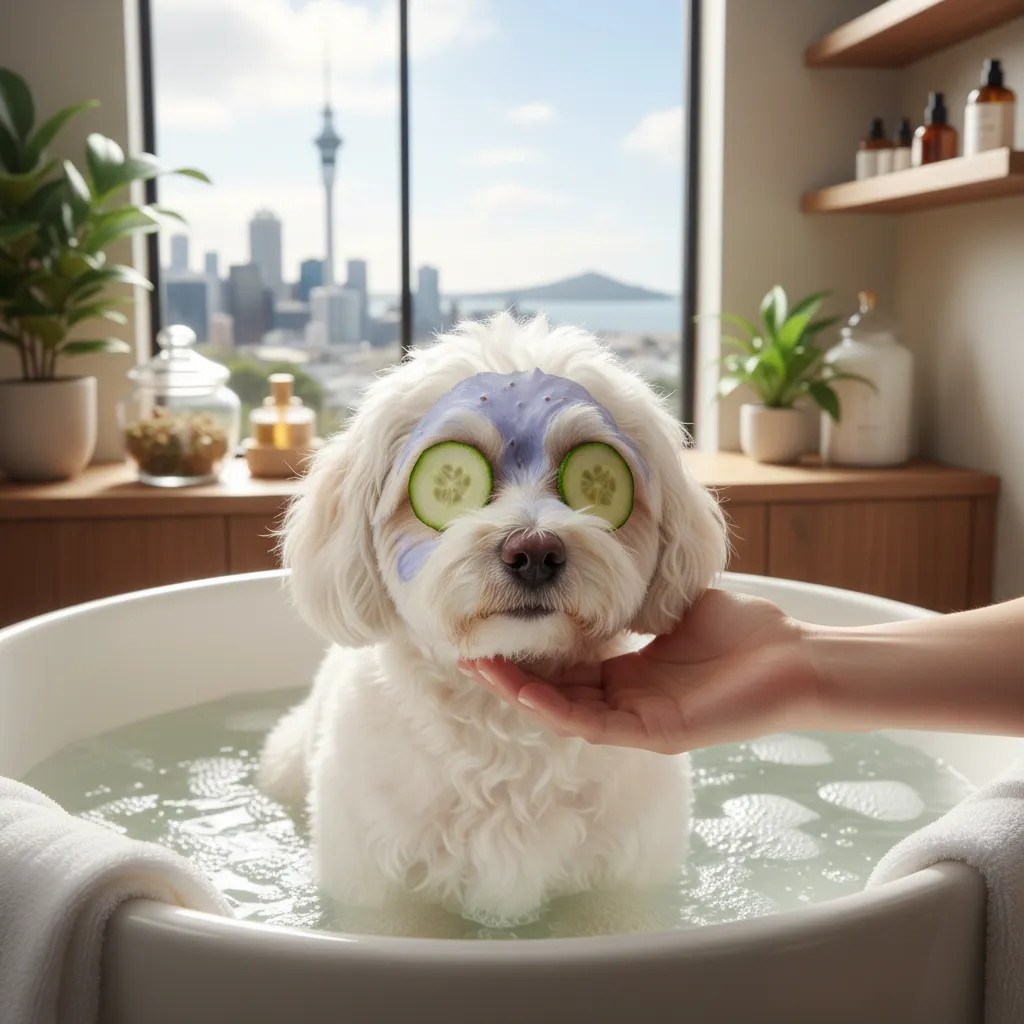
For the ultimate pampering, many pet spas in New Zealand offer luxury experiences. These might include aromatherapy baths, hydrating mud masks, blueberry facials (great for tear stains), therapeutic massages, and even special coat conditioning treatments. These services not only enhance a pet’s appearance but also provide a deeply relaxing and enjoyable experience, contributing to their overall mental well-being. Think of it as a day at the spa, but for your furry friend!
Navigating the Search for Reputable Pet Groomers and Spas in New Zealand
Choosing the right pet groomer is a critical decision that impacts your pet’s safety, comfort, and overall health. In New Zealand, a thriving pet care industry means you have options, but it also means you need to be discerning. A reputable groomer should prioritize your pet’s well-being above all else, offering professional service in a safe and clean environment.
Key Qualities of an Excellent Groomer
When searching for a groomer, look for several key qualities. First and foremost, compassion and patience are essential. A good groomer understands animal behavior and can handle pets with kindness, even those who are anxious or fearful. They should also possess excellent communication skills, able to discuss your pet’s needs, explain their services, and provide feedback on your pet’s condition. Hygiene and cleanliness of the facility are non-negotiable; equipment should be sterilized, and the grooming area should be tidy and well-maintained. Furthermore, a skilled groomer will have a keen eye for detail and the technical expertise to perform a variety of cuts and treatments safely and effectively.
Certification and Training (e.g., NZVNA, relevant courses)
While formal certification isn’t always mandatory for pet groomers in New Zealand, it is a strong indicator of professionalism and commitment to industry standards. Look for groomers who have completed accredited training courses, which cover animal handling, breed-specific grooming techniques, pet first aid, and sanitation. Some groomers might also be members of professional associations. While not directly grooming related, the New Zealand Veterinary Nursing Association (NZVNA) promotes high standards in animal care, and groomers with a strong understanding of animal health often align with similar principles, demonstrating a commitment to ongoing education and best practices in animal welfare.
Health and Safety Protocols
A reputable grooming salon will have stringent health and safety protocols in place. This includes proper ventilation, secure enclosures, and safety restraints to prevent injuries during grooming. They should also have clear procedures for handling emergencies and be able to provide proof of insurance. Inquire about their vaccination requirements for pets to ensure a healthy environment for all animals. Staff should be trained in pet first aid, and the salon should have a policy for dealing with difficult or aggressive animals that prioritizes safety for both the pet and the groomer.
Reading Reviews and Seeking Recommendations
One of the most effective ways to find a good groomer is through word-of-mouth recommendations. Ask friends, family, veterinarians, and local pet store staff for their suggestions. Online reviews on platforms like Google, Facebook, and local directories can also provide valuable insights into other customers’ experiences. Pay attention to comments regarding staff friendliness, the quality of grooming, the cleanliness of the facility, and how pets were treated. Consistent positive feedback is a strong indicator of a trustworthy business.
The Importance of a Consultation
Before committing to a grooming appointment, especially for a new pet or a new groomer, always request a consultation. A good groomer will welcome the opportunity to meet you and your pet, discuss your expectations, assess your pet’s coat and temperament, and answer any questions you may have. This initial meeting allows you to observe the salon’s environment, assess the groomer’s interaction with your pet, and ensure you feel comfortable leaving your companion in their care. It’s also a chance for the groomer to explain their process and provide a realistic estimate of time and cost.
Empowering Pet Owners: Effective DIY Grooming Tips for NZ Pets
While professional grooming services are invaluable, integrating some basic DIY grooming practices into your routine can significantly contribute to your pet’s overall health and happiness. These home care tips can extend the time between professional appointments, help you bond with your pet, and allow for early detection of potential health issues.
Regular Brushing Routines
Daily or weekly brushing is perhaps the most fundamental aspect of at-home grooming. For short-haired breeds, a soft bristle brush or a grooming mitt can help remove loose fur and distribute natural oils. Long-haired and double-coated breeds will benefit from slicker brushes and undercoat rakes to prevent matting and reduce shedding. Regular brushing not only keeps the coat healthy and shiny but also provides a gentle massage that many pets enjoy, reinforcing your bond. Make it a positive experience with treats and praise, gradually increasing the duration as your pet becomes more comfortable.
Safe Bathing at Home
Bathing your pet at home can be an enjoyable experience if done correctly. Use pet-specific shampoos and conditioners, as human products can irritate their skin. Ensure the water temperature is lukewarm, and have all your supplies (towels, cotton balls for ears, non-slip mat) ready before you start. Rinse thoroughly to prevent skin irritation from shampoo residue. For pets who dislike baths, consider a gradual approach, starting with just wetting paws and slowly progressing. Remember, not all pets require frequent baths; over-bathing can strip natural oils, leading to dry skin.
Basic Nail Care: When and How
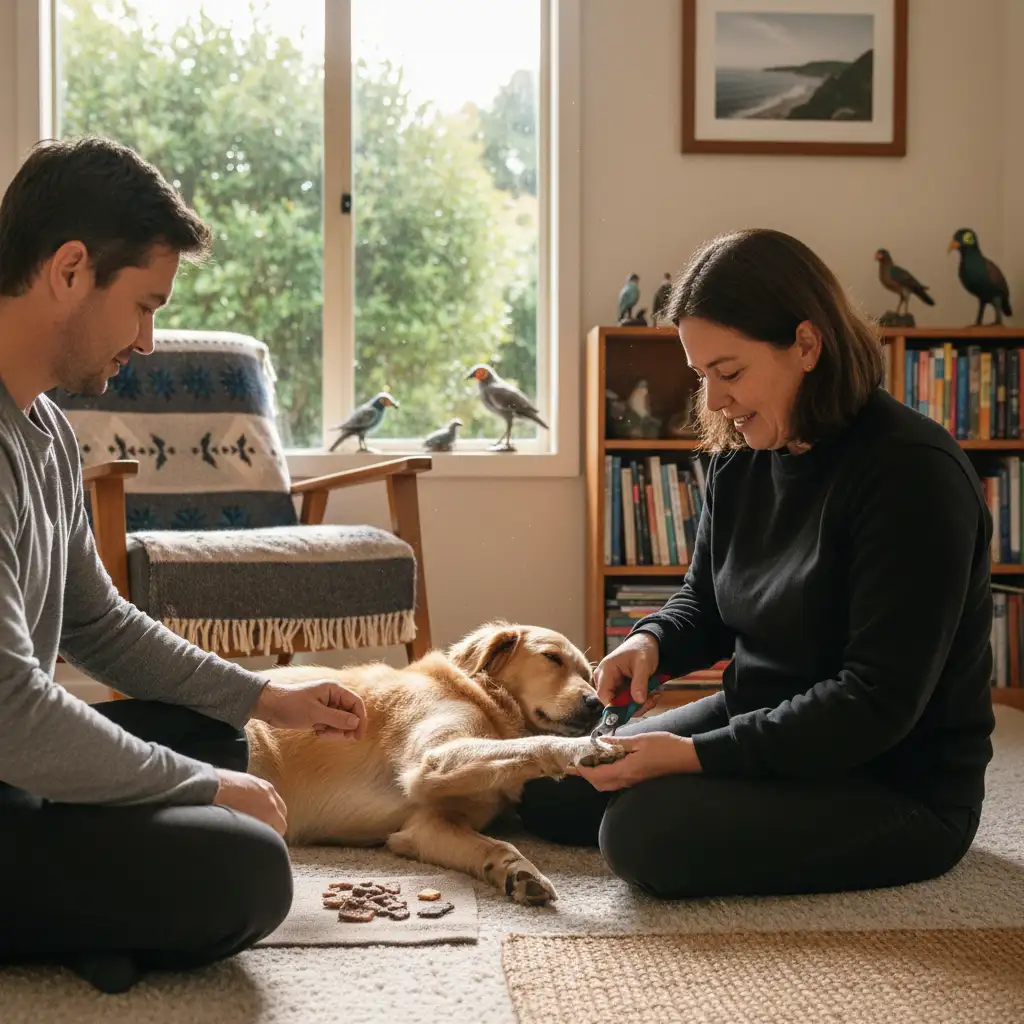
Trimming your pet’s nails can be daunting, but it’s crucial for their comfort and health. Invest in good quality clippers (guillotine or scissor style) and a styptic powder in case of accidental nicks. Learn to identify the quick (the pink part containing nerves and blood vessels) to avoid cutting too short. If you’re unsure, ask your vet or a professional groomer to demonstrate the technique. Frequent, small trims are better than infrequent, drastic cuts. If your pet is resistant, consider introducing nail trims slowly, perhaps only trimming one or two nails at a time, always with positive reinforcement.
Ear Cleaning Essentials
Regularly checking your pet’s ears for dirt, redness, or unusual odor is important. If you notice a buildup of wax or mild dirt, you can gently clean the outer ear with a vet-approved ear cleaning solution and a cotton ball or soft cloth. Never use cotton swabs inside the ear canal, as this can push debris further in or damage the eardrum. If you suspect an infection (excessive scratching, foul odor, head shaking, discharge), always consult your veterinarian immediately; do not attempt to self-treat an infection.
Knowing When to Call a Professional
While DIY grooming is beneficial, it’s essential to recognize its limitations. Some tasks, like de-matting severely matted fur, intricate haircuts, or dealing with behavioral issues during grooming, are best left to professionals. If your pet has a skin condition requiring medicated baths, or if you’re uncomfortable with nail trimming or ear cleaning, don’t hesitate to seek professional help. Professional groomers have the tools, expertise, and experience to handle complex situations safely and effectively, ensuring your pet receives the best possible care without stress or injury.
In conclusion, whether through routine professional visits or consistent at-home care, prioritizing your pet’s grooming is an act of love and responsible ownership. In New Zealand’s diverse environment, from city apartments to rural farms, ensuring your pet’s coat, skin, nails, and ears are well-maintained is paramount to their overall health, comfort, and happiness. By understanding the available services and making informed choices, you can ensure your beloved companion leads a healthy, joyful, and well-groomed life.
People Also Ask
How often should a dog be professionally groomed in New Zealand?
The frequency of professional grooming depends largely on your dog’s breed, coat type, and lifestyle. Generally, most dogs benefit from professional grooming every 4-8 weeks. Breeds with continuously growing hair, like Poodles and Shih Tzus, may need grooming more frequently (every 3-4 weeks), while short-haired breeds might only require it every 2-3 months. Consult with your groomer for a personalized schedule.
What are the average costs for pet grooming in NZ?
The cost of pet grooming in NZ varies widely based on the pet’s size, breed, coat condition, the services requested, and the groomer’s location and reputation. Basic washes for small dogs might start from $50-$70, while full grooms with haircuts for large or difficult-to-manage breeds can range from $100-$200 or more. Specialty services like de-shedding or medicated baths may incur additional charges. It’s best to get a quote directly from your chosen groomer.
Is professional grooming necessary for all dog breeds in New Zealand?
While all dog breeds benefit from some form of regular grooming, the necessity for professional grooming varies. Breeds with high-maintenance coats (e.g., Poodles, Afghan Hounds, Old English Sheepdogs) absolutely require professional care to prevent matting and skin issues. Even short-haired breeds benefit from occasional professional baths, nail trims, and ear cleaning, as groomers have specialized tools and expertise to perform these tasks thoroughly and safely.
What should I look for in a good pet groomer in Auckland or Wellington?
When seeking a pet groomer in major NZ cities like Auckland or Wellington, look for a clean and safe facility, experienced staff with certifications (if available), positive online reviews and word-of-mouth recommendations, transparency in pricing, and clear health and safety protocols (e.g., vaccination requirements). A good groomer should also be patient, compassionate, and willing to conduct a consultation before the first appointment to discuss your pet’s needs and temperament.
Can I groom my cat at a pet spa in New Zealand?
Yes, many pet spas and professional groomers in New Zealand offer grooming services for cats, though cat grooming requires specialized skills and a very calm environment. Services can include baths, de-shedding treatments, nail trims, and even lion cuts for long-haired cats prone to matting. It’s crucial to find a groomer experienced with felines, as cats can be more sensitive to grooming than dogs. Always discuss your cat’s temperament with the groomer beforehand.
How can I prepare my pet for their first professional grooming appointment in NZ?
To prepare your pet for their first grooming appointment, start by familiarizing them with being handled at home, especially touching their paws, ears, and mouth. Regular brushing can also help. Keep the experience positive with treats and praise. Before the appointment, ensure your pet has had a chance to relieve themselves. Provide the groomer with your pet’s vaccination records, any known health issues or allergies, and details about their temperament. A pre-appointment consultation can also help ease your pet into the new environment.