
Helping Kids Cope with Pet Rehoming in New Zealand
Life changes. We get it. Sometimes, the absolute hardest decisions a family has to make are born out of pure love for their animals.
Right now in Aotearoa, the rising cost of living and shifting rental markets are putting immense pressure on ordinary households. For many, finding a new, loving family for their dog or cat is the only responsible choice left on the table.
While adults understand the practical reasons behind this choice, explaining it to a child is entirely different. For children, a pet isn’t just an animal; it’s a sibling, a trusted confidant, and a constant source of comfort.
When it comes to helping kids cope with pet rehoming in New Zealand, honesty is always the kindest path forward. This guide is here to help you navigate those tough conversations, validate your child’s feelings, and ensure your pet’s transition is as smooth as possible.
Key Takeaways
When helping kids cope with pet rehoming in New Zealand, always use clear, age-appropriate language. Avoid false promises or vague stories. Maintain daily routines, validate their feelings of grief, and reassure them that home-to-home adoption keeps their pet safe, loved, and completely out of the shelter system.
The Reality of Changing Circumstances
According to the latest Companion Animals New Zealand Pet Data Report, roughly 63% of Kiwi households share their lives with a pet. We are a nation of animal lovers. But love alone cannot always pay the vet bills or secure a pet-friendly rental.
The current economic climate has forced many families into an impossible corner. Recent data shows that nearly 1 in 6 owners have had to consider rehoming due to financial strain. When the budget gets tight, families are skipping their own essentials just to keep their pets fed.
Making the call to rehome is never done lightly. It is a decision rooted in wanting the absolute best for the animal. Acknowledging this reality is the first step in helping your family process the transition without unnecessary guilt.
When institutional shelters are overwhelmed, finding a direct home-to-home adoption is the safest route. It ensures your pet bypasses the pound system entirely. Knowing this can bring immense comfort to both you and your kids.
There is a lot of stigma around rehoming, but there shouldn’t be. Choosing to find a better, more stable environment for your pet is an act of profound responsibility. You are doing the right thing.
Understanding How Children Process Loss
For many children, saying goodbye to a family pet is their very first encounter with grief. Their emotional attachment to their furry friend is often just as strong as their bond with human family members.
A major part of helping kids cope with pet rehoming in New Zealand involves shifting the narrative from a story of loss to a story of love. Children need to understand that the pet isn’t leaving because they were bad, or because the child didn’t love them enough.
Studies from child psychology experts show that brushing off a child’s grief can lead to prolonged distress. It is vital to sit with them in their sadness. Let them cry, let them ask the same questions repeatedly, and validate their feelings without trying to instantly “fix” the situation.
Kids often express grief through behavioral changes rather than words. You might notice regressions in sleep, sudden bursts of anger, or a temporary loss of interest in their favorite activities. This is all completely normal.
- They may need extra reassurance that the rest of their family unit is staying together.
- They might ask repetitive questions to make sense of the new reality.
- They could experience “magical thinking,” believing the pet will eventually return.
Age-by-Age Guide to the Big Conversation
The foundation of helping kids cope with pet rehoming in New Zealand is open, age-appropriate communication. How you explain the situation to a toddler will look vastly different from how you discuss it with a teenager.
Younger children lack the cognitive ability to grasp complex financial or housing issues. Older children, however, can handle the truth about the cost of living or strict landlord rules, provided it is delivered gently.
| Age Group | What They Understand | How to Talk to Them |
|---|---|---|
| Under 3 Years | They notice the absence but don’t grasp permanence. | Keep it simple. “Buddy has gone to live with a new family who loves him.” |
| 3 to 5 Years | They engage in magical thinking. They may think the pet will return. | Be gentle but clear. Reassure them that the pet is safe, but will not be coming back to live with us. |
| 6 to 8 Years | They understand permanence but may feel it is unfair or their fault. | Explain the “why” simply. “We want Bella to have a big yard to run in, which we can’t give her right now.” |
| 9+ Years | They can comprehend complex issues like finances and housing. | Be honest about the situation. Involve them in the process of packing the pet’s belongings. |
Never tell a child the pet “went to live on a farm” if it isn’t true. When children eventually learn the truth, it breaks their trust. Honesty builds long-term resilience.
The Reassurance of Zero Cage Time
One of the biggest fears children have is that their pet will be scared, lonely, or put in a cage. The traditional shelter system, while full of well-meaning staff, can be an incredibly stressful environment for an animal.
This is where the home-to-home adoption model shines. You can look your child in the eye and promise them that their pet will go directly from your warm living room to another family’s warm living room.
Explain to them that you are the one choosing the new family. Let them know that you’ve spoken to the new owners, seen pictures of their house, and made sure they have plenty of toys and a cozy bed ready.
This level of control removes the terrifying “unknown” from the equation. It empowers both you and your child, turning a stressful surrender into a carefully managed, empathetic handover.
Highlight the exciting things the pet will get to do in their new home. Whether it’s a bigger backyard, a new doggy sibling to play with, or someone who works from home to give them all-day cuddles.
Creating Meaningful Goodbyes
Closure is incredibly important for young minds. Sneaking the pet out of the house while the child is at school might seem like a way to spare their feelings, but it usually causes deep confusion and betrayal.
Instead, plan a dedicated time to say goodbye. Allow your child to give the pet a special final treat, take a few nice photos together, or pack a small bag of the pet’s favorite toys to take to their new home.
If you are looking for guidance on helping kids cope with pet rehoming in New Zealand, you are not alone in this journey. Community forums and local parent groups often suggest creating physical mementos to honor the pet’s time in your family.
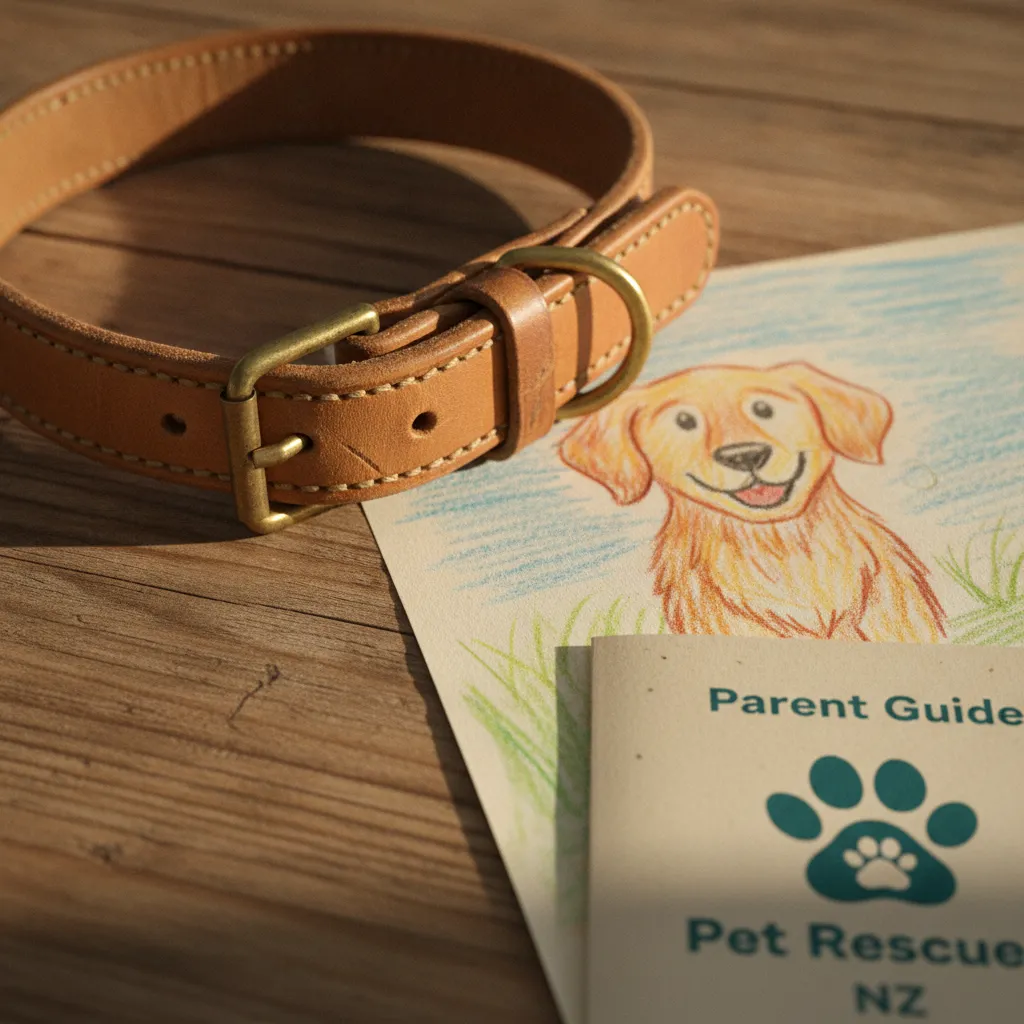
Gather a few printed photos, a clean spare collar, or a drawing your child made of the pet. Put them in a special box. Having a physical item to hold when they feel sad can be incredibly comforting.
Navigating the Weeks After
The house will feel quiet once the pet is gone. This silence can be tough on everyone. Stick to your family’s normal routines as much as possible to provide a sense of stability.
Expect the grief to come in waves. Your child might seem completely fine one day and be in tears the next because they dropped a piece of food and the dog wasn’t there to clean it up. Validate those moments.
If the new adoptive family is open to it, receiving a single update photo a few weeks later can work wonders. Seeing the pet looking happy and settled on a new couch provides tangible proof that you made the right decision.
Ultimately, helping kids cope with pet rehoming in New Zealand takes time and patience. Be kind to yourself, too. You made a hard choice out of love, and your kids will eventually learn a valuable lesson about selflessness and empathy.