Home to home pet rehoming New Zealand is the process of transferring pet ownership directly from one private home to another without placing the animal in a shelter or rescue facility. This method minimizes stress for the animal, allows the current owner to vet the new family personally, and frees up critical space in New Zealand’s overburdened animal welfare system.
Making the decision to rehome a beloved pet is arguably one of the most heart-wrenching choices a pet owner can face. Whether due to a change in housing, financial hardship, health issues, or behavioral challenges, the guilt can be overwhelming. However, choosing a direct home-to-home rehoming route is often the most responsible and compassionate action you can take. Unlike surrendering a pet to a shelter—where the environment can be loud, stressful, and uncertain—direct rehoming ensures your pet moves from one loving couch to another.
In New Zealand, the landscape of animal rescue is changing. Shelters like the SPCA and local rescues are frequently at capacity. By managing the rehoming process yourself, you become your pet’s best advocate, ensuring their specific needs are met by their new guardians. This definitive guide will walk you through the entire process of home-to-home pet rehoming in New Zealand, ensuring safety, legality, and peace of mind.
Understanding Home-to-Home Rehoming
Home-to-home rehoming, often called private rehoming, places the responsibility of finding a new owner on you, the current owner. While this requires more effort than simply dropping an animal off at a shelter, the benefits are substantial.
Firstly, you know your pet better than anyone else. You know that your cat hates vacuum cleaners but loves belly rubs, or that your dog is anxious around men with hats. A shelter staff member might not discover these nuances until it is too late, potentially leading to a failed adoption. By communicating these traits directly to a new owner, you set the adoption up for success.
Secondly, the shelter environment in New Zealand is high-stress. Even the best-run facilities cannot replicate the comfort of a home. Animals in shelters often deteriorate behaviorally due to noise and confinement. Direct rehoming bypasses this trauma entirely.
Steps for Successful Direct Rehoming
To ensure the process is smooth and safe, you must treat the rehoming project with the same seriousness as selling a high-value asset, but with the added weight of emotional attachment. Preparation is key.
Veterinary Health Check
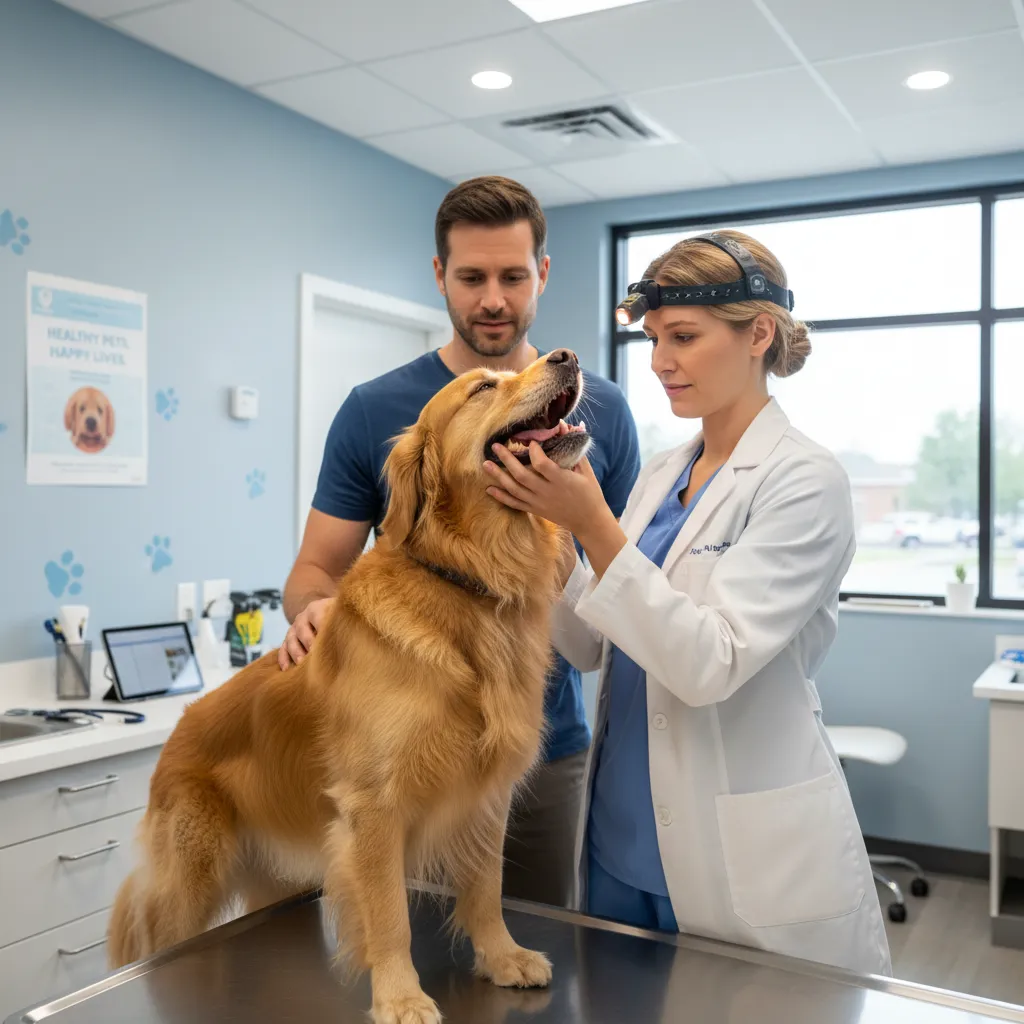
Before listing your pet, schedule a full veterinary check-up. A responsible adopter will want to know the medical history of the animal. Ensure vaccinations are up to date and, crucially, that the animal is desexed. In New Zealand, rehoming an undesexed animal contributes to the overpopulation crisis and attracts “backyard breeders” looking for cheap breeding stock. If you cannot afford desexing, contact local organizations like the SPCA or local rescue trusts who may offer subsidized desexing vouchers.
Behavioral Assessment
Be brutally honest with yourself about your pet’s behavior. Does your dog have bite history? Is your cat inappropriate with litter boxes? Hiding these issues will only result in the pet being bounced back to you or, worse, abandoned. Document their triggers, their likes, and their daily routine.
Creating an Irresistible Pet Profile
Your pet’s profile is their resume. In a digital world, this is the first impression potential adopters will have. A poor photo or a vague description will result in your pet being overlooked.
Photography Tips
You do not need a professional camera, but you do need good lighting. Take photos outside in natural light (overcast days are best to avoid harsh shadows). Get down on the animal’s eye level—do not take photos from above looking down. Capture their personality: a dog catching a ball, a cat lounging in a sunbeam. Include at least one clear headshot and one full-body shot.
Writing the Bio
Avoid generic phrases like “needs a good home.” Instead, tell a story. Structure the bio to cover:
- The Good: “Luna is a cuddle-bug who loves to sleep at the foot of the bed.”
- The Needs: “She requires a high fence as she is part huskie and loves to explore.”
- The Deal-Breakers: “Must be the only pet in the household.”
Honesty filters out unsuitable homes early, saving you time and protecting the pet.
Where to List Your Pet in New Zealand
Finding the right platform is crucial for reaching serious adopters in New Zealand.
TradeMe Pets
TradeMe is the most popular platform for rehoming pets in NZ. While there is a fee to list, this acts as a filter against people looking for “free” animals for nefarious purposes. Be sure to select the “To Rehome” category rather than “For Sale” if you are charging a nominal fee to cover costs.
Courtesy Listings with Rescues
Many New Zealand rescue organizations, such as local dog rescues or cat charities, offer “courtesy listings.” This means the pet stays with you, but they post the profile on their website and social media channels. This lends credibility to your listing and reaches an audience specifically looking to adopt, not buy.
Social Media
Facebook groups dedicated to rehoming in specific regions (e.g., “Pets for Rehoming Auckland”) can be effective. However, these platforms require rigorous screening (discussed below) as they are less regulated than TradeMe.
Screening Potential Adopters Effectively
This is the most critical phase. Your goal is to be a detective. Do not feel bad about asking intrusive questions; you are the gatekeeper of your pet’s future safety.
The Initial Interview
Before meeting in person, conduct a phone or video interview. Ask open-ended questions that require more than a yes/no answer.
- “Describe your daily routine and how the pet fits into it.”
- “What happened to your previous pets?” (Look out for answers like “ran away” or “gave it away when we moved”).
- “How will you handle it if the dog chews your furniture or the cat scratches the sofa?”
- “Do you rent or own?” (If renting, ask for written proof of landlord permission).
The Meet and Greet
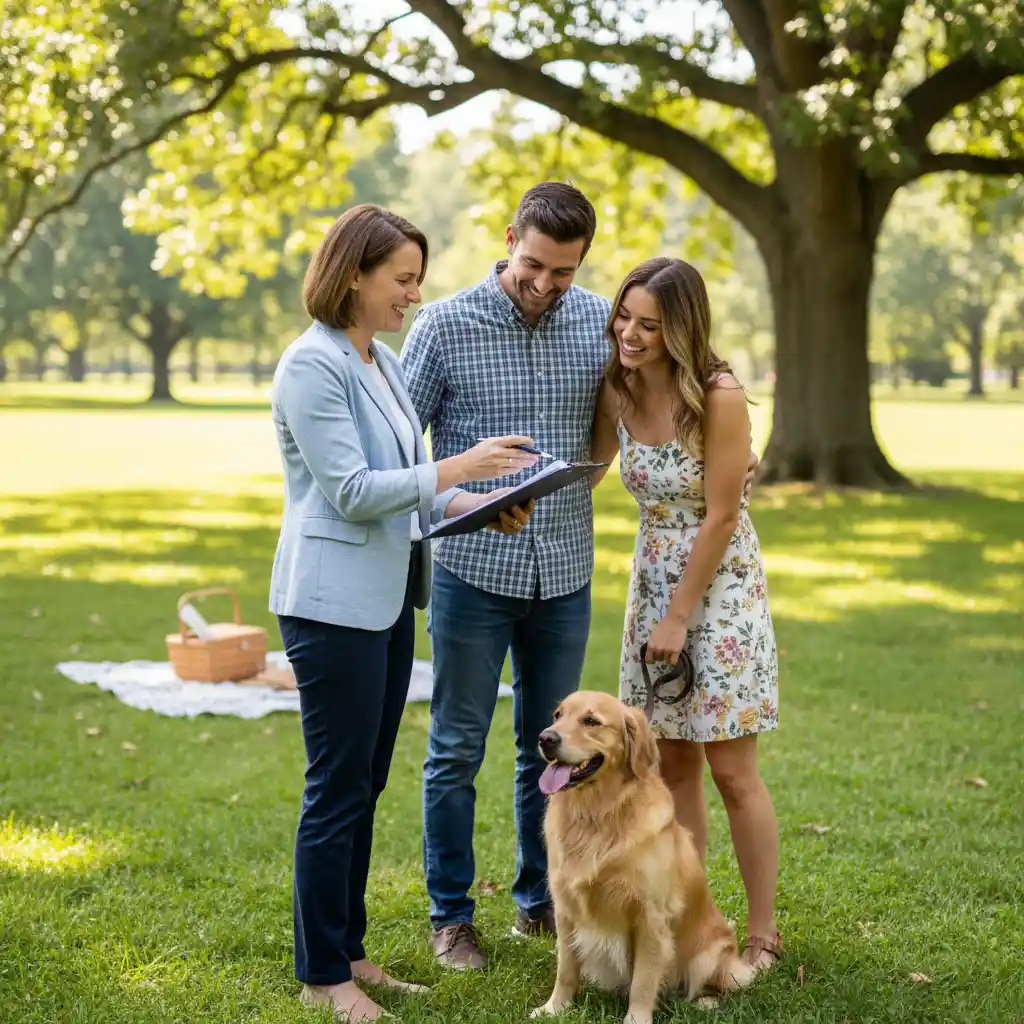
Arrange a meeting in a neutral public place for dogs, such as a park. For cats, you may need to invite them to your home, but ensure you have another person with you for safety. Observe how they interact with the animal. Do they ask permission before petting? Do they seem comfortable handling the animal? Trust your gut instinct. If something feels off, do not proceed.
Home Checks
Never hand over an animal without seeing where they will live. A home check verifies that the environment is safe. Check for secure fencing for dogs. Ensure the home isn’t chaotic or hazardous. If an adopter refuses a home check, it is an immediate red flag.
Legal Aspects of Private Rehoming in NZ
Rehoming a pet involves a transfer of ownership, which has legal implications in New Zealand.
Microchip Registration
It is a legal requirement for dogs to be microchipped and registered with their local council. Furthermore, both cats and dogs should be registered on the New Zealand Companion Animal Register (NZCAR). When you rehome a pet, you must transfer these details. Do not leave the microchip in your name. You can download transfer forms from the NZCAR website. The new owner usually pays a small fee to update the details.
Rehoming Fees vs. Selling
It is highly recommended to charge a rehoming fee. This is not to make a profit, but to deter dog fighters (who look for free bait dogs) and bunchers (who collect free animals to sell to laboratories or for breeding). A fee demonstrates that the new owner is financially capable of caring for a pet. In New Zealand, if you breed animals for the purpose of selling them, you fall under different regulations regarding consumer guarantees. Private rehoming of a personal pet is generally exempt from the Consumer Guarantees Act, but you must not misrepresent the animal’s health or behavior.
Adoption Contracts
Draft a simple rehoming contract. This documents the transfer of ownership and can include a “return clause.” A return clause states that if the new owner can no longer keep the pet for any reason, they must return the pet to you rather than selling it or taking it to a shelter. While enforcing this legally can be difficult, it sets a moral expectation.
The Transition Period
Once you have selected a new family, help them prepare. Send the pet with their familiar items—their bed, favorite toys, and a supply of their current food to prevent tummy upsets. Write up a “User Manual” for the pet, detailing feeding times, vet details, and quirks.
Understand that the pet will be confused. The “3-3-3 Rule” is a good concept to share with the new owners: 3 days to decompress, 3 weeks to learn the routine, and 3 months to feel at home. Advise the new owners to keep things quiet and low-pressure for the first few weeks.
Rehoming a pet is an act of love. By following this guide on home to home pet rehoming New Zealand, you are ensuring that your companion finds a safe, forever home where they can thrive, while you act responsibly within the wider New Zealand animal welfare community.
Frequently Asked Questions
Is it legal to rehome a dog yourself in NZ?
Yes, it is legal to privately rehome your dog in New Zealand. However, you must ensure the dog is microchipped and registered with the local council. You are responsible for transferring the ownership details on the New Zealand Companion Animal Register (NZCAR) and the local council database to the new owner.
Where can I list my dog for rehoming in NZ?
The most effective platforms for rehoming in NZ include TradeMe Pets (under the ‘To Rehome’ category), community Facebook groups (vetting required), and asking local rescue centers if they offer ‘courtesy listings’ on their websites to help you find a match while the pet stays with you.
How do I transfer microchip details in NZ?
To transfer microchip details, you need to access the New Zealand Companion Animal Register (NZCAR). You can download a ‘Change of Guardian’ form from their website. Both the current and new owners typically need to sign this, and a small processing fee may apply. Don’t forget to also update the local council registration for dogs.
What is a reasonable rehoming fee in NZ?
A reasonable rehoming fee in NZ typically ranges from $50 to $300. This fee is not for profit but covers recent veterinary costs (desexing, vaccination) and acts as a deterrent against people looking for free animals for dog fighting or baiting. It ensures the new owner is financially committed.
Can I give my cat to the SPCA NZ?
You can surrender a cat to the SPCA, but acceptance depends on their capacity and the animal’s health/temperament. Surrendering is often a last resort. The SPCA encourages owners to try home-to-home rehoming first, as it is less stressful for the cat and keeps shelter cages open for abused or abandoned animals.
How do I write a contract for rehoming a pet?
A simple rehoming contract should state the date, the names and addresses of both parties, a description of the pet (including microchip number), and the rehoming fee paid. It should ideally include a clause stating that if the new owner cannot keep the pet, they must contact you first before rehoming it elsewhere.
For further reading on animal welfare laws and standards in New Zealand, you can refer to the Ministry for Primary Industries (MPI) Animal Welfare section.