To screen pet adopters effectively, you must implement a multi-layered vetting process that includes a comprehensive written application, a conversational interview to assess lifestyle compatibility, verification of veterinary history and landlord permissions, and a safety-focused home visit. This systematic approach is the only way to ensure the animal’s long-term welfare and prevent future abandonment.
The Importance of Rigorous Screening in Home-to-Home Rehoming
Rehoming a beloved pet is one of the most heart-wrenching decisions a pet owner can make. Whether due to a change in living circumstances, financial hardship, or health issues, the goal remains the same: finding a “forever home” that is safer and more suitable than the current one. In the context of New Zealand’s home-to-home rehoming landscape, the responsibility of vetting falls entirely on you, the current owner. Unlike shelters that have dedicated staff for this, you are the gatekeeper of your pet’s future.
Effective screening is not about judging people; it is about risk management and matching. A bad match can lead to the animal being surrendered to a pound, abandoned, or subjected to trauma. By following a structured screening process, you act as an educational bridge, helping potential adopters understand the realities of pet ownership while ensuring your companion goes to a home where they will thrive. This guide provides a definitive framework for navigating interviews, checks, and visits safely and professionally.

Step 1: The Initial Application Review
The screening process begins long before you speak to a candidate. It starts with the written application. In the digital age, where interest can be expressed via a quick social media message or email, it is vital to slow the process down by requiring a formal response to specific criteria. Do not accept “Is this pet still available?” as a valid application.
Establishing Non-Negotiables
Before reviewing applications, list your pet’s specific needs. Does your dog require 6-foot fencing due to jumping ability? Does your cat need to be the only pet in the household? These are your non-negotiables. When reviewing an initial inquiry, scan immediately for these factors. If a candidate lives in an apartment and you are rehoming a high-energy working breed, you can politely decline immediately, saving both parties time.
Reading Between the Lines
Look for effort in the application. A candidate who writes detailed paragraphs about their family, their schedule, and why they love your specific pet is far more promising than someone offering one-word answers. Pay attention to the history of previous pets. If they mention having pets that “ran away” or were “given away” for minor behavioral issues, these are significant warning signs regarding their commitment levels.
Step 2: Developing Revealing Interview Questions
Once you have shortlisted promising applications, the next step is a phone or video interview. The goal here is to move beyond the script. You want to foster a conversation rather than an interrogation, as people are more honest when they feel relaxed. However, your questions must be targeted to reveal their true lifestyle and philosophy on pet care.
Lifestyle and Schedule Compatibility
Ask open-ended questions about their daily routine. Instead of asking “Do you have time for a dog?” (which invites a simple “Yes”), ask: “Walk me through a typical Tuesday in your household. What happens from the time you wake up until you go to sleep?” This forces the applicant to visualize where the pet fits into their actual schedule. For New Zealand owners, specifically ask about weekend habits—do they go away often? If so, what is their plan for the pet?
Philosophy on Training and Discipline
It is crucial to understand how they handle behavioral issues. Ask: “What would you do if this dog chewed your favorite pair of shoes?” or “How do you plan to handle it if the cat scratches the sofa?” You are looking for answers that indicate patience and a willingness to train, rather than punitive measures. Avoid applicants who suggest physical punishment or “rubbing their nose in it,” as these are outdated and harmful techniques.
Financial Preparedness
Veterinary care in New Zealand can be expensive. While you don’t need to see a bank statement, you must gauge their awareness of costs. Ask: “Are you familiar with the costs of annual vaccinations, flea/worm treatments, and potential emergency surgeries? do you plan to get pet insurance?” Their reaction will tell you if they have considered the financial burden of ownership.
Step 3: Analyzing Responses and Spotting Red Flags
During the interview, listen not just to what they say, but how they say it. You are looking for consistency, honesty, and realistic expectations. A candidate who claims they will be home 24/7 is likely exaggerating, or their situation is temporary. You want an adopter who has a realistic plan for when life gets busy.
The “Perfect” Answer Trap
Beware of candidates who tell you exactly what they think you want to hear. If they claim to have no deal-breakers and say they can handle any behavioral issue, be skeptical. Experienced pet owners know their limits. A candidate who says, “I am not comfortable with aggression, but I can handle separation anxiety,” is showing self-awareness, which is a positive trait.
Inconsistency in Narrative
If the application stated they have a fully fenced yard, but on the phone, they mention they are “planning to fix the gate,” this is a discrepancy that requires investigation. Small lies or omissions often point to larger issues regarding trustworthiness.
Step 4: Reference Checks and Verification
Never skip this step. People can present themselves perfectly in an interview, but third-party verification provides objective data. In the context of ethical rehoming, you are essentially hiring a guardian for your family member.
Veterinary Records
Ask for the name of their current or previous vet and permission to call them. When you call, ask specific questions: “Were their previous pets up to date on vaccinations?” “were they on regular flea and worm prevention?” and “Was the animal desexed?” A vet reference is the gold standard for predicting future care. If they have no vet history but claim to have owned pets, this is a major red flag.
Landlord and Property Verification
In New Zealand’s rental market, housing security is a primary reason for pet surrender. You must verify that the pet is legally allowed on the property. Do not take the tenant’s word for it. Ask to see a written letter from the landlord or property manager explicitly stating that a pet of this specific type (e.g., “a large dog”) is permitted. For further guidance on tenancy laws and pet bonds, you can refer to Tenancy Services NZ, which provides authoritative advice on rental agreements.
Step 5: Conducting Safe and Effective Home Visits
The home visit is the final hurdle. It serves two purposes: verifying the safety of the environment for the pet, and verifying the vibe of the household. In the era of digital communication, virtual tours can be a preliminary step, but a physical visit is strongly recommended before final handover.
Safety First: For You and the Pet
When conducting a home visit, prioritize your personal safety. Always take a friend or family member with you, and let someone else know where you are going. If you feel uncomfortable at any point, trust your gut and leave. You are under no obligation to complete the visit if the situation feels off.
What to Inspect
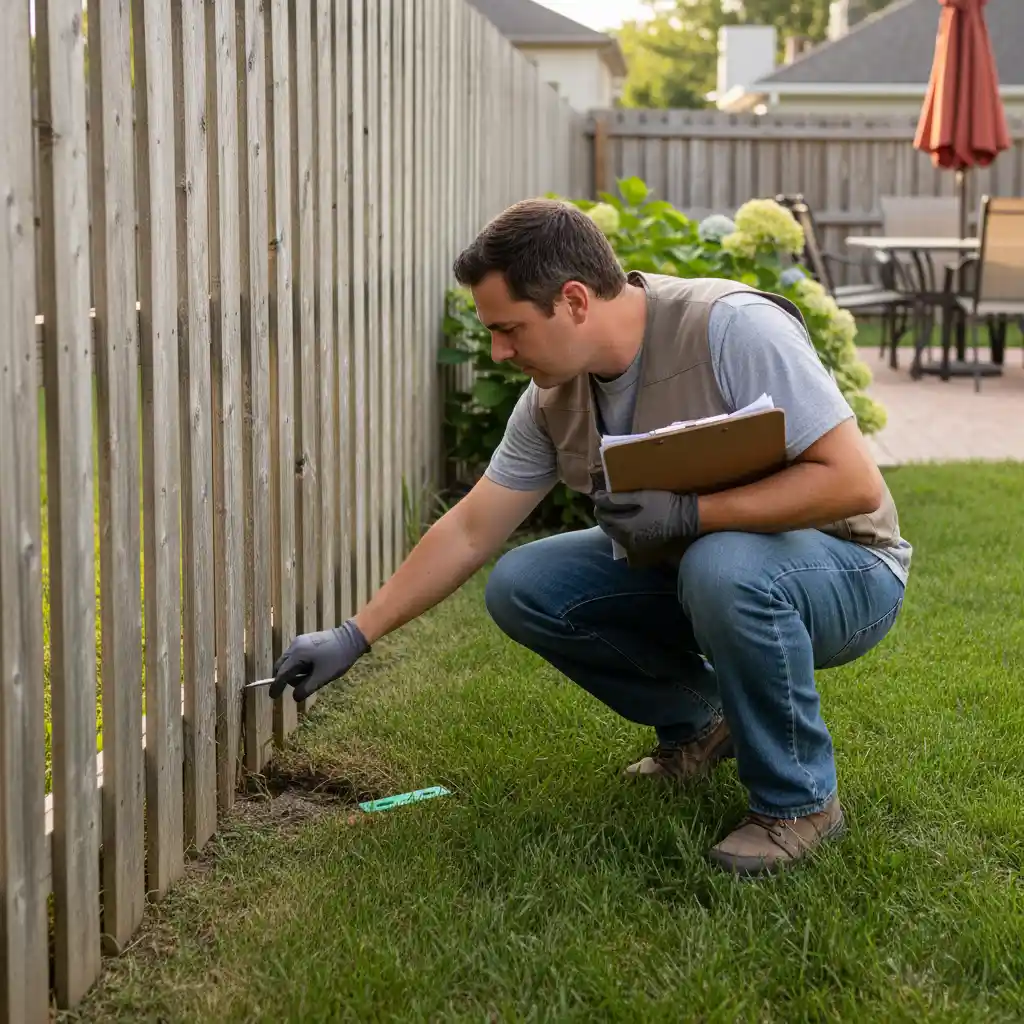
For dogs, walk the perimeter of the fence. Look for gaps, low points, or loose boards. In New Zealand, many properties have “lifestyle” fencing (post and wire) which may not contain smaller dogs. Check for toxic plants, exposed wiring, or other hazards. For cats, look at window screens and the location of doors to busy roads. Ask to see where the pet will sleep and where they will be kept when the owners are out.
Observing Family Dynamics
Watch how the family members interact with each other. Is the home chaotic or calm? Are the children respectful of boundaries? If you bring your pet along (which is recommended for a meet-and-greet), observe how the potential adopters approach the animal. Do they ask permission before touching? Do they read the animal’s body language correctly? These subtle cues are predictors of how they will treat the pet when you are not there.
Step 6: The Meet and Greet and Final Decision
If the application, interview, references, and home check all pass, the final step is the interaction. This should happen in a neutral territory for dogs (like a local park) or a quiet room for cats. This prevents territorial aggression and allows the animals to focus on each other.
Trusting Your Instincts
Even if a candidate looks perfect on paper, if the chemistry isn’t there, do not force it. The dog might be fearful of the husband, or the cat might hide from the children. The animal’s reaction is a critical data point. If the pet seems relaxed and happy, and the adopters are gentle and attentive, you are likely on the right track.
The Rehoming Contract
To finalize the adoption safely, use a rehoming contract. This document should outline that if the adoption does not work out for any reason, the pet must be returned to you, not sold online or taken to a shelter. This safety net is the hallmark of ethical rehoming. Ensure you also transfer the microchip registration (via the NZ Companion Animal Register) and update local council records only after the trial period is successful.
Screening adopters is labor-intensive, but the peace of mind it brings is invaluable. By adhering to this rigorous process, you ensure that your pet’s next chapter is filled with love, safety, and stability.
People Also Ask
What questions should I ask a potential dog adopter?
You should ask about their daily routine, how long the dog will be left alone, their exercise plan, their philosophy on discipline, their housing situation (renting vs. owning), and their veterinary history with previous pets.
How do you politely decline a pet adopter?
Be honest but general. You can say, “Thank you for your interest, but we have decided to go with a family whose lifestyle more closely matches the specific needs of this pet.” You do not need to provide a detailed justification.
Is a home visit necessary for rehoming a cat?
Yes, a home visit is highly recommended even for cats. It allows you to check for escape routes (open windows, busy roads nearby) and assess the general safety and cleanliness of the environment where the cat will live.
How do I verify a potential adopter’s vet reference?
Ask the adopter for the name and number of their vet clinic. Call the clinic and ask if the client kept their previous pets up to date on vaccinations, desexing, and preventative care. Note that some clinics may require the client’s permission to release information.
What are the red flags when rehoming a pet?
Red flags include a lack of veterinary history, frequent moves, an unwillingness to let you visit their home, stories of pets running away or being given away, and vague answers regarding how much time they can spend with the pet.
Can I charge a rehoming fee in New Zealand?
Yes, charging a rehoming fee is standard practice and recommended. It deters people looking for free animals for nefarious purposes (such as dog fighting bait) and demonstrates that the adopter is willing to invest financially in the animal.