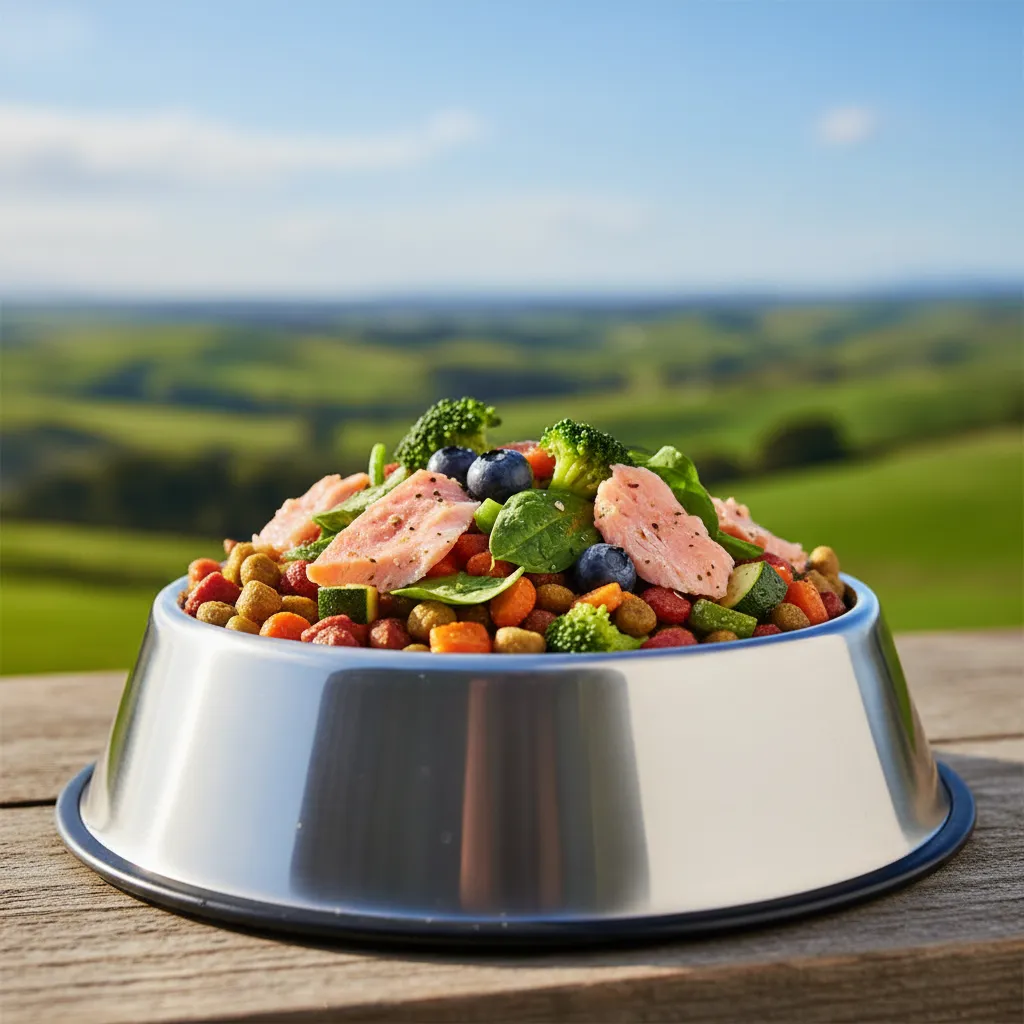
The best pet food NZ owners can provide is a diet that meets the specific nutritional levels established by the AAFCO or NZPFMA, utilizing high-quality, locally sourced proteins like lamb, venison, or king salmon. To ensure optimal health, you must select a formula that is complete and balanced for your pet’s specific life stage, whether it is a growing puppy, an active adult, or a senior requiring joint support.
Defining the Best Pet Food in New Zealand
New Zealand is renowned globally for its agricultural standards, and this extends to the pet food industry. When searching for the best pet food in NZ, pet owners are often overwhelmed by choices ranging from premium veterinary diets to supermarket brands and boutique raw blends. The definition of “best” is subjective to the individual animal, but objectively, it relies on the bioavailability of nutrients and the quality of ingredients.
In the New Zealand market, we have a unique advantage. Many premium pet foods utilize local ingredients such as pasture-raised lamb, venison, and sustainable seafood like Green-lipped mussels. These ingredients are not just fillers; they provide essential amino acids and omega-3 fatty acids crucial for skin and coat health. However, a high price tag does not always equate to the best nutrition. The gold standard involves looking for foods that have undergone feeding trials or meet the nutritional profiles set by the Association of American Feed Control Officials (AAFCO), which is the standard adopted by the New Zealand Pet Food Manufacturers Association (NZPFMA).
Nutritional Needs by Life Stage
One of the most critical factors in selecting a diet is the life stage of your pet. A rescue kitten has vastly different caloric and mineral requirements compared to a senior Golden Retriever. Ignoring these distinctions can lead to developmental disorders or obesity.
Puppies and Kittens: The Growth Phase
Young animals require energy-dense food to fuel rapid growth. For puppies, particularly large breeds common in NZ rescues (like Huntaways or Mastiff crosses), the balance of calcium and phosphorus is vital. Excess calcium can lead to orthopedic diseases. Look for labels that specifically state “formulated for growth” or “all life stages.” Kittens require higher protein levels and specific amino acids like taurine, which is non-negotiable for heart and eye health.
Adult Maintenance
Once a pet reaches maturity (usually 12 months for small breeds, up to 24 months for giant breeds), the goal shifts to maintaining ideal body condition. The best pet food NZ offers for adults will have a moderate calorie count to prevent obesity—a growing epidemic in New Zealand pets. This is the stage where lifestyle plays a huge role; a working farm dog needs a high-performance diet, while an apartment-dwelling rescue cat needs fewer calories.
Senior Pets: Supporting Aging Bodies
As pets age, their metabolism slows, and they may develop health issues like arthritis or kidney disease. Senior diets often feature reduced phosphorus (to protect kidneys), easily digestible proteins, and increased fiber. A uniquely New Zealand addition to many senior diets is the Green-lipped mussel (Perna canaliculus), which is scientifically proven to support joint health and mobility due to its anti-inflammatory properties.
Decoding Pet Food Labels: What NZ Owners Need to Know
Understanding the back of the pack is more important than the marketing on the front. Pet food labels can be deceptive if you do not know what to look for.
The Ingredient List
Ingredients are listed by weight, starting with the heaviest. However, savvy consumers must be aware of “ingredient splitting.” This occurs when a manufacturer breaks down an ingredient (like corn) into smaller categories (corn gluten meal, corn flour, whole corn) so that they appear lower on the list, allowing a meat product to appear first. Ideally, a named protein source (e.g., “Chicken Meal” or “Deboned Lamb”) should be at the very top.
Nutritional Adequacy Statement
This is the most important text on the bag. It will state whether the food provides “complete and balanced” nutrition. If a food is labeled for “intermittent or supplemental feeding only,” it is not suitable as a daily diet. This is common in some boutique or mixer brands.
Guaranteed Analysis
This chart provides the minimum percentages of crude protein and fat, and maximum percentages of fiber and moisture. While useful, it does not tell you the quality or digestibility of the protein. A leather boot contains high crude protein, but your dog cannot digest it. This is why sticking to reputable brands with science-backed formulations is often safer, especially for rescue pets with unknown dietary histories.
Navigating Allergies and Sensitivities
Itchy skin, chronic ear infections, and gastrointestinal upset are common reasons pets are surrendered to rescues. Often, these are symptoms of food sensitivities or environmental allergies.
True food allergies are actually less common than environmental allergies (like dust mites or pollen), but they do exist. The most common allergens are beef, dairy, wheat, and chicken. In New Zealand, where agriculture provides a wide variety of proteins, “novel protein” diets are a popular solution. A novel protein is simply a meat source the pet has never been exposed to before. Common NZ novel proteins include:
- Venison: Lean and widely available.
- Brushtail Possum: An eco-friendly option that utilizes a pest species; it is high in Omega-3s.
- Goat: highly digestible and often hypoallergenic.
- Duck: A richer alternative to chicken.
If you suspect an allergy, the gold standard for diagnosis is an elimination diet conducted under veterinary supervision, usually lasting 8 to 12 weeks. Switching brands without changing the protein source rarely solves the problem.

The Homemade and Raw Feeding Debate
There is a significant movement in New Zealand toward raw feeding (BARF diets) and homemade meals. Proponents argue that it mimics a natural ancestral diet, leading to shinier coats and cleaner teeth.
Safety and Balance
While raw feeding can be beneficial, it carries risks. The primary concern is bacterial contamination (Salmonella, E. coli, Campylobacter), which poses a risk not just to the pet, but to the human family members handling the food. Furthermore, home-prepared diets are frequently nutritionally unbalanced. A diet of pure meat is deficient in calcium and other micronutrients, leading to severe bone density issues.
If you choose to feed raw or homemade, it is imperative to use recipes formulated by a board-certified veterinary nutritionist. Alternatively, many NZ companies now offer freeze-dried or high-pressure processed (HPP) raw food, which eliminates pathogens while retaining the nutrient profile of raw meat.
Nutrition for Rescue Pets: A Special Approach
Adopting a pet from a shelter often means inheriting a unique set of health challenges. Animals that have been strays or neglected may suffer from malnutrition or “starvation mode.”
Refeeding Safely
You should never overfeed an emaciated animal immediately. This can cause “refeeding syndrome,” a potentially fatal metabolic shift. Instead, feed small, frequent meals of a highly digestible, high-quality food. Puppy food is often used for emaciated adult dogs because of its high calorie and nutrient density.
Stress and Digestion
Moving to a new home is stressful. Stress causes colitis (inflammation of the colon), leading to diarrhea. For the first few weeks, it is advisable to keep the rescue pet on the same food they were eating at the shelter, or transition very slowly over 7-10 days to a new diet. Adding probiotics or pumpkin puree can help settle a nervous stomach during this transition period.
Conclusion: Investing in Long-Term Health
Choosing the best pet food in NZ is an investment in your companion’s longevity. Whether you opt for a science-based kibble, a freeze-dried raw diet, or a veterinary prescription formula, the key is consistency and suitability for your pet’s life stage. Always monitor your pet’s body condition score and adjust portion sizes accordingly. By combining high-quality nutrition with the love and care of a rescue home, you provide the foundation for a vibrant, healthy life.

People Also Ask
What is the healthiest food for dogs in NZ?
The healthiest food depends on the individual dog’s needs, but generally, it is a diet that meets AAFCO standards for “complete and balanced” nutrition. Top-tier NZ options often include premium brands using local ingredients like Ziwi Peak, K9 Natural, or science-backed brands like Royal Canin and Hills Science Diet.
Is grain-free dog food good for pets?
Grain-free is necessary only for pets with a diagnosed grain allergy, which is rare. Recent studies by the FDA have investigated a potential link between grain-free diets (specifically those high in legumes/peas) and heart disease (DCM) in dogs. Consult your vet before choosing grain-free. For more on nutritional guidelines, refer to the WSAVA Global Nutrition Guidelines.
Can I feed my dog raw meat in NZ?
Yes, but with caution. NZ has high-quality meat, but raw feeding carries risks of bacterial contamination (Salmonella) and nutritional imbalance. It is safer to use commercially prepared raw diets that have been pasteurized or freeze-dried to ensure safety and nutritional completeness.
What are the top NZ pet food brands?
Some of the most reputable New Zealand pet food brands include Ziwi Peak, K9 Natural, Tu Meke Friends, and Addiction. These brands are known for high meat content and using ethically sourced local ingredients.
How do I read a pet food label?
Look for the “Nutritional Adequacy Statement” to ensure it is complete and balanced. Check the first 3-5 ingredients for named protein sources (e.g., “Chicken” not “Meat meal”). Avoid foods with excessive fillers or artificial colors.
What human foods are toxic to pets?
Common toxic foods include chocolate, xylitol (artificial sweetener), grapes and raisins, onions, garlic, and macadamia nuts. If your pet consumes these, contact a veterinarian immediately.