For pet owners in New Zealand, a well-stocked pet first aid kit is an indispensable tool, enabling prompt responses to common injuries and sudden illnesses before professional veterinary care can be accessed. Having essential supplies and basic knowledge can significantly mitigate discomfort, prevent conditions from worsening, and potentially save your pet’s life during an emergency.
Must-Have Items for a Pet First Aid Kit
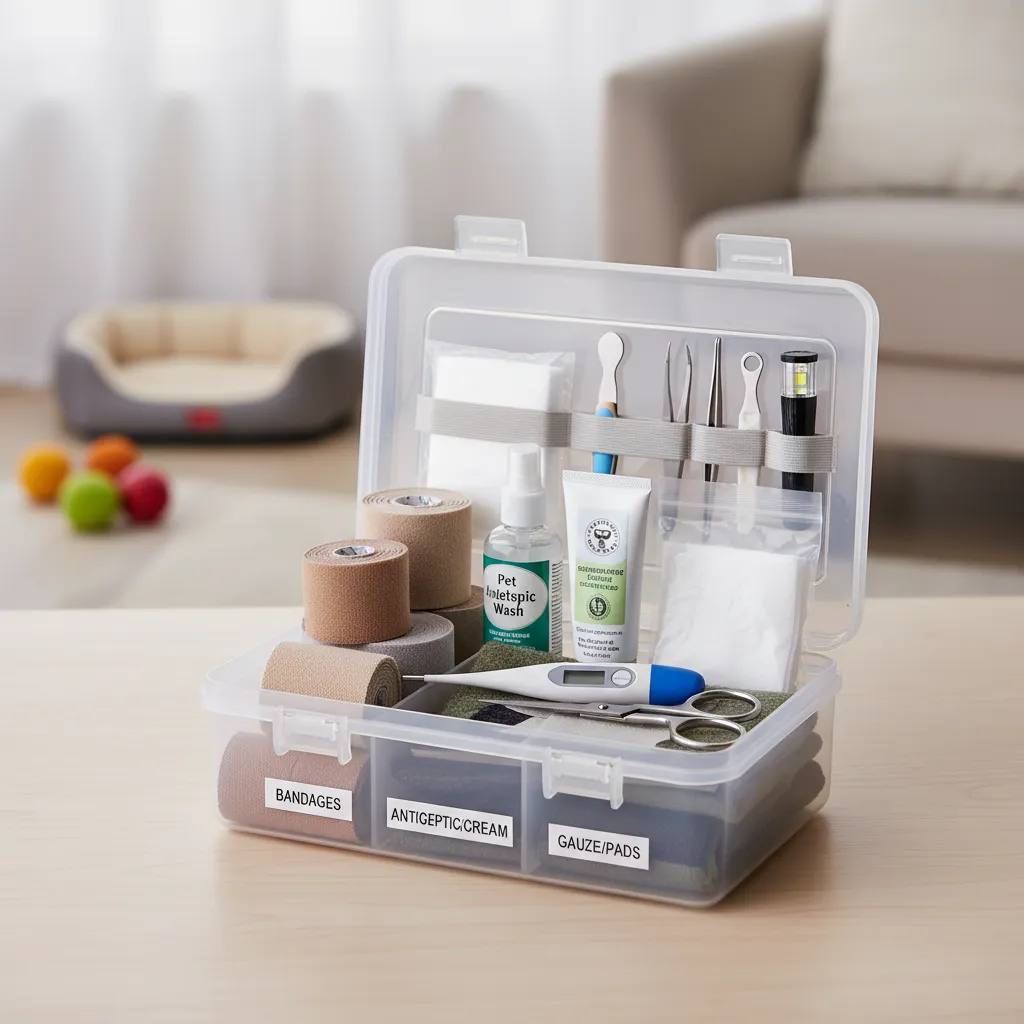
As a responsible pet owner in New Zealand, assembling a comprehensive first aid kit is not just a recommendation, it’s a critical component of proactive pet care. Think of it as your pet’s immediate lifeline, ready to address a range of minor ailments or stabilize more serious conditions until you can reach a veterinarian. The contents of your kit should be regularly checked and replenished, ensuring all items are within their expiry dates and in good condition.
Essential Supplies for Wound Care
- Non-stick Sterile Pads & Gauze Rolls: Crucial for covering wounds, absorbing blood, and creating pressure bandages. Choose various sizes.
- Adhesive Tape: Pet-friendly medical tape to secure bandages without sticking to fur.
- Antiseptic Wipes/Solution: Povidone-iodine (diluted) or chlorhexidine wipes for cleaning minor wounds, preventing infection. Avoid alcohol as it can sting and dry out tissue.
- Saline Solution: For flushing wounds, eyes, or rinsing away irritants. Ensure it’s sterile.
- Scissors (Blunt-ended): Safe for cutting bandages or carefully trimming fur around a wound.
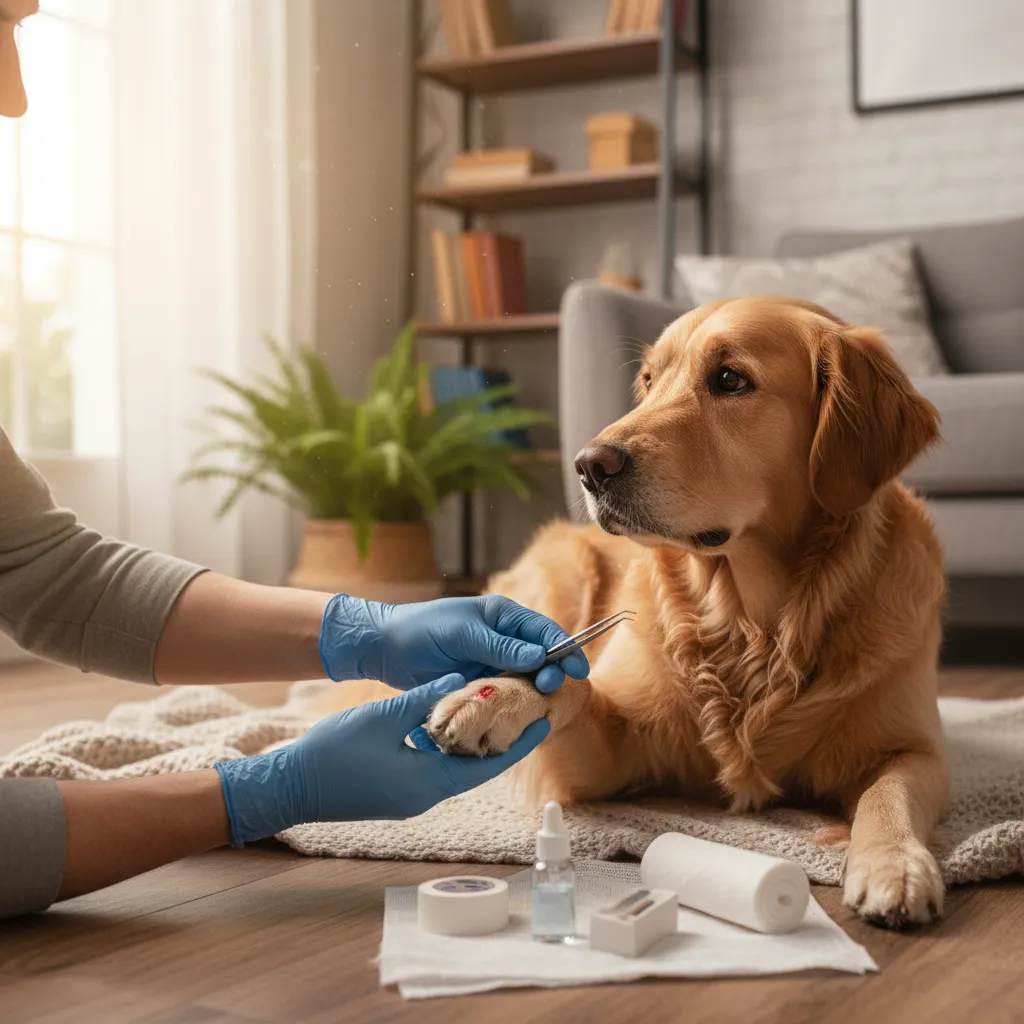
- Tweezers: For removing splinters, ticks, or other foreign objects.
Medication and Topical Treatments
- Antibiotic Ointment: A small tube of veterinarian-approved topical antibiotic for minor cuts and abrasions (e.g., Neosporin without pain relief). Always consult your vet before applying.
- Styptic Powder/Pencil: Essential for quickly stopping bleeding from minor cuts, especially nail quicks.
- Activated Charcoal: Under vet guidance, can be used to absorb certain ingested toxins. Do NOT administer without professional advice.
- Hydrogen Peroxide (3%): Can induce vomiting in some cases of poisoning, but ONLY under strict veterinary instruction as it can cause significant harm if used improperly.
- Prescribed Medications: If your pet has a known condition (e.g., allergies, seizures), include any emergency medications prescribed by your vet.
Diagnostic and Safety Tools
- Digital Thermometer: Rectal thermometer specifically for pets. Know your pet’s normal temperature (typically 37.8-39.2°C).
- Disposable Gloves: To maintain hygiene and protect both you and your pet from potential contaminants.
- Pet-Specific Cone Collar (E-collar): Helps prevent your pet from licking or chewing at wounds or bandages.
- Flashlight: To examine wounds, eyes, or check for objects in dark areas.
- Leash & Muzzle: Even the gentlest pet can bite when in pain or fear. A muzzle (basket style is best) is a critical safety item.
- Blanket/Towel: For warmth, comfort, or to use as a makeshift stretcher.
Personal Protective Equipment (PPE)
Beyond disposable gloves, consider having a small bottle of hand sanitiser for your own use. If dealing with potentially infectious material, a face mask can also be beneficial, though less common in basic pet first aid kits. The primary PPE for you will be gloves and the ability to safely restrain your pet without putting yourself at risk.
Creating a Grab-and-Go Kit
Organize all items in a waterproof, clearly labeled container that is easily accessible. Consider having a smaller, portable version for travel or hikes. Ensure everyone in the household knows where the kit is located and understands its basic contents. Regularly review and replace expired or used items. For further guidance on what to include, resources like the New Zealand Veterinary Association often provide valuable public information.
Basic First Aid Techniques for Common Injuries
Knowing how to use the items in your pet first aid kit is just as important as having them. These techniques are intended for immediate care and stabilization, not as a replacement for veterinary treatment. Always remember to approach an injured or distressed pet with caution, as they may bite or scratch out of pain or fear.
Addressing Cuts, Scrapes, and Punctures
- Minor Cuts/Scrapes: Gently clean the wound with antiseptic wipes or diluted chlorhexidine. Apply a thin layer of antibiotic ointment and cover with a sterile pad secured with medical tape.
- Bleeding Wounds: Apply direct pressure to the wound with a clean cloth or gauze. If bleeding is severe and doesn’t stop after a few minutes, maintain pressure and seek immediate veterinary attention. For paw pad cuts, a sock or bootie can help keep the bandage on.
- Punctures: Do NOT remove embedded objects (e.g., stick, nail) unless it’s superficial and easily accessible. Removing it could cause more damage or severe bleeding. Stabilize the object if possible and head to the vet. Clean superficial punctures and monitor for infection.
Managing Sprains and Fractures
If your pet is limping, holding up a limb, or there’s visible swelling/deformity, suspect a sprain or fracture. Keep your pet as still as possible. You can fashion a temporary splint with a rolled newspaper or magazine and tape, but only if you are confident you won’t cause more pain or damage. The priority is to transport your pet safely to the vet. Use a blanket or towel as a sling or stretcher if necessary.
Dealing with Burns and Scalds
Cool the burned area immediately with cool (not ice cold) running water for 10-20 minutes. Do not apply ice, butter, or ointments unless directed by a vet. Cover the burn lightly with a non-stick sterile pad and transport to the vet. Watch for signs of shock.
Handling Choking Incidents
If your pet is coughing, gagging, or pawing at their mouth, they might be choking. Carefully open their mouth and look for an obstruction. If visible and easily removable, try to sweep it out with your finger (be careful of being bitten). If not visible or removable, and your pet is conscious, perform abdominal thrusts (similar to Heimlich maneuver, but adapted for pets). Consult a vet immediately afterward, even if the object is dislodged.
What to do for Poisoning
If you suspect your pet has ingested a toxic substance, immediately contact your vet or an animal poison control centre. Have the product packaging or a sample of the substance ready. Do NOT induce vomiting unless specifically instructed by a professional, as some substances cause more harm coming back up. Follow professional guidance precisely.
Heatstroke and Hypothermia
- Heatstroke: Signs include excessive panting, drooling, lethargy, vomiting, and collapse. Move your pet to a cool, shaded area. Offer small amounts of water. Apply cool (not cold) water to their fur, especially on the belly and inner thighs, or use wet towels. Never immerse them in ice water. Get to a vet immediately.
- Hypothermia: Signs include shivering, lethargy, weakness, and cold to the touch. Warm your pet slowly with blankets or towels warmed in a dryer. Offer warm (not hot) liquids if conscious. Seek vet care.
When to Administer First Aid vs. Seeking Vet Care
Understanding the line between what you can manage with first aid and when professional veterinary intervention is absolutely necessary is paramount. Your goal with first aid is always to stabilise, not to cure, and to ensure your pet is as comfortable and safe as possible until expert help is available. When in doubt, always err on the side of caution and contact your veterinarian.
Recognizing Minor vs. Major Injuries
- Minor Injuries (First Aid Appropriate): Small cuts, scrapes, superficial paw pad abrasions, minor insect stings (without allergic reaction), mild lameness that resolves quickly. These often respond well to cleaning, bandaging, and close observation.
- Major Injuries (Requires Vet Care): Deep or profusely bleeding wounds, suspected fractures or dislocations, severe burns, eye injuries, persistent vomiting/diarrhoea, difficulty breathing, seizures, loss of consciousness, suspected poisoning, severe allergic reactions (e.g., facial swelling, difficulty breathing), inability to urinate or defecate, extreme pain or distress, or any injury that causes significant lameness or changes in behaviour.
The Importance of Observation
After administering first aid for a minor issue, diligent observation is crucial. Monitor your pet for any changes in their condition, such as increased pain, swelling, redness, discharge from a wound, lethargy, loss of appetite, or worsening symptoms. Any negative change warrants a call to your vet. Keep their activity restricted to allow for healing and prevent further injury.
When to Head Straight to the Vet
Certain situations demand immediate, emergency veterinary attention without delay. These include, but are not limited to: severe trauma (e.g., car accident, fall from height), uncontrolled bleeding, collapse, difficulty breathing, blue or pale gums, acute paralysis, continuous seizures, severe burns, profuse vomiting or diarrhoea, distended abdomen, or any situation where your pet appears to be in extreme pain or distress. Never hesitate to contact your vet or the nearest emergency animal hospital if you believe your pet’s life is at risk or they are suffering significantly.
Emergency Contact Information
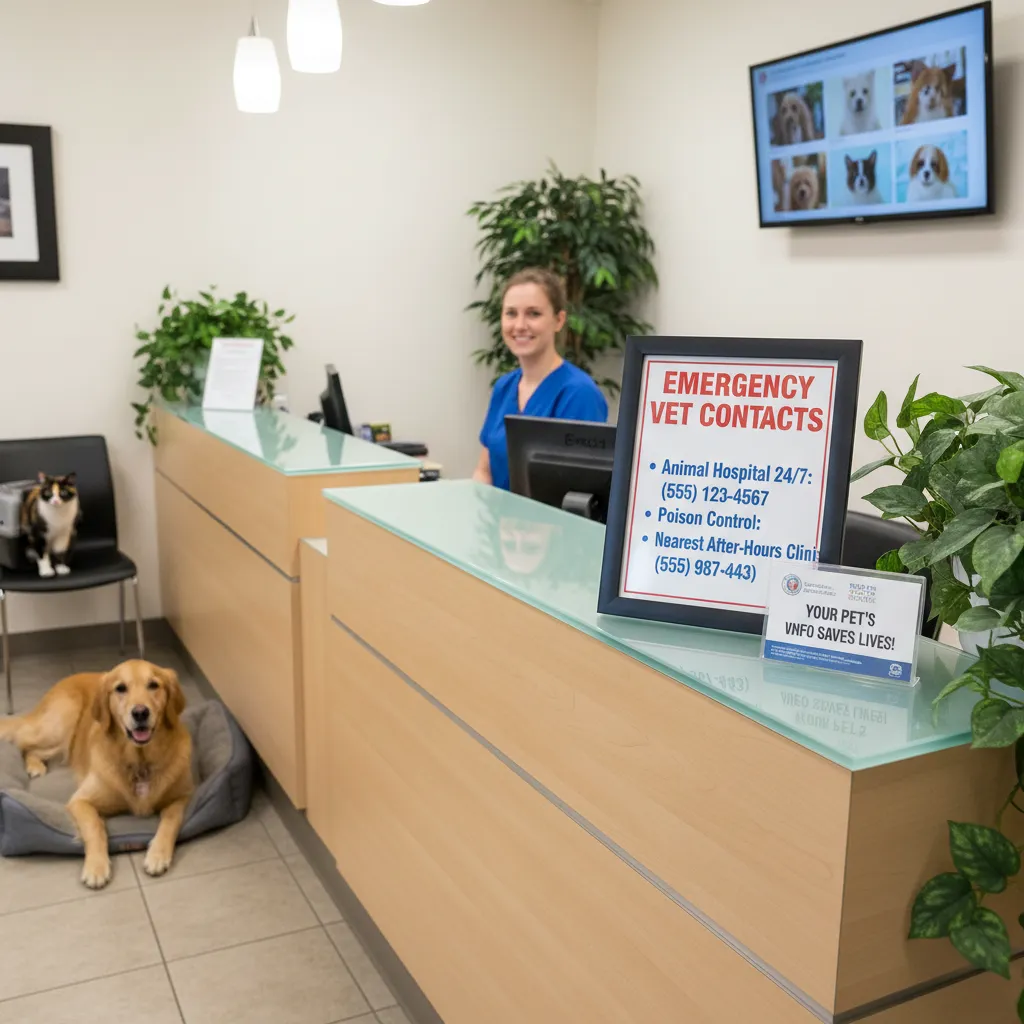
Having critical contact numbers readily available can save precious time during an emergency. It’s not enough to just have a first aid kit; you also need to know who to call and where to go. Store these numbers in your phone, and print them out to keep with your first aid kit and on your refrigerator.
Local Vet and Emergency Clinic Details
- Your Regular Veterinarian: Full name, phone number, and address.
- After-Hours Emergency Vet Clinic: Full name, phone number, and address of the nearest 24-hour or after-hours emergency vet. This is crucial for incidents occurring outside regular business hours. Map the route to this clinic in advance.
Poison Control Hotlines
While New Zealand doesn’t have a dedicated national animal poison control centre like some larger countries, your primary point of contact for suspected poisoning should always be your local vet or an emergency vet clinic. They can offer specific advice based on the substance ingested and your pet’s condition. In some cases, your vet may refer you to an international animal poison control service, so be prepared for potential associated fees. For general advice, the ASPCA Animal Poison Control Center (APCC) can sometimes provide guidance, though they are US-based and may have charges.
Pet First Aid Apps and Resources
Consider downloading a pet first aid app for quick reference. Many apps provide step-by-step instructions for common emergencies, locate nearby vets, and help you keep records. Resources from organisations like the SPCA or local animal welfare groups in New Zealand can also provide valuable information and training opportunities. Being prepared is the best way to protect your beloved pet.
People Also Ask
What are the 5 essential items for a pet first aid kit?
The five most essential items for a pet first aid kit are usually considered to be: 1. Non-stick sterile pads and gauze for wound dressing. 2. Antiseptic wipes or solution for cleaning wounds. 3. Adhesive tape specifically designed for medical use on pets. 4. Blunt-ended scissors for cutting bandages or fur. 5. A digital rectal thermometer to check your pet’s temperature. These form the core for addressing immediate minor injuries.
How often should I check my pet’s first aid kit?
You should check your pet’s first aid kit at least every 3-6 months. This regular check allows you to replenish any used items, replace expired medications or solutions, ensure batteries in items like flashlights are working, and confirm all supplies are in good condition. It’s also a good time to review your emergency contact information.
Can I use human first aid supplies on my pet?
While some human first aid supplies can be adapted for pets (e.g., gauze, adhesive tape, saline solution), it’s generally best to use pet-specific products where possible. Many human medications and antiseptics can be toxic or harmful to pets due to different metabolisms or concentrations. Always consult your veterinarian before using any human medication or product on your pet.
What should I do if my pet is bleeding heavily?
If your pet is bleeding heavily, apply firm, direct pressure to the wound using a clean cloth or sterile pad. Maintain continuous pressure for several minutes. Do not remove the cloth if it soaks through; instead, add more layers on top. If the bleeding doesn’t slow or stop, or if the wound is deep and extensive, seek immediate emergency veterinary attention while continuing to apply pressure.
Is it safe to induce vomiting in my pet if they ate something bad?
No, it is generally NOT safe to induce vomiting in your pet without explicit instructions from a veterinarian or animal poison control. Inducing vomiting can be dangerous depending on the substance ingested (e.g., corrosives, sharp objects) and your pet’s health condition. Always contact your vet immediately if you suspect your pet has ingested something toxic and follow their specific advice.
Where is the best place to keep a pet first aid kit?
The best place to keep a pet first aid kit is in a cool, dry, and easily accessible location within your home, away from direct sunlight or extreme temperatures. It should be stored in a sturdy, waterproof container. Consider having a smaller, portable version for your car or when traveling, and ensure all adult family members know its location.