Pet friendly hotels NZ refers to a growing selection of accommodations across New Zealand—from luxury lodges to holiday parks—that welcome companion animals. To secure a booking, travelers generally need to verify specific breed restrictions, pay a surcharge, and ensure their pets are fully vaccinated and house-trained before arrival.
New Zealand is a nation of animal lovers, with high rates of pet ownership and a stunning landscape begging to be explored. For those in the Pet Rescue NZ community, the idea of leaving a newly adopted family member behind in a kennel can be stressful. Fortunately, the hospitality industry is evolving. Whether you are touring the golden beaches of the Coromandel or exploring the rugged landscapes of the South Island, travelling with your furry companion is more accessible than ever before. However, it requires meticulous planning to ensure safety, comfort, and compliance with local regulations.
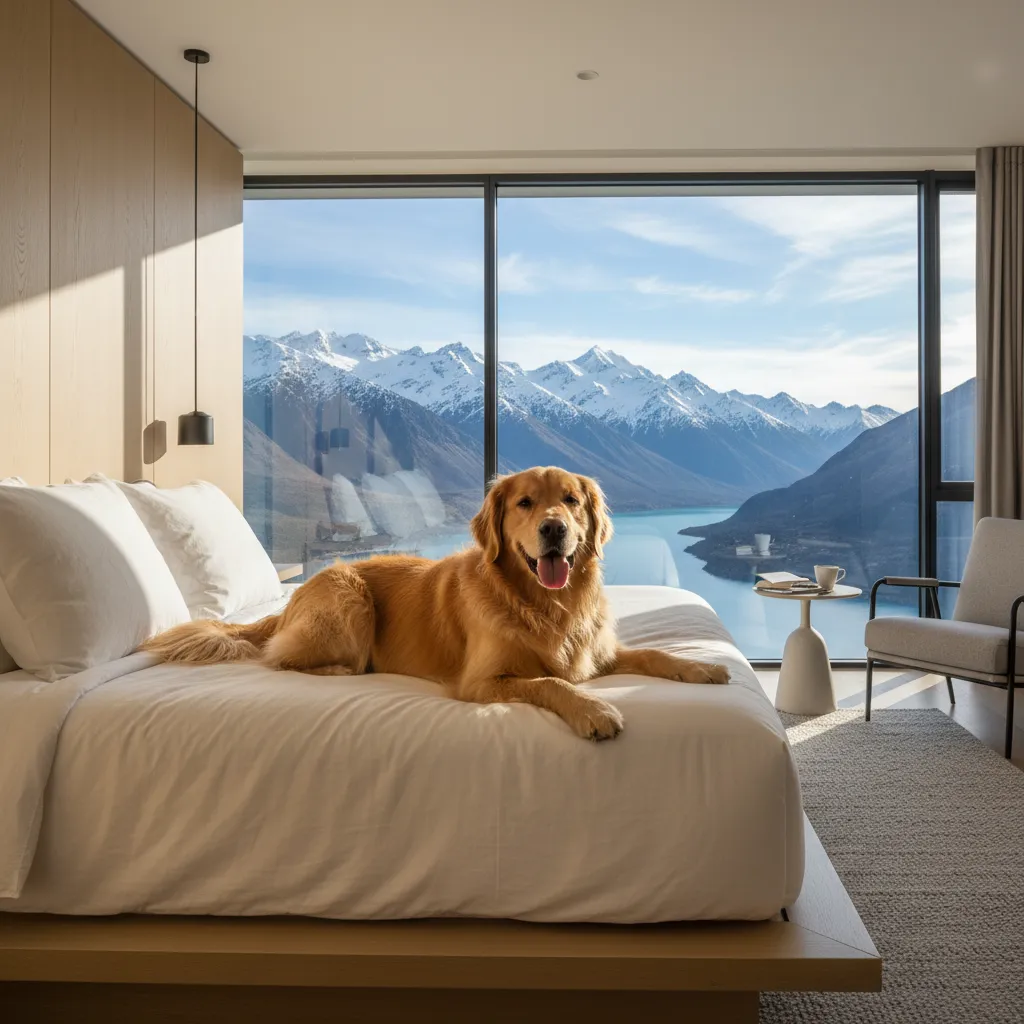
Finding the Best Pet Friendly Hotels in NZ
Finding pet friendly hotels NZ requires more than just a quick Google search. Policies vary significantly between establishments. Some properties welcome dogs of all sizes with open arms, providing treats and bedding, while others may strictly limit guests to small breeds or require pets to sleep in designated outdoor areas. Understanding these nuances is key to a stress-free holiday.
Using Booking Filters Effectively
When searching on major platforms like Booking.com, Airbnb, or Bookabach, always toggle the “Pets Allowed” filter immediately. However, do not rely solely on the automated filter. Many “pet-friendly” listings have caveats buried in the fine print. It is standard practice to contact the host or hotel directly before booking to confirm:
- Are pets allowed inside the unit or only outside?
- Is the property fully fenced (crucial for rescue dogs with recall issues)?
- Is there an additional cleaning fee or pet surcharge?
- Are there restrictions on the number of pets allowed?
Direct Booking with Pet-Centric Chains
Several accommodation chains in New Zealand have standardized pet policies. For example, many Top 10 Holiday Parks offer pet-friendly cabins and camp sites, although availability often depends on the season (many restrict pets during the peak Christmas/New Year period). Boutique motel chains and independently owned lodges often offer the most flexibility, sometimes even allowing cats or caged animals upon request.
Types of Pet-Friendly Accommodation
The term “pet friendly hotels NZ” covers a broad spectrum of lodging types. Choosing the right one depends on your animal’s temperament and your travel style.
Luxury Lodges and Boutique Hotels
High-end travel with pets is on the rise. Several luxury lodges now offer “Paws Packages,” which may include gourmet pet meals, dog walking services, and plush bedding. These are ideal for well-socialized dogs accustomed to indoor living. Be aware that these establishments often require a significant damage deposit.
Holiday Parks and Campgrounds
For the adventurous owner, holiday parks are a staple of Kiwi culture. They provide a social environment and ample space for exercise. However, strict leash rules usually apply to ensure the safety of all campers. If you are camping on Department of Conservation (DOC) land, you must verify that the specific campsite allows dogs, as many are located in protected wildlife zones where pets are strictly prohibited.
Baches and Holiday Homes
Renting a private bach is often the best option for anxious rescue pets who might be overwhelmed by the noise of a hotel or holiday park. A standalone home offers privacy and, ideally, a secure backyard. This allows your pet to decompress and enjoy the holiday just as much as you do.
Traveling with Pets: Planes and Ferries
Crossing the Cook Strait or hopping between islands requires logistical coordination. New Zealand’s geography means you will likely need to utilize ferries or flights for a comprehensive tour.
Flying with Air New Zealand
Unlike some international airlines that allow small pets in the cabin, Air New Zealand generally requires pets to travel as checked cargo in the hold, unless they are certified service dogs. This area is pressurized and temperature-controlled, but it can still be stressful for animals.
To fly your pet domestically, you must have an IATA-approved travel crate. The cage must be large enough for the animal to stand, turn around, and lie down comfortably. You should book your pet’s travel well in advance, as there are limits on the number of live animals per flight. For more detailed specifications on crate requirements, you can refer to the Air New Zealand pet travel policy.
Taking the Ferry: Interislander and Bluebridge
Crossing between the North and South Islands is a common route for travelers. Both the Interislander and Bluebridge ferries are pet-friendly, but pets are not allowed in the passenger lounges.
- Leaving Pets in the Car: You can leave your pet in your vehicle on the vehicle deck. However, you cannot visit them during the sailing. Ensure windows are cracked for ventilation and water is available.
- On-Board Kennels: Both ferry services offer rental kennels. These can be booked for a small fee. You may be allowed to visit your pet in the kennel area if accompanied by a staff member, depending on sea conditions.
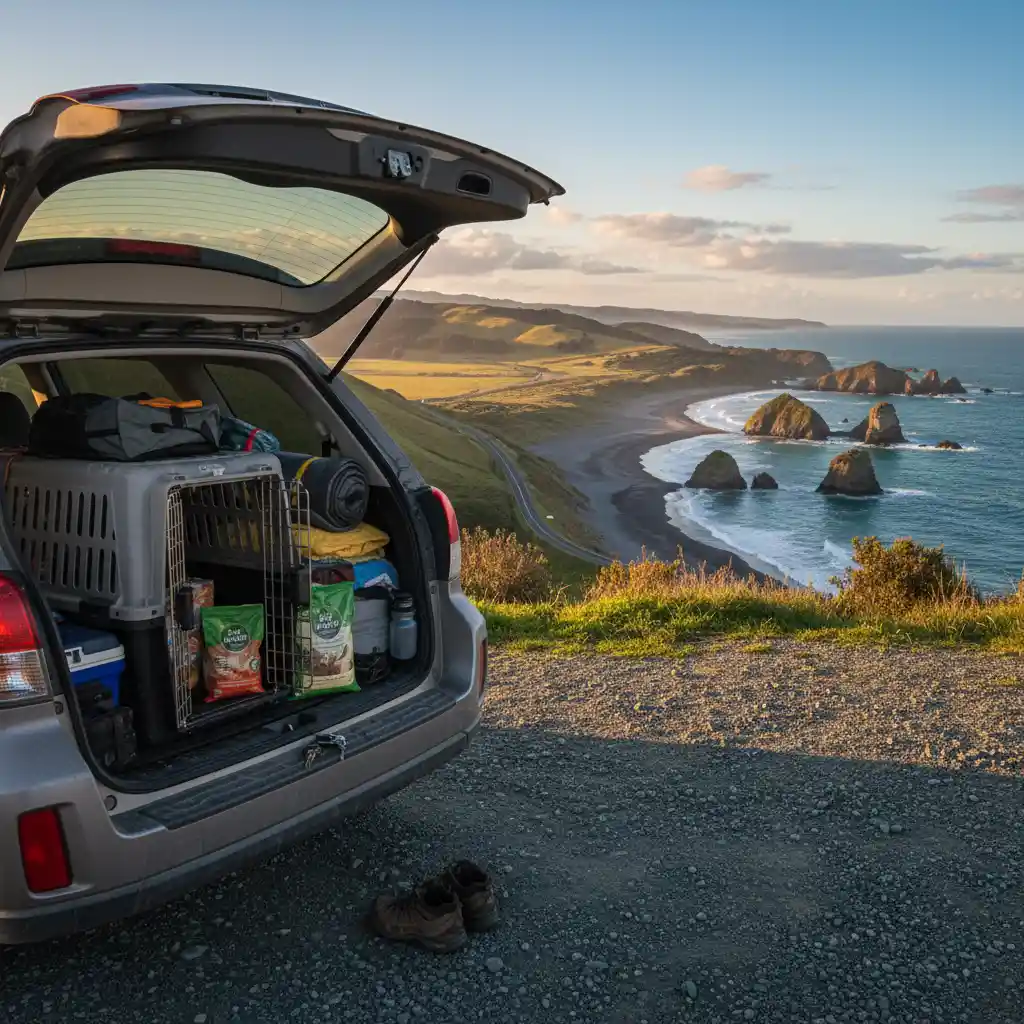
Road Trip Tips for NZ Pet Owners
New Zealand road trips are legendary, but long hours in a car can be taxing on animals. Safety is paramount.
Restraint and Safety
Under NZ transport laws, you must ensure your vehicle is safe to drive, which means a dog jumping on your lap is a liability. It is highly recommended to use a crash-tested seatbelt harness or a secure travel crate. This prevents the animal from becoming a projectile in the event of sudden braking and keeps them from distracting the driver.
Managing Motion Sickness
New Zealand’s roads can be winding and hilly. Many pets suffer from car sickness. To mitigate this, avoid feeding a large meal right before departure. Keep the car cool and well-ventilated. If your pet has a history of nausea, consult your veterinarian about medication prior to the trip.
Planned Pit Stops
Plan your route around dog-friendly parks and rest areas. Apps like CamperMate often indicate where dog parks are located. Remember to carry ample water, as streams in agricultural areas may not be safe to drink due to algae or runoff.
Packing Essentials for Pet Travel
A successful trip relies on a well-stocked travel kit. When packing for a stay at pet friendly hotels NZ, treat your pet’s luggage with the same importance as your own.
- Documentation: Carry your pet’s vaccination booklet (many kennels and hotels require proof of kennel cough vaccination) and microchip registration details.
- Familiar Bedding: Even if the hotel provides a bed, bringing your pet’s own blanket helps settle them with a familiar scent.
- Food and Water: Sudden changes in diet can cause stomach upset. Bring their regular food and collapsible bowls.
- First Aid Kit: Include tick remover, antiseptic cream, bandages, and any chronic medications.
- Cleaning Supplies: Accidents happen. Pack an enzymatic cleaner, paper towels, and plenty of poo bags to ensure you leave no trace.
Responsible Travel and Protecting Wildlife
New Zealand’s native wildlife is unique and vulnerable. Flightless birds like the Kiwi and Weka are defenseless against dogs. As a responsible owner, especially within the rescue community, you act as an ambassador for pet owners everywhere.
DOC Land and National Parks
Most National Parks in New Zealand have a strict “No Dogs” policy to protect conservation values. However, there are specific DOC campsites and tracks where dogs are permitted on a leash. Always check the Department of Conservation dog access rules before heading out. Ignorance of these rules can lead to hefty fines and puts local wildlife at risk.
Kiwi Aversion Training
For those traveling to areas with high Kiwi populations (such as Northland or parts of the Coromandel), consider putting your dog through Kiwi Aversion Training. This training teaches dogs to avoid the scent of Kiwi and is often a requirement for accessing certain hunting or hiking blocks.

Frequently Asked Questions
Here are some common questions regarding traveling with pets in New Zealand.
Do pet friendly hotels in NZ charge extra for dogs?
Yes, most pet friendly hotels NZ charge an additional fee. This can range from a flat fee of $20-$50 per stay to a nightly surcharge. This fee covers the extra cleaning required to remove allergens and hair for future guests.
Can I take my dog on InterCity buses in NZ?
Generally, no. InterCity buses and most public transport in New Zealand do not allow pets unless they are certified disability assist dogs. You will need to rent a private car or use pet-specific transport services.
Are dogs allowed on beaches in New Zealand?
It varies by council and season. In summer, many popular beaches have restricted hours (e.g., dogs prohibited between 10 am and 5 pm). Always look for signage at beach access points to avoid fines.
Is it hard to find cat-friendly accommodation in NZ?
Yes, finding accommodation for cats is significantly harder than for dogs. Cats are perceived as a higher allergy risk and potential scratch hazard for furniture. Private Airbnb rentals are often your best bet for travelling with a cat.
What vaccinations do I need to travel with my dog in NZ?
While not a legal requirement for travel, most pet-friendly hotels and kennels require proof of the “DHPP” (Distemper, Hepatitis, Parvovirus, Parainfluenza) vaccine and the Kennel Cough (Bordetella) vaccine.
Can I take my dog to National Parks in NZ?
Most National Parks are strictly off-limits to dogs to protect native wildlife. However, there are designated dog-friendly tracks on conservation land. Always check the DOC website for specific “dog access” areas.